Best Restaurant Marketing Ideas for 2026
This guide outlines restaurant marketing ideas that help operators attract nearby customers, convert demand faster, and strengthen long-term retention.
marketing ideas
Apr 16, 2026
This guide outlines restaurant marketing ideas that help operators attract nearby customers, convert demand faster, and strengthen long-term retention.
Apr 16, 2026

A clear host training process helps restaurants manage greetings, waitlists, reservations, seating decisions, and guest communication more consistently.
Apr 15, 2026
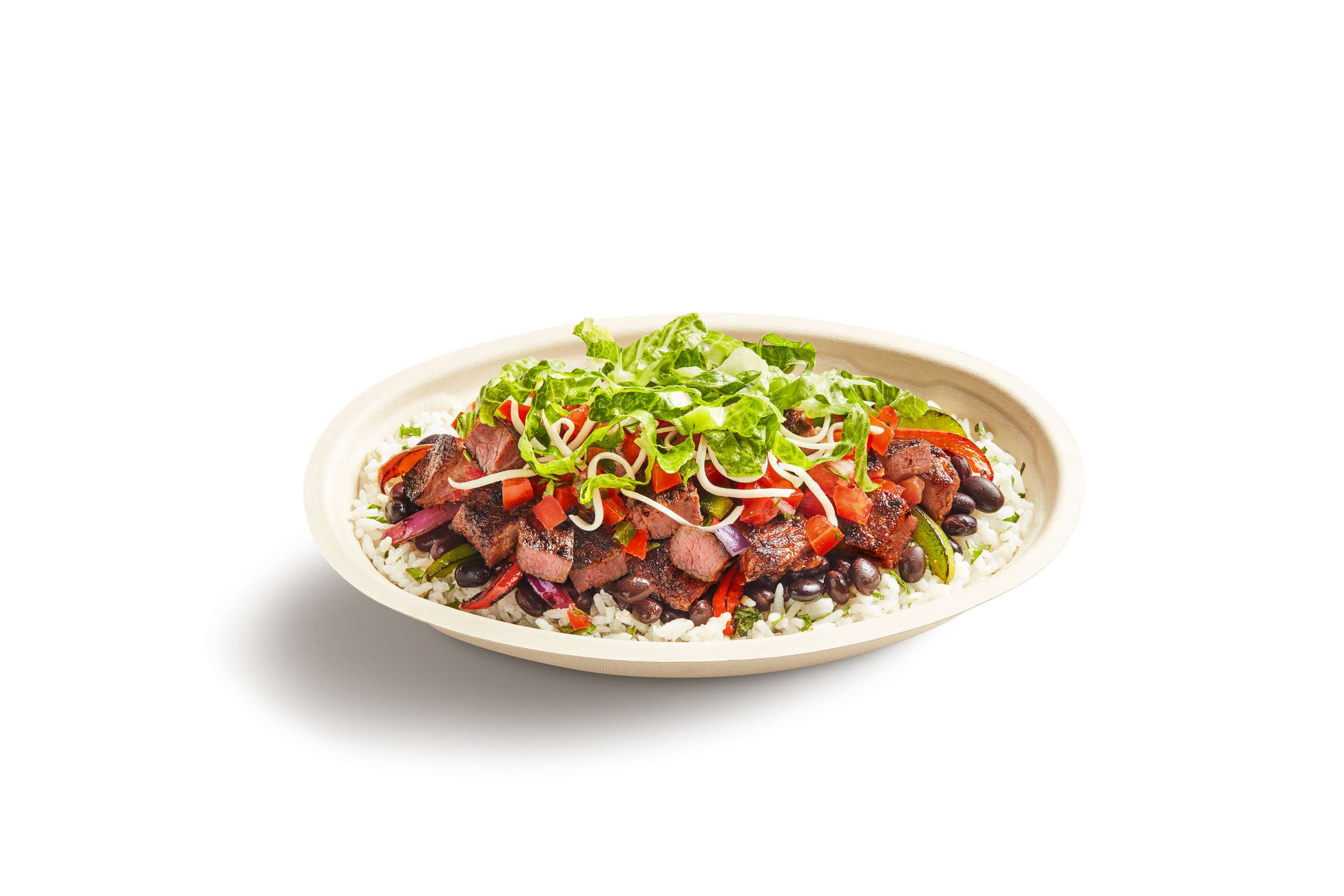
Chipotle reshapes loyalty with Rewards on Repeat, blending in-store promotions, staff incentives, and simpler redemption to boost traffic.
Apr 16, 2026
Photo by Salah Ait Mokhtar on Unsplash
A refined look at Papa Murphy’s strategy as MTY guides a cautious turnaround amid a crowded pizza landscape—digital play, local marketing, and a new Detroit-style offering.
Apr 16, 2026
Photo by Sergio Mena Ferreira on Unsplash
Mo’ Bettahs leaves Kansas City as it pivots to a PE-backed national expansion to Phoenix, Indianapolis, and Minneapolis.
Apr 16, 2026

Photo by Kate Trysh on Unsplash
Applebee’s O-M-Cheese Burger fuses spectacle with value, driving social buzz and foot traffic—a signal for the skillet-cheese moment in casual dining.
Apr 16, 2026

Photo by Diego Mattevi on Unsplash
GoTo Foods taps Misra and Lambert to harmonize digital momentum with disciplined development across seven brands, aiming for stronger guest experiences and franchisee economics.
Apr 16, 2026
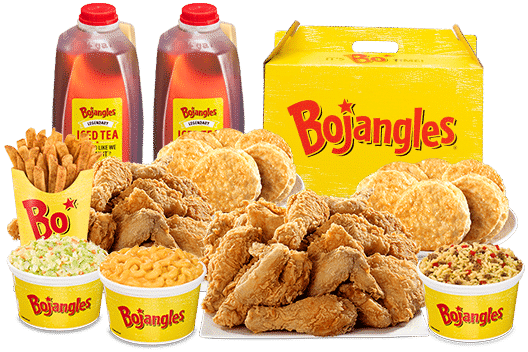
Bojangles launches Bo’s Chicken Rippers in an eight-week pilot, turning bites into a hands-on, sauce-forward experience with interactive, tear-apart slabs.
Apr 16, 2026
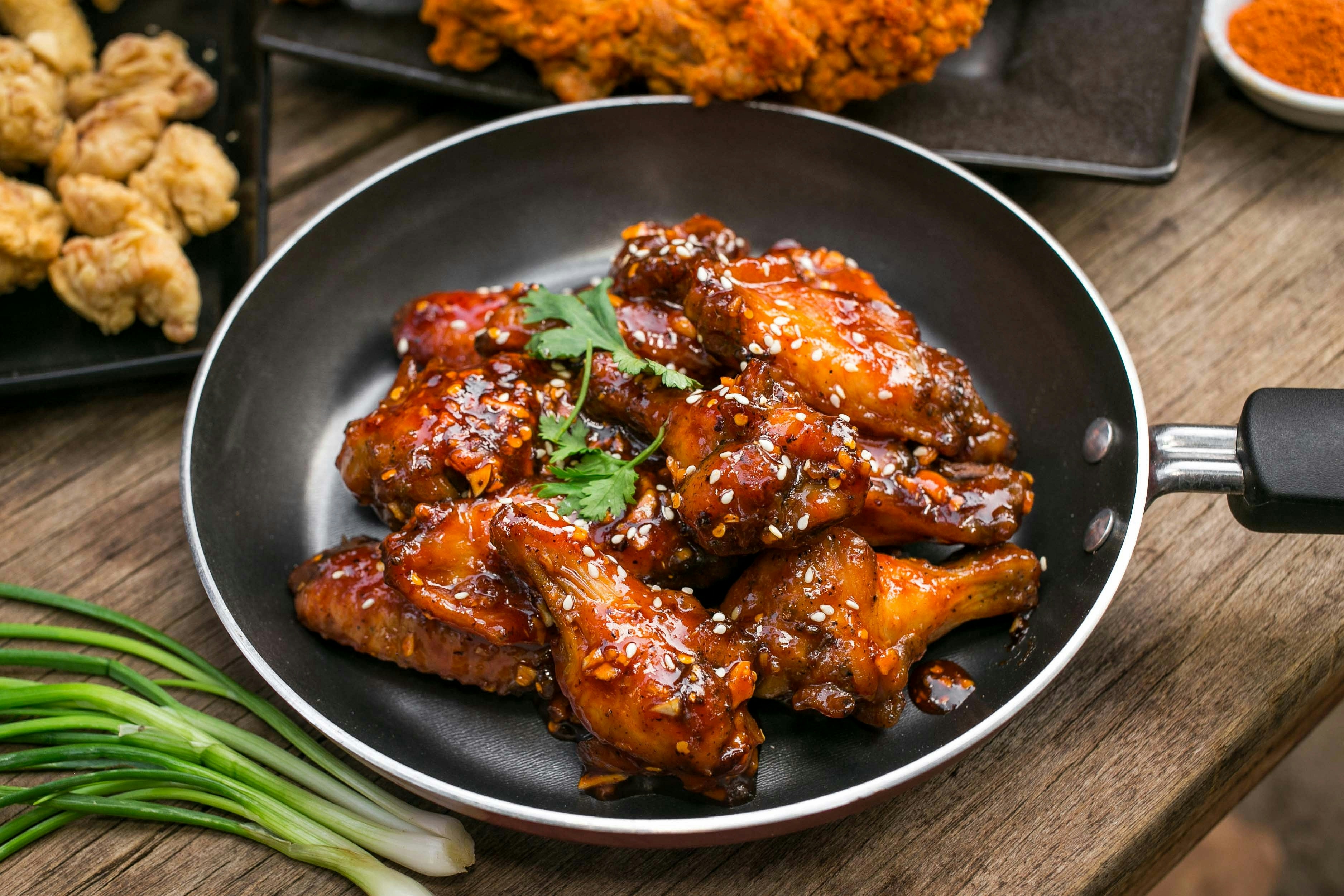
Photo by Jim Sosengphet on Unsplash
Popeyes teams with One Piece for a limited menu and merch drop, blending bold flavors with anime fandom to boost traffic and loyalty.
Apr 16, 2026
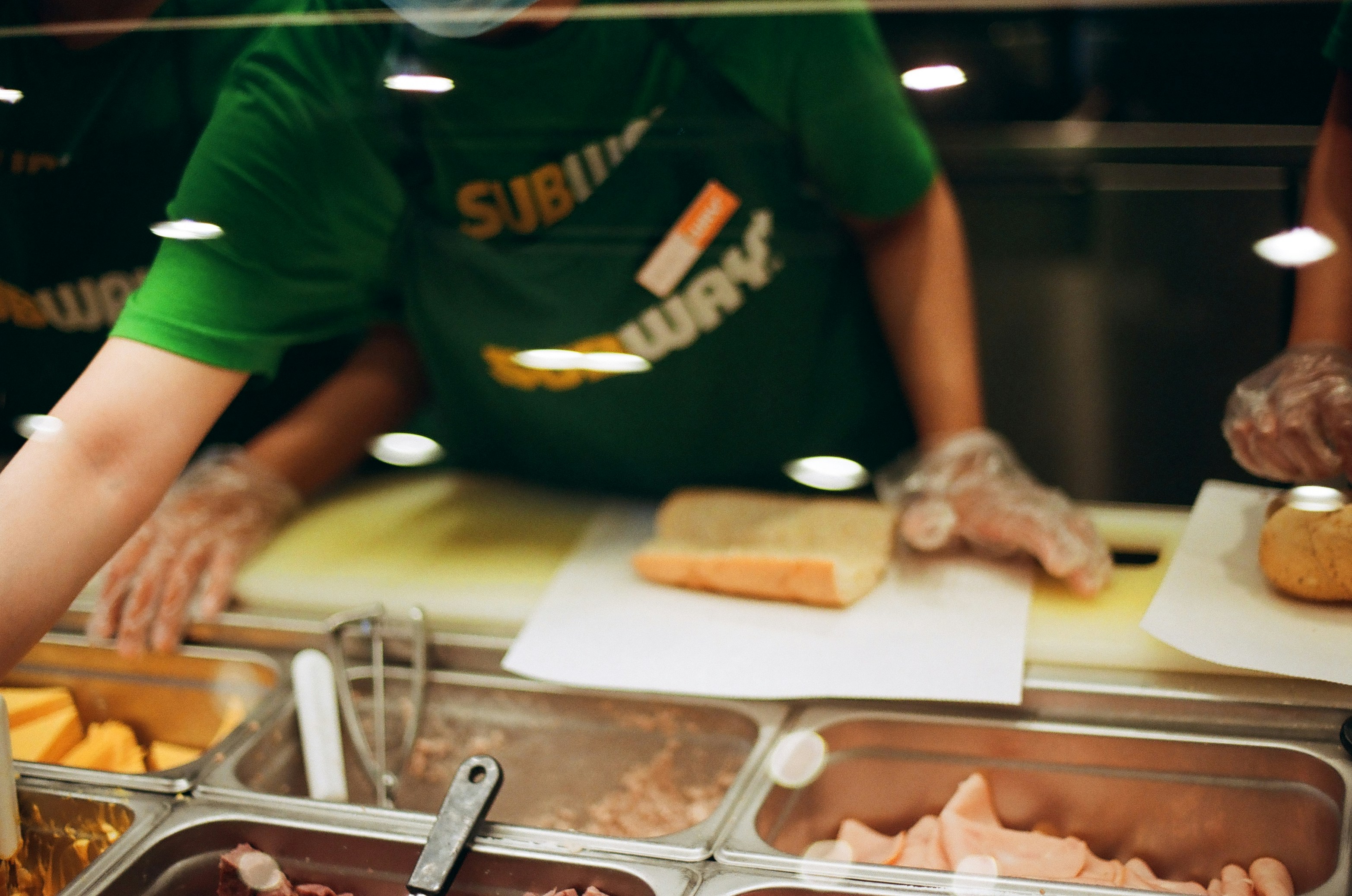
Photo by dedy kurniawan on Unsplash
A close look at Jersey Mike’s rapid expansion, leadership shift, and international push under Blackstone’s ownership.
Apr 16, 2026
The evolving restaurant operations landscape in 2025, including insights from top industry experts on finance, mergers and acquisitions, investment strategies, and technology solutions.

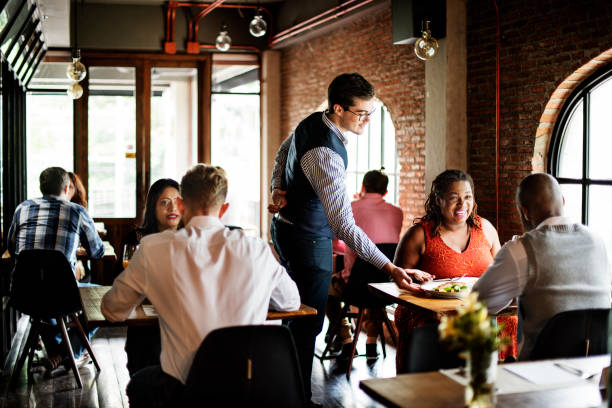
Industry experts predict a surge in mergers and acquisitions activity in 2025, following a relatively quiet 2024. The stabilization of banking environments and the clearing of highly leveraged transactions from the previous year have set the stage for more investment opportunities. As the industry recovers, there is a growing appetite for high-quality assets, leading to a focus on 'good' exits rather than solely 'optimal' exits.
2025 is expected to see not only an increase in M&A deals but also a rise in initial public offerings (IPOs) in the restaurant sector. With several brands eyeing public offerings and strategic M&A deals, industry players are gearing up for a year of significant activity. Factors like ongoing disruption and market volatility are driving a shift towards strategic moves within the industry.
Despite the positive outlook, uncertainties surrounding the economy and potential policy changes may impact the flow of capital in 2025. Experts emphasize the need for caution and strategic planning in the face of evolving economic conditions. The industry is still cautious about spending and remains focused on cost-saving measures and capital efficiency.
Industry veterans stress the importance of operational excellence and efficiency in navigating the evolving landscape. Focusing on unit economics, enhancing operational processes, and implementing technology solutions are key priorities for restaurants looking to thrive in 2025. The emphasis is on moving from 'struggling' to 'great' by optimizing operations and exploring new sales channels.
In an era of increasing competition and changing consumer preferences, technology plays a vital role in driving growth and enhancing customer experiences. From AI-driven solutions for customer engagement to streamlining operations through inventory management systems and automated reservations platforms, investing in technology is crucial for staying competitive and meeting evolving consumer demands.
As consumers demand more value and quality, operators must focus on execution, service excellence, and maintaining competitive pricing strategies. Adapting to the new normal requires restaurants to innovate, test new concepts, and enhance their offerings to meet shifting consumer expectations while balancing margins and operational efficiencies.