Navigating the Restaurant Supply Chain Amid Tariff Uncertainty
Explore how restaurants are managing their supply chains amidst trade changes and tariffs, impacting costs and operations.

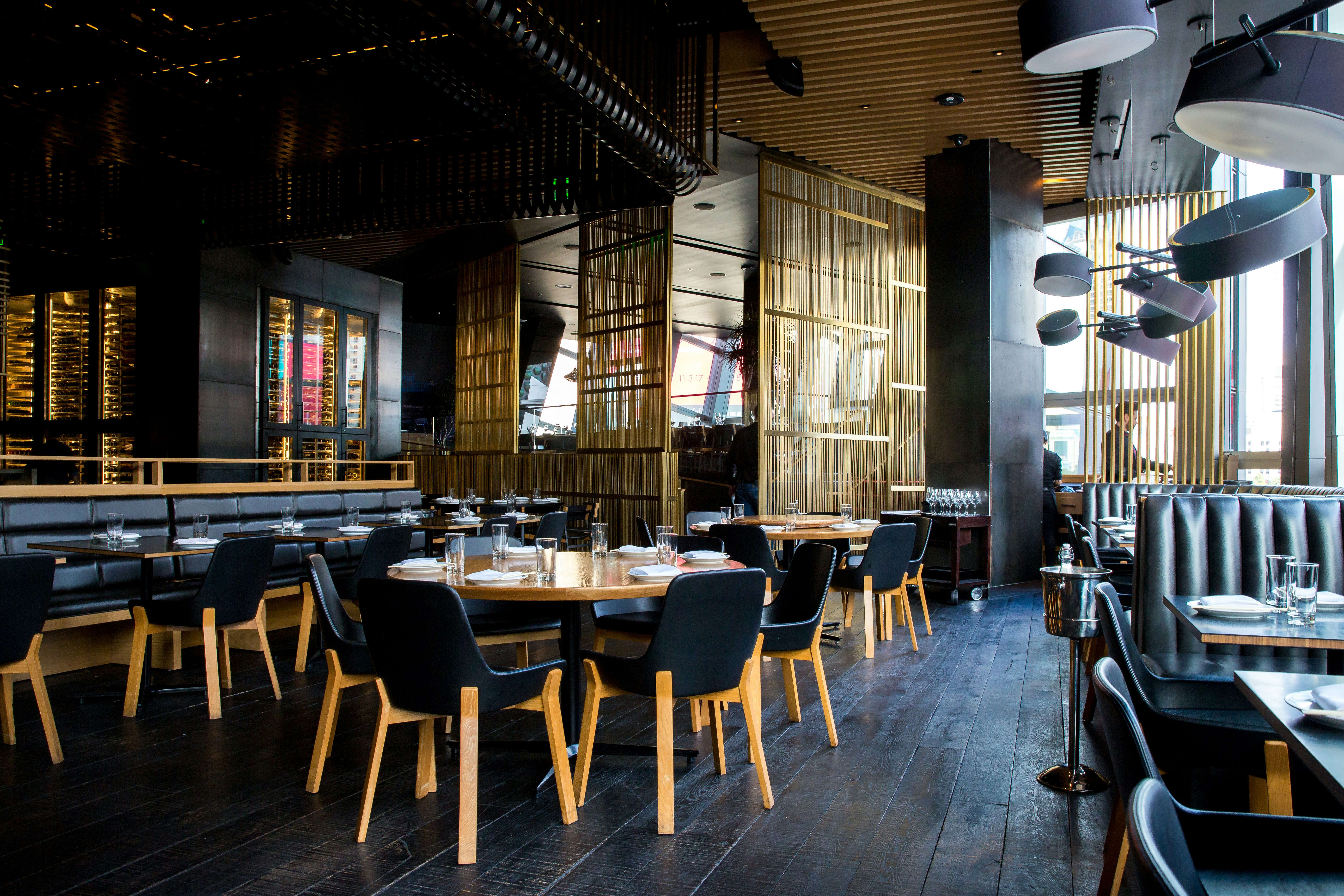
Photo by Jason Leung on Unsplash
Understanding the Impact of Tariffs on Restaurant Industry Supply Chains
The recent tariff fluctuations and trade uncertainties have compelled restaurant chains to assess the potential impacts on their supply chains. With tariffs affecting global trade flows and sourcing costs, companies are strategizing to navigate through these challenges effectively. Uncertainty surrounding tariffs on various goods from countries like Canada, China, and Mexico has forced restaurant businesses to evaluate their procurement and sourcing processes.
Mitigation Strategies through Domestic Sourcing and Supplier Collaboration
Many chains like Cava and Sweetgreen have proactively addressed tariff concerns by predominantly sourcing food domestically, hence reducing exposure to international trade fluctuations. By working closely with suppliers to ensure minimal disruptions and cost exposure, these chains are safeguarding their supply chains against the volatility caused by tariffs. Collaborative efforts with suppliers to shift sourcing locations, build inventory, and adapt to changing tariff landscapes are key strategies employed by industry players.

Photo by Jason Leung on Unsplash
Forecasting Tariff Impact on Costs and Margins
Restaurant chain executives like Bloomin’s CFO Michael Healy and Brinker’s CFO Mika Ware have provided insights into the potential impact of tariffs on their businesses. They anticipate moderate impacts on costs and margins, particularly in the second half of the year if tariffs are fully implemented. By quantifying the impact on food and beverage costs and leveraging existing pricing strategies, these companies aim to absorb tariff expenses within their current financial frameworks.
Operational Adjustments and Forward Planning
To counter the effects of tariffs on restaurant operations, chains like Noodles & Company and Potbelly are making adjustments to margins and supply chain processes. By securing fixed-rate agreements and diversifying sourcing channels, these companies are preparing for potential cost escalations due to tariffs. Monitoring tariffs daily, preparing for possible impacts, and maintaining flexibility in procurement are critical elements of the operational adjustments being made.
Embracing Innovation and Efficiency Amid Tariff Uncertainty
In the face of tariff uncertainties, restaurant brands are seeking innovative solutions to maintain operational efficiency. Companies like Sweetgreen are investing in automated technologies like the Infinite Kitchen to enhance productivity and offset potential cost increases due to tariffs. By focusing on long-term labor savings and streamlining throughput, these chains are ensuring that tariff challenges do not hinder their growth and expansion plans.
Collaborative Supply Chain Management and Risk Mitigation
Starbucks and Yum executives emphasize collaborative efforts to manage tariff risks and supply chain disruptions. By localizing and diversifying production and supply sources, these chains are strengthening their resilience against tariff-induced variations. Leveraging global footprints, redirecting shipments, and fostering partnerships with suppliers are integral components of their risk mitigation strategies.