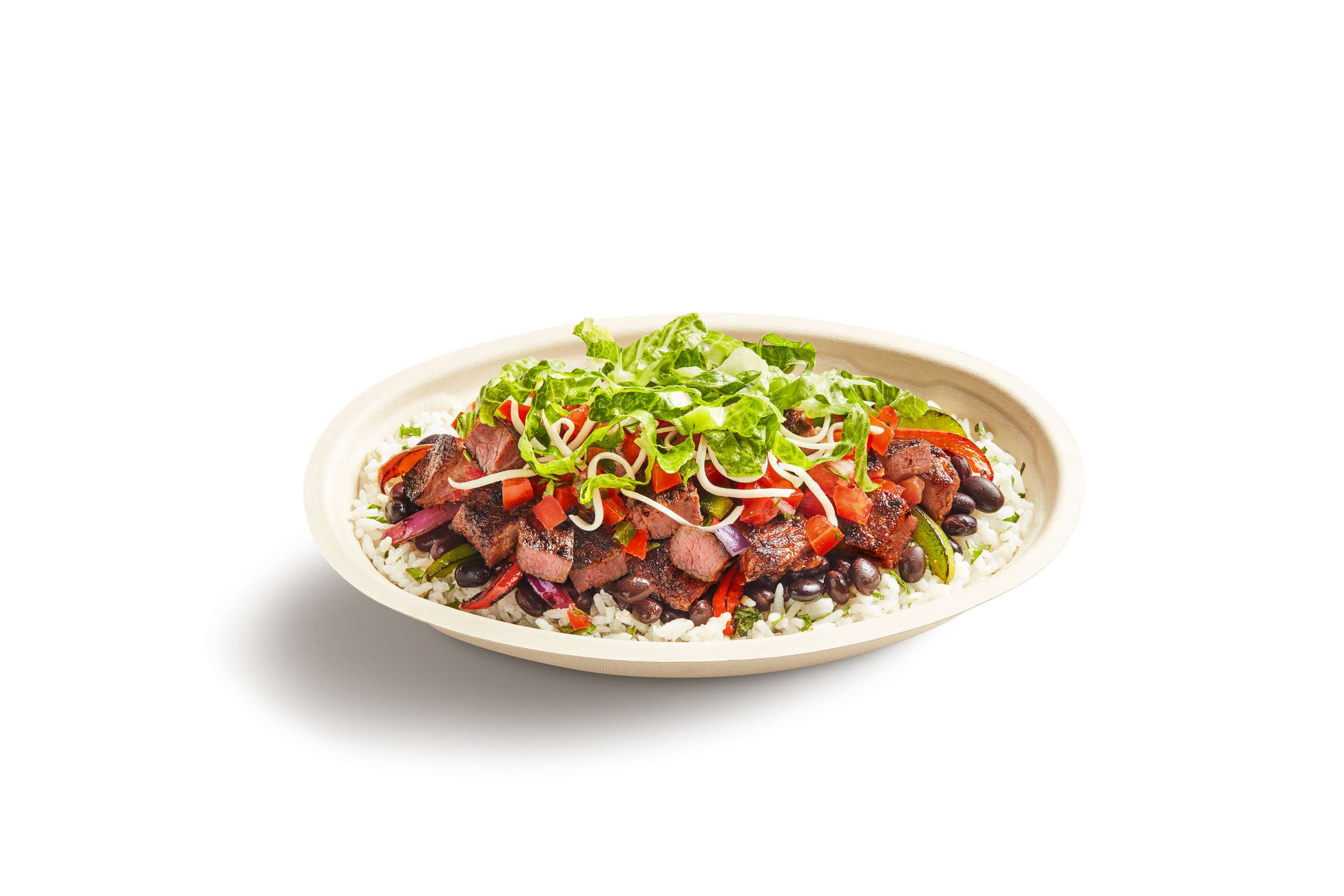
Chipotle Rewards on Repeat Relaunch
Chipotle reshapes loyalty with Rewards on Repeat, blending in-store promotions, staff incentives, and simpler redemption to boost traffic.
news
Apr 16, 2026
Chipotle reshapes loyalty with Rewards on Repeat, blending in-store promotions, staff incentives, and simpler redemption to boost traffic.
Apr 16, 2026
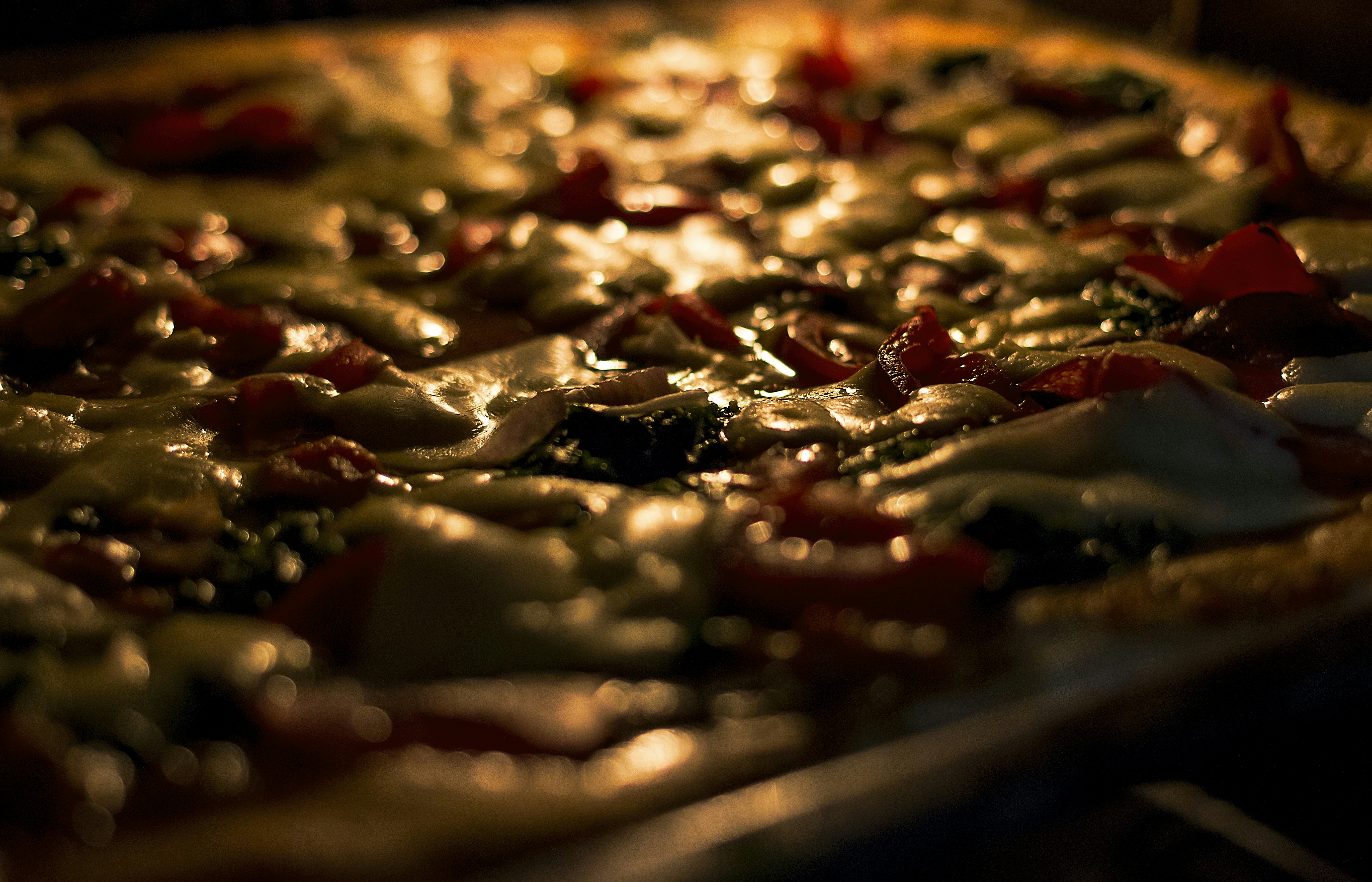
Photo by Salah Ait Mokhtar on Unsplash
A refined look at Papa Murphy’s strategy as MTY guides a cautious turnaround amid a crowded pizza landscape—digital play, local marketing, and a new Detroit-style offering.
Apr 16, 2026
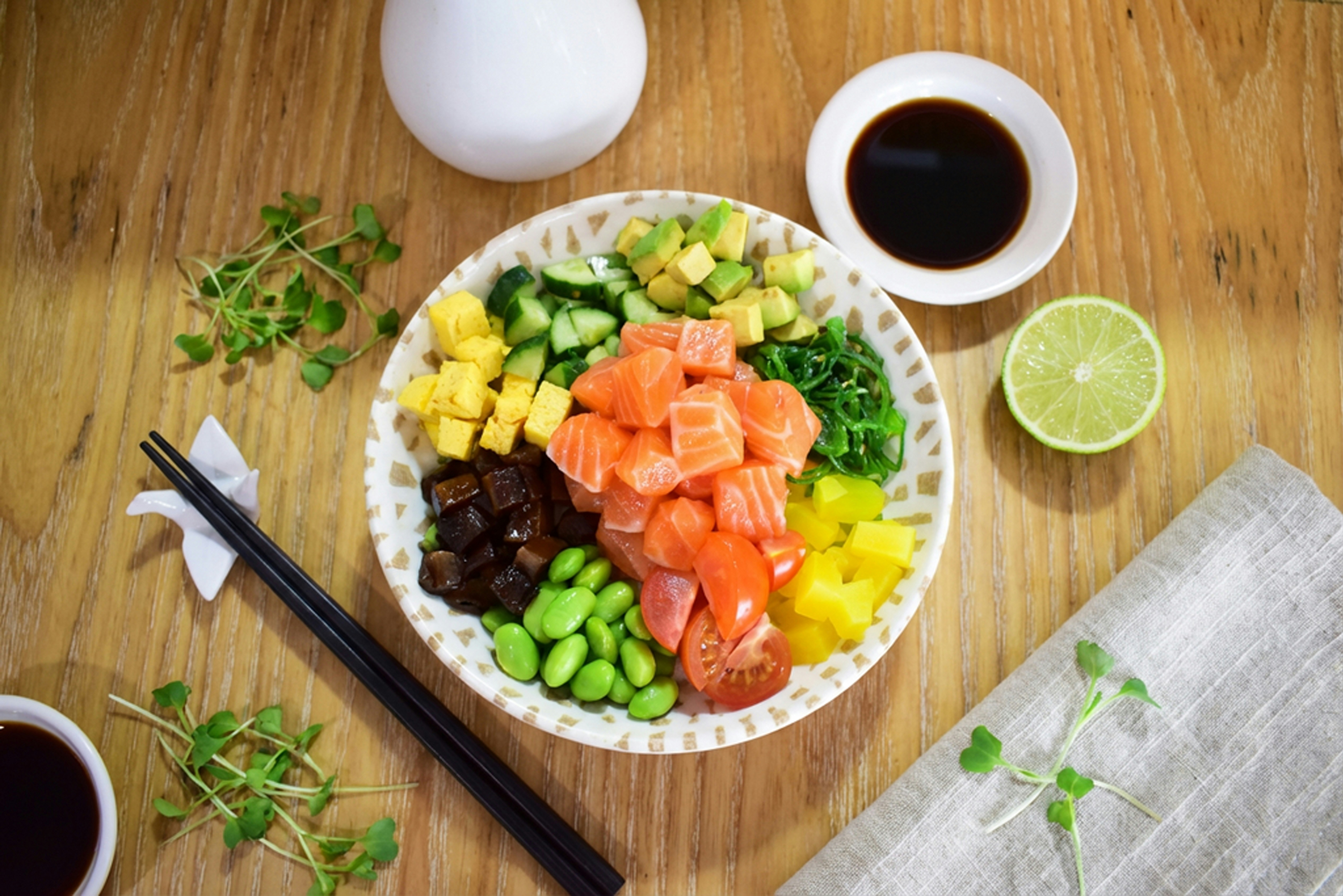
Photo by Sergio Mena Ferreira on Unsplash
Mo’ Bettahs leaves Kansas City as it pivots to a PE-backed national expansion to Phoenix, Indianapolis, and Minneapolis.
Apr 16, 2026

Photo by Kate Trysh on Unsplash
Applebee’s O-M-Cheese Burger fuses spectacle with value, driving social buzz and foot traffic—a signal for the skillet-cheese moment in casual dining.
Apr 16, 2026

Photo by Diego Mattevi on Unsplash
GoTo Foods taps Misra and Lambert to harmonize digital momentum with disciplined development across seven brands, aiming for stronger guest experiences and franchisee economics.
Apr 16, 2026
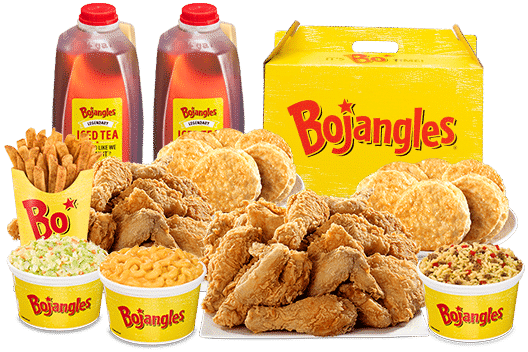
Bojangles launches Bo’s Chicken Rippers in an eight-week pilot, turning bites into a hands-on, sauce-forward experience with interactive, tear-apart slabs.
Apr 16, 2026
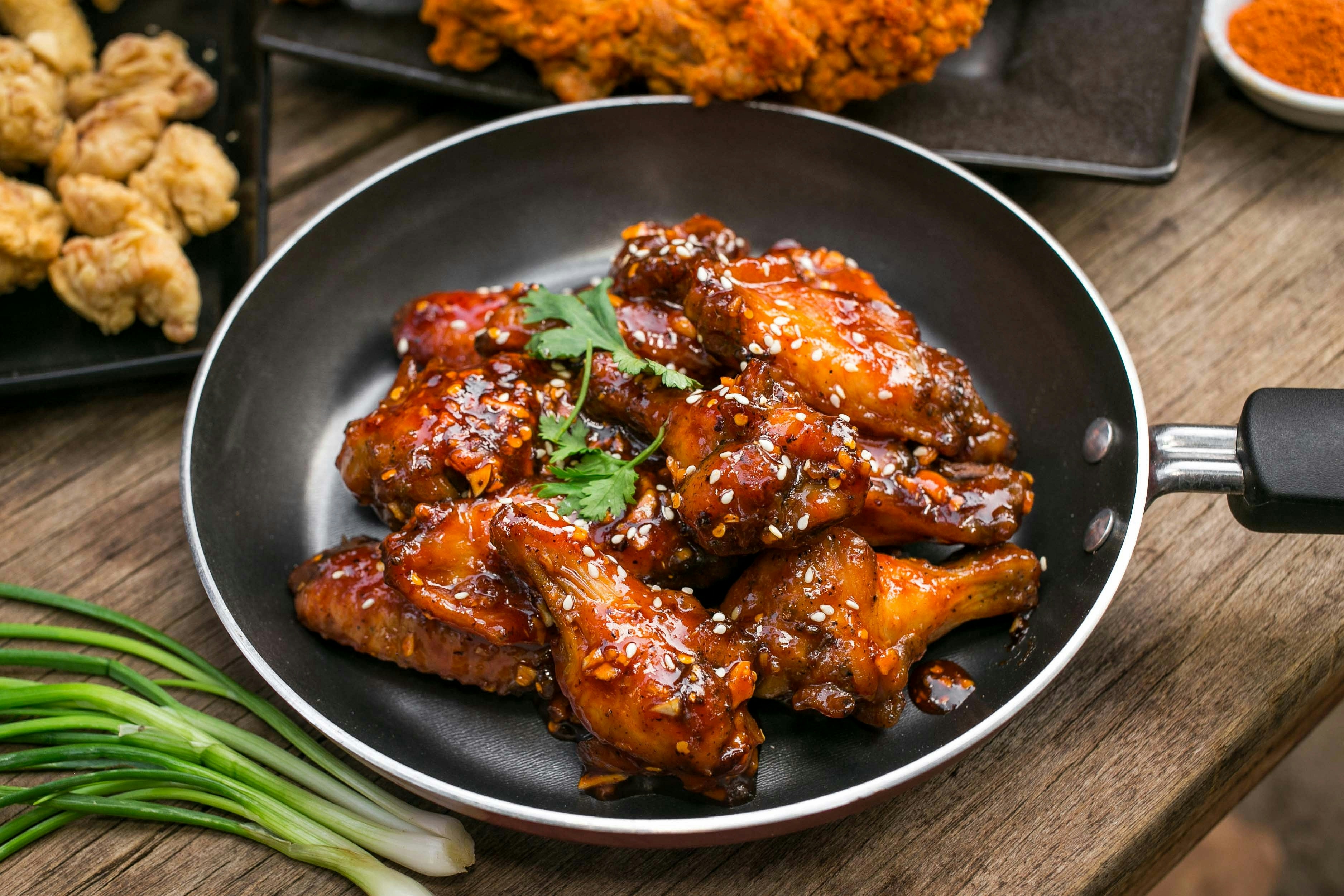
Photo by Jim Sosengphet on Unsplash
Popeyes teams with One Piece for a limited menu and merch drop, blending bold flavors with anime fandom to boost traffic and loyalty.
Apr 16, 2026
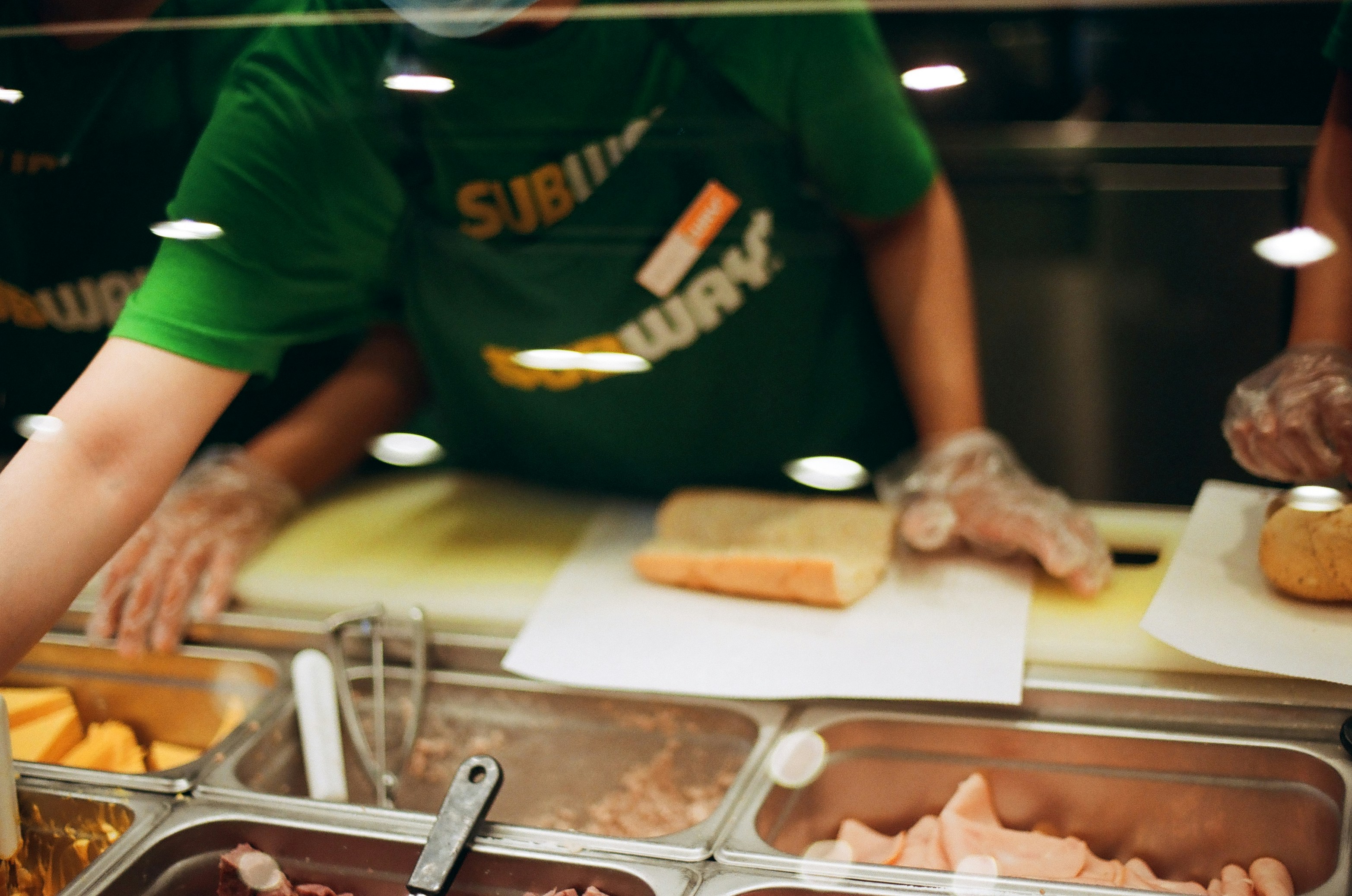
Photo by dedy kurniawan on Unsplash
A close look at Jersey Mike’s rapid expansion, leadership shift, and international push under Blackstone’s ownership.
Apr 16, 2026
Photo by Roberto Catarinicchia on Unsplash
CAVA launches Glazed Salmon with pomegranate glaze from Just Date, pairing seafood with chef-curated bowls and a new loyalty push to broaden Mediterranean flavors.
Apr 15, 2026

Photo by Carol Highsmith's America on Unsplash
Chains fuse Korean, Mexican, and botanical flavors into familiar favorites. Discover the artistry, risks, and strategy behind this culinary renaissance.
Apr 15, 2026
Explore the latest trends in restaurant operations, sales performance, and consumer preferences. Learn about the shift from vegetable oil to beef tallow in cooking and its impact on customer satisfaction.

Photo by S O C I A L . C U T on Unsplash

Photo by S O C I A L . C U T on Unsplash
The recent ICR Conference provided valuable insights into the current state of the restaurant industry. Operators emerged cautiously optimistic about sales trends and returning foot traffic. Many brands shared their fourth-quarter results during the conference, highlighting improved performance. Despite this positive outlook, the year 2024 concluded with a slight downturn in restaurant sales, indicating a need for strategic adjustments to boost revenue.

Photo by S O C I A L . C U T on Unsplash
According to retail sales data from the U.S. Census, restaurant and bar sales experienced a 0.3% decline in December compared to November. While there was a 2.4% increase from the previous year, this growth rate was lower than the 3.6% rise in menu prices during the same period. This discrepancy signals a potential mismatch between pricing strategies and consumer spending habits, necessitating a reevaluation of pricing models to align with market dynamics.
Steak ‘n Shake's decision to switch from vegetable oil to beef tallow for frying its french fries reflects a broader movement towards traditional cooking methods. The use of beef tallow aims to enhance the authentic flavor of shoestring fries, catering to consumers seeking a nostalgic culinary experience. This change not only aligns with consumer preferences for minimally processed ingredients but also taps into the growing demand for 'heritage' cooking techniques that evoke a sense of tradition and quality.
The shift from vegetable oil to beef tallow has sparked varied reactions among consumers. While some applaud the move as a return to classic flavors and healthier options, others express concerns over the higher saturated fat content of beef tallow. This debate underscores the complexity of balancing taste preferences with nutritional considerations in the evolving landscape of food choices. Moreover, the industry's response to this change may set a precedent for future culinary trends and operational decisions within the restaurant sector.