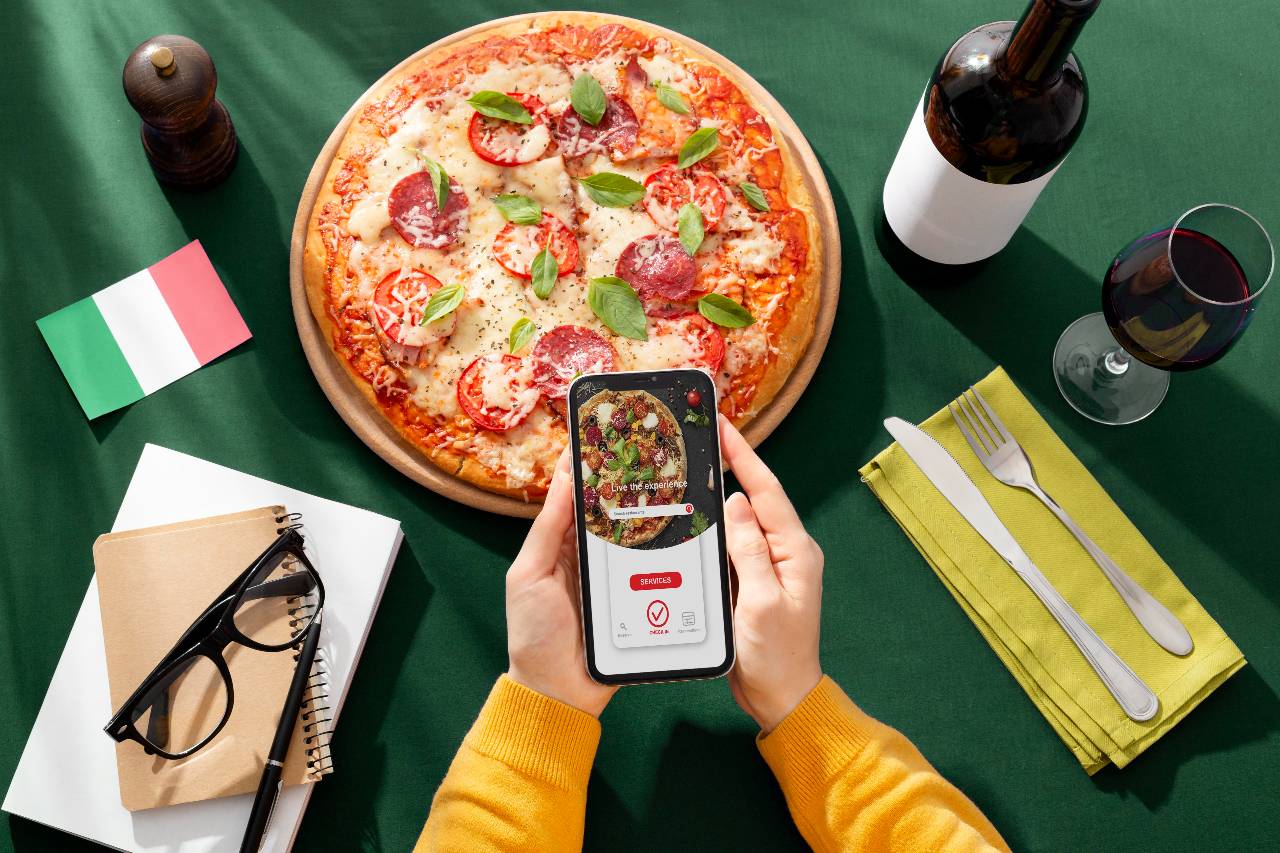
Best Restaurant Marketing Ideas for 2026
This guide outlines restaurant marketing ideas that help operators attract nearby customers, convert demand faster, and strengthen long-term retention.
marketing ideas
Apr 16, 2026
This guide outlines restaurant marketing ideas that help operators attract nearby customers, convert demand faster, and strengthen long-term retention.
Apr 16, 2026

A clear host training process helps restaurants manage greetings, waitlists, reservations, seating decisions, and guest communication more consistently.
Apr 15, 2026
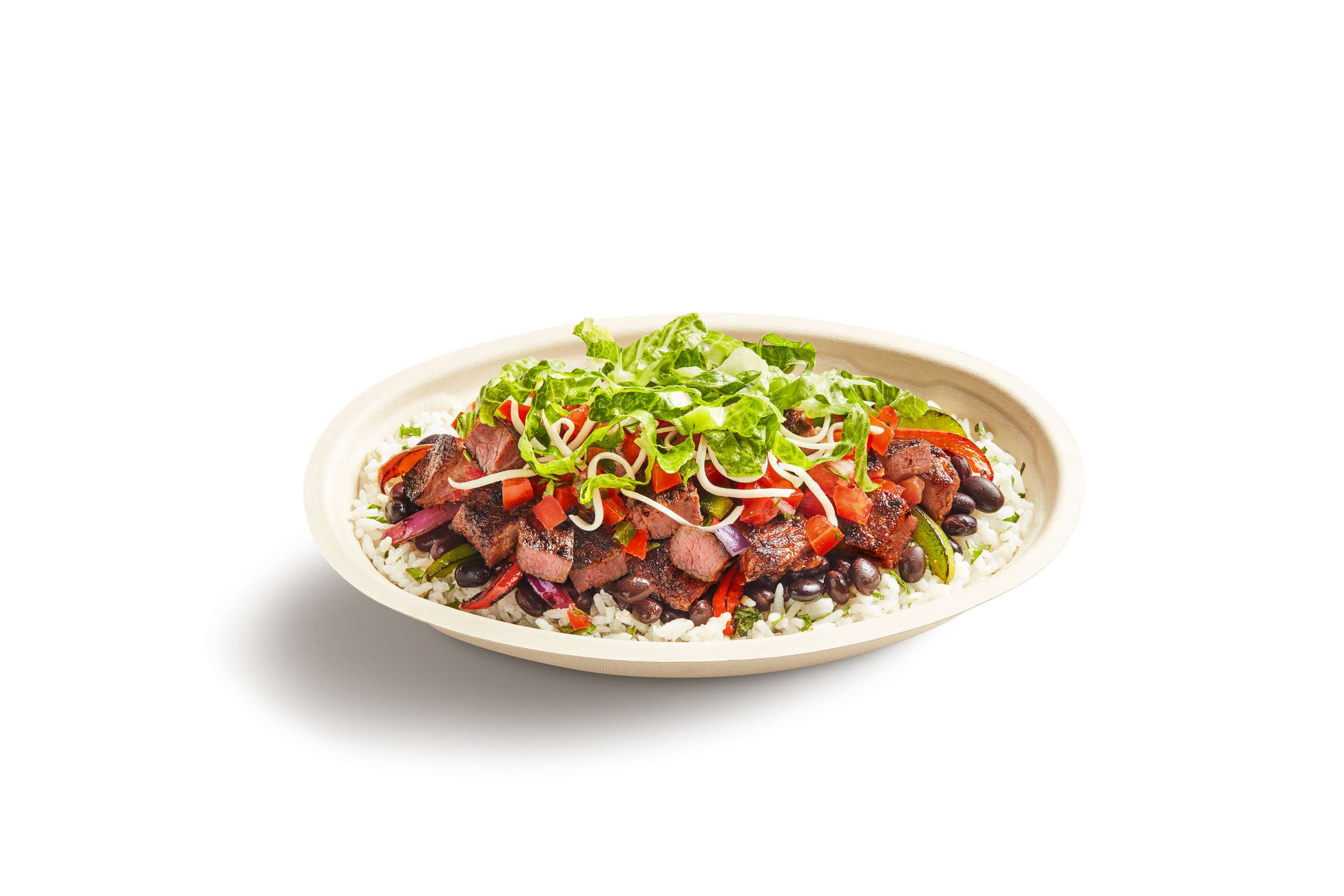
Chipotle reshapes loyalty with Rewards on Repeat, blending in-store promotions, staff incentives, and simpler redemption to boost traffic.
Apr 16, 2026
Photo by Salah Ait Mokhtar on Unsplash
A refined look at Papa Murphy’s strategy as MTY guides a cautious turnaround amid a crowded pizza landscape—digital play, local marketing, and a new Detroit-style offering.
Apr 16, 2026
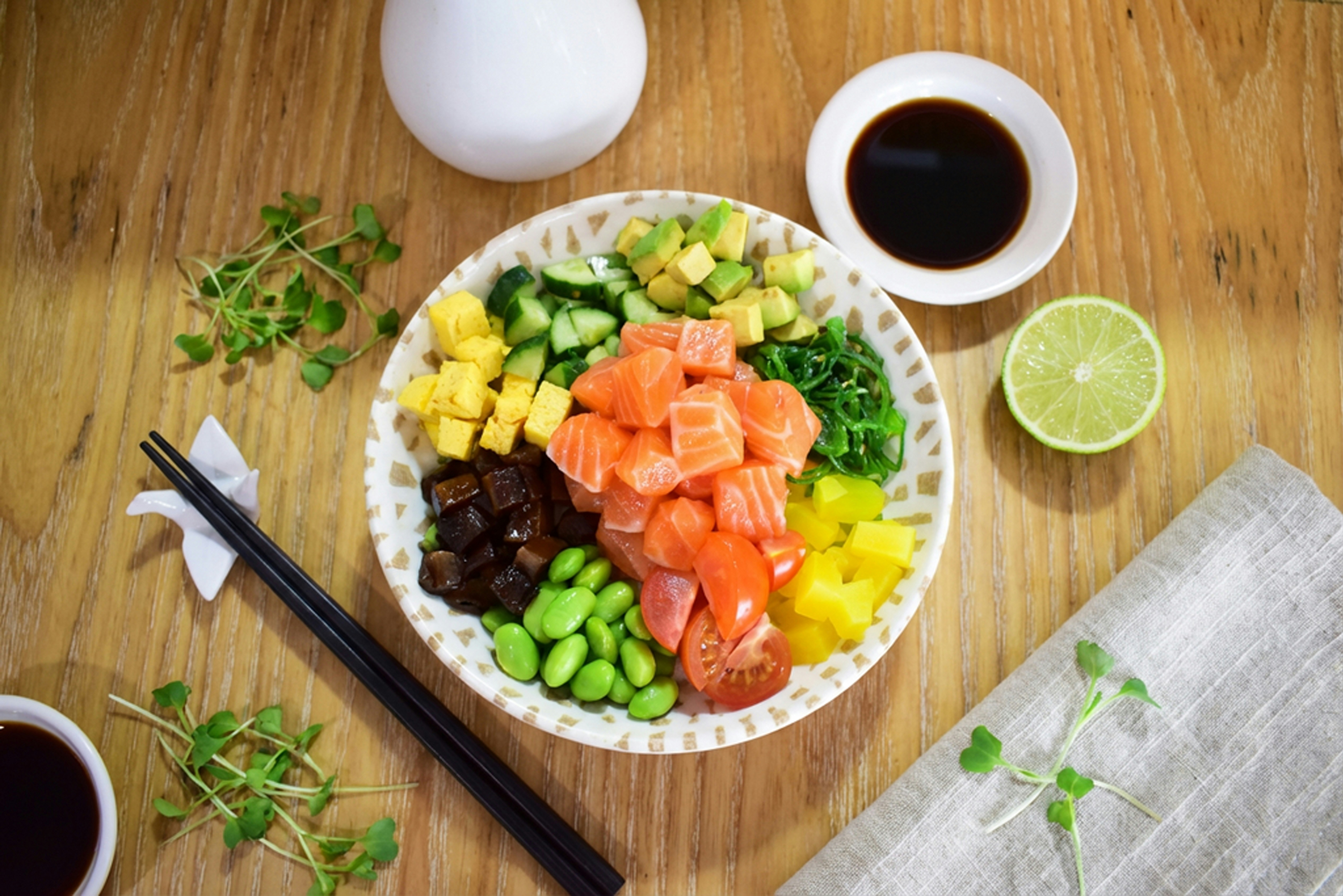
Photo by Sergio Mena Ferreira on Unsplash
Mo’ Bettahs leaves Kansas City as it pivots to a PE-backed national expansion to Phoenix, Indianapolis, and Minneapolis.
Apr 16, 2026
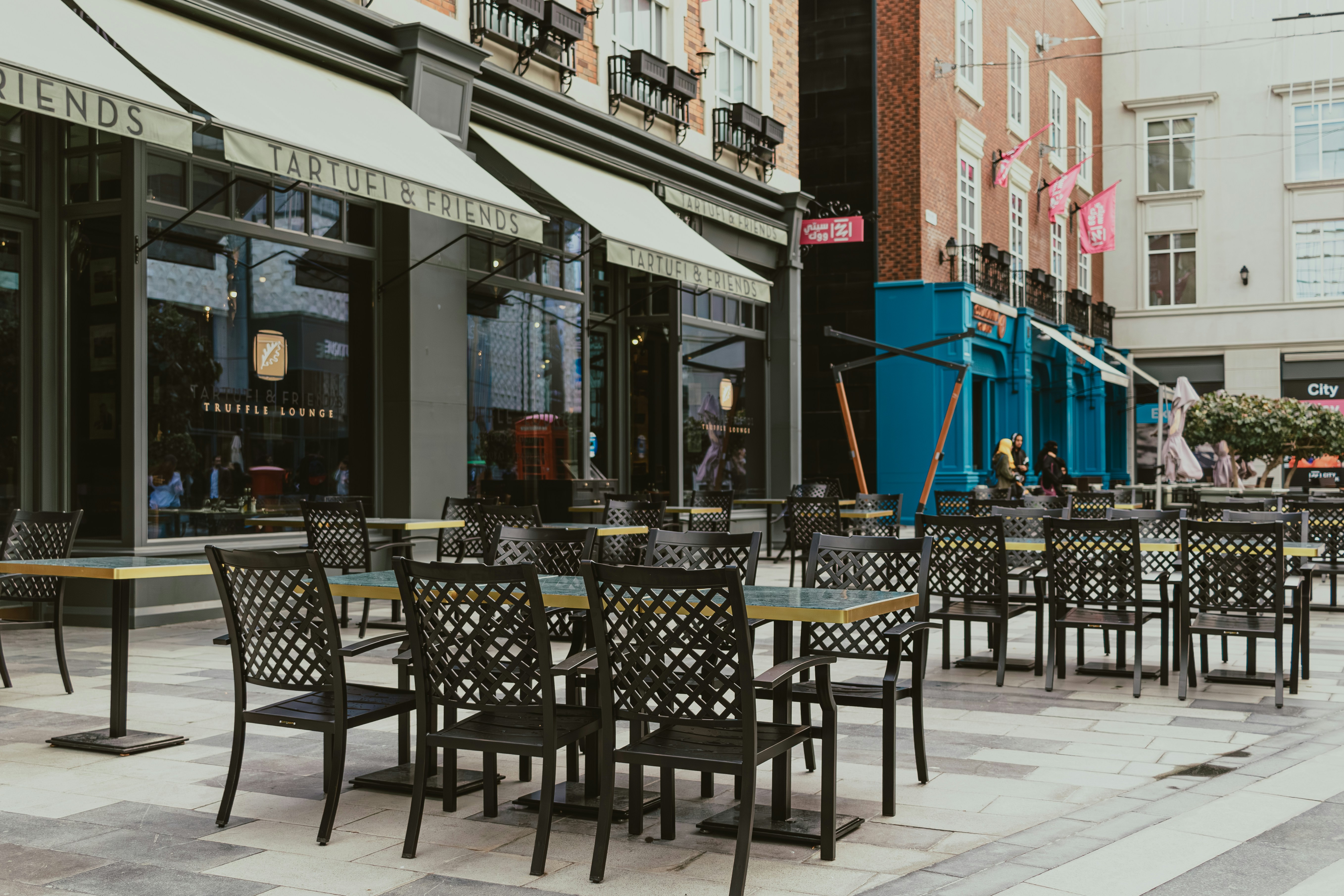
Photo by Kate Trysh on Unsplash
Applebee’s O-M-Cheese Burger fuses spectacle with value, driving social buzz and foot traffic—a signal for the skillet-cheese moment in casual dining.
Apr 16, 2026
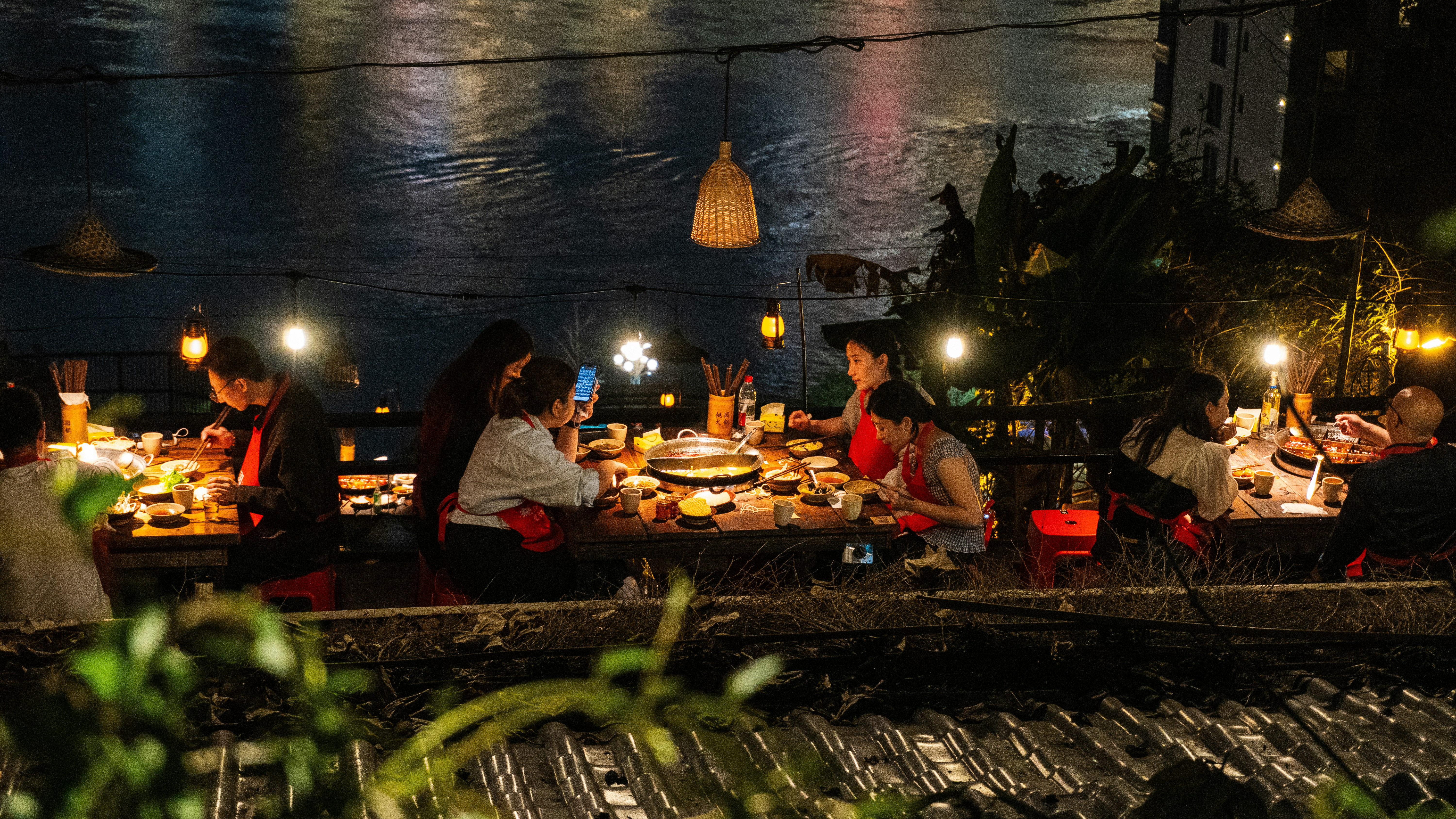
Photo by Diego Mattevi on Unsplash
GoTo Foods taps Misra and Lambert to harmonize digital momentum with disciplined development across seven brands, aiming for stronger guest experiences and franchisee economics.
Apr 16, 2026
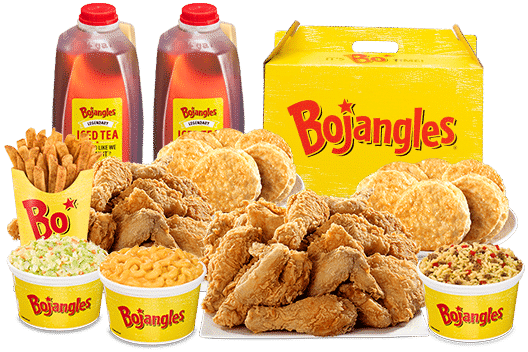
Bojangles launches Bo’s Chicken Rippers in an eight-week pilot, turning bites into a hands-on, sauce-forward experience with interactive, tear-apart slabs.
Apr 16, 2026
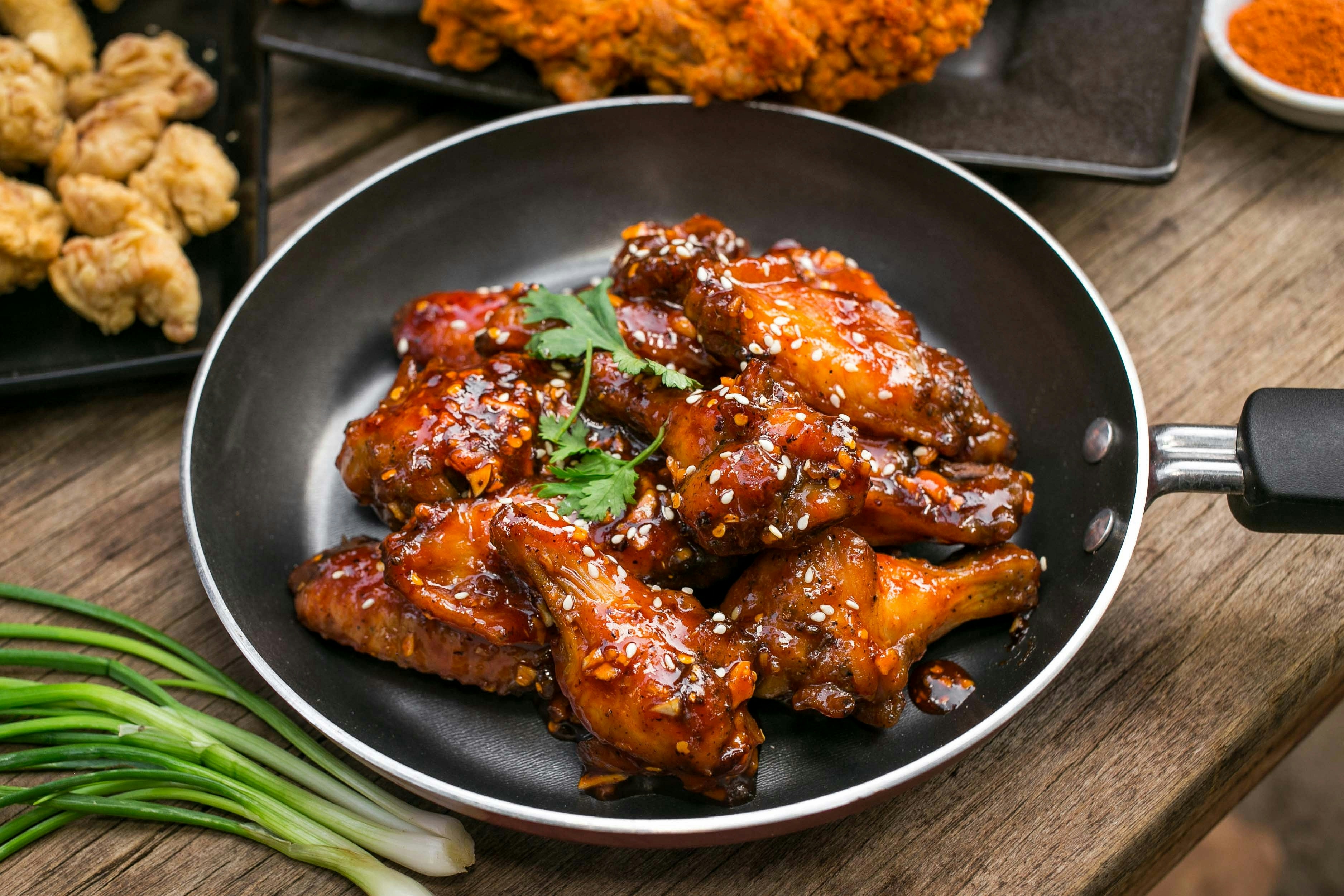
Photo by Jim Sosengphet on Unsplash
Popeyes teams with One Piece for a limited menu and merch drop, blending bold flavors with anime fandom to boost traffic and loyalty.
Apr 16, 2026
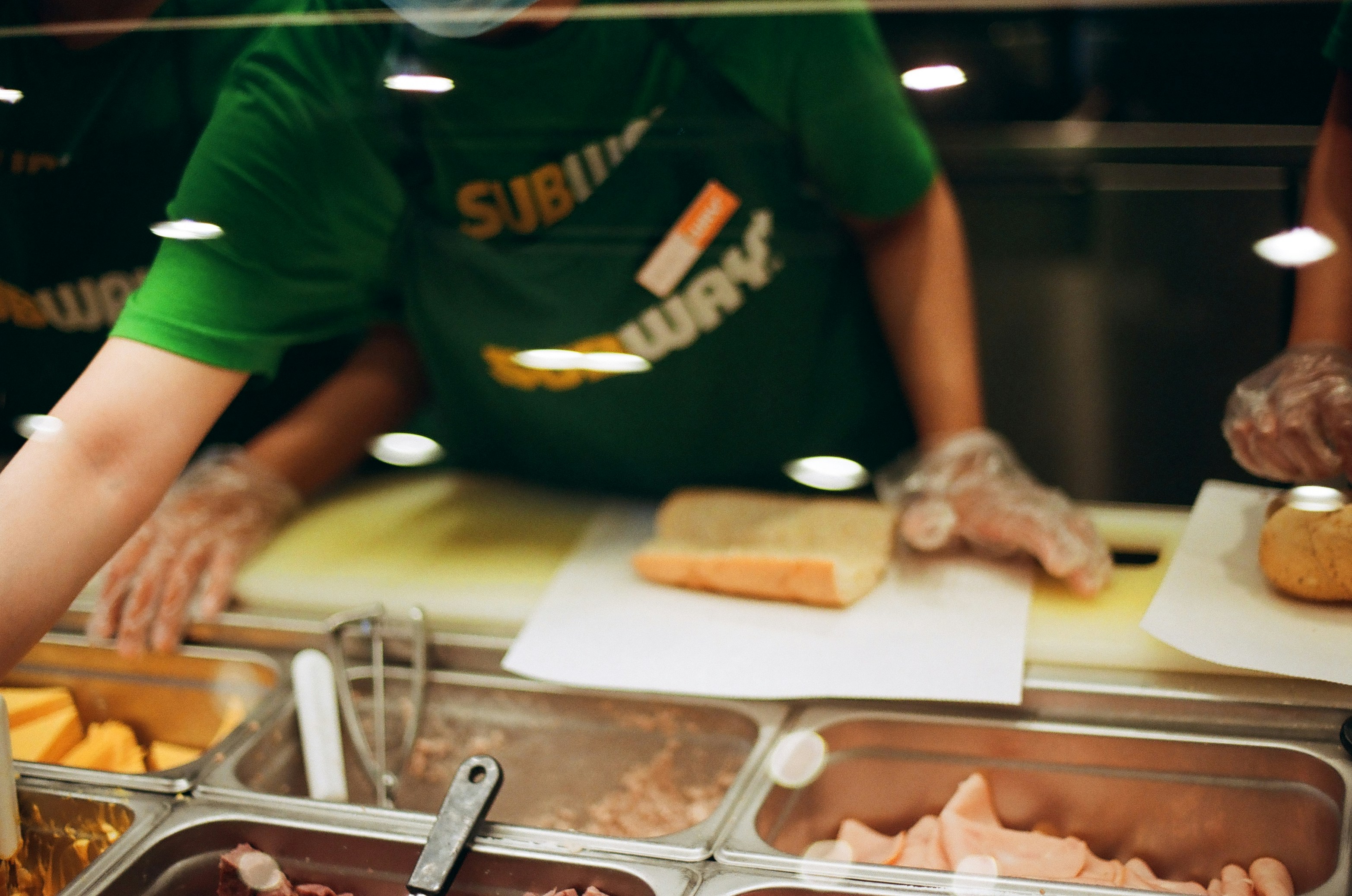
Photo by dedy kurniawan on Unsplash
A close look at Jersey Mike’s rapid expansion, leadership shift, and international push under Blackstone’s ownership.
Apr 16, 2026
Explore how Quick-Service Restaurants can adapt to increasing competition and evolving consumer expectations to stay ahead in the market.

Photo by Harley-Davidson on Unsplash

Photo by Harley-Davidson on Unsplash
Quick-Service Restaurants have long been synonymous with convenience, providing quick and affordable meals. To maintain their lead in this aspect and stay ahead of fast casual competition, QSRs can further refine and expand their convenience-driven offerings. One way they can achieve this is by optimizing their drive-thru experiences. By leveraging technology to enhance speed and accuracy in the drive-thru lanes, QSRs can improve efficiency and customer satisfaction. Implementing order-ahead options through mobile apps can also boost convenience for on-the-go customers.
While convenience is crucial, QSRs also have the opportunity to elevate their brand experience to compete with the quality-focused approach of fast casual restaurants. By focusing on providing a superior guest experience, QSRs can differentiate themselves in the market. Investing in staff training to deliver top-notch customer service, creating welcoming ambiance in-store, and offering customization options on menus can all contribute to enhancing the overall brand experience for customers. These efforts can help QSRs attract a broader demographic and build brand loyalty.
In the face of evolving market dynamics and changing consumer expectations, Quick-Service Restaurants can benefit greatly from embracing technological advancements. By integrating features like mobile ordering, self-service kiosks, and personalized loyalty programs, QSRs can deliver a seamless and personalized experience to their customers. Such innovations not only enhance convenience but also allow QSRs to gather valuable data on customer preferences and behavior, enabling them to tailor their offerings more effectively.

Photo by Harley-Davidson on Unsplash
To maintain their competitive edge and appeal to modern consumers who value convenience and quality, QSRs must innovate strategically. This involves a combination of refining existing strengths and adopting new strategies to meet evolving demands. By staying agile, continuously improving service models, and monitoring industry trends, QSRs can position themselves as leaders in convenience while delivering a brand experience that resonates with today's diners. This strategic approach not only ensures relevance in a changing market but also helps foster long-term customer relationships.