Best Restaurant Marketing Ideas for 2026
This guide outlines restaurant marketing ideas that help operators attract nearby customers, convert demand faster, and strengthen long-term retention.
marketing ideas
Apr 16, 2026
This guide outlines restaurant marketing ideas that help operators attract nearby customers, convert demand faster, and strengthen long-term retention.
Apr 16, 2026

A clear host training process helps restaurants manage greetings, waitlists, reservations, seating decisions, and guest communication more consistently.
Apr 15, 2026
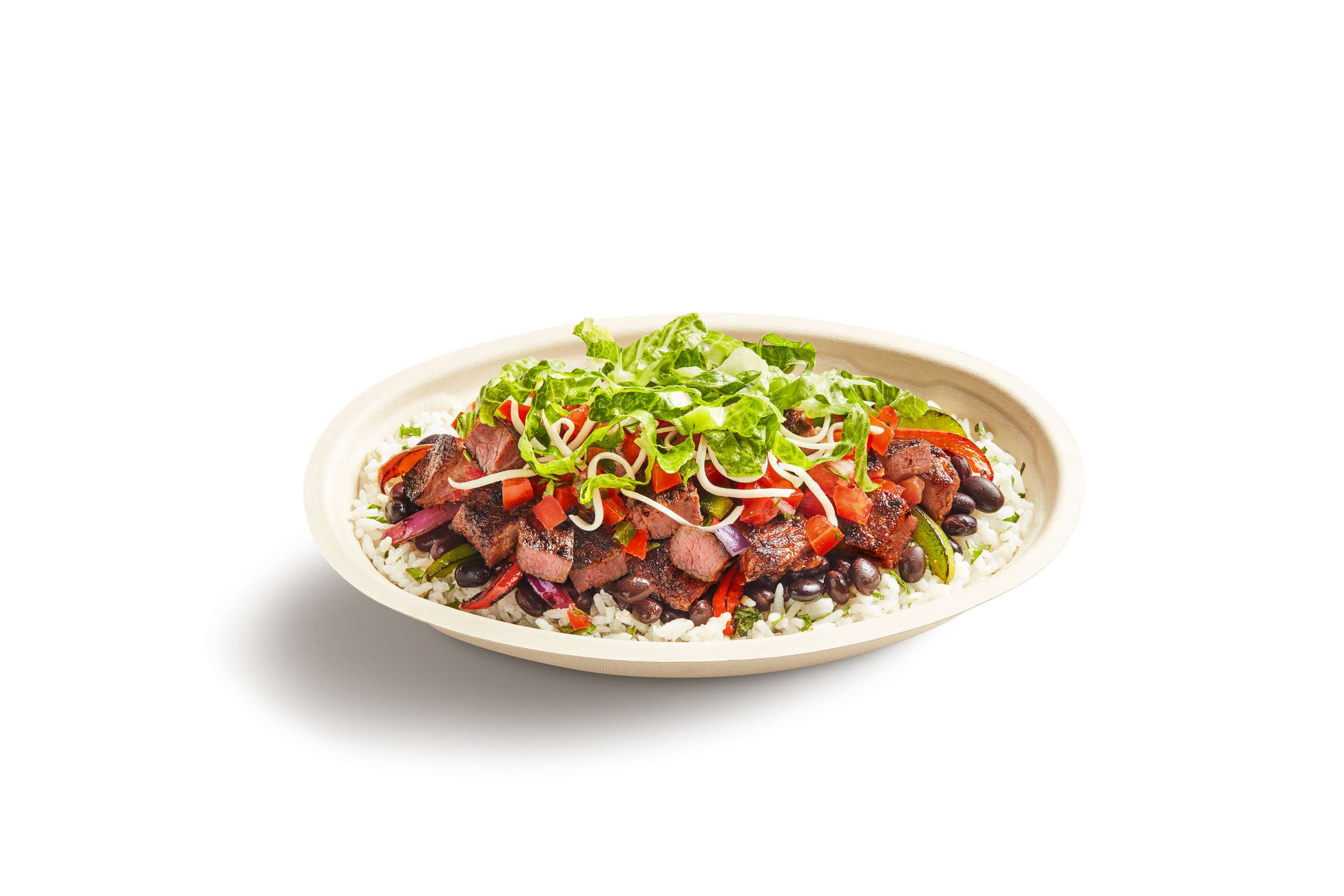
Chipotle reshapes loyalty with Rewards on Repeat, blending in-store promotions, staff incentives, and simpler redemption to boost traffic.
Apr 16, 2026
Photo by Salah Ait Mokhtar on Unsplash
A refined look at Papa Murphy’s strategy as MTY guides a cautious turnaround amid a crowded pizza landscape—digital play, local marketing, and a new Detroit-style offering.
Apr 16, 2026
Photo by Sergio Mena Ferreira on Unsplash
Mo’ Bettahs leaves Kansas City as it pivots to a PE-backed national expansion to Phoenix, Indianapolis, and Minneapolis.
Apr 16, 2026
Photo by Kate Trysh on Unsplash
Applebee’s O-M-Cheese Burger fuses spectacle with value, driving social buzz and foot traffic—a signal for the skillet-cheese moment in casual dining.
Apr 16, 2026
Photo by Diego Mattevi on Unsplash
GoTo Foods taps Misra and Lambert to harmonize digital momentum with disciplined development across seven brands, aiming for stronger guest experiences and franchisee economics.
Apr 16, 2026
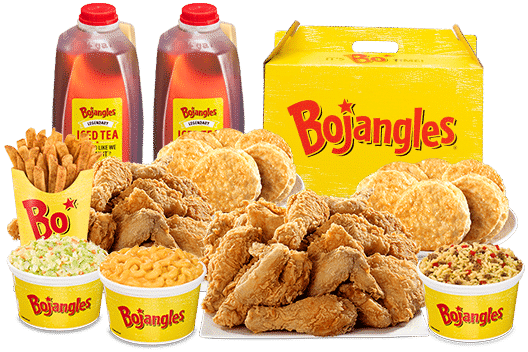
Bojangles launches Bo’s Chicken Rippers in an eight-week pilot, turning bites into a hands-on, sauce-forward experience with interactive, tear-apart slabs.
Apr 16, 2026
Photo by Jim Sosengphet on Unsplash
Popeyes teams with One Piece for a limited menu and merch drop, blending bold flavors with anime fandom to boost traffic and loyalty.
Apr 16, 2026
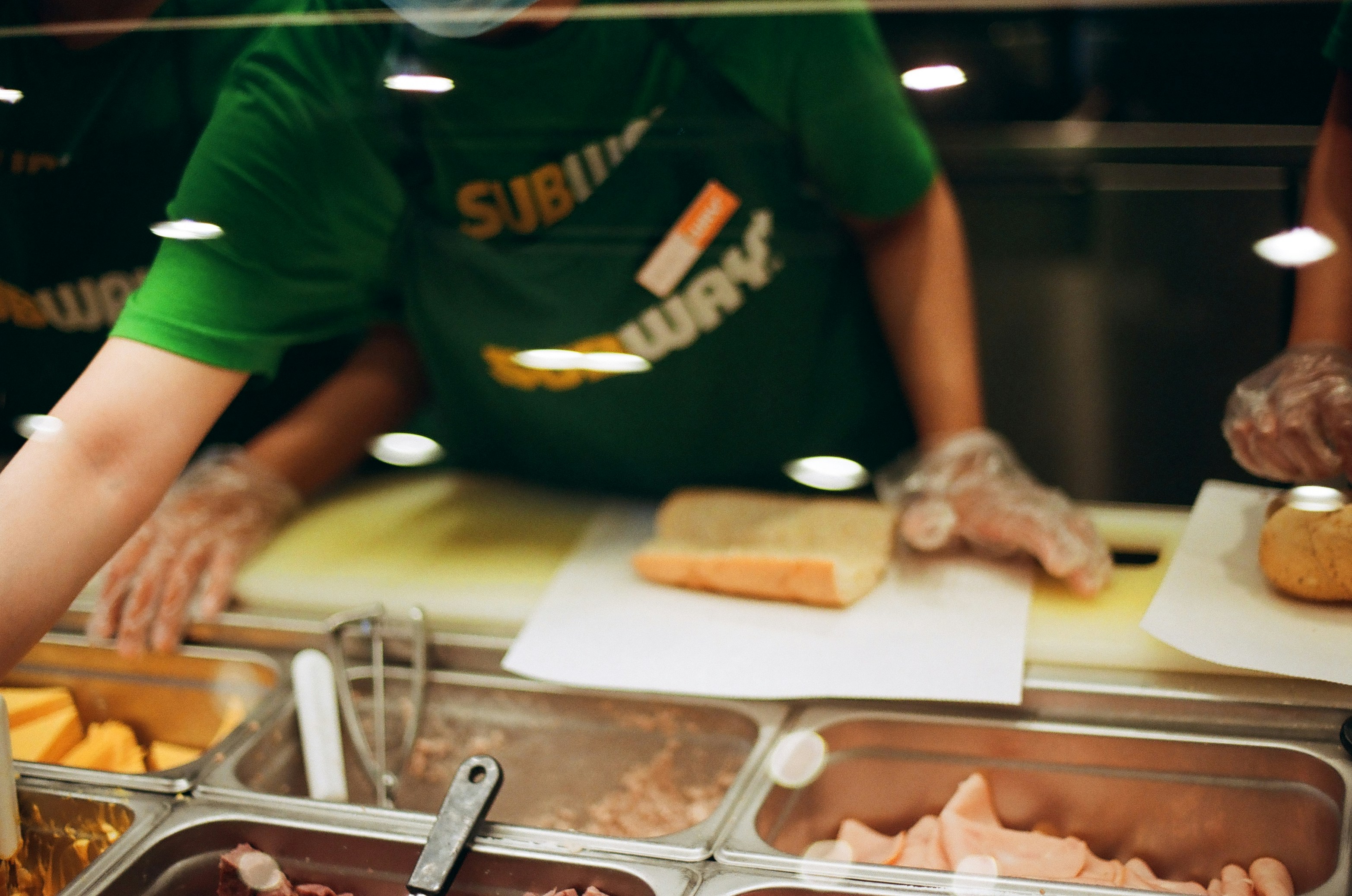
Photo by dedy kurniawan on Unsplash
A close look at Jersey Mike’s rapid expansion, leadership shift, and international push under Blackstone’s ownership.
Apr 16, 2026
Explore the recent changes in White Castle's leadership structure, its transition to non-family members in key roles, and the impact of family ownership on the company's success and innovation.
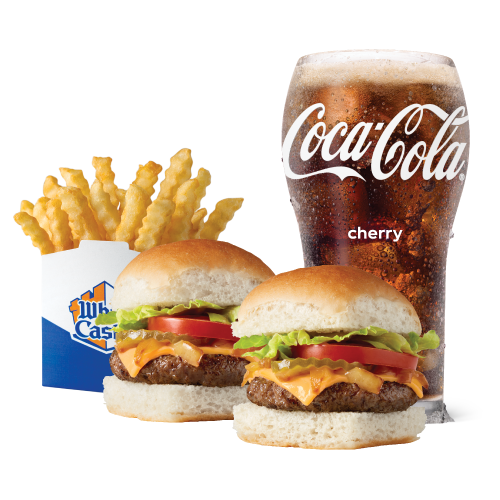
White Castle, known for its family-owned legacy, made a significant move by appointing Anthony Joseph as the first non-family member to hold the position of president. This decision marked a pivotal moment in the company's history, signaling a shift towards embracing external perspectives in leadership roles.
CEO Lisa Ingram's emphasis on long-term planning and the absence of a fifth-generation family member ready for presidency underlines the importance of succession planning in family businesses. Ingram's strategic decision to ensure an emergency succession plan reflects a commitment to safeguarding the company's future.

White Castle's history of bringing in external leadership, such as COO Jeff Carper a decade ago, demonstrates a willingness to integrate fresh perspectives into the organization. Joseph's role expansion into day-to-day operations showcases the company's openness to diversifying its leadership structure for growth.
Anthony Joseph's experience and vision for overcoming industry challenges highlight the benefits of incorporating non-family members into key roles while leveraging the company's unique brand equity. The blend of family heritage and external expertise positions White Castle to tackle market obstacles effectively.
Ingram's belief in the significance of family ownership and a non-franchise model as the core of White Castle's success emphasizes the control over customer experience and operational quality. This ownership model propels the company to maintain a distinct market position and foster deep connections with customers.
White Castle's strategic goals for 2025 revolve around expansion in key markets like Arizona and Florida, alongside a dedicated focus on innovation in loyalty programs, product offerings, and digital platforms. The introduction of the French Toast slider sandwich reflects the company's commitment to evolving its menu offerings.
In response to industry volatility, White Castle prioritizes creating a supportive work environment through enhanced benefits, updated administrative systems, and employee-centric initiatives. A strong organizational culture is essential in navigating challenges and fostering employee engagement for sustained success.

As White Castle embraces leadership evolution and innovation, the company strikes a delicate balance between its rich family heritage and the need for strategic adaptation in a competitive industry landscape. The synergy of tradition and forward-thinking initiatives positions White Castle for continued growth and relevance in the market.