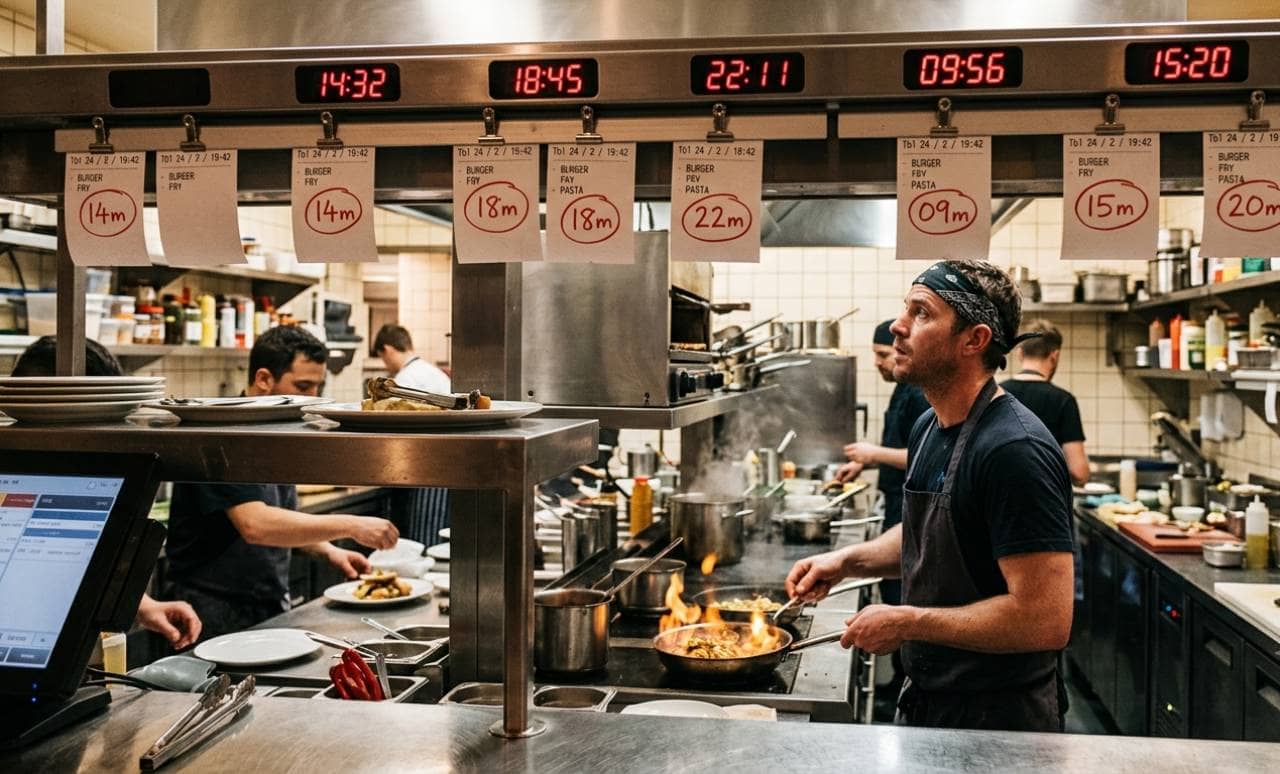
How to Reduce Restaurant Kitchen Ticket Times
Improve kitchen ticket times with practical strategies for better preparation, smoother workflows, stronger communication, smarter staffing, and effective restaurant technology.
back office
Jul 27, 2026
Improve kitchen ticket times with practical strategies for better preparation, smoother workflows, stronger communication, smarter staffing, and effective restaurant technology.
Jul 27, 2026
Noodles & Company achieves historic sales growth and operational turnaround in 2026, sharing critical lessons for restaurant owners on boosting traffic, innovation, and team culture.
Jul 27, 2026

Learn how restaurant owners can manage payroll accurately, track labor costs, reduce errors, maintain compliance, and improve workforce profitability efficiently.
Jul 27, 2026

Veteran restaurant executive David Deno assumes the helm at Cracker Barrel, signaling a pivotal moment for the brand’s revitalization. Learn what this means for operators, staff, and industry leaders.
Jul 27, 2026
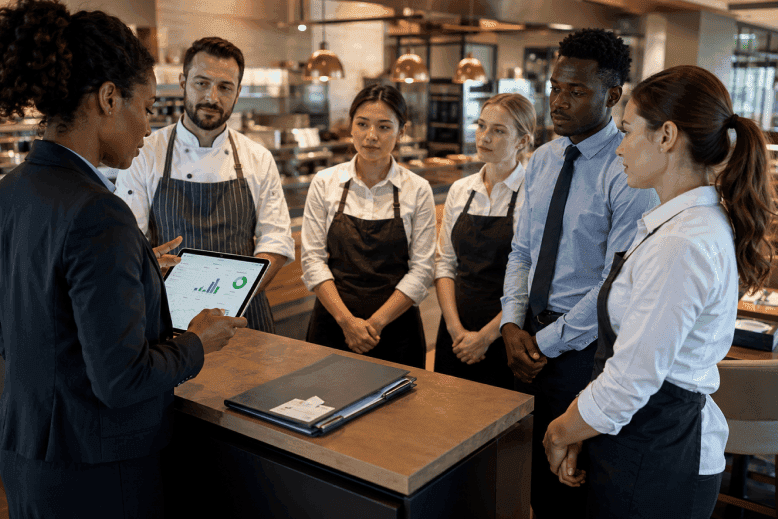
Stay compliant with key restaurant labor regulations in Summer 2026, including minimum wage increases, scheduling laws, and retirement requirements.
Jul 24, 2026
Cicis Pizza’s systemwide sales have surged over 50%, fueled by digital innovation, modern operations, and a revamped franchise strategy. Learn what restaurant owners can take away from Cicis’ transformation.
Jul 24, 2026
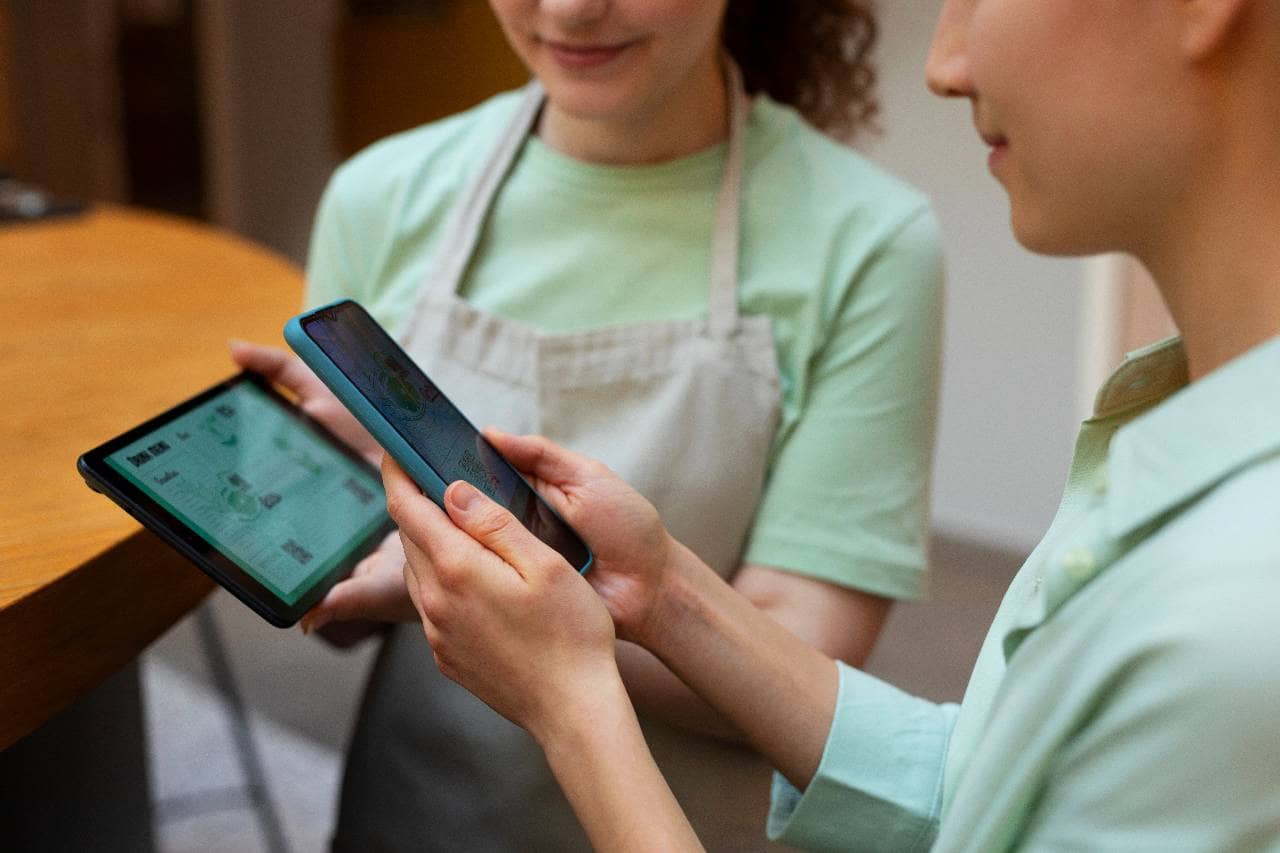
Discover how restaurant apps help owners manage labor, payroll, inventory, food safety, reporting, and back-office operations more efficiently every day.
Jul 24, 2026
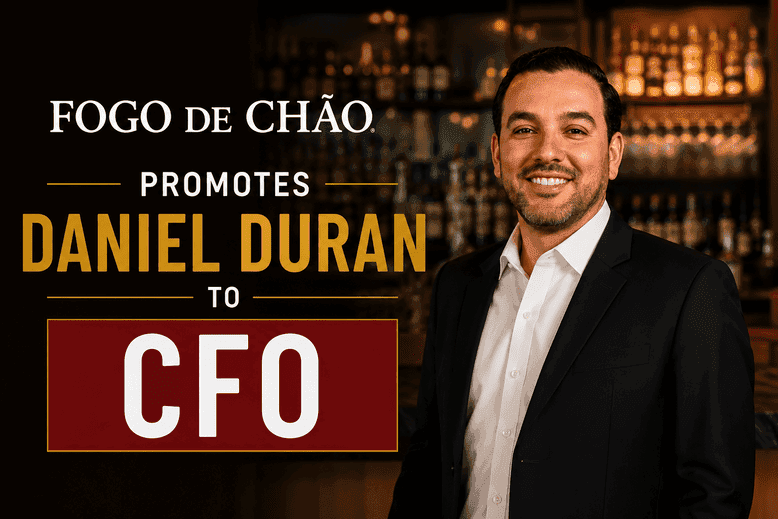
Fogo de Chão has announced Daniel Duran as its new CFO, marking a strategic leadership transition designed to enhance global growth and financial innovation for the renowned restaurant brand.
Jul 24, 2026

Learn how to calculate, benchmark, track, and improve restaurant payroll percentage while balancing staffing costs, sales, service, and profitability effectively.
Jul 24, 2026
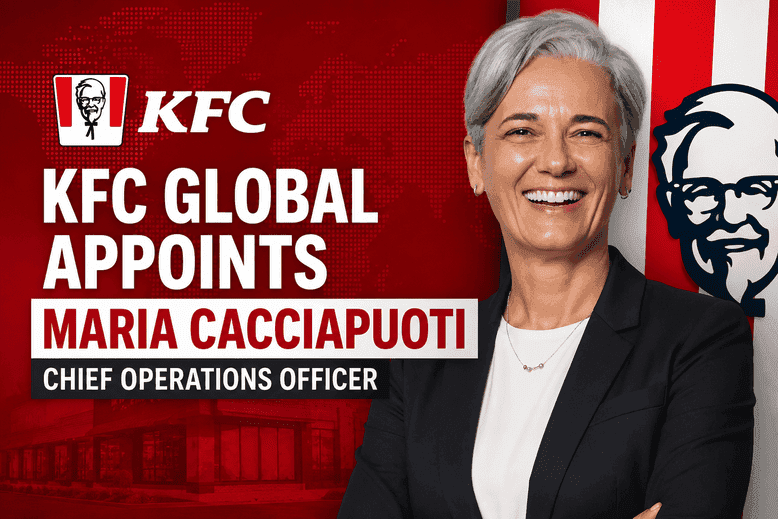
KFC Global has selected experienced leader Maria Cacciapuoti as its new Chief Operations Officer. Discover how her extensive expertise will help shape KFC’s global operations and franchise partnerships.
Jul 23, 2026
Discover the leading reasons restaurants fail and how smarter decisions around menu, culture, marketing, and profitability can reduce risk.

The restaurant industry is one of the most competitive and unforgiving businesses you can enter. A commonly cited statistic is that nearly 70% of restaurants fail within their first five years, and while the exact number can vary by market, the underlying reality does not change - most restaurants struggle to survive long-term. This is not because owners lack passion or effort. In fact, many restaurant operators work harder than almost any other industry. The challenge is that effort alone does not offset structural issues, poor strategy, or misaligned decisions. Restaurants operate on tight margins, high labor demands, and constant operational pressure. Small mistakes compound quickly, and without the right systems in place, they become difficult to recover from. Most new restaurant owners focus on two things - food quality and location. While both are important, they are not enough to guarantee success. There are countless examples of restaurants with great food that still fail. There are also well-located restaurants in high-traffic areas that struggle to stay profitable. The reason is simple - success in the restaurant industry is not just about what you serve or where you are located, but how the entire business operates. Customers today have more choices than ever. Competition is not just across the street - it is across delivery apps, social media, and search engines. If your business lacks clarity, consistency, and strategy, even strong fundamentals like good food can get lost in the noise.
One of the most common - and most overlooked - reasons restaurants fail is a lack of clear branding. Branding is not your logo or color scheme. It is the set of expectations customers have before they walk in and the story they experience once they do. When branding is unclear, customers feel it immediately. They may not be able to explain it, but something feels off. The restaurant does not stand for anything specific, and as a result, it becomes forgettable. A strong brand answers simple but critical questions - - What type of experience are you offering? - Who is this restaurant for? - Why should someone choose you over alternatives? If those answers are not obvious within seconds, you already have a problem. Identifying Your Ideal Customer A major mistake restaurant owners make is trying to appeal to everyone. In reality, if you try to serve everyone, you end up resonating with no one. You need to define a clear target customer - - Families looking for casual, reliable meals - Young professionals seeking trendy, social dining - Value-driven customers focused on price - Niche audiences looking for specific cuisines or experiences Each of these groups expects something different - from pricing and menu design to service style and atmosphere. Without a defined audience, your decisions become inconsistent, and your operation starts to drift. Clarity here drives everything else- menu, pricing, marketing, hiring, and even layout decisions. Consistency Across Touch-points Once your brand is defined, the next step is consistency. This is where many restaurants break down. Every customer interaction should reinforce the same story - 1. Dining room - Does the design match your concept? 2. Music and ambiance - Does it align with your target audience? 3. Menu language - Is it casual, premium, fast-paced, or chef-driven? 4. Website and online presence - Does it reflect the in-store experience? 5. Staff behavior - Do they deliver the type of service your brand promises? If one part feels disconnected - such as a premium-priced menu with casual, untrained service - you create confusion. Confused customers rarely return. Clear branding creates recognition. Recognition builds trust. And trust is what drives repeat business, which is the foundation of long-term restaurant success.
Many restaurants fail not because the food is bad, but because the concept does not match what the local market actually wants. This is a menu-market fit problem. Menu-market fit means your offerings align with - - What customers in your area are actively looking for - What they are willing to pay for - What they already understand and feel comfortable ordering If your concept is too far outside of those expectations, you create friction. Customers hesitate, delay decisions, or avoid trying your restaurant altogether. A strong concept meets demand where it already exists while still giving you room to differentiate. Using Data to Validate Demand Relying on instinct alone is risky. Successful operators validate their concept with data before committing. You can use simple tools to understand demand - - Search trends for cuisines or dishes in your area - Delivery app data showing popular categories - Competitor density and performance - Sales patterns from nearby restaurants For example, if customers are consistently searching for "burgers," "pizza," or "Mediterranean food," that signals existing demand. If your concept aligns with those searches, you reduce the risk of low traffic. Without this validation, you are guessing - and in this industry, guessing is expensive. Positioning vs. Education One of the biggest challenges is deciding whether to meet demand or try to create it. - Positioning means aligning with what customers already know (e.g., "Mexican food") - Education means introducing something unfamiliar (e.g., a regional or niche cuisine) Education is significantly harder. It requires - - More marketing spend - Clear messaging - Time to build awareness - Staff trained to explain the concept Most restaurants do not have the margin or runway to educate a market at scale. This does not mean you cannot be unique. It means your uniqueness should be accessible. You can introduce new elements, but the core of your menu should still feel familiar enough that customers understand it instantly. When menu-market fit is strong, customers recognize what you offer, feel confident ordering, and return more often. Without it, even great food struggles to gain traction.
A restaurant can stay busy and still lose money. This is one of the most dangerous realities in the industry. Sales alone do not protect profitability if the menu is poorly structured and costs are not controlled. That is why improper menu planning and unmanaged prime costs are one of the fastest ways a restaurant gets into trouble. 1. Understand the Math Behind Prime Cost Prime cost is the combined total of your food cost and labor cost, and it is one of the most important numbers in restaurant operations. In most cases, operators should aim to keep prime cost at 60% of sales or lower. Once it rises too far above that level, margin disappears quickly. This matters because food and labor are the two biggest controllable costs in the business. Rent is harder to change. Utilities are harder to predict. But menu pricing, portion size, prep methods, scheduling, and product mix all affect prime cost directly. If owners are not tracking this number weekly, they are operating with limited visibility. A restaurant may look busy on the surface, but if prime cost is too high, that volume can actually accelerate losses instead of improving the business. 2. Price Items With Clear Cost Logic A common guideline in restaurant pricing is the 3X rule. If a dish costs $4 in raw ingredients, it often needs to be priced near $12 to support labor, overhead, and profit. That is not a perfect rule for every concept, but it gives operators a simple way to think about margin. The mistake many restaurants make is pricing based on what feels reasonable instead of what the math supports. That creates underpriced menu items that sell well but do little to strengthen the business. Every menu item should be reviewed through a practical lens - - What is the ingredient cost? - What is the labor required to prepare it? - Does the price leave enough room for profit? - Is the item pulling its weight on the menu? If the answer is no, the item needs to be repriced, reworked, or removed. 3. Use High-Margin Items to Protect Profitability Not every menu item will carry the same margin. Some entrees, especially protein-heavy dishes, are naturally more expensive. That is why smart restaurants build profit through high-margin add-ons such as - - Drinks - Appetizers - Sides - Desserts - Up-charges and modifiers These items help offset tighter-margin entrees and improve the average check without requiring a full menu overhaul. This is where strategic upselling matters. A restaurant that sells a profitable drink and side with each entree is in a much stronger position than one relying only on the entree itself to carry the margin. 4. Avoid Menus That Are Too Large Large menus often create more problems than they solve. Owners may think more variety means more appeal, but in practice, oversized menus usually lead to - - Higher inventory complexity - More spoilage - Slower execution - Inconsistent food quality - More training difficulty for staff A focused menu is easier to control, easier to execute, and usually more profitable. It also makes your concept clearer to guests. When the menu becomes too broad, the kitchen becomes harder to manage and the brand becomes less defined. Strong menu planning is not about offering the most items. It is about offering the right items, pricing them correctly, and making sure they support both guest demand and financial health.
Many restaurant owners assume that once a guest has visited, the hard part is done. It is not. In a crowded market, the real challenge is staying visible after that first visit. People are constantly choosing between competitors, delivery apps, promotions, and whatever is easiest in the moment. If your restaurant is not staying top of mind, you are leaving repeat business to chance. 1. Good Restaurants Still Get Forgotten Even satisfied guests do not automatically come back on their own schedule. Life gets busy, routines change, and people default to what they remember first. That means a restaurant can deliver a good experience and still lose future visits simply because it did not stay present in the customer's mind. This is where many operators fall short. They focus heavily on opening, service, and food quality, but they do not build a system to maintain visibility after the visit. As a result, customer traffic becomes inconsistent and overly dependent on walk-ins or random demand. 2. Active Marketing Is No Longer Optional Restaurant marketing is not just about attracting new guests. It is also about reminding previous guests that you exist, that you are relevant, and that there is a reason to return. That does not require complicated campaigns. What it does require is consistency. Simple examples include - - Weekly specials - Limited-time menu features - Event nights - Seasonal offers - Reminder messages before weekends or slower periods These touch-points keep your brand in rotation. Without them, customers are more likely to drift toward the restaurants that are communicating more often. 3. Automation Makes Consistency Possible Most operators are too busy to manually manage outreach every week. That is why automation matters. Email and text message marketing allow restaurants to stay in front of customers without adding constant manual work. Instead of relying on memory or last-minute effort, you can build repeatable communication that runs on schedule. For example - - A weekly email featuring specials - A text message promoting a limited-time offer - A reminder sent before a traditionally slow day - A follow-up message after a guest visit The goal is not to overwhelm people. The goal is to remain visible in a useful and timely way. 4. Relevance Matters More Than Volume The most effective communication is not generic. It is relevant. If someone regularly orders lunch, send lunch-focused offers. If a guest tends to buy family meals, send promotions tied to larger orders. If they have not visited in a while, send a win-back message. This kind of targeting feels more personal and less intrusive. Restaurants often worry that outreach will feel too pushy, but irrelevant outreach is the real problem. Well-timed, relevant communication is usually welcomed because it helps people make a decision they were already likely to make. Staying top of mind is not about shouting louder. It is about showing up consistently, using automation wisely, and giving customers a reason to think of you first when they are ready to order.
Many restaurants spend too much time chasing new customers and not enough time strengthening the relationships that already drive their profits. That is a costly mistake. In most restaurants, a relatively small group of loyal guests accounts for a disproportionate share of sales. If you neglect those regulars, you put your most reliable revenue at risk. 1. Understand the Value of Your Best Guests The 80/20 rule is especially relevant in restaurants. In many cases, the top 20% of guests generate 80% of profits. These are the people who visit often, spend consistently, bring friends or family, and recommend your restaurant to others. That means regulars are not just repeat customers. They are a core business asset. The problem is that many operators do not treat them that way. They recognize traffic in general, but they do not build systems or habits around guest retention. As a result, valuable relationships stay passive instead of becoming stronger over time. 2. Make Hospitality Feel Personal Loyalty grows when guests feel known, appreciated, and comfortable. That does not require expensive rewards or complicated programs. It often comes down to simple, personal hospitality. Strong ways to build this include - - Greeting regulars by name - Remembering their usual order or preferences - Having the owner or manager introduce themselves - Offering a free sample or small surprise occasionally - Asking for feedback in a sincere way These actions matter because they turn a transaction into a relationship. When guests feel personally connected to a place, they are less likely to switch based only on price or convenience. 3. Ask for Feedback Before the Relationship Breaks Many restaurants only hear from regulars when something has already gone wrong. That is too late. A better approach is to invite feedback consistently while the relationship is still healthy. Ask what guests enjoy most, what could improve, and whether there is anything they wish the restaurant did better. This helps you catch problems early and signals that their opinion matters. Guests who feel heard are often more forgiving when mistakes happen, because they believe the business actually cares. 4. Handle Criticism Without Defensiveness When a loyal customer has a bad experience, your response matters as much as the issue itself. Getting defensive, making excuses, or shifting blame can damage trust quickly. The better response is simple - - Apologize clearly - Acknowledge the problem - Fix what you can - Thank them for speaking up Most customers do not expect perfection. They expect professionalism. A sincere response can often preserve the relationship, while a defensive one can end it. Restaurants grow stronger when they stop viewing regulars as routine traffic and start treating them as the foundation of long-term stability.
For many restaurants, the first guest experience does not happen at the host stand. It happens online. Before someone decides to visit, place an order, or recommend your business, they often check your website first. That makes your online presence a direct part of your sales process, not a secondary marketing asset. 1. Your Website Is Your Digital Front Door A large share of customers now research a restaurant online before ever stepping inside. They want fast answers to basic questions - - What kind of food do you serve? - What does the restaurant look like? - Where are you located? - How expensive is it? - Is this a place I want to try? If your website does not answer those questions quickly, visitors leave. And when they leave, they often choose another restaurant that made the decision easier. This is why a weak website creates real revenue loss. It adds friction at the exact moment a potential guest is trying to make a buying decision. 2. Start With a Strong Hero Section The top of your homepage has one job - make the restaurant immediately understandable. A strong hero section should include - - A clear statement of what makes your restaurant special - High-quality photography that reflects the real experience - A simple call to action such as order online, reserve a table, or view the menu This matters because visitors make quick judgments. If the homepage is vague, cluttered, outdated, or visually weak, confidence drops immediately. 3. Show What People Actually Want to See Many restaurant websites bury the most important information or fill the page with generic language. That is a mistake. What visitors usually want most is - - Your most popular dishes - Quality photos of the food - Reviews or customer feedback - Key details like hours, address, and ordering options Featuring popular menu items helps guests picture their experience. Reviews build confidence. Clear operational details remove hesitation. All of this increases the chance that a visitor becomes a paying customer. 4. Improve Conversion, Not Just Appearance A website should not just look nice. It should convert traffic into action. That means helping visitors do something specific - - Place an order - Make a reservation - Call the restaurant - Get directions - Join your email or text list Many restaurant websites perform poorly because they are treated like digital brochures instead of sales tools. Even small improvements in clarity, layout, speed, and call-to-action placement can dramatically improve conversion. A poor online first impression does not just hurt branding. It reduces traffic, weakens trust, and sends ready-to-buy customers somewhere else.
A restaurant can have a strong concept, a solid menu, and steady demand, but if it cannot build and keep a dependable team, the business becomes unstable. High staff turnover is expensive, disruptive, and often a sign of deeper leadership problems. In many restaurants, culture is treated as secondary. In reality, it is one of the biggest drivers of long-term performance. 1. The Owner Must Act as the Chief Recruiter One of the most important jobs of a restaurant owner is not just managing operations. It is building the team that runs them. Too many operators treat hiring as a reactive task. Someone quits, a shift opens up, and the goal becomes filling the position as quickly as possible. That approach creates a cycle of weak hiring decisions, poor fit, and repeated turnover. Strong owners think differently. They treat themselves as the business's lead recruiter. They are always looking for people who can strengthen the team, protect the guest experience, and grow with the company. 2. Hire for Culture, Not Just Availability A common mistake is hiring based only on who is available, who has prior experience, or who can start immediately. While those factors matter, they should not outweigh culture fit. In a restaurant environment, qualities like these often matter more - - Kindness - Reliability - Optimism - Coachability - Work ethic - Ability to work well with others Skills can be taught more easily than attitude. A technically capable employee who damages morale can cost more than an inexperienced employee who brings the right mindset and learns quickly. 3. Give People a Reason to Stay Retention improves when employees can see a future with your business. If the job feels temporary, directionless, or thankless, turnover rises. Restaurant owners need to create a work environment where people feel that effort leads somewhere. That can include - - Clear training and development paths - Opportunities for advancement - Recognition for strong performance - More responsibility over time - Honest communication about goals and expectations This is especially important when hiring younger employees or early-career team members. Many of them are not just looking for hours. They are looking for growth, structure, and a reason to care. 4. Build Ownership Through Transparency and Vision Culture gets stronger when employees understand how the business works and where it is going. When owners keep everything hidden, team members often feel disconnected from results. When they share more openly, engagement tends to improve. That does not mean exposing every financial detail. It means helping staff understand - - What the business is trying to achieve - Why certain standards matter - How performance affects results - Where they fit into the bigger picture People are more likely to stay committed when they feel part of something meaningful. A restaurant with a clear vision and a people-first culture is far more likely to retain talent than one built on stress, confusion, and constant replacement. High turnover is not just a staffing issue. It is a business performance issue. The restaurants that last are usually the ones that take culture seriously early, not after the damage has already been done.
