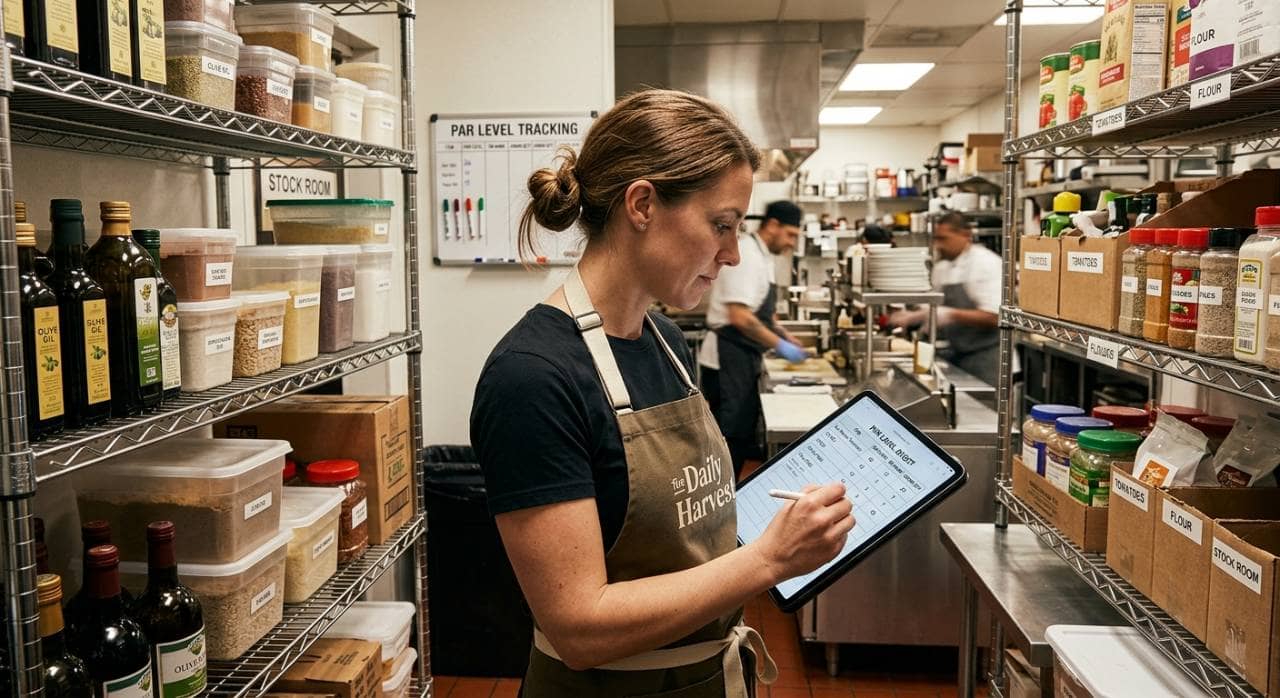
How to Set Par Levels for Restaurant Inventory
Learn to calculate par levels for restaurant food, beverages, and packaging inventory, preventing stockouts and waste through proper formulas.
Back Office
Sep 4, 2026
Learn to calculate par levels for restaurant food, beverages, and packaging inventory, preventing stockouts and waste through proper formulas.
Sep 4, 2026
Caribou Coffee appoints Zane Thomas-Rogers as Chief Operations Officer to strengthen execution across its expanding coffeehouse network.
Sep 4, 2026

Compare the top 10 restaurant POS systems in the USA for 2026. Explore features, pricing, pros, cons, and the best POS options for every restaurant type.
Jul 1, 2026

Learn how to handle restaurant payroll yourself, from calculating hours and wages to managing tips, taxes, and final paychecks.
Sep 2, 2026
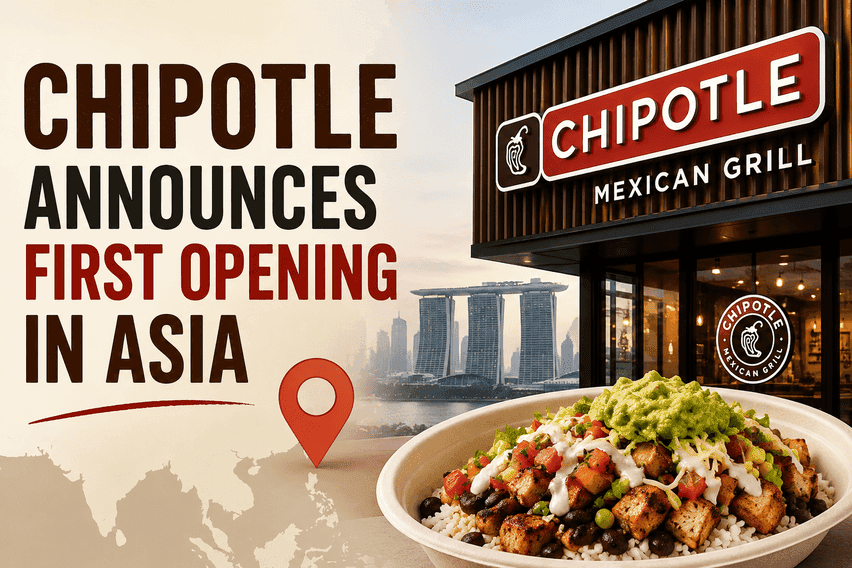
Chipotle makes its highly anticipated entry into Asia with a Seoul opening, partnering with Sangmidang Holdings and setting a template for future international growth.
Sep 2, 2026
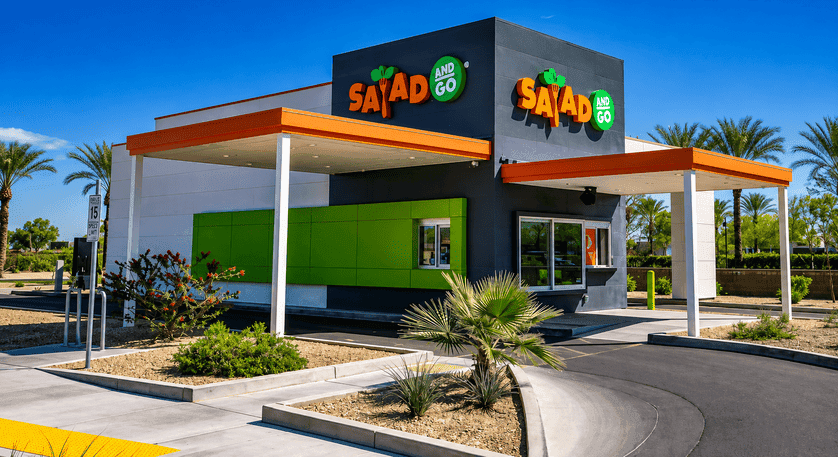
7 Brew has acquired 73 former Salad and Go locations, surpassing Dutch Bros with a $143M bid, signaling a major shift in the competitive landscape for drive-thru brands.
Sep 2, 2026

Restaurant labor management helps owners optimize staffing, control labor costs, improve productivity, monitor overtime, and maintain efficient restaurant operations.
Sep 2, 2026
Brooklyn Water Bagel launches its first campus eatery at Nova Southeastern, signaling strategic growth and fresh potential for multi-unit operators seeking new market wins.
Sep 2, 2026
Angry Chickz enters Illinois with its signature hot chicken concept and ambitious plans for Midwest expansion, setting the stage for new franchise opportunities and community engagement.
Sep 2, 2026
Learn how to calculate restaurant cost of goods using inventory, purchases, COGS percentage, variance reviews, and regular tracking for profitability.
Aug 31, 2026

Unlock Exclusive Access To Webinars, Events, And The Latest News For Free!
Smart food business ideas improve profitability by reducing waste, managing labor, controlling rent, and keeping menus simple.

Restaurant ownership is often seen as a high-reward business, but the reality is far more constrained. Most restaurants operate on tight margins, typically between 5% and 10%, leaving little room for error. Rising food costs, increasing labor expenses, and unpredictable rent structures continue to pressure profitability. For many operators, even small inefficiencies can quickly erase already thin profits. This is why choosing the right concept is not just a creative decision - it is a financial one. While traditional full-service restaurants struggle to maintain consistent margins, certain food business ideas are structured differently. These models are designed to produce 20% to 35% take-home margins, not by chance, but through operational simplicity, cost control, and scalability. At the core of this difference are three variables every restaurant owner must manage closely - 1. Cost of Goods Sold (COGS) - The percentage of revenue spent on ingredients and materials 2. Labor Costs - Wages, scheduling efficiency, and staffing requirements 3. Rent - The cost of physical space relative to revenue generated High-margin concepts succeed because they are built to control these three factors from the start. They rely on low-cost ingredients, streamlined menus, efficient workflows, and often smaller footprints that reduce overhead. For restaurant owners and aspiring entrepreneurs, this shifts the focus. Success is not just about offering great food - it is about building a business model that consistently protects profit. The goal of this article is to break down food business ideas that align with that goal and show how they outperform traditional models when it comes to profitability.
Not all restaurant concepts are built the same. Some are designed around experience, variety, and customization - which often increases complexity and cost. Others are built with efficiency and margin protection at the core. The difference comes down to how well the business controls its cost structure while maintaining consistent demand. For restaurant owners evaluating food business ideas, high-margin models tend to share a few clear operational characteristics - 1. Low Cost of Goods Sold (COGS) High-margin concepts rely on ingredients that are inexpensive, stable in price, and easy to portion. Staples like flour, sugar, tea, and basic proteins allow operators to maintain strong margins even as pricing fluctuates. The lower the ingredient cost relative to the selling price, the more room there is for profit. 2. Simplified Menus and Repeatable Processes Complex menus increase prep time, training requirements, and waste. High-margin models focus on a narrow, standardized menu where items are prepared using consistent formulas. This reduces errors, speeds up service, and minimizes dependency on highly skilled labor. 3. Smaller Footprint and Lower Rent Pressure Many profitable concepts operate in compact spaces. Less square footage means lower rent and utilities, which directly improves margin. Models like beverage shops or takeout-focused concepts don't require large dining areas to generate strong revenue. 4. Faster Service and Higher Turnover Speed is a major advantage. Whether it's quick dine-in or grab-and-go, faster service allows more transactions per hour. This is especially important for concepts with lower ticket prices, where volume drives profitability. 5. Reduced Labor Complexity Labor is one of the most volatile costs in the industry. High-margin concepts are designed to operate with fewer employees and simpler training. When tasks are standardized and easy to execute, scheduling becomes more predictable and efficient. 6. Strong Demand With Clear Positioning High-margin concepts typically serve products with proven, consistent demand. They are easy for customers to understand and purchase quickly, without requiring long decision-making processes. In practical terms, the most successful food business ideas are not necessarily the most innovative - they are the most controlled. They limit variability, reduce operational friction, and create a system where revenue can scale without costs increasing at the same rate.

Among modern food business ideas, bubble tea shops stand out for their ability to generate strong margins through simplicity and volume. The model is built around low ingredient costs, fast service, and repeatable preparation, making it one of the most efficient concepts to operate. From a financial standpoint, bubble tea shops benefit from exceptionally low COGS, typically between 10% and 15%. Core ingredients like tea, milk powders, syrups, and tapioca pearls are inexpensive and have relatively stable pricing. When paired with premium pricing on finished drinks, this creates a strong margin structure. Operationally, the model is designed for efficiency - 1. Small Footprint, Lower Rent Bubble tea shops do not require large kitchens or dining areas. Many operate successfully in compact spaces, kiosks, or high-traffic retail locations, which helps reduce rent and overhead costs. 2. Minimal Equipment Investment Compared to full-service restaurants, the equipment required is limited - primarily sealing machines, shakers, and refrigeration. This lowers both startup costs and ongoing maintenance expenses. 3. Formula-Based Preparation Drinks are made using standardized recipes. This allows for - - Faster training - Consistent product quality - Reduced reliance on highly skilled labor 4. High Transaction Volume Because the average ticket is relatively low, profitability depends on volume. The model works best in locations with steady foot traffic where speed and convenience drive repeat purchases. However, this model is not without challenges - Low Average Ticket Size - Operators must maintain high daily transaction counts to hit revenue targets High Competition - The barrier to entry is relatively low, which leads to crowded markets in many areas Trend Sensitivity - Customer preferences can shift quickly, requiring menu updates and marketing adjustments Bubble tea shops succeed not because of complexity, but because of control. They are built to maximize margin through low costs and high throughput - making them one of the most scalable food business ideas when executed in the right location.
Ice cream shops are one of the most familiar food business ideas, but their profitability depends on more than customer demand. The model can work well because it combines broad appeal, simple production, and manageable ingredient costs. However, owners must plan carefully for seasonality and equipment investment. From a cost perspective, ice cream shops typically have COGS between 20% and 25%. This is higher than bubble tea, but still strong compared to many full-service restaurant models. Ingredients can be purchased in bulk, flavors can be batched consistently, and portion sizes can be controlled with clear serving standards. The biggest advantages include - 1. Easy Quality Control Ice cream can be produced or prepared using standardized batches and formulas. This helps maintain consistency across shifts and reduces the risk of product variation. 2. Broad Customer Appeal Ice cream has strong demand across age groups. Families, students, tourists, and casual customers all understand the product, which makes it easier to market. 3. Strong Peak-Season Sales Warm weather, weekends, holidays, and high-foot-traffic areas can drive strong sales volume. A well-located ice cream shop can generate significant revenue during peak periods. The main challenge is seasonality. Sales may drop during colder months, which can pressure cash flow if rent and labor costs remain fixed. Specialized equipment, such as freezers and batch machines, can also increase startup costs. To reduce this risk, owners can add complementary items such as - - Coffee - Hot chocolate - Warm desserts - Waffles - Baked goods - Seasonal beverages For restaurant owners, the key is to treat an ice cream shop as a year-round business, not just a summer concept. With the right menu mix, controlled portions, and smart location strategy, it can be one of the more practical food business ideas for strong margins and steady customer demand.
Ramen joints are one of the stronger food business ideas because they combine a higher average ticket with fast customer turnover. Unlike snack or beverage concepts, ramen can support meal-level pricing while still operating in a relatively compact space. From a financial standpoint, ramen shops often operate with COGS between 15% and 20%. Broth, noodles, eggs, vegetables, and base toppings can be produced in batches, which helps control cost and maintain consistency. While proteins and specialty ingredients can raise food costs, a well-designed menu can keep margins strong. The main advantages include - 1. Higher Average Ticket Customers are usually buying a full meal, not just a drink or dessert. This allows the business to generate more revenue per order. 2. Fast Table Turnover Ramen is often served in a quick, casual dining format. Guests typically eat and leave faster than they would in a traditional full-service restaurant. 3. Strong Revenue Per Square Foot Because ramen shops can work in smaller spaces with limited seating, they can generate solid sales without needing a large dining room. 4. Batch-Based Preparation Many core items, such as broth and noodles, can be prepared in advance. This supports faster service during peak hours. However, ramen joints also come with challenges. They require more skill than a drink or dessert shop, especially when managing broth quality, cooking times, and kitchen flow. Startup costs may also be higher because the concept needs proper cooking equipment, ventilation, refrigeration, and prep space. For restaurant owners, ramen can be a profitable model when the operation stays focused. A smaller menu, standardized recipes, controlled portions, and efficient seating can help protect margins. The goal is to deliver a high-value meal quickly without creating the labor and overhead burden of a larger full-service restaurant.
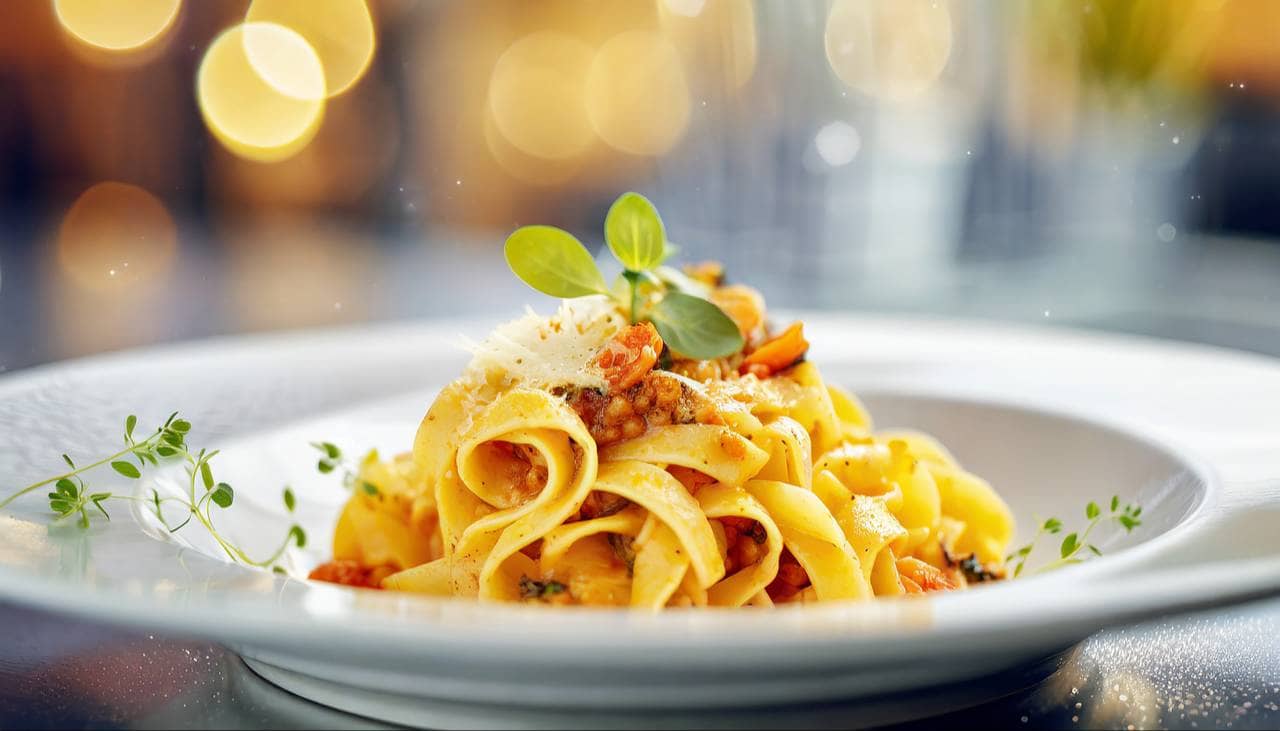
Pasta concepts remain one of the most reliable food business ideas because they combine low ingredient costs with the ability to charge meal-level prices. At their core, pasta dishes are built on inexpensive staples like flour, water, eggs, and basic sauces - yet they are positioned as full, satisfying meals that customers are willing to pay more for. From a cost perspective, pasta places typically operate with COGS between 15% and 20%. This creates strong margin potential when portioning, recipes, and ingredient sourcing are controlled effectively. The main advantages include - 1. Low-Cost Core Ingredients Pasta dough and sauces rely on affordable, widely available ingredients. This allows operators to maintain consistent margins even when some input costs fluctuate. 2. Higher Average Ticket Unlike dessert or beverage concepts, pasta is a full meal. Customers expect to pay more, which increases revenue per transaction and reduces reliance on high volume. 3. Flexible Menu Pricing Simple dishes can be positioned as premium through presentation, portion size, and add-ons like proteins or specialty sauces. 4. Strong, Consistent Demand Pasta is a staple across many customer segments. It is familiar, filling, and adaptable to different tastes, which helps maintain steady traffic. However, pasta places come with more operational complexity - Full Kitchen Requirement - You need a complete commercial kitchen, which increases startup and operating costs Higher Labor Skill Level - Cooking pasta correctly, managing timing, and preparing sauces requires trained kitchen staff More Equipment and Space - Compared to beverage or dessert models, the footprint and infrastructure needs are larger For restaurant owners, the key to making a pasta concept profitable is control. Limit menu size, standardize recipes, and design the kitchen for efficiency. When executed properly, pasta places offer a strong balance between cost control and revenue potential, making them one of the more stable and scalable food business ideas available.
Pizza remains one of the most proven food business ideas because it combines strong demand, operational scalability, and solid margin potential. It is a category that works across dine-in, takeout, and delivery, making it highly adaptable to different locations and customer behaviors. From a financial standpoint, pizza shops can operate with COGS as low as 10% to 15%, especially when menus are structured carefully. Core ingredients like dough, sauce, and cheese are relatively inexpensive, and portion control can be standardized. However, margins can fluctuate depending on the use of premium toppings and specialty items. The main advantages include - 1. High Demand Across Markets Pizza has broad appeal and consistent demand. It works for individuals, families, group orders, and late-night traffic, which helps stabilize sales throughout the week. 2. Strong Takeout and Delivery Model Unlike many restaurant concepts, pizza is built for off-premise dining. This allows operators to generate revenue without relying heavily on dining room space. 3. Scalable Training and Operations Compared to more complex cuisines, pizza preparation is easier to standardize. Staff can be trained quickly, and processes can be repeated consistently across shifts or locations. 4. Efficient Production Flow Dough can be prepped in batches, and assembly lines can be set up for speed. This allows high order volume during peak hours without significantly increasing labor. However, there are important challenges to consider - High Initial Equipment Costs - Commercial ovens, ventilation systems, and prep areas require upfront investment Ingredient Cost Sensitivity - Cheese, meats, and specialty toppings can impact margins if not controlled Competitive Market - Pizza is a crowded category, requiring clear positioning and operational discipline For restaurant owners, success in a pizza concept comes down to structure. Keep the menu focused, control topping costs, optimize production flow, and leverage takeout and delivery channels. When managed correctly, pizza shops can deliver consistent volume and strong margins, making them one of the most durable food business ideas in the industry.
Across all the concepts discussed, one pattern is clear - high-margin food business ideas are not built on complexity - they are built on control. The most profitable operators focus less on expanding menus and more on tightening systems that protect margins every day. To apply these insights in a practical way, restaurant owners should focus on the following - 1. Control COGS From Day One - Use ingredients that are affordable, stable in price, and easy to portion - Limit menu items that require expensive or volatile ingredients - Monitor waste, over-portioning, and spoilage consistently 2. Choose the Right Revenue Model Decide early between - High-volume, lower-ticket concepts (bubble tea, ice cream) Moderate-volume, higher-ticket concepts (ramen, pasta, pizza) - Align your location, staffing, and marketing strategy with that model 3. Standardize Everything - Build recipes, prep steps, and portion sizes that are easy to repeat - Reduce reliance on highly skilled labor where possible - Train staff on consistency, not customization 4. Optimize Labor Efficiency - Design workflows that require fewer employees per shift - Schedule based on real demand patterns, not assumptions - Cross-train staff to handle multiple roles during slower periods 5. Match the Concept to the Location - High-volume concepts need foot traffic - Higher-ticket concepts can work in more destination-based locations - Always evaluate rent as a percentage of projected revenue 6. Build for Scalability Early - Keep systems simple so they can be replicated - Avoid overcomplicating menus or operations as you grow - Focus on concepts that can maintain margins even as volume increases At a practical level, the best food business ideas succeed because they reduce variability. They create a system where sales can grow without costs increasing at the same pace. For restaurant owners, that is the difference between running a busy operation and running a profitable one.
