
Restaurant Technology Trends in 2026
Explore restaurant technology trends in 2026, including AI, automation, digital ordering, workforce tools, connected kitchens, personalization, and profitability strategies today.
Technology
Aug 28, 2026
Explore restaurant technology trends in 2026, including AI, automation, digital ordering, workforce tools, connected kitchens, personalization, and profitability strategies today.
Aug 28, 2026
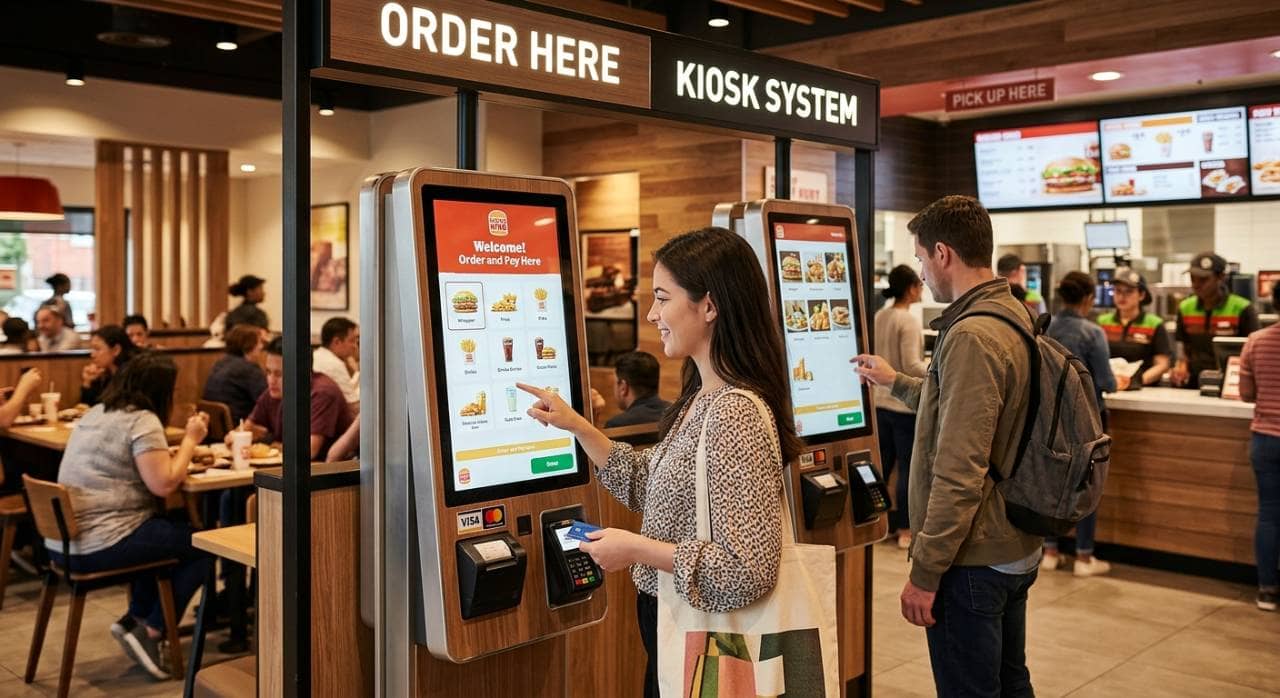
Understand how to evaluate a Kiosk system using key criteria including features, POS integration, hardware, pricing, customer experience, and support.
Aug 31, 2026

Learn how to calculate restaurant cost of goods using inventory, purchases, COGS percentage, variance reviews, and regular tracking for profitability.
Aug 31, 2026

Learn the startup costs of opening an ice cream shop, including rent, equipment, renovations, permits, inventory, labor, marketing, and reserves.
Aug 28, 2026

Learn practical ways to reduce labour costs through smarter scheduling, forecasting, productivity, cross-training, automation, overtime control, and performance monitoring strategies.
Aug 26, 2026
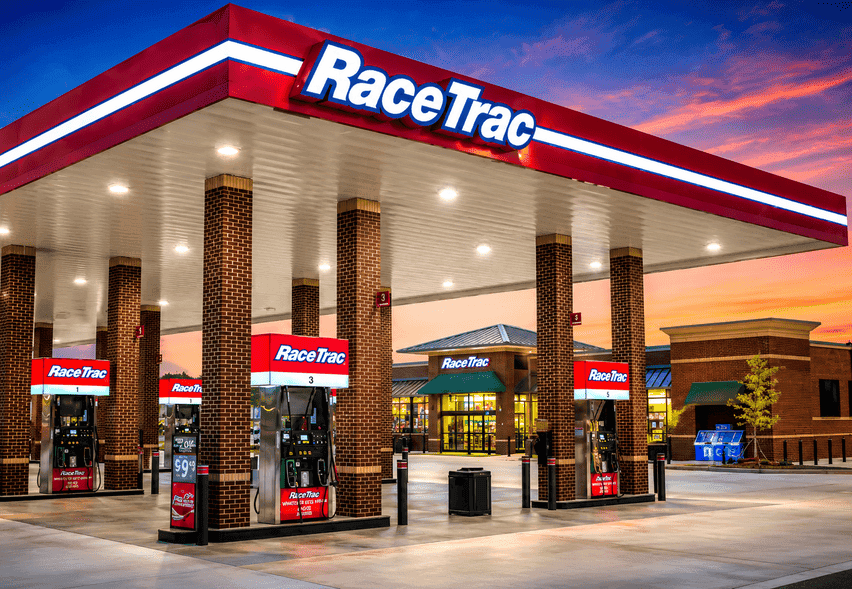
RaceTrac has appointed Jill Pemberton as chief financial officer, succeeding Karla Ahlert, who moves into the newly created role of chief administrative officer.
Aug 26, 2026

A restaurant P&L statement reveals sales, expenses, and profits, helping owners manage costs, improve margins, and plan finances more effectively.
Aug 26, 2026

Create a practical restaurant marketing plan by setting goals, targeting customers, choosing channels, budgeting wisely, scheduling campaigns, and measuring results.
Aug 24, 2026

Levain Bakery appoints Lorna Sommerville and Taya Stenson as co-CEOs, blending operational and marketing expertise to power national expansion and innovation while staying rooted in its brand values.
Aug 25, 2026

Blaze Pizza welcomes Tracy Stockard as Chief Marketing Officer, bringing decades of brand and franchise experience to drive strategic growth and guest engagement.
Aug 25, 2026

Unlock Exclusive Access To Webinars, Events, And The Latest News For Free!
Explore the legal implications of hostile work environments and how businesses can address and prevent workplace harassment.

Photo by Daniel Bradley

Photo by Daniel Bradley
Hostile work environments, characterized by harassment, discrimination, or inappropriate behavior, have severe consequences for employees and employers alike. These environments can create a toxic culture that impacts employee well-being, productivity, and the overall reputation of a company. It is vital for organizations to recognize the signs of a hostile work environment and take proactive measures to address and prevent such situations.

Photo by Daniel Bradley
The legal framework, such as Title VII of the Civil Rights Act of 1964, prohibits workplace harassment based on protected characteristics like race, gender, or religion. Employers have a legal obligation to maintain a work environment free from discrimination and harassment. Failure to address complaints of harassment can result in severe legal repercussions, as demonstrated in court cases where companies faced significant damages for creating or allowing hostile work environments to persist.

Photo by Daniel Bradley
The recent court case involving a line cook and Olives highlights the importance of taking workplace harassment complaints seriously. Despite the employee's multiple complaints and a clear escalation of harassment after an investigation, the employer failed to intervene effectively, leading to substantial legal consequences. This case serves as a reminder of the legal and financial risks associated with neglecting to address hostile work environments promptly.

Photo by Daniel Bradley
Employers are responsible for creating a safe and inclusive work environment. When allegations of harassment surface, swift and appropriate remedial actions must be taken to investigate the claims, address the issue, and prevent further misconduct. Ignoring or downplaying complaints of harassment not only undermines employee trust but also exposes the company to liability and damages. Proportionate responses to workplace issues are crucial to maintaining a healthy organizational culture.
Proactive measures are key to preventing hostile work environments. Companies should establish robust anti-harassment policies, conduct regular training sessions for employees and management, encourage an open-door policy for reporting concerns, and foster a culture of respect and diversity. By prioritizing a zero-tolerance approach to harassment and discrimination, organizations can create a positive work environment that values every individual's contributions.