
Restaurant Technology Trends in 2026
Explore restaurant technology trends in 2026, including AI, automation, digital ordering, workforce tools, connected kitchens, personalization, and profitability strategies today.
Technology
Aug 28, 2026
Explore restaurant technology trends in 2026, including AI, automation, digital ordering, workforce tools, connected kitchens, personalization, and profitability strategies today.
Aug 28, 2026
Learn how to calculate restaurant cost of goods using inventory, purchases, COGS percentage, variance reviews, and regular tracking for profitability.
Aug 31, 2026
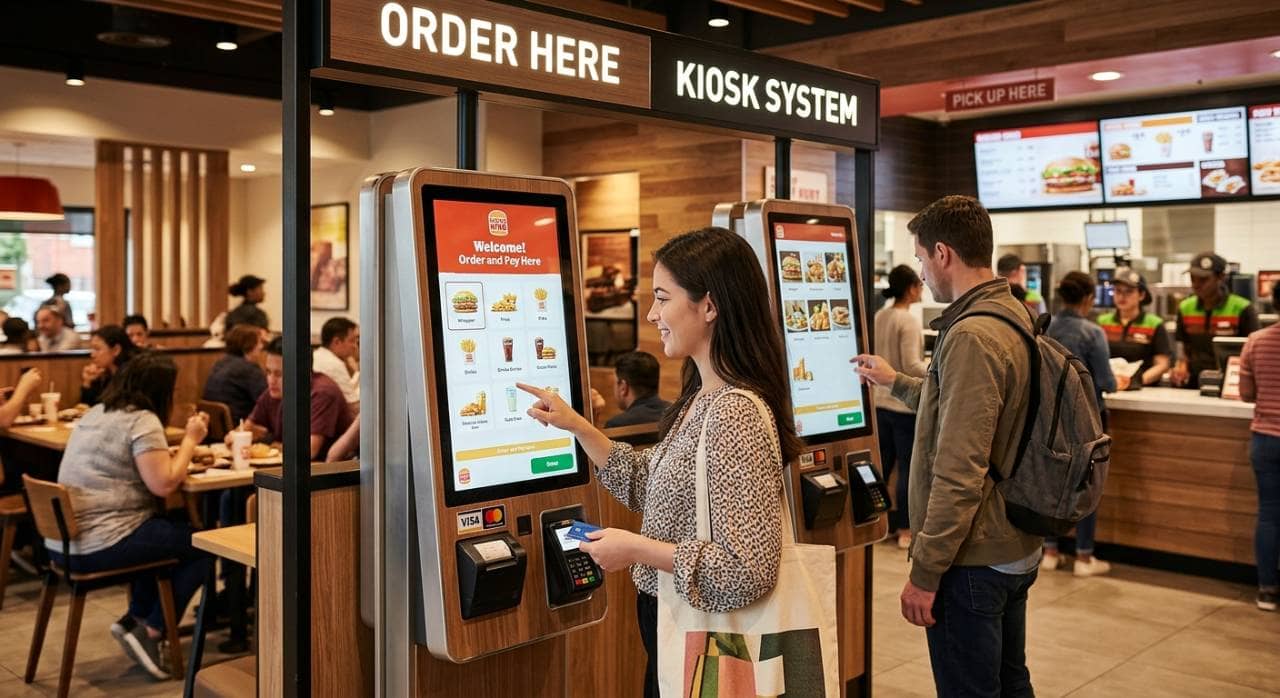
Understand how to evaluate a Kiosk system using key criteria including features, POS integration, hardware, pricing, customer experience, and support.
Aug 31, 2026
Learn the startup costs of opening an ice cream shop, including rent, equipment, renovations, permits, inventory, labor, marketing, and reserves.
Aug 28, 2026
RaceTrac has appointed Jill Pemberton as chief financial officer, succeeding Karla Ahlert, who moves into the newly created role of chief administrative officer.
Aug 26, 2026

A restaurant P&L statement reveals sales, expenses, and profits, helping owners manage costs, improve margins, and plan finances more effectively.
Aug 26, 2026
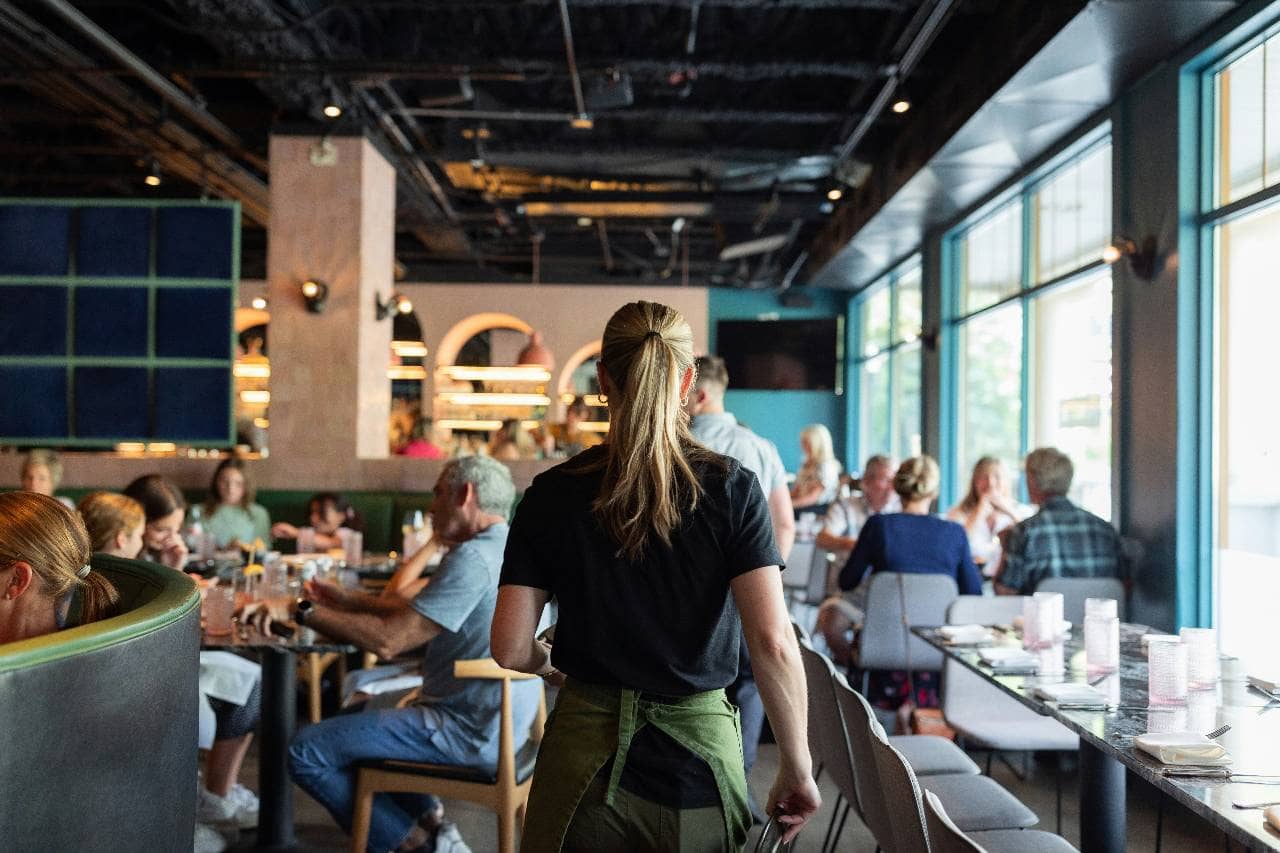
Learn practical ways to reduce labour costs through smarter scheduling, forecasting, productivity, cross-training, automation, overtime control, and performance monitoring strategies.
Aug 26, 2026

Create a practical restaurant marketing plan by setting goals, targeting customers, choosing channels, budgeting wisely, scheduling campaigns, and measuring results.
Aug 24, 2026
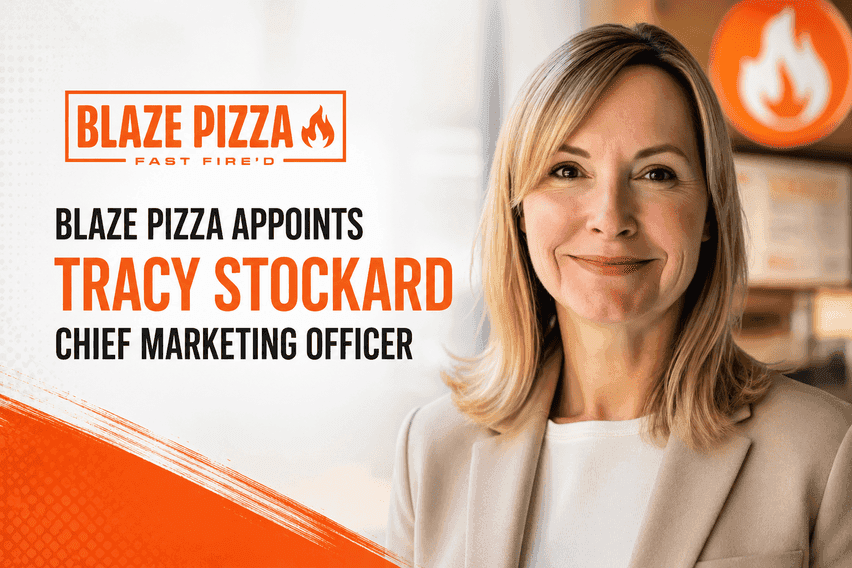
Blaze Pizza welcomes Tracy Stockard as Chief Marketing Officer, bringing decades of brand and franchise experience to drive strategic growth and guest engagement.
Aug 25, 2026

Levain Bakery appoints Lorna Sommerville and Taya Stenson as co-CEOs, blending operational and marketing expertise to power national expansion and innovation while staying rooted in its brand values.
Aug 25, 2026

Unlock Exclusive Access To Webinars, Events, And The Latest News For Free!
A refined narrative of how AI and leadership shape resilience in the post‑COVID restaurant era.

Photo by Branislav Rodman
Post‑pandemic dining has matured into a study of resilience rather than mere recipes. Across the industry, the camera’s gaze lingers on how operators adapt, rethinking formats, embracing social platforms, weathering wage disputes, and balancing debt with desire. In this evolving theater, technology sits not as a replacement for taste but as a conductor of tempo: AI‑enabled systems freeing legions of staff to listen to guests rather than count orders. The question that surfaces in quiet kitchens and bustling drive‑thrus alike is simple: what makes a restaurant durable when trends flutter like new menus on a flame? The answer, in part, lies in the art of intelligent adaptation:.
Since 2018, AI‑based solutions have processed tens of millions of orders, enabling staff to elevate guest interactions and devote attention to higher‑value activities that drive profitability. In practice, SoundHound’s omnichannel push has expanded to more than 10,000 restaurant locations, a milestone that signals real‑world scale. In partnerships with Five Guys, the platform powers AI‑driven orders across a vast network, with reports of more than 1 million AI‑driven orders in certain contexts. The broader industry corroborates this momentum: the National Restaurant Association notes that 26% of operators now deploy AI‑related tools, while OpenTable reveals evolving dining patterns that make demand increasingly data‑driven.

Behind the numbers, a human architect quietly redraws the map: Steve Bigari's path from West Point to the fast‑food aisle offers a study in disciplined adaptability. West Point training etched a cadence of precision; a personal decision to seek specialized medical care for a sick daughter redirected him toward leadership in restaurant operations. His work with Ashoka’s fellowship framework, and the program embedded within it, demonstrates how employers collaborate with workers and social services to address healthcare, transportation, childcare, housing, and education, measures that correlate with improved profits and lower turnover. Today, Bigari serves as Executive Vice President, AI for Restaurants at SoundHound, translating frontline realities into scalable strategy.
"AI helps people focus on their guests, alongside more complex tasks that tend to generate greater revenue," he says. This sentiment underpins a leadership approach that treats automation as a partner, not a replacement. In industry forums, he emphasizes how the arc from West Point to the dining room floor becomes a thread of disciplined care, care for the guest, care for the staff, care for the communities brands touch. In this frame, SoundHound’s mission reads less like a tech slogan and more like a culinary mise en place: technology organized to elevate hospitality without crowding out humanity.

Behind the kitchen’s rhythm, AI’s footprint grows from peripheral aid to central tempo. SoundHound has described its work as moving from pilot programs to enterprise‑level capabilities, with AI handling routine tasks so front‑line staff can lean into guest conversations. The transformation mirrors a broader pattern visible since 2018: orders are processed en masse, throughput accelerates, and the guest experience is steered toward accuracy and speed.
Scale is the new normal: SoundHound’s platform is now embedded in more than 10,000 locations, and its partnerships extend the reach of AI‑driven orders beyond the dining room. In the network with Five Guys, efficiency and accuracy become a day‑to‑day certainty, while industry collaborations, from drive‑thru lanes to omnichannel touchpoints, affirm AI as a central architecture rather than a novelty. Beyond pilots, the industry speaks of enterprise‑wide implementations powered by data, not bravado, and built to endure.
Yet momentum does not erase friction. On one hand, AI adoption has grown, but many operators still report limited use for customer ordering: roughly 6% of restaurants use AI to take orders, while 26% use AI‑related tools in some capacity. On the other hand, wage regulations at state and local levels continue to evolve, complicating staffing models and pricing decisions. The federal tipped minimum wage remains at $2.13 per hour, while many states have moved to higher base rates, creating a complex landscape for multi‑unit operators. The future hinges on balancing automation with hospitality, and on forecasting that respects both margin and mood.
Executives like Bigari advocate pragmatic progress, deploy tools that augment staff, not replace them, and they stress the importance of measuring guest satisfaction alongside throughput. The result is a careful choreography: automation eases the routine, while human warmth remains the decisive difference in memory and loyalty.

The convergence of traditional wisdom and technological advancement defines today’s restaurant resilience. Operators who blend frontline experience with AI‑assisted planning, through drive‑thru optimization, omnichannel ordering, and data‑driven guest insights, are better positioned to weather cycles of disruption and pricing pressure. The narrative around Steve Bigari, his West Point training, Ashoka Fellowship, McDonald’s franchise history, and current leadership at SoundHound, anchors a model where leadership, social purpose, and scalable technology intersect to fuel growth. The path forward resembles a portfolio of tools rather than a single solution: improved guest experiences, steadier foot traffic, and more resilient margins in a landscape that evolves with the tempo of a viral moment.
As the industry navigates wage dynamics, shifting consumer behavior, and growing media attention, the most durable brands will be those that treat AI as a refined companion to hospitality. A leadership story, anchored by Steve Bigari and his colleagues at SoundHound, reminds us that resilience is not a gimmick but a disciplined craft, practiced daily across menus, orders, and memories guests carry long after the last bite.