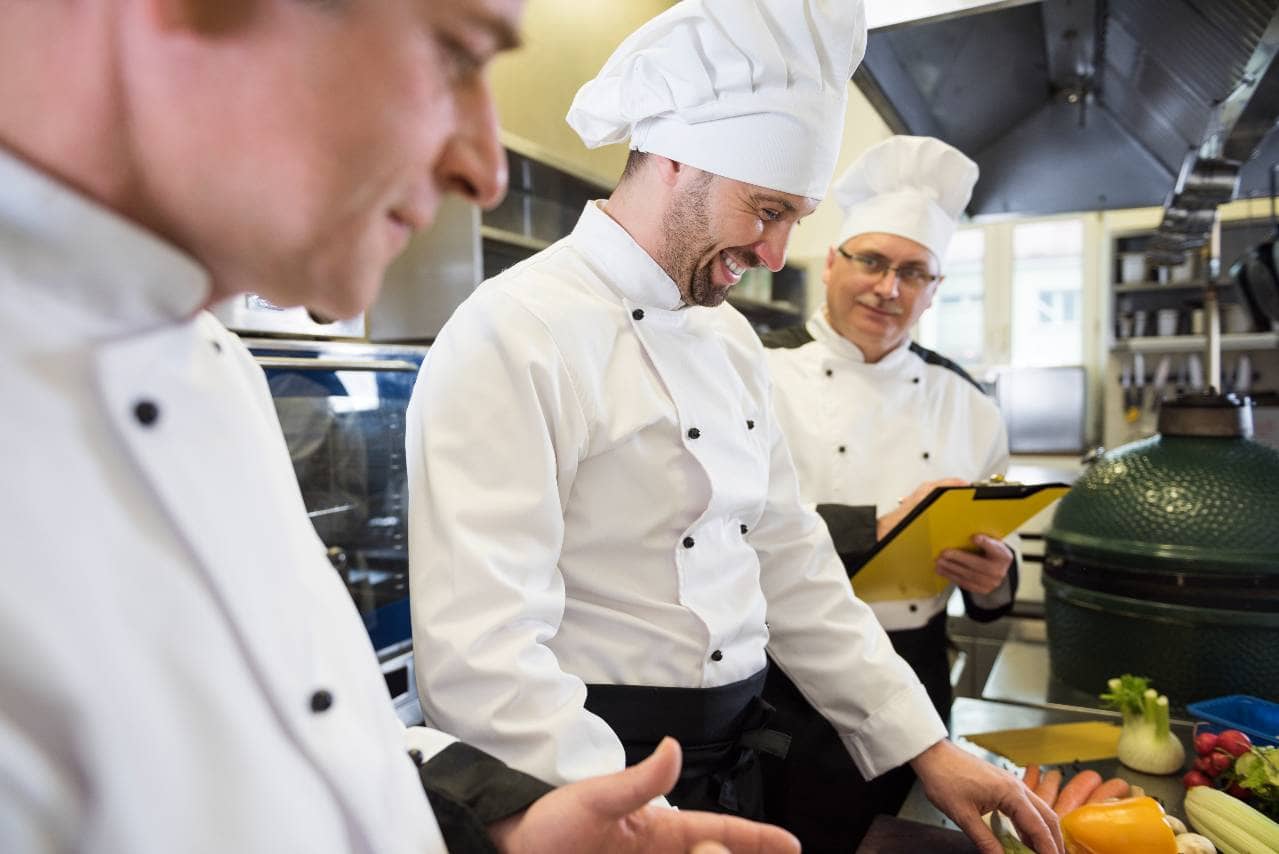
The Ultimate Guide to Restaurant Labor Management
Restaurant labor management helps owners optimize staffing, control labor costs, improve productivity, monitor overtime, and maintain efficient restaurant operations.
Back Office
Sep 2, 2026
Restaurant labor management helps owners optimize staffing, control labor costs, improve productivity, monitor overtime, and maintain efficient restaurant operations.
Sep 2, 2026
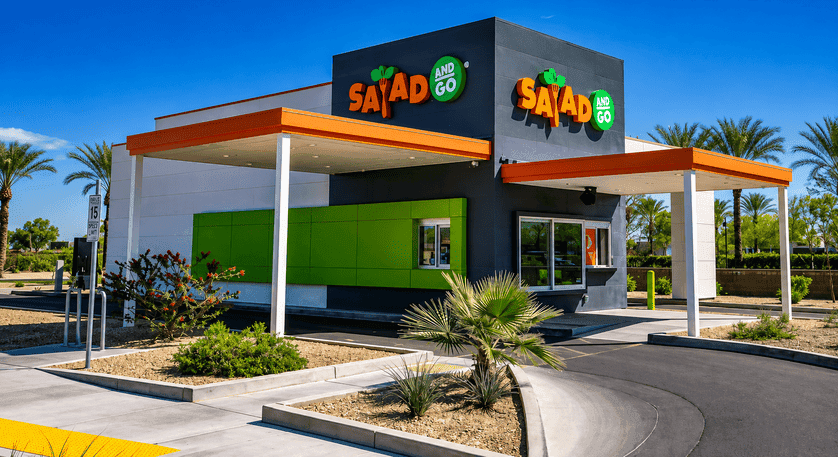
7 Brew has acquired 73 former Salad and Go locations, surpassing Dutch Bros with a $143M bid, signaling a major shift in the competitive landscape for drive-thru brands.
Sep 2, 2026
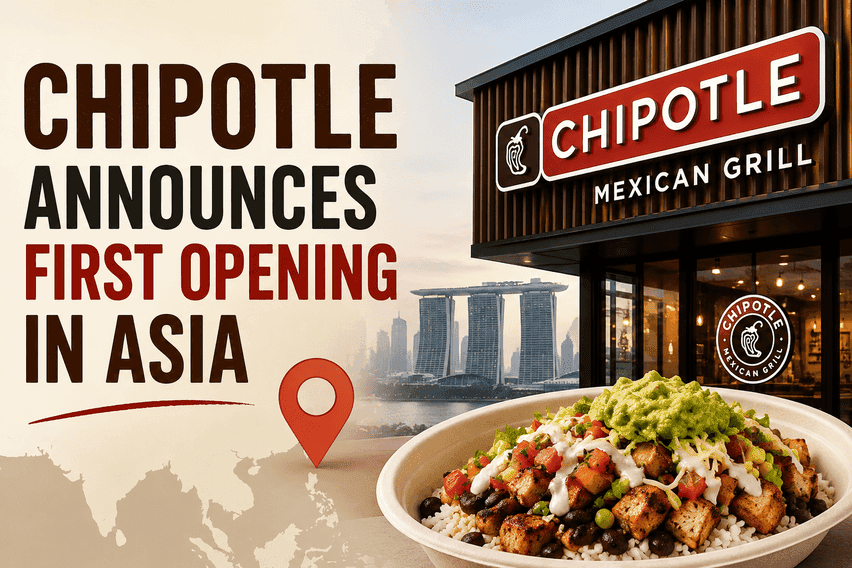
Chipotle makes its highly anticipated entry into Asia with a Seoul opening, partnering with Sangmidang Holdings and setting a template for future international growth.
Sep 2, 2026
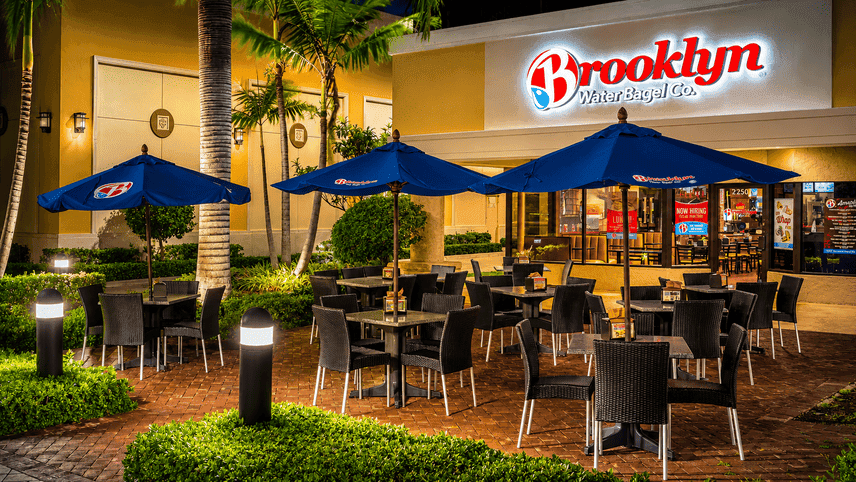
Brooklyn Water Bagel launches its first campus eatery at Nova Southeastern, signaling strategic growth and fresh potential for multi-unit operators seeking new market wins.
Sep 2, 2026
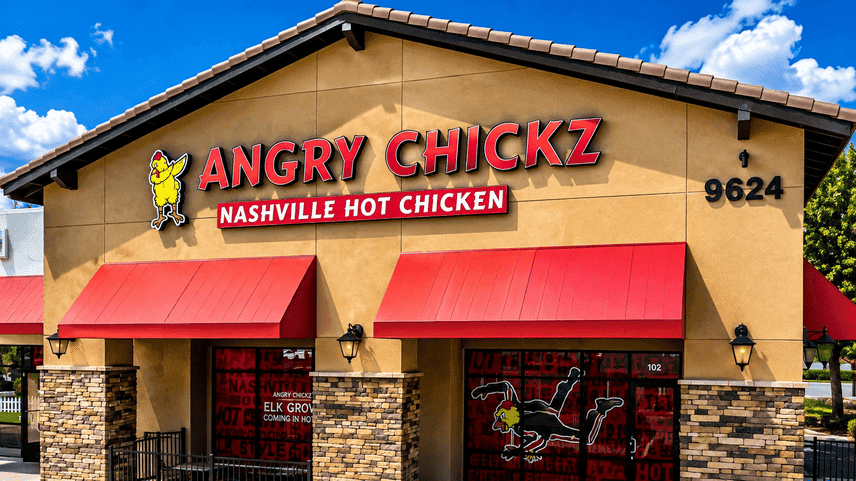
Angry Chickz enters Illinois with its signature hot chicken concept and ambitious plans for Midwest expansion, setting the stage for new franchise opportunities and community engagement.
Sep 2, 2026
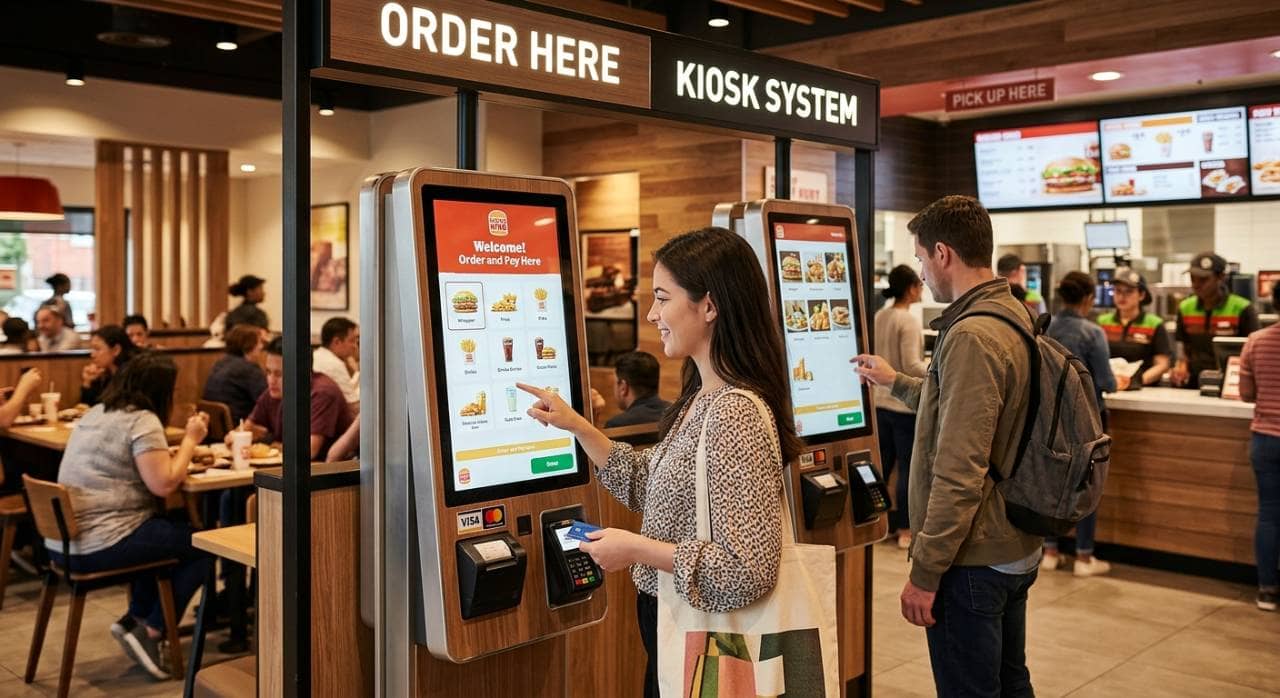
Understand how to evaluate a Kiosk system using key criteria including features, POS integration, hardware, pricing, customer experience, and support.
Aug 31, 2026

Explore restaurant technology trends in 2026, including AI, automation, digital ordering, workforce tools, connected kitchens, personalization, and profitability strategies today.
Aug 28, 2026
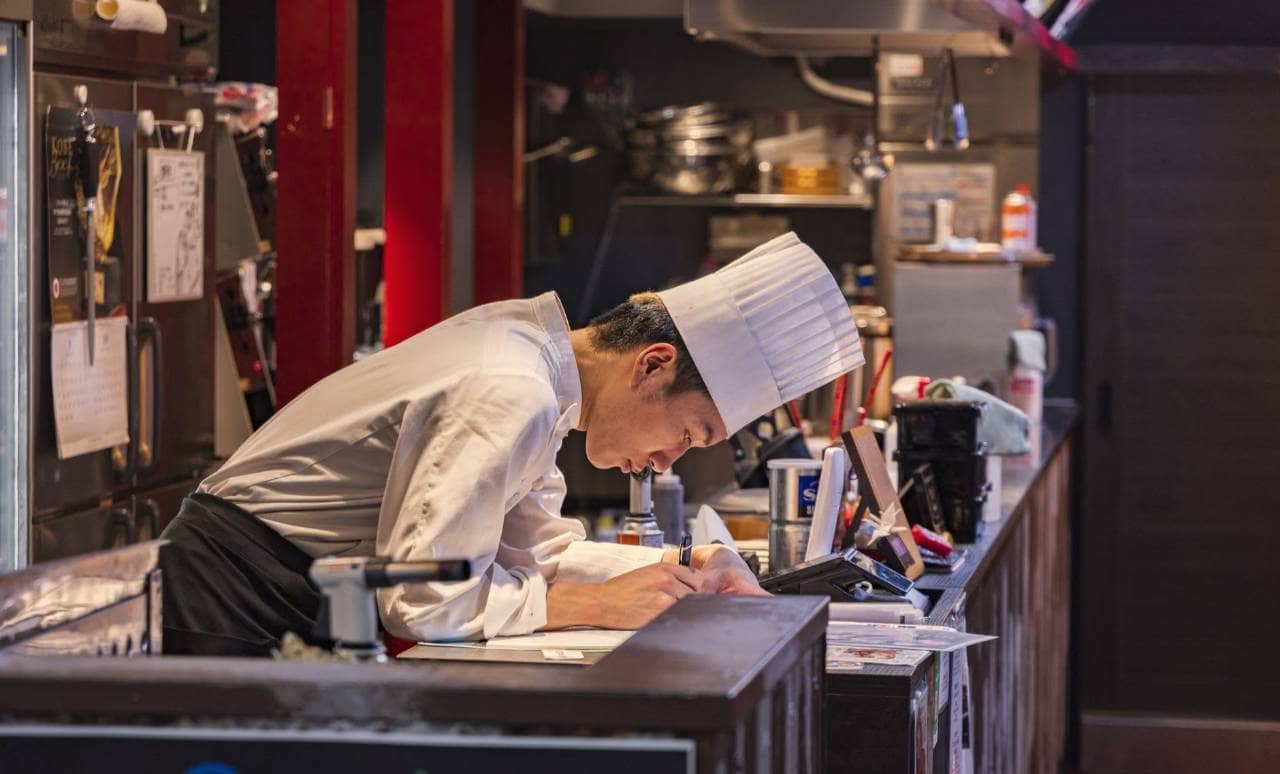
Learn how to calculate restaurant cost of goods using inventory, purchases, COGS percentage, variance reviews, and regular tracking for profitability.
Aug 31, 2026
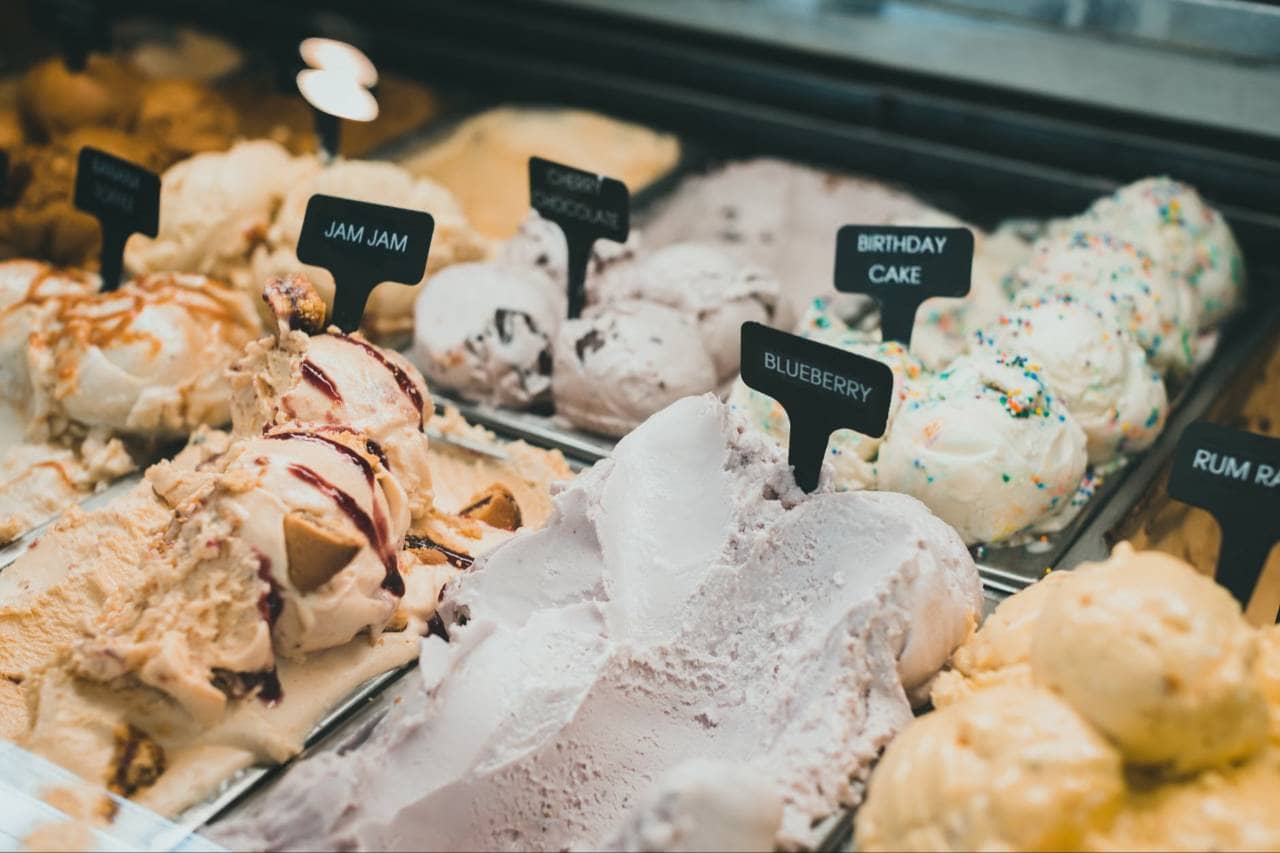
Learn the startup costs of opening an ice cream shop, including rent, equipment, renovations, permits, inventory, labor, marketing, and reserves.
Aug 28, 2026

A restaurant P&L statement reveals sales, expenses, and profits, helping owners manage costs, improve margins, and plan finances more effectively.
Aug 26, 2026

Unlock Exclusive Access To Webinars, Events, And The Latest News For Free!
Discover how changes in consumer behavior are reshaping the coffee industry's competitive dynamics and driving shifts in coffee shop strategies.

Photo by Patrick Tomasso
Consumer behavior at coffee shops has witnessed notable shifts, especially in terms of the duration of visits. Data from Placer.ai indicates that visits lasting longer than 10 minutes have increased by 13.4% at small coffee chains, while experiencing a decline of 8.9% at major chains like Dunkin and Starbucks. This trend signifies a preference for a more leisurely and relaxed coffee experience.
Smaller coffee shops are emerging as destinations for consumers seeking a personalized and laid-back coffee ambiance. With a focus on providing a unique and intimate experience, these smaller and medium-sized chains are gaining traction as preferred 'third places' for coffee enthusiasts. This trend has prompted larger chains like Starbucks to reconsider their strategies and prioritize enhancing the in-store experience to compete effectively.

Photo by Patrick Tomasso
The changing landscape of consumer behavior has prompted coffee chains to adapt their competitive strategies. While larger brands like Dunkin and Starbucks have traditionally emphasized speed and efficiency, the trend towards experiential coffee occasions has led to a reevaluation of priorities. To maintain relevance and market share, these chains are reorienting towards offering more personalized and engaging in-store experiences.
The slowdown in coffee traffic growth towards the end of 2024 raises questions about potential saturation in consumer demand. Additionally, external factors such as potential tariff increases on coffee could further intensify competition within the industry. This scenario challenges coffee chains to differentiate themselves by delivering value beyond just the product, with smaller establishments capitalizing on personalized experiences to attract discerning consumers.
The uncertain landscape of the coffee sector poses both challenges and opportunities for coffee chains. While larger medium-sized brands like Dutch Bros. and Caribou maintain their advantages in pricing and scale, the increasing preference for experiential coffee moments offered by smaller cafes suggests a potential shift in consumer perception of value. This evolving dynamic underscores the importance of adapting to changing consumer preferences and diversifying offerings.