Caribou Coffee Names New COO to Drive Operations Excellence
Caribou Coffee appoints Zane Thomas-Rogers as Chief Operations Officer to strengthen execution across its expanding coffeehouse network.
News
Sep 4, 2026
Caribou Coffee appoints Zane Thomas-Rogers as Chief Operations Officer to strengthen execution across its expanding coffeehouse network.
Sep 4, 2026

Learn how to handle restaurant payroll yourself, from calculating hours and wages to managing tips, taxes, and final paychecks.
Sep 2, 2026
Chipotle makes its highly anticipated entry into Asia with a Seoul opening, partnering with Sangmidang Holdings and setting a template for future international growth.
Sep 2, 2026

Restaurant labor management helps owners optimize staffing, control labor costs, improve productivity, monitor overtime, and maintain efficient restaurant operations.
Sep 2, 2026
7 Brew has acquired 73 former Salad and Go locations, surpassing Dutch Bros with a $143M bid, signaling a major shift in the competitive landscape for drive-thru brands.
Sep 2, 2026
Brooklyn Water Bagel launches its first campus eatery at Nova Southeastern, signaling strategic growth and fresh potential for multi-unit operators seeking new market wins.
Sep 2, 2026
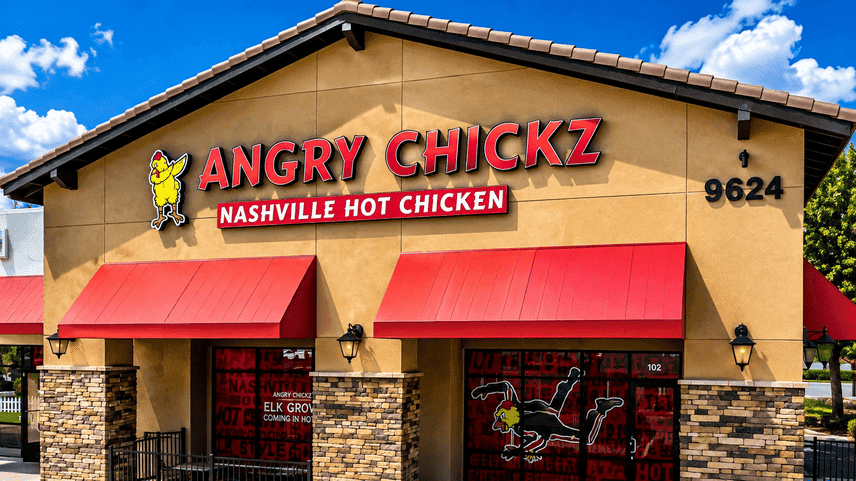
Angry Chickz enters Illinois with its signature hot chicken concept and ambitious plans for Midwest expansion, setting the stage for new franchise opportunities and community engagement.
Sep 2, 2026

Explore restaurant technology trends in 2026, including AI, automation, digital ordering, workforce tools, connected kitchens, personalization, and profitability strategies today.
Aug 28, 2026

Learn how to calculate restaurant cost of goods using inventory, purchases, COGS percentage, variance reviews, and regular tracking for profitability.
Aug 31, 2026
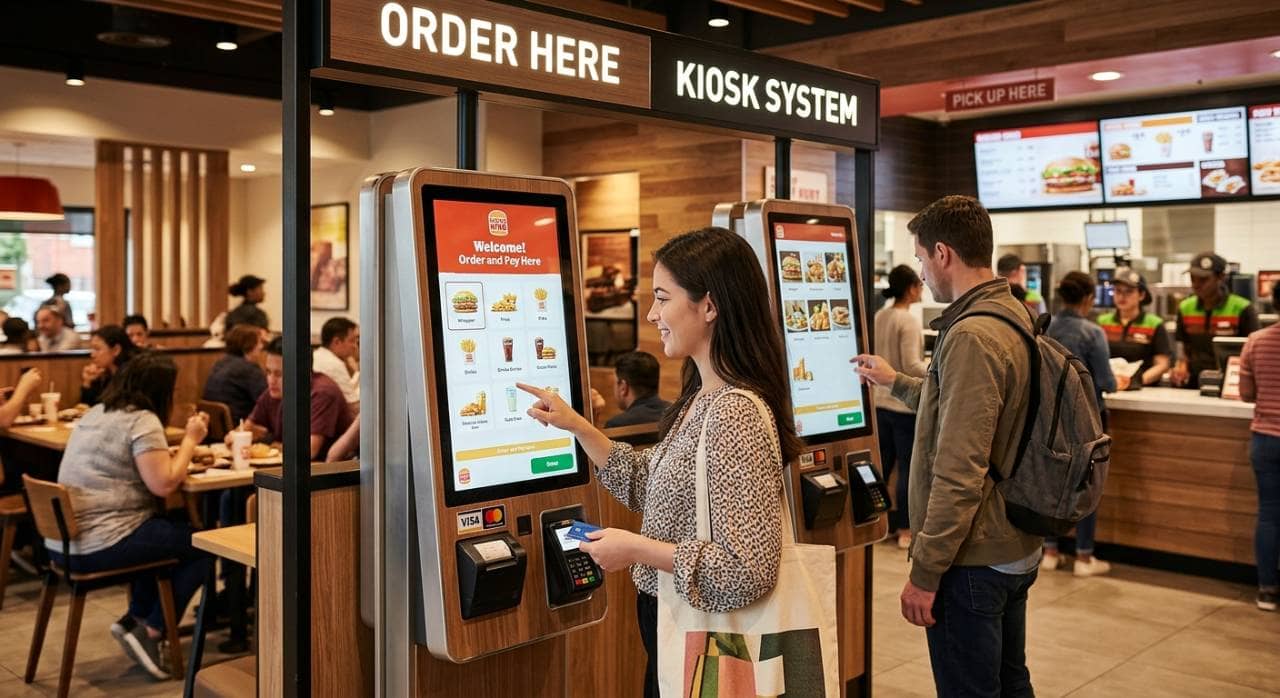
Understand how to evaluate a Kiosk system using key criteria including features, POS integration, hardware, pricing, customer experience, and support.
Aug 31, 2026

Unlock Exclusive Access To Webinars, Events, And The Latest News For Free!
Learn the best California areas to open a restaurant in 2026 by evaluating demand, costs, neighborhood fit, traffic patterns, and concept alignment.

Choosing the right area in California is not about finding the busiest street - it is about finding a location where demand, access, and cost structure all align. Too many operators rely on surface-level signals like visibility or brand-name neighborhoods. That approach leads to high-rent locations that struggle to produce consistent profit. If you are evaluating areas like Downtown Los Angeles, Koreatown, Little Italy, or Roseville, the decision should come down to measurable fundamentals - not perception. Here are the factors that actually determine whether an area works - 1. Traffic by Daypart (Not Just Total Traffic) - A busy area at night does not help a lunch concept - A commuter-heavy area may be strong in the morning and weak in the evening - You need to match traffic patterns to your operating hours 2. Residential Density and Repeat Customer Potential - Areas like Temecula or Murrieta often perform well because they are driven by repeat local demand - Repeat visits matter more than one-time traffic 3. Daytime Population and Employment Base - Offices, hospitals, schools, and retail centers drive weekday volume - Markets like Downtown-Midtown Sacramento benefit from this mix 4. Tourism Support (If Applicable) - Areas like Anaheim Resort District or Hollywood can drive high peak sales - But tourism must be supported by local demand to stabilize weekly revenue 5. Parking, Access, and Convenience - Easy entry and exit can outperform "prime visibility" locations - Suburban markets like Chino Hills or Eastvale often win here 6. Occupancy Cost vs. Sales Potential - High-rent areas require significantly higher sales to stay profitable - A lower-cost market like Fresno or Bakersfield may produce stronger margins even with lower volume 7. Competition Saturation and Concept Fit - Being surrounded by restaurants is not always a good thing - The key question is - does your concept fill a gap, or are you entering an overcrowded category? The best areas in California are not the most popular - they are the ones where your concept fits the way that specific neighborhood actually behaves. A location only works if - - the right customers are already there - they visit frequently enough - and your cost structure allows you to serve them profitably Everything else is secondary.
High-density urban areas in California can generate some of the strongest restaurant volume in the state -but only when the concept is aligned with how those neighborhoods actually operate. These markets are built on foot traffic, mixed-use density, and constant movement, which creates opportunity for the right formats. If you are evaluating urban locations, here are some of the most relevant areas to consider - - Downtown Los Angeles - Koreatown - Hollywood - Little Italy - North Park - Downtown-Midtown Sacramento - Temescal These neighborhoods share a few important characteristics- high residential density, strong dining culture, and consistent activity across multiple day-parts. That combination can support QSR, fast casual, coffee, and late-night concepts especially well. Where Urban Areas Perform Best Urban neighborhoods tend to perform strongest when the concept is built around - - Speed and convenience (quick service, grab-and-go, coffee) - Lunch and late-night demand - High transaction volume rather than high check average For example - - Downtown Los Angeles and Koreatown benefit from dense populations and extended operating hours - Little Italy (San Diego) and North Park combine tourism with strong local repeat traffic - Temescal (Oakland) and Downtown-Midtown Sacramento offer a balance of local residents and destination dining Where Urban Areas Create Risk High traffic does not guarantee profitability. In fact, urban markets introduce some of the highest operational pressure in California - - Higher rent and occupancy costs - More complex labor scheduling and staffing challenges - Increased competition within the same cuisine or category - Greater reliance on maintaining consistent volume This means your concept must be built for throughput and efficiency, not just visibility. What to Watch Before Choosing an Urban Location Before committing to an urban area, operators should validate - - Whether traffic aligns with their key day-parts - Whether nearby competitors are direct substitutes or complementary - Whether projected sales can realistically support rent and labor costs - Whether the concept can operate efficiently at high volume Urban California markets can produce top-line sales, but they only translate into profit when the operation is designed to handle high volume, high cost, and high competition at the same time.
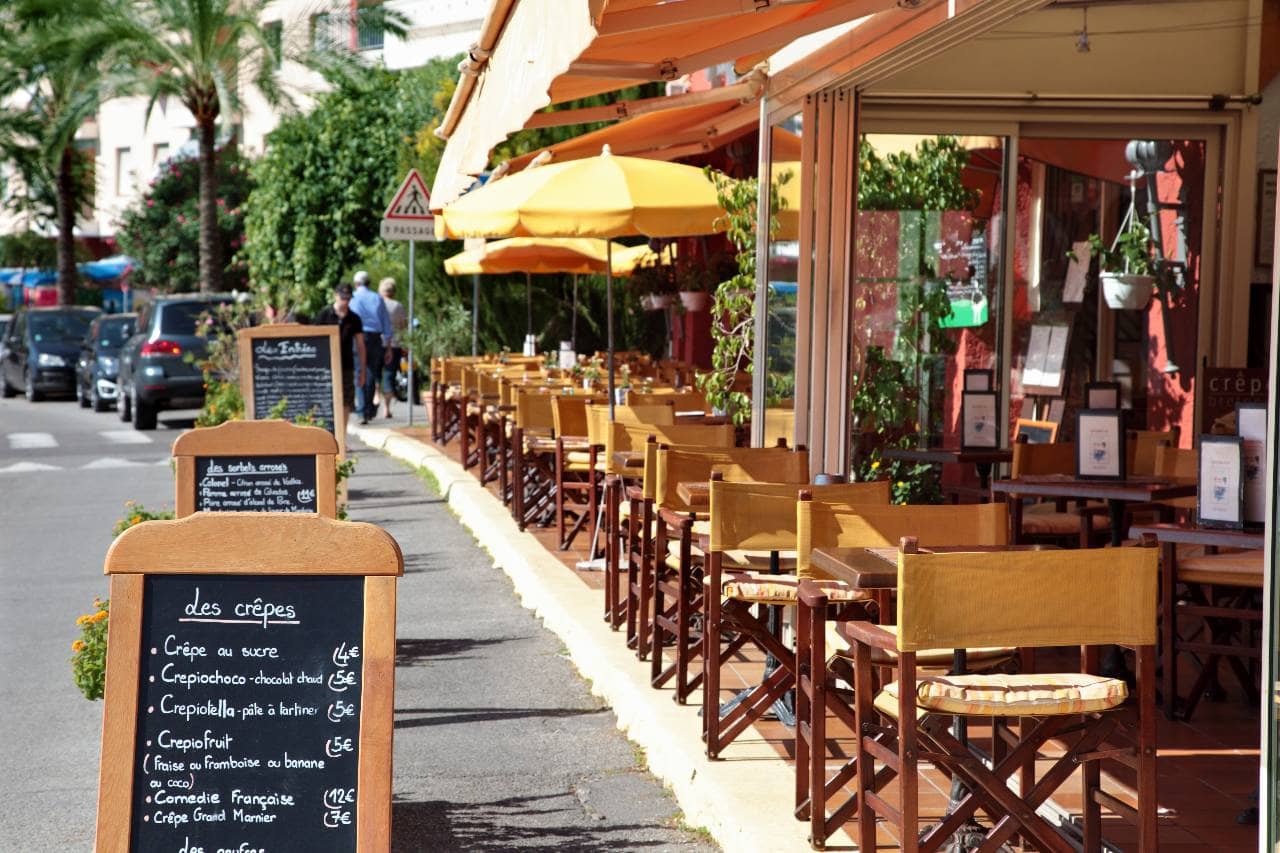
Southern California offers some of the most reliable restaurant demand drivers in the state - tourism, entertainment, and dense residential communities. But not all areas behave the same. The key is understanding what is driving traffic in each location and whether it aligns with your concept. Here are some of the most relevant Southern California areas to evaluate - - Anaheim Resort District - Anaheim Packing District - Downtown Anaheim - Irvine Spectrum Center - Costa Mesa - Old Town San Diego - North Park These areas benefit from built-in traffic sources - theme parks, shopping centers, nightlife districts, tourism hubs, and high-income residential populations. Where Southern California Areas Perform Best These markets tend to perform well when your concept aligns with one of three demand drivers - 1. Tourism-Driven Demand - Areas like Anaheim Resort District and Old Town San Diego see heavy visitor traffic - Strong for high-volume QSR, casual dining, and family-oriented concepts - Opportunity for higher check averages during peak periods 2. Retail and Entertainment Traffic - Locations like Irvine Spectrum Center and Anaheim Packing District benefit from built-in foot traffic tied to shopping and events - Strong for fast casual, dessert concepts, and experiential dining 3. Local Destination Hybrid Demand - Areas like Costa Mesa and North Park (San Diego) combine local repeat customers with destination diners - Strong for concepts that need both consistency and brand appeal Where These Areas Create Risk Even though demand is strong, these markets come with operational trade-offs - - Rent is often significantly higher than inland or suburban markets - Traffic can be inconsistent by day (weekends vs. weekdays) - Staffing can be more difficult due to competition and cost of living - Peak periods can create operational strain if not planned correctly This means operators need to plan for volume spikes, not just average sales. What to Validate Before Choosing a Southern California Location Before committing to one of these areas, operators should confirm - - Whether demand is consistent across the full week, not just weekends - Whether their concept fits the dominant traffic driver (tourism vs. local) - Whether projected sales can absorb higher occupancy and labor costs - Whether the operation can handle peak-hour surges efficiently Southern California offers some of the strongest built-in demand in California, but success depends on choosing an area where your concept matches how and why people are already showing up.
Suburban California is one of the most underrated opportunities for restaurant owners in 2026. While urban markets get the attention, suburban areas often deliver what matters most- consistent, repeat demand. These markets are not driven by one-time visits. They are driven by households, routines, and frequency - which makes them more stable week to week. Here are some of the most relevant suburban areas to evaluate - - Roseville - Rocklin - Natomas - East Sacramento - Temecula - Murrieta - Eastvale - Chino Hills These areas are seeing continued residential expansion, strong family demographics, and increasing demand for convenient dining options. Where Suburban Areas Perform Best Suburban markets tend to outperform when the concept is built around frequency and convenience, not novelty. They are especially strong for - - Casual dining and family dining - Pizza, fast casual, and QSR - Breakfast and coffee concepts - Takeout and delivery-heavy models Why? Because customers in these areas - - Eat out multiple times per week - Prioritize convenience and speed - Return to the same locations consistently - Value parking, accessibility, and familiarity This creates a predictable sales base, which is critical for managing labor and inventory efficiently. Why Suburban Markets Are Often More Profitable Compared to dense urban or tourism-heavy areas, suburbs typically offer - - Lower rent relative to sales potential - Easier parking and access - Less operational complexity - More stable weekday traffic That combination allows operators to build more controlled and repeatable operations, rather than constantly reacting to demand swings. What to Watch Before Choosing a Suburban Location Suburban markets are not risk-free. Operators still need to validate - - Whether the population density is high enough to support the concept - Whether nearby competition already serves the same need - Whether the area is still growing or has plateaued - Whether traffic patterns support all day-parts or just dinner The biggest mistake in suburban markets is assuming that growth automatically equals demand. You still need to confirm that people in that area are actively dining out at the frequency your concept requires. Suburban California markets may not have the visibility of places like Hollywood, but they often provide something more valuable - consistent, repeatable revenue driven by local customers.

Not every successful restaurant in California needs to be in a high-cost coastal city. In fact, some of the strongest unit economics come from inland and value-oriented markets where costs are lower and competition is less saturated. These areas are often overlooked - but they can provide a more balanced equation between sales and expenses. Here are some of the most relevant inland markets to evaluate - - Fresno - Clovis - Bakersfield - Visalia - Riverside - San Bernardino - Ontario - Rancho Cucamonga These markets are supported by population growth, expanding housing, and increasing local demand, even if they do not have the same national visibility as coastal cities. Where Inland Markets Perform Best Inland areas tend to perform well when the concept is aligned with value, convenience, and frequency. They are especially strong for - - QSR and fast casual concepts - Family-focused dining - Takeout and delivery-heavy models - Value-driven menus Why? Because customers in these markets - - Are often more price-sensitive - Prioritize portion size, value, and consistency - Visit restaurants regularly, but with lower average check sizes This means success comes from volume and repeat visits, not premium pricing. Why Inland Markets Can Deliver Better Margins Compared to places like Santa Monica or Downtown San Francisco, inland markets typically offer - - Lower rent and occupancy costs - More flexible site selection (drive-thru, larger footprints, parking) - Lower competition density in certain categories - Simpler operations with fewer peak-demand spikes This creates an environment where operators can focus on execution and consistency, rather than constantly offsetting high fixed costs. Where Inland Markets Create Risk Lower cost does not automatically mean easier success. Operators need to account for - - Lower average check sizes - Less tourism-driven demand - Greater reliance on local repeat customers - Potentially slower brand awareness growth This means your concept must be built for local market fit, not brand perception. What to Validate Before Choosing an Inland Location Before committing to one of these markets, operators should confirm - - Whether population growth is translating into real restaurant demand - Whether the local income mix supports your pricing strategy - Whether traffic patterns support your key dayparts - Whether your concept can drive repeat visits at the required frequency Inland California markets offer a different type of opportunity - not the highest sales ceilings, but often more controllable and profitable operations. For many restaurant owners, especially those expanding or opening multiple units, these markets provide a clear path to scale without the same level of cost pressure found in coastal cities.
At this point, the focus shifts from identifying good areas to making a confident, data-backed decision on a specific location. This is where many restaurant owners make costly mistakes - by relying on intuition, broker input, or surface-level traffic instead of validating how the location actually performs. The evaluation process should be the same- structured, practical, and grounded in real demand signals. 1. Analyze Traffic by Hour, Not Just Volume - Visit the location multiple times- weekday lunch, weekday dinner, weekend peaks - Count actual foot traffic and car flow - Identify whether traffic aligns with your core day-parts - A "busy" area at the wrong time is not valuable 2. Study the Immediate Trade Area (Not Just the City) Look at what is within a 5-10 minute radius - - apartments and housing density - offices and employers - schools and retail anchors This defines your real customer base - not the broader city population 3. Evaluate the Competition the Right Way - Identify direct competitors within the same category - Observe their volume, pricing, and positioning - Ask. are they thriving, or just present? - Look for gaps, not just clusters 4. Calculate Rent as a Percentage of Realistic Sales - Estimate conservative sales based on traffic and concept fit - Compare that against projected rent and occupancy costs - High-traffic areas like Hollywood may require significantly higher sales just to break even - If the numbers do not work conservatively, they will not work in reality 5. Assess Parking, Access, and Visibility Together - Can customers easily enter and exit the location? - Is parking convenient or a barrier? - Is signage visible from primary traffic flow? - In many cases, easy access outperforms "prime" but inconvenient locations 6. Understand Labor Availability in the Area Evaluate the local workforce - - proximity to residential neighborhoods - competing employers - wage expectations High-demand areas often come with tighter labor markets and higher turnover risk 7. Review Local Regulations and Operational Complexity - Investigate permitting timelines, health requirements, and zoning restrictions - Some California jurisdictions are significantly more complex than others - Delays and compliance issues can impact opening timelines and costs 8. Pressure-Test the Location Before Committing - Run best-case, expected, and worst-case sales scenarios - Stress-test labor and food cost assumptions - Validate whether the location still works under conservative projections The best restaurant locations in California are not chosen - they are validated. A strong location is one where - - demand is consistent - costs are manageable - access is easy - and your concept fits how customers already behave Anything less introduces risk. Before signing a lease, the goal is simple - remove as much uncertainty as possible and make the decision based on real, observable data - not assumptions.
