Rock N Roll Sushi Names Rick Gestring New CEO
Rock N Roll Sushi taps franchise veteran Rick Gestring as CEO, succeeding Craig LeMieux in a transition built on continuity, not disruption.
Franchising
Sep 28, 2026
Rock N Roll Sushi taps franchise veteran Rick Gestring as CEO, succeeding Craig LeMieux in a transition built on continuity, not disruption.
Sep 28, 2026
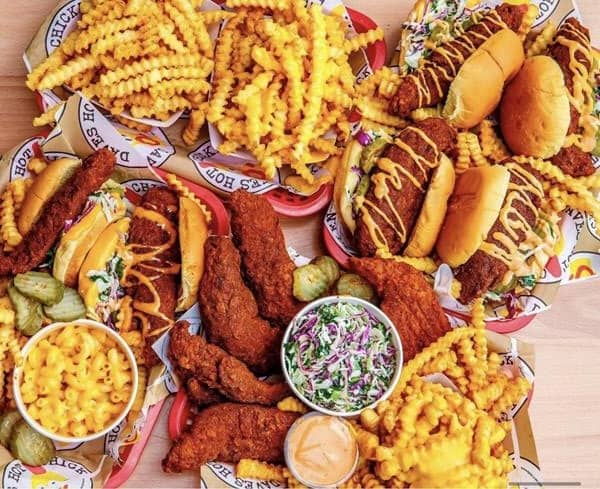
TIG Reaper LLC, a multi-unit Dave's Hot Chicken franchisee, filed Chapter 11 amid a bitter dispute with lender Bank Midwest over alleged defaults.
Sep 28, 2026
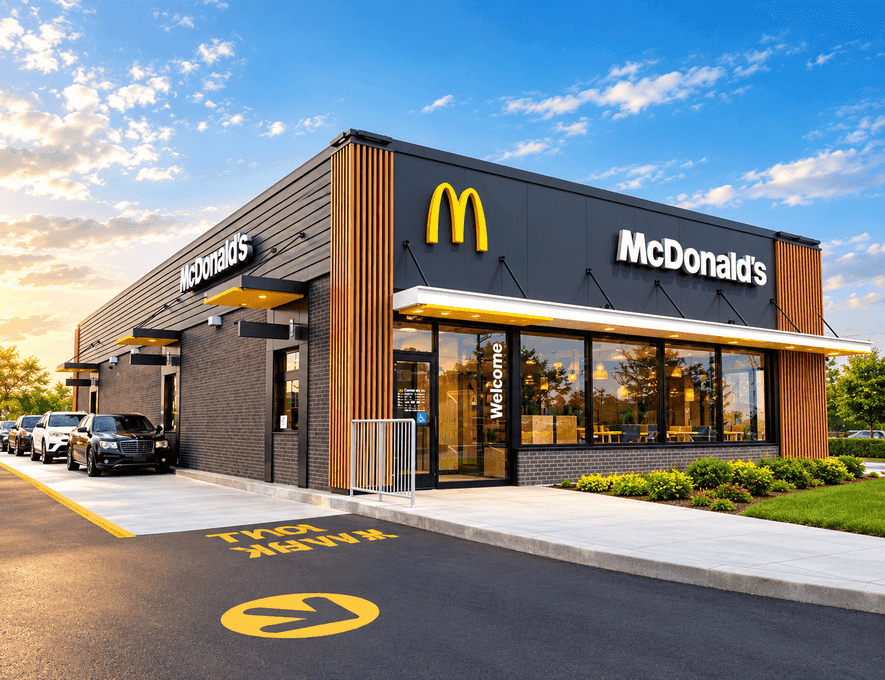
McDonald's ArchIQ platform blends voice AI, automation, and predictive data to reshape drive-thrus and kitchens. Here's how it works and what's next.
Sep 28, 2026
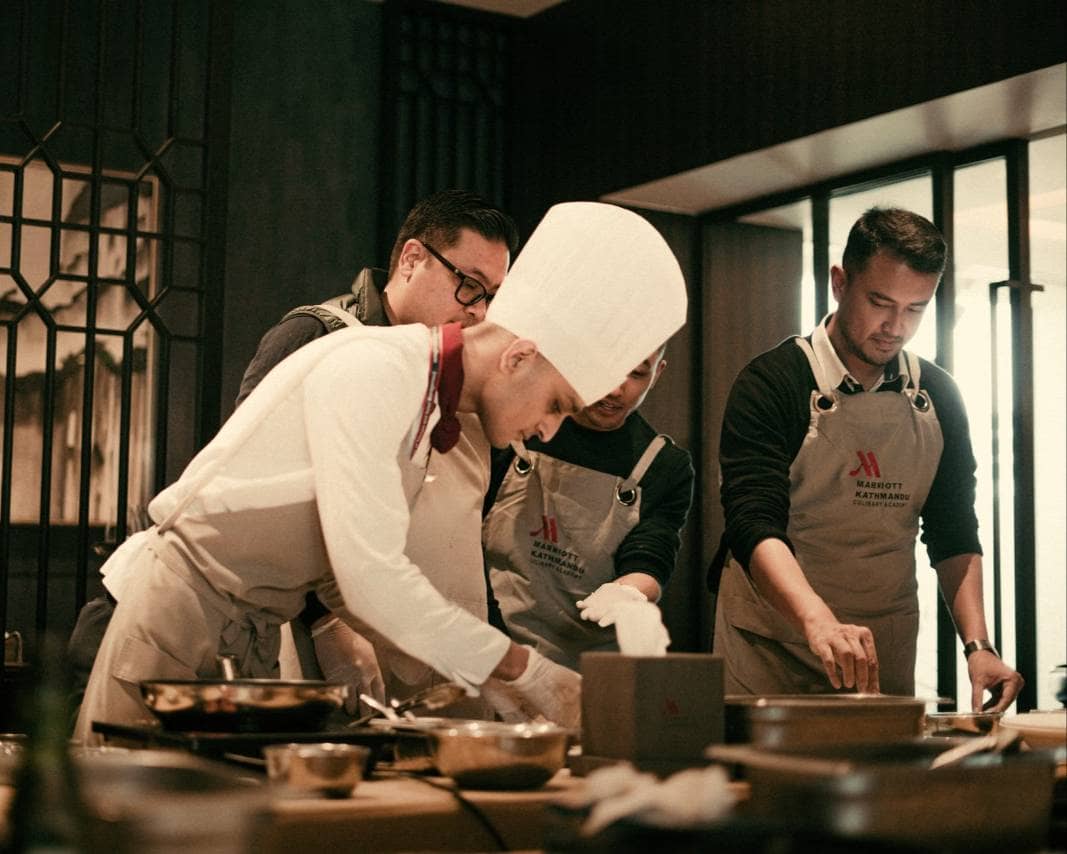
Build an effective training program by setting clear goals, identifying role-specific needs, providing hands-on practice, evaluating performance, and continuously improving training.
Sep 28, 2026
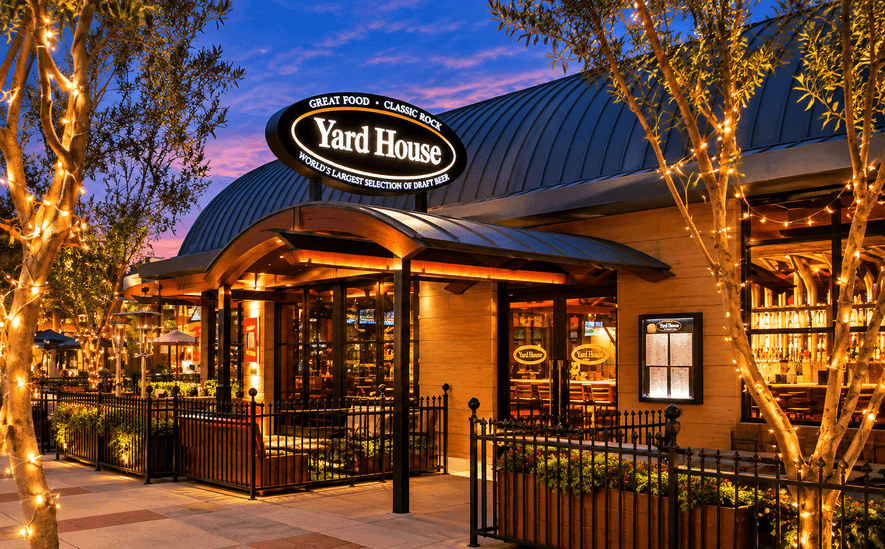
The full-service concept, which posted 10% growth in same-store sales during fiscal Q1 2027, plans to open 13 new stores during the ongoing fiscal year.
Sep 28, 2026

Learn how average inventory is calculated and use inventory data to identify purchasing trends, manage stock levels, and reduce waste.
Sep 25, 2026

Understand employee scheduling principles for restaurants, including workforce planning, shift assignments, availability management, compliance considerations, and scheduling technology.
Sep 25, 2026
Starbucks is closing 250 North America stores even as sales climb, revealing a strategic push to trim weak locations and fund renovations.
Sep 25, 2026

A restaurant chart of accounts separates sales, costs, and labor, uses logical numbering, and stays maintained, producing clearer financial reports.
Sep 23, 2026
This restaurant inventory count checklist helps owners track food, beverages, packaging, and supplies, cutting waste, controlling costs, improving purchasing decisions.
Sep 23, 2026

Unlock Exclusive Access To Webinars, Events, And The Latest News For Free!
Explore how major fast-food chains like McDonald's, Burger King, Taco Bell, Pizza Hut, and KFC are responding to the recent E. coli outbreak and onion recall, impacting their menu items and food safety measures.

Photo by Jonas Kakaroto
The recent E. coli outbreak resulting in 49 illnesses and one fatality has sent shockwaves through the fast-food industry. McDonald’s, one of the largest fast-food chains globally, was forced to remove its signature Quarter Pounder from menus in twelve states due to the outbreak. The source of the contamination was traced back to onions supplied by Taylor Farms' Colorado facility, prompting a swift response from various restaurant chains.

Photo by Jonas Kakaroto
Following Taylor Farms' onion recall, McDonald’s took immediate action to address the situation. The company removed onions from affected locations to prioritize customer safety. A spokesperson emphasized the proactive measures taken by McDonald’s to maintain the quality and safety of their food items amid the outbreak, showcasing a commitment to upholding food safety standards.
Burger King, although not as extensively impacted as McDonald’s, acknowledged the potential risk associated with the contaminated onions. Despite no reported cases or directives from health authorities, Burger King proactively disposed of onions received from the affected facility in 5% of its domestic restaurants. The chain highlighted its standard practice of using whole, fresh onions and preparing them in-house daily to ensure food safety.
Yum Brands, the parent company of Taco Bell, Pizza Hut, and KFC, also promptly responded to the onion recall by removing the affected onions from select locations. The company's spokesperson reiterated a commitment to following regulatory guidance to uphold food safety standards across its brands. This swift action reflects the industry's collective efforts to address food safety concerns with transparency and caution.
The E. coli outbreak and subsequent onion recall have raised industry-wide safety concerns, prompting collaboration among major fast-food chains to mitigate risks and ensure consumer well-being. By sharing information and best practices, restaurants can collectively enhance food safety protocols to prevent similar incidents in the future. It underscores the importance of proactive measures and continuous monitoring to uphold the integrity of the food supply chain.

Photo by Jonas Kakaroto