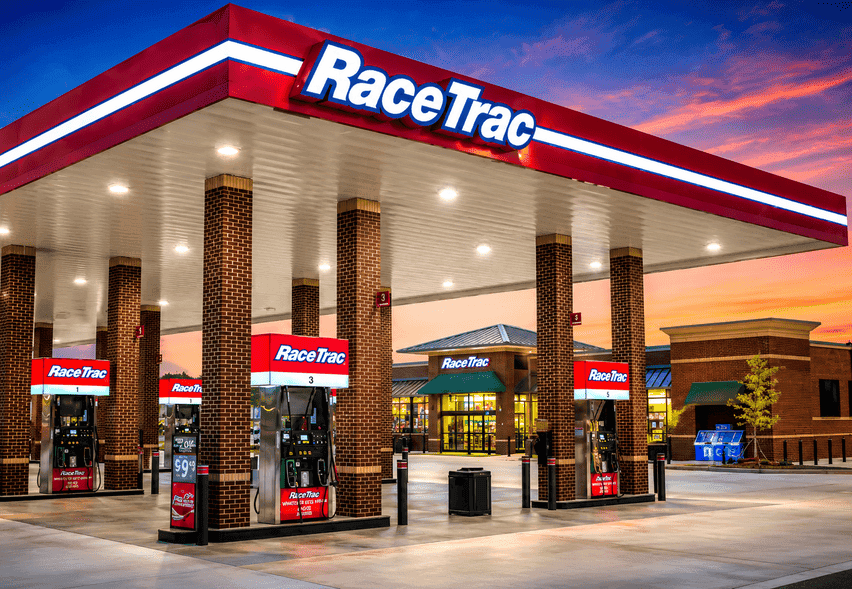
RaceTrac Names Jill Pemberton as New CFO
RaceTrac has appointed Jill Pemberton as chief financial officer, succeeding Karla Ahlert, who moves into the newly created role of chief administrative officer.
News
Aug 26, 2026
RaceTrac has appointed Jill Pemberton as chief financial officer, succeeding Karla Ahlert, who moves into the newly created role of chief administrative officer.
Aug 26, 2026

Learn practical ways to reduce labour costs through smarter scheduling, forecasting, productivity, cross-training, automation, overtime control, and performance monitoring strategies.
Aug 26, 2026

A restaurant P&L statement reveals sales, expenses, and profits, helping owners manage costs, improve margins, and plan finances more effectively.
Aug 26, 2026

A payroll advance policy helps restaurant owners define eligibility, limits, repayment, documentation, approval procedures, and compliance requirements for employee advances.
Aug 24, 2026
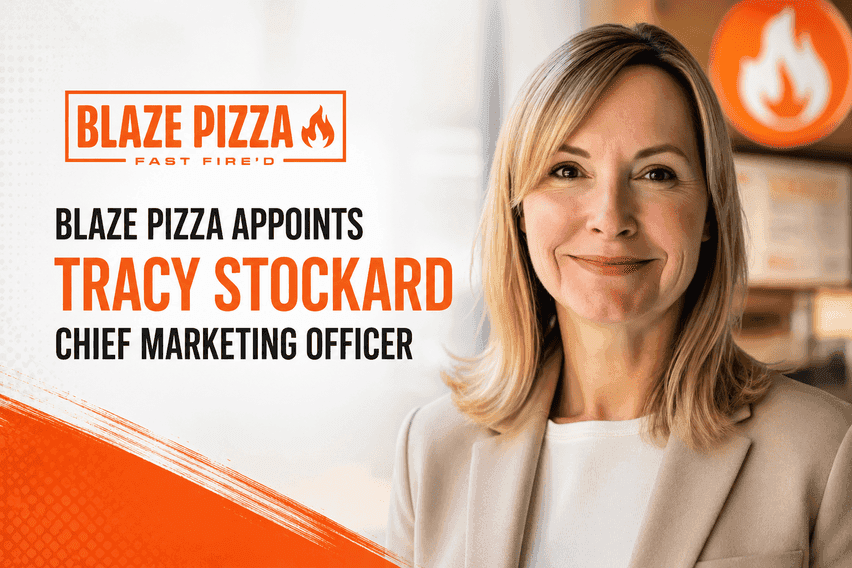
Blaze Pizza welcomes Tracy Stockard as Chief Marketing Officer, bringing decades of brand and franchise experience to drive strategic growth and guest engagement.
Aug 25, 2026

Levain Bakery appoints Lorna Sommerville and Taya Stenson as co-CEOs, blending operational and marketing expertise to power national expansion and innovation while staying rooted in its brand values.
Aug 25, 2026

Create a practical restaurant marketing plan by setting goals, targeting customers, choosing channels, budgeting wisely, scheduling campaigns, and measuring results.
Aug 24, 2026
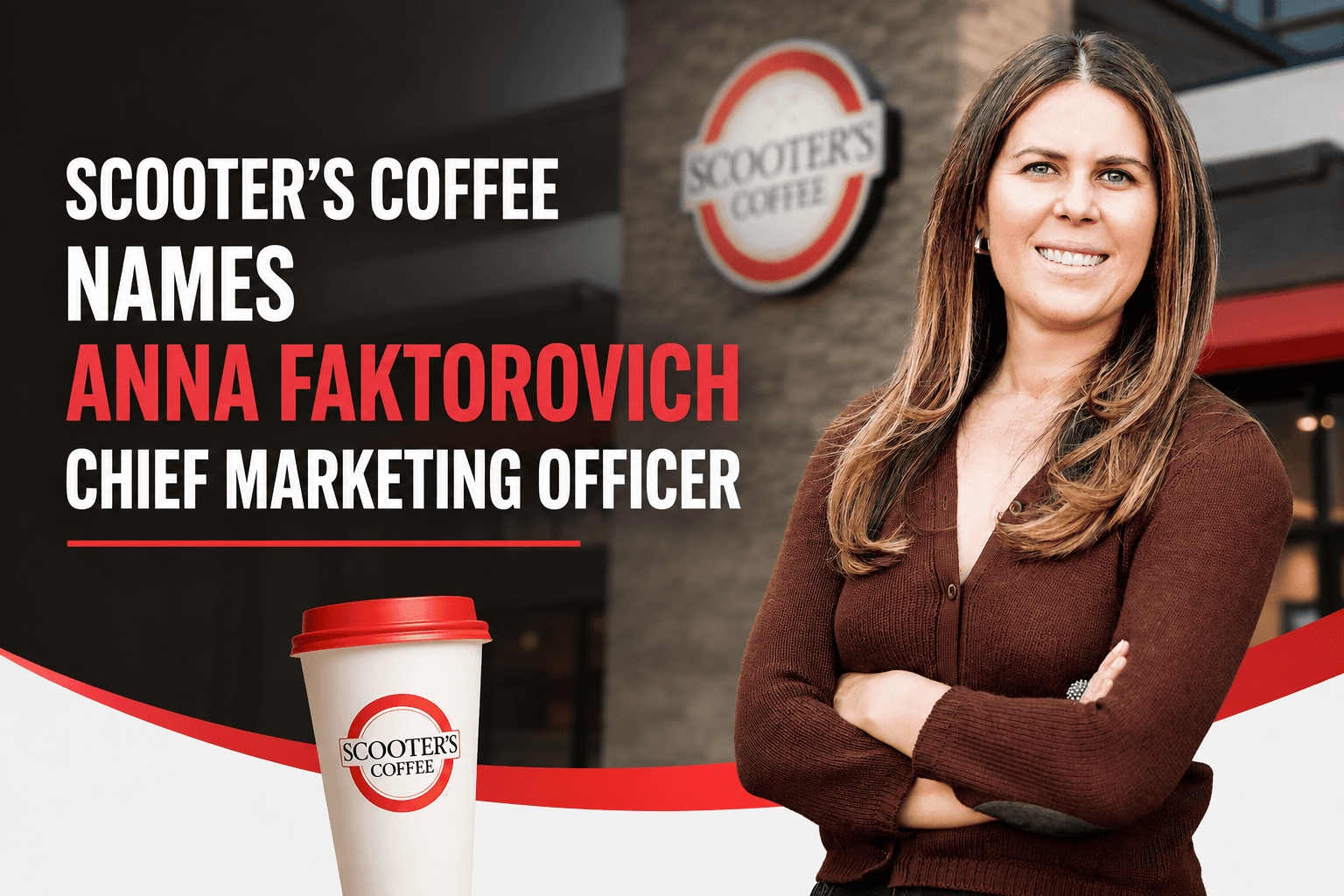
Anna Faktorovich, a seasoned marketing executive, has been named Chief Marketing Officer at Scooter’s Coffee, bringing decades of multi-brand experience to fuel the franchise’s next growth stage.
Aug 25, 2026
Dave & Buster's refreshes its executive lineup with seasoned leaders in operations, marketing, tech, and finance - signaling a growth-driven future for restaurant operators to watch.
Aug 24, 2026
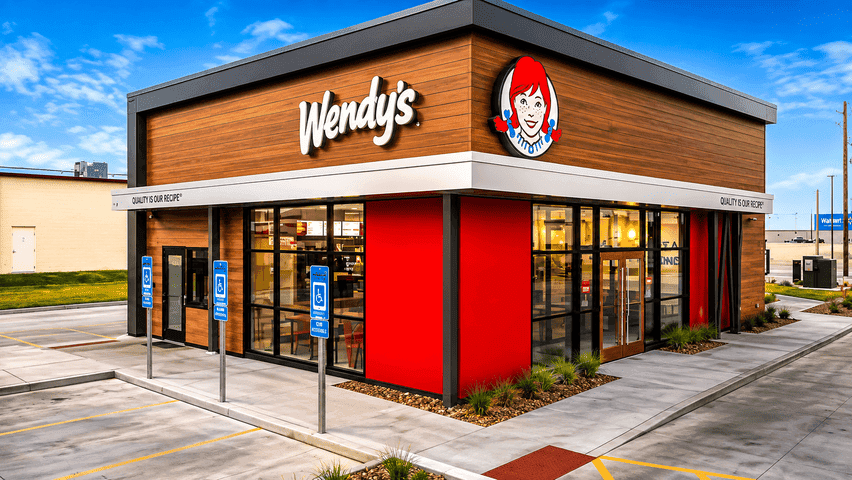
Wendy’s announces Tariq Hassan as Chief Marketing and Customer Growth Officer, charting a new course for brand and digital innovation. What restaurant owners can learn.
Aug 24, 2026

Unlock Exclusive Access To Webinars, Events, And The Latest News For Free!
Explore how Wendy's leverages customer experience and AI technology to drive frequency and sales growth.

Photo by Batu Gezer

Photo by Batu Gezer
At the core of Wendy's strategy lies the belief that customer experience and visit frequency are interdependent. By providing exceptional service and positive experiences, Wendy's aims to increase the frequency of customer visits. This approach acknowledges that satisfied customers are more likely to return frequently, driving revenue growth.
Wendy's CEO emphasizes hospitality as a crucial element in driving customer frequency. Offering a warm welcome, personalized service, and a pleasant dining environment can significantly impact how often customers choose to patronize the restaurant. By prioritizing hospitality, Wendy's creates a welcoming atmosphere that encourages repeat visits.
Wendy's Fresh AI platform represents a pivotal part of the company's strategy to enhance customer experience and drive sales growth. By leveraging digital menu boards and AI-powered drive-thru ordering, Wendy's provides customers with a seamless and personalized ordering process. This technology enables Wendy's to offer tailored recommendations, improving the overall customer experience.
While still in the early stages of implementing their customer experience initiatives, Wendy's has already seen promising results from their investments. The Fresh AI platform has contributed to stronger sales and positive customer feedback. This early success indicates a bright future for Wendy's as they continue to focus on enhancing customer experiences and increasing visit frequency.
Despite positive developments in customer experience and technology, Wendy's has faced challenges due to economic uncertainties impacting consumer spending. The pullback in spending has impacted Wendy's second quarter sales results, leading to a decline in same-store and global sales. This highlights the importance of adapting strategies to external economic conditions.