How to Build Your Restaurant Back Office Software Stack
Learn how to build a restaurant back office software stack that improves efficiency, integrations, reporting, cost control, and scalability overall.
Back Office
Aug 21, 2026
Learn how to build a restaurant back office software stack that improves efficiency, integrations, reporting, cost control, and scalability overall.
Aug 21, 2026
Clear operating procedures help restaurants manage opening, closing, food preparation, sanitation, guest service, inventory, staffing, and routine operational reviews effectively.
Aug 21, 2026
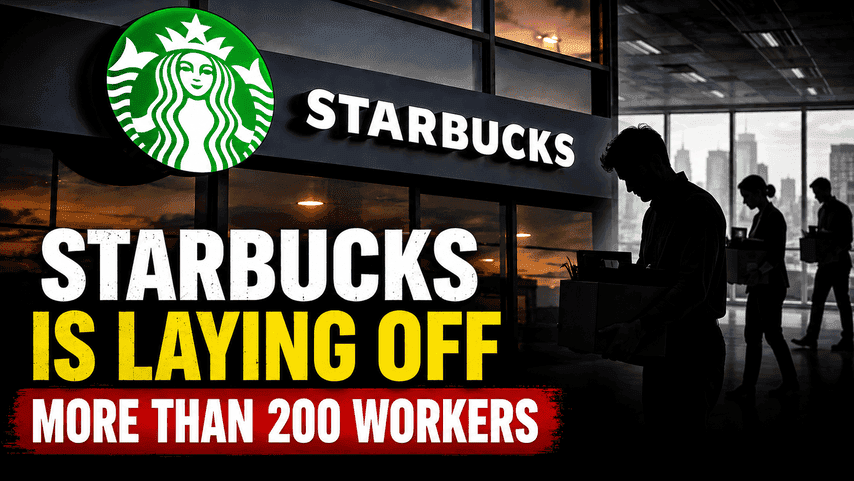
Starbucks is making strategic staffing changes, laying off 200+ workers as it restructures operations and prepares for future growth in southern and eastern regions.
Aug 21, 2026
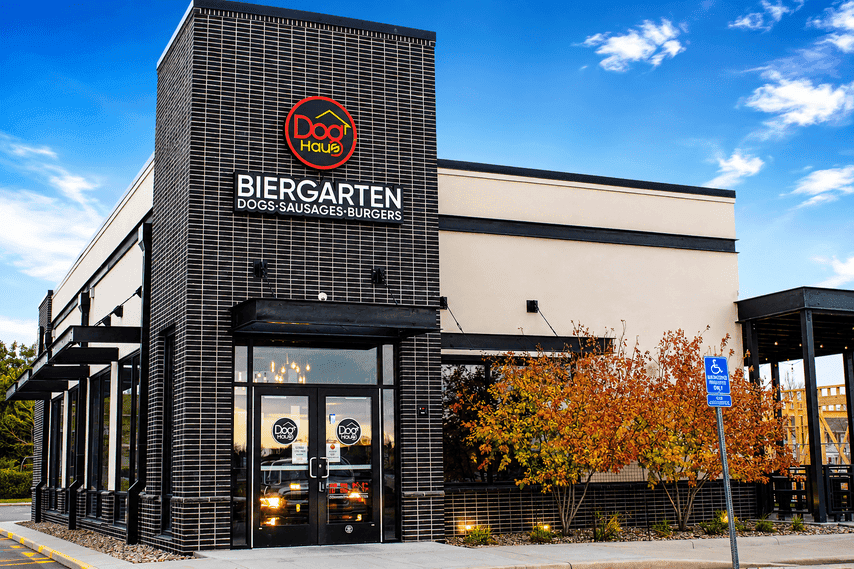
Dog Haus appoints James Field as chief marketing officer and promotes CJ Ramirez to chief experience officer, setting the stage for innovative brand growth and franchisee success in the national restaurant scene.
Aug 21, 2026

Learn how to open a restaurant with no experience by planning your concept, budget, location, team, operations, and successful launch.
Aug 19, 2026
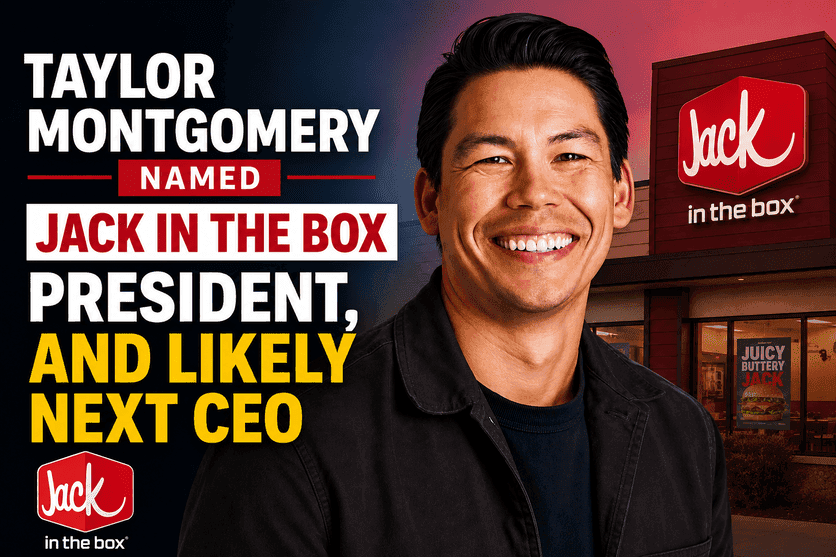
Taco Bell’s Taylor Montgomery has been appointed as President of Jack in the Box, positioning him to take over as CEO within a year - signaling major shifts for the QSR brand's future.
Aug 20, 2026
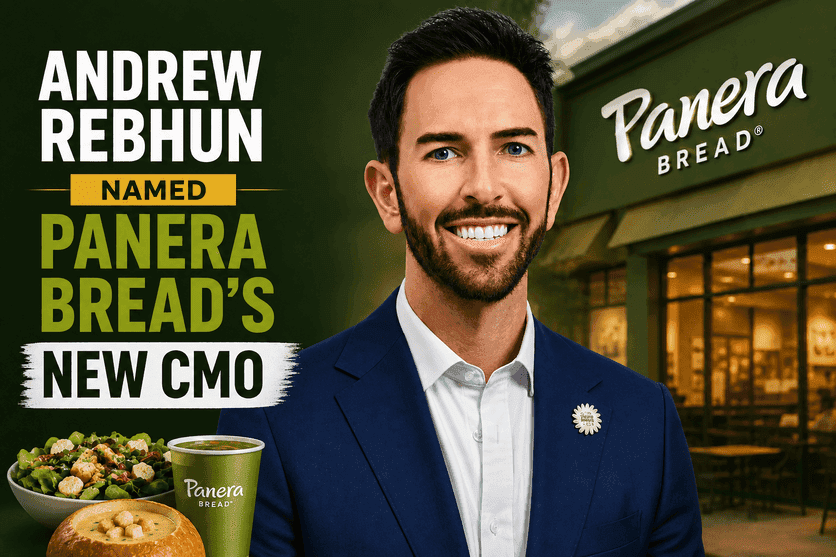
Panera Bread welcomes Andrew Rebhun as Chief Marketing Officer, succeeding Mark Shambura. Learn about his background at CAVA, El Pollo Loco, and McDonald's.
Aug 20, 2026

Payroll advances help restaurant owners give hourly employees earlier access to earned wages while maintaining accurate records, policies, and compliance.
Aug 19, 2026

Explore the main types of ordering technology restaurants use to improve accuracy, speed, payments, customer convenience, and operational efficiency daily.
Aug 17, 2026

Learn the eight essential steps of the restaurant payroll process, from tracking hours and calculating wages to payments and recordkeeping.
Aug 17, 2026

Unlock Exclusive Access To Webinars, Events, And The Latest News For Free!
Explore how Starbucks is leveraging its employees to drive a successful turnaround, focusing on customer experience and operational improvements.
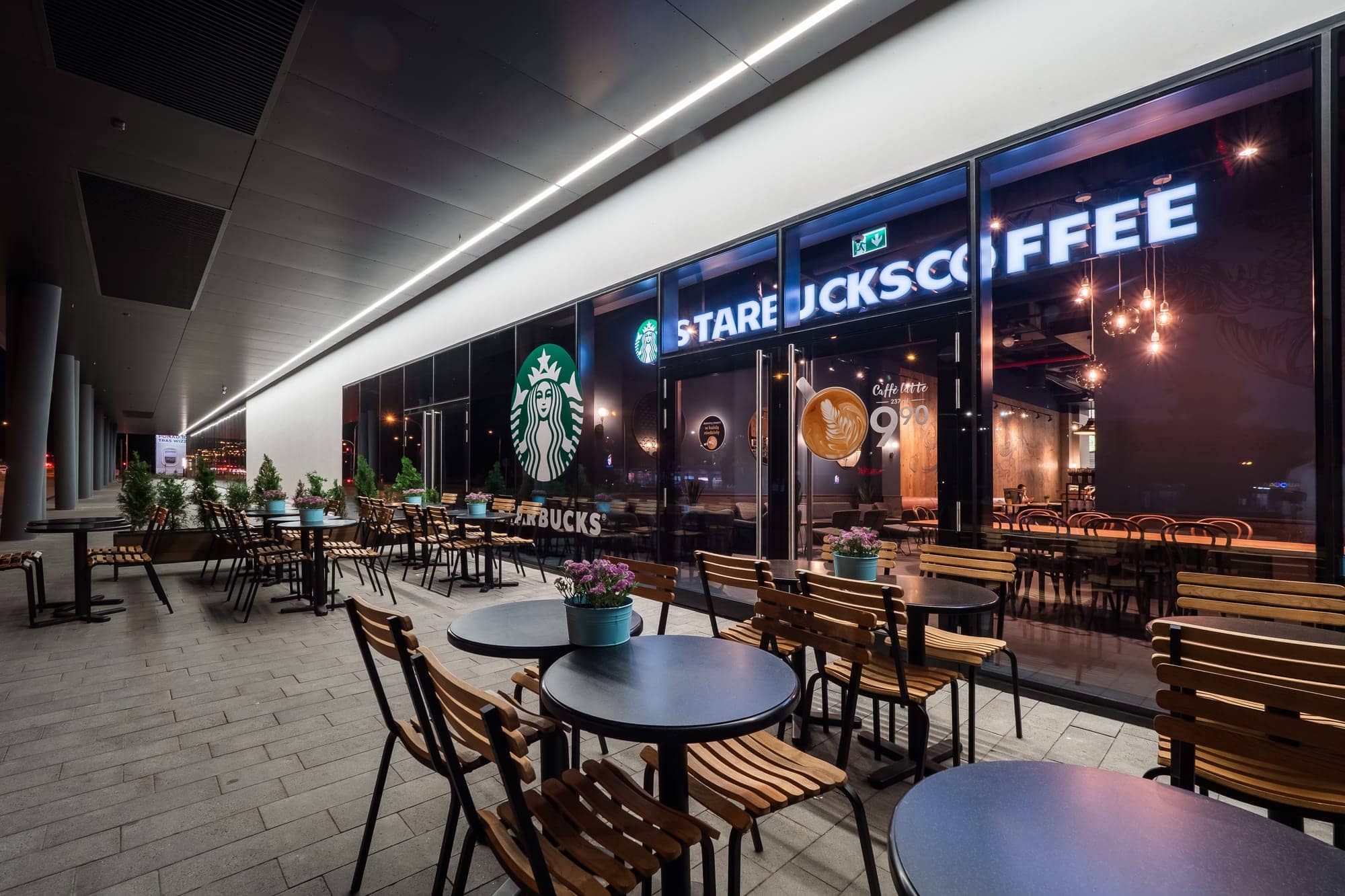
Starbucks' commitment to its turnaround effort revolves around the essential role of its employees in delivering the exceptional customer experience required for the company to regain growth momentum. By focusing on empowering its workforce, Starbucks aims to not only rebuild its business but create a stronger and more customer-centric brand.
Global comparable store sales have seen a 1% year-over-year decline in the second quarter of 2025, showcasing an improvement from the previous 4% decline reported in the first quarter. As Starbucks continues its operational enhancements and customer-focused strategies, the positive shift in sales performance indicates that the company's efforts are bearing fruit.

One of the key strategies Starbucks is implementing is investing in labor to better support its employees, especially during peak hours. By filling 500,000 more shifts in the second quarter of 2025 compared to the previous year, Starbucks is aiming to improve customer interactions, increase transaction efficiency, and elevate the overall experience for both customers and partners.
Through the introduction of a new staffing and deployment pilot, Starbucks has successfully improved service speed and customer connections. By testing an order sequencing algorithm, Starbucks reduced in-store and drive-thru service times, resulting in an average two-minute decrease in cafe wait times. This operational optimization is crucial in delivering a seamless and efficient service experience to customers.
While the increased investment in labor has impacted Starbucks' operating margin, which fell by 4.5% year over year, the company believes that this strategic move will lead to capturing additional demand, driving more transactions, and ultimately accelerating growth. CFO Cathy Smith's perspective on balancing labor costs with financial results highlights Starbucks' dedication to achieving long-term sustainability through operational effectiveness.
Although Starbucks has focused on enhancing its labor force, the issue of wages, particularly raised by the Starbucks Workers United union, remains under discussion. The demand for a $20 minimum wage for baristas and a $25.40 minimum wage for shift supervisors indicates ongoing labor challenges within the company. Balancing the need for competitive compensation while ensuring operational efficiency will be a key balancing act for Starbucks moving forward.