
The Ultimate Guide to Restaurant Labor Management
Restaurant labor management helps owners optimize staffing, control labor costs, improve productivity, monitor overtime, and maintain efficient restaurant operations.
Back Office
Sep 2, 2026
Restaurant labor management helps owners optimize staffing, control labor costs, improve productivity, monitor overtime, and maintain efficient restaurant operations.
Sep 2, 2026
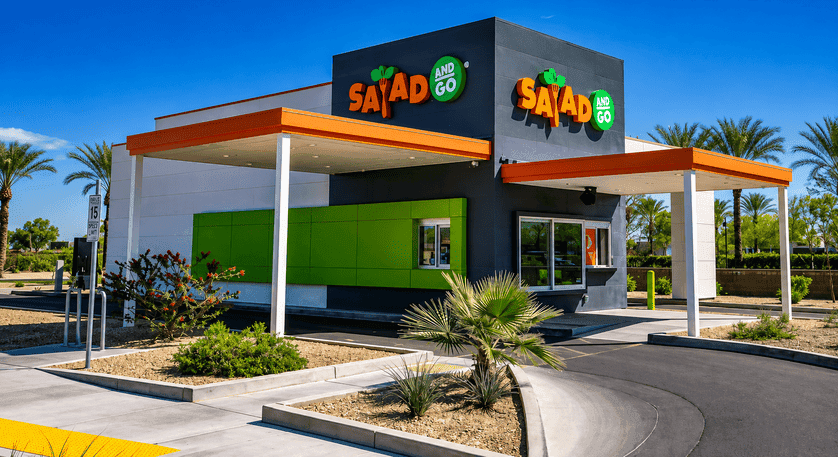
7 Brew has acquired 73 former Salad and Go locations, surpassing Dutch Bros with a $143M bid, signaling a major shift in the competitive landscape for drive-thru brands.
Sep 2, 2026
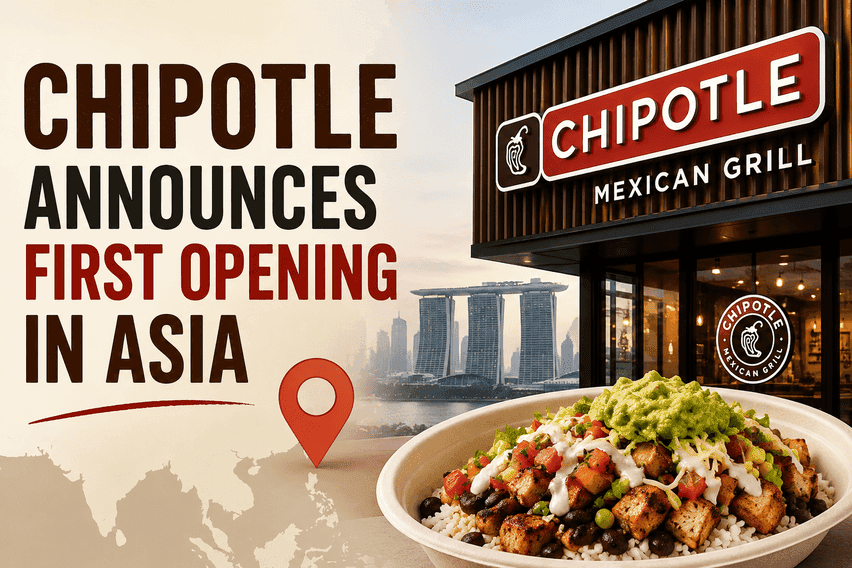
Chipotle makes its highly anticipated entry into Asia with a Seoul opening, partnering with Sangmidang Holdings and setting a template for future international growth.
Sep 2, 2026
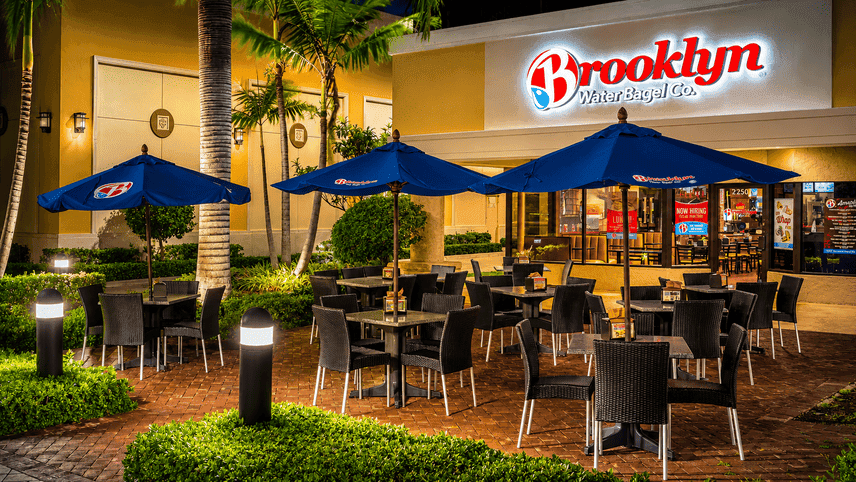
Brooklyn Water Bagel launches its first campus eatery at Nova Southeastern, signaling strategic growth and fresh potential for multi-unit operators seeking new market wins.
Sep 2, 2026
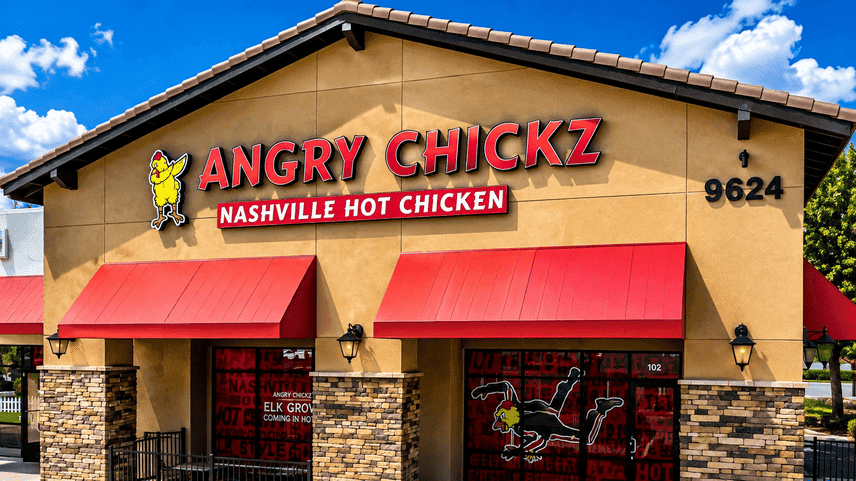
Angry Chickz enters Illinois with its signature hot chicken concept and ambitious plans for Midwest expansion, setting the stage for new franchise opportunities and community engagement.
Sep 2, 2026
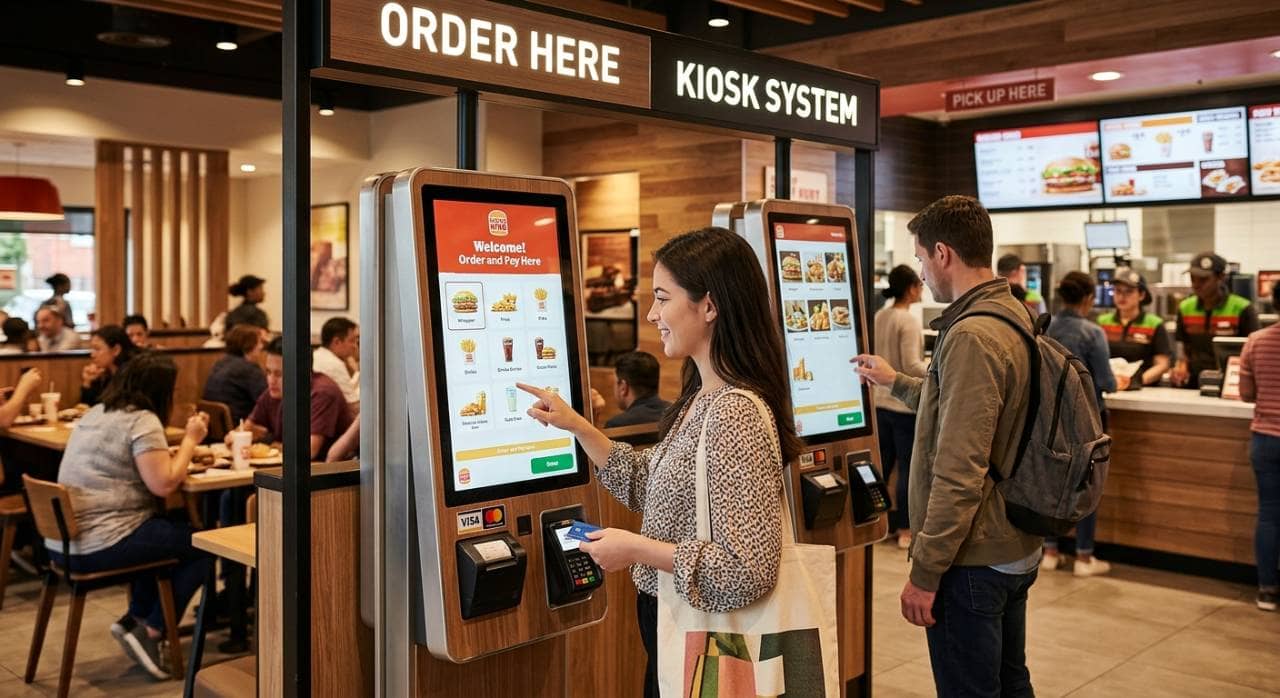
Understand how to evaluate a Kiosk system using key criteria including features, POS integration, hardware, pricing, customer experience, and support.
Aug 31, 2026

Explore restaurant technology trends in 2026, including AI, automation, digital ordering, workforce tools, connected kitchens, personalization, and profitability strategies today.
Aug 28, 2026
Learn how to calculate restaurant cost of goods using inventory, purchases, COGS percentage, variance reviews, and regular tracking for profitability.
Aug 31, 2026

Learn the startup costs of opening an ice cream shop, including rent, equipment, renovations, permits, inventory, labor, marketing, and reserves.
Aug 28, 2026

A restaurant P&L statement reveals sales, expenses, and profits, helping owners manage costs, improve margins, and plan finances more effectively.
Aug 26, 2026

Unlock Exclusive Access To Webinars, Events, And The Latest News For Free!
How restaurant operators are leveraging technology for efficient employer hiring and implementing innovative strategies for employee retention.

Photo by Jason Leung
Employers in the restaurant industry are adapting to a changing landscape by exercising greater discretion in hiring processes. The National Restaurant Association (NRA) highlighted a shift towards saving time for managers by streamlining the recruitment, interviewing, and onboarding processes. This shift is driven by the recognition that time spent on administrative tasks could be better utilized in core operational activities.

Photo by Jason Leung
A significant trend identified by the NRA is the increasing investment in automated labor management, recruitment, and scheduling systems by restaurant operators. Southern Rock Restaurants, a prominent McAlister’s Deli franchisee, exemplifies this technological adoption. By leveraging technology, the company has reduced its hiring time significantly, hiring workers in as little as 24 hours compared to the traditional 14-day average using manual methods.
The NRA report also underlines the growing reliance on employee referral programs in recruitment strategies. Southern Rock Restaurants' use of QR codes and text-to-apply options has facilitated convenient application submissions via mobile devices. Moreover, employee referral programs offer bonuses for successful referrals, merging technology's speed with the credibility of employee endorsements. This approach is echoed in the NRA's finding that operators consider their employees to be the best advocates for attracting new talent.
Despite the benefits of technology, some employers remain anchored to traditional hiring practices, citing managerial preferences. The NRA noted instances where family-owned dining groups continue with manual processes, emphasizing the importance of managerial comfort. However, the success of such establishments in filling shifts showcases that a blend of approaches can be effective in recruitment.
The emphasis on employee retention in the restaurant industry is gaining momentum. Data from Paradox revealed concerning statistics where a significant percentage of candidates dropped off before their start dates, highlighting the retention challenge. To address this, operators are investing in enhanced management communication and proactive support for new hires, aiming to improve employee retention rates.
Standardized training programs, like the '20-day promise' implemented by a multi-brand restaurant company, offer a structured approach to onboarding. By setting clear expectations and shift-by-shift training benchmarks, such programs help employees transition smoothly into their roles, enhancing their overall onboarding experience. Transparency and consistent communication play crucial roles in easing new employees into the organization.