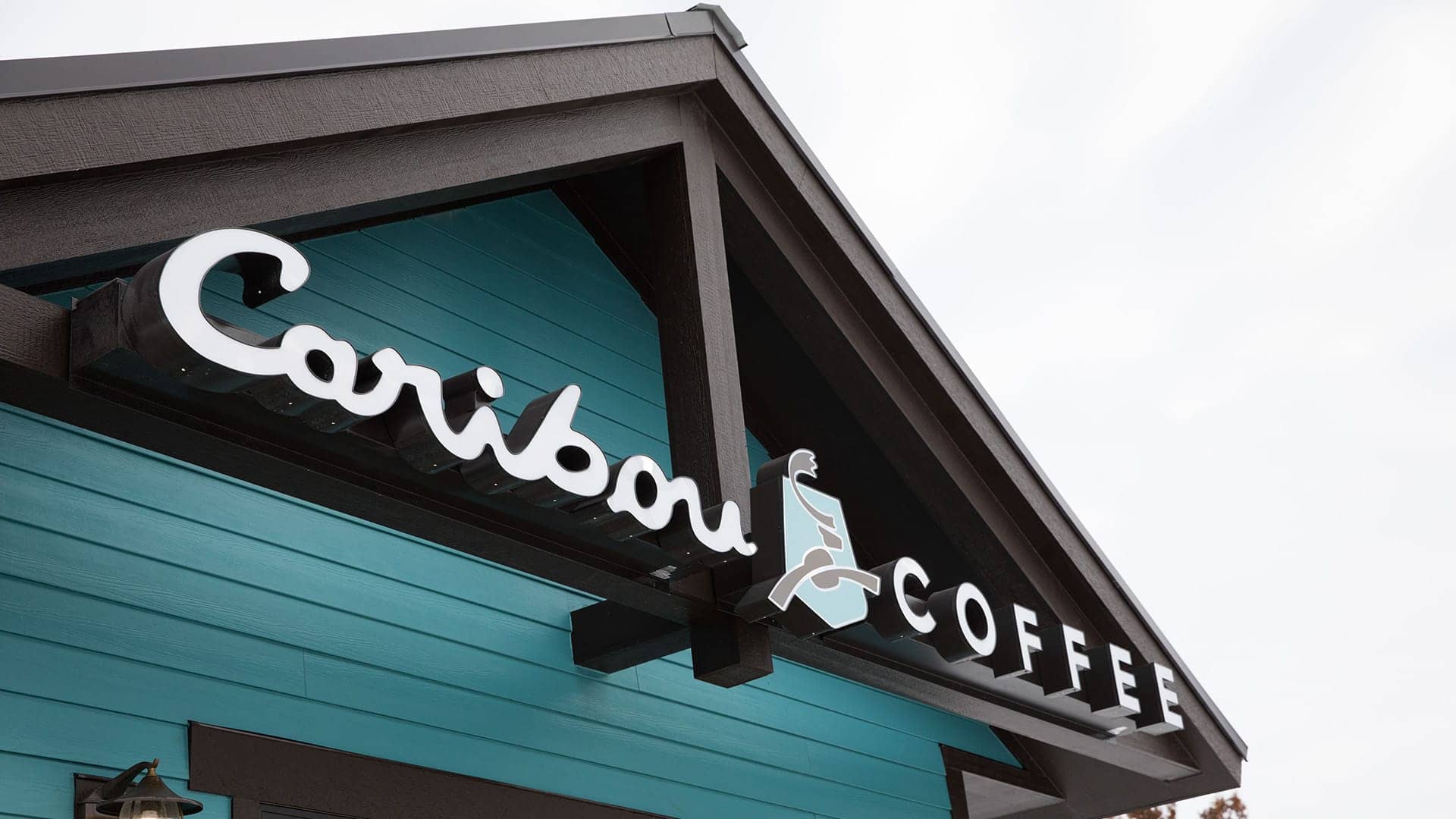
Caribou Coffee Names New COO to Drive Operations Excellence
Caribou Coffee appoints Zane Thomas-Rogers as Chief Operations Officer to strengthen execution across its expanding coffeehouse network.
News
Sep 4, 2026
Caribou Coffee appoints Zane Thomas-Rogers as Chief Operations Officer to strengthen execution across its expanding coffeehouse network.
Sep 4, 2026
Compare the top 10 restaurant POS systems in the USA for 2026. Explore features, pricing, pros, cons, and the best POS options for every restaurant type.
Jul 1, 2026

Learn how to handle restaurant payroll yourself, from calculating hours and wages to managing tips, taxes, and final paychecks.
Sep 2, 2026
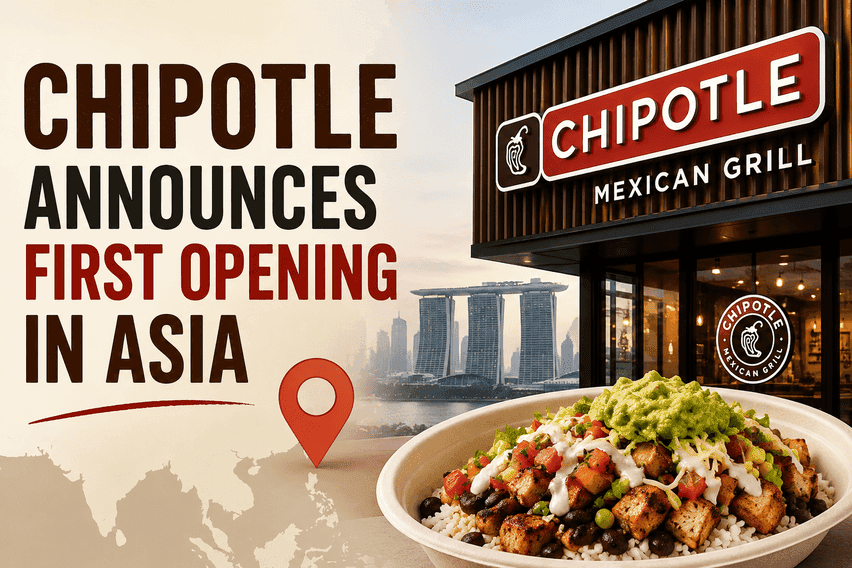
Chipotle makes its highly anticipated entry into Asia with a Seoul opening, partnering with Sangmidang Holdings and setting a template for future international growth.
Sep 2, 2026
Restaurant labor management helps owners optimize staffing, control labor costs, improve productivity, monitor overtime, and maintain efficient restaurant operations.
Sep 2, 2026
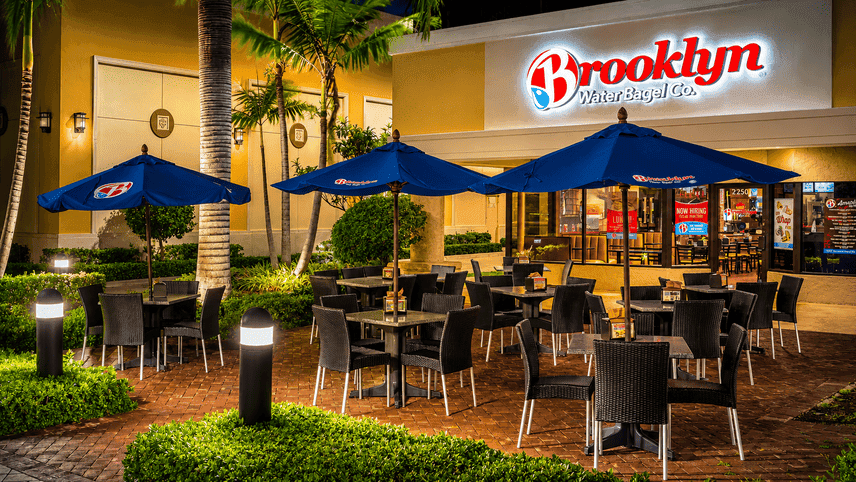
Brooklyn Water Bagel launches its first campus eatery at Nova Southeastern, signaling strategic growth and fresh potential for multi-unit operators seeking new market wins.
Sep 2, 2026
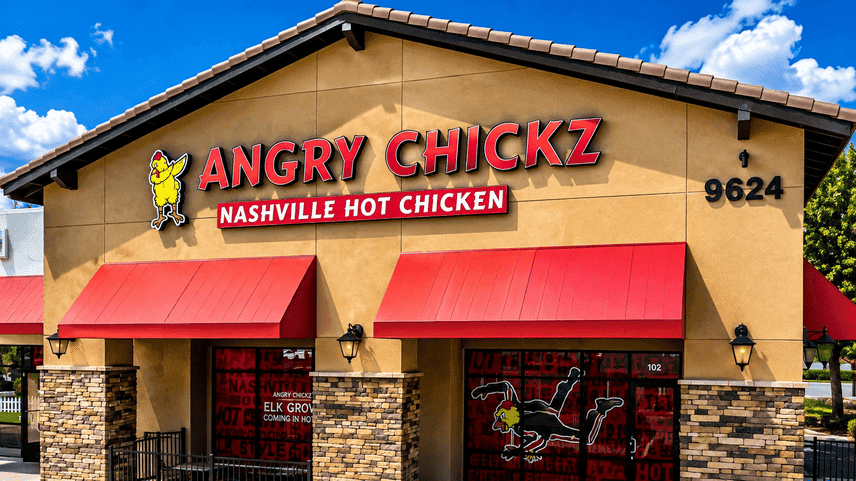
Angry Chickz enters Illinois with its signature hot chicken concept and ambitious plans for Midwest expansion, setting the stage for new franchise opportunities and community engagement.
Sep 2, 2026
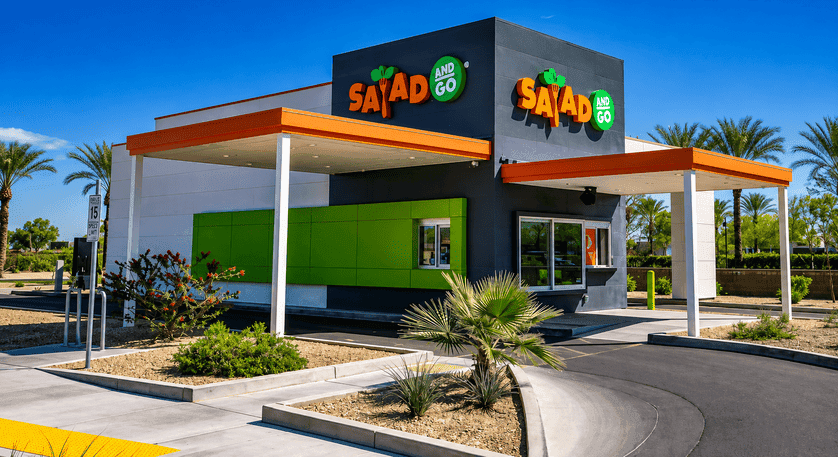
7 Brew has acquired 73 former Salad and Go locations, surpassing Dutch Bros with a $143M bid, signaling a major shift in the competitive landscape for drive-thru brands.
Sep 2, 2026
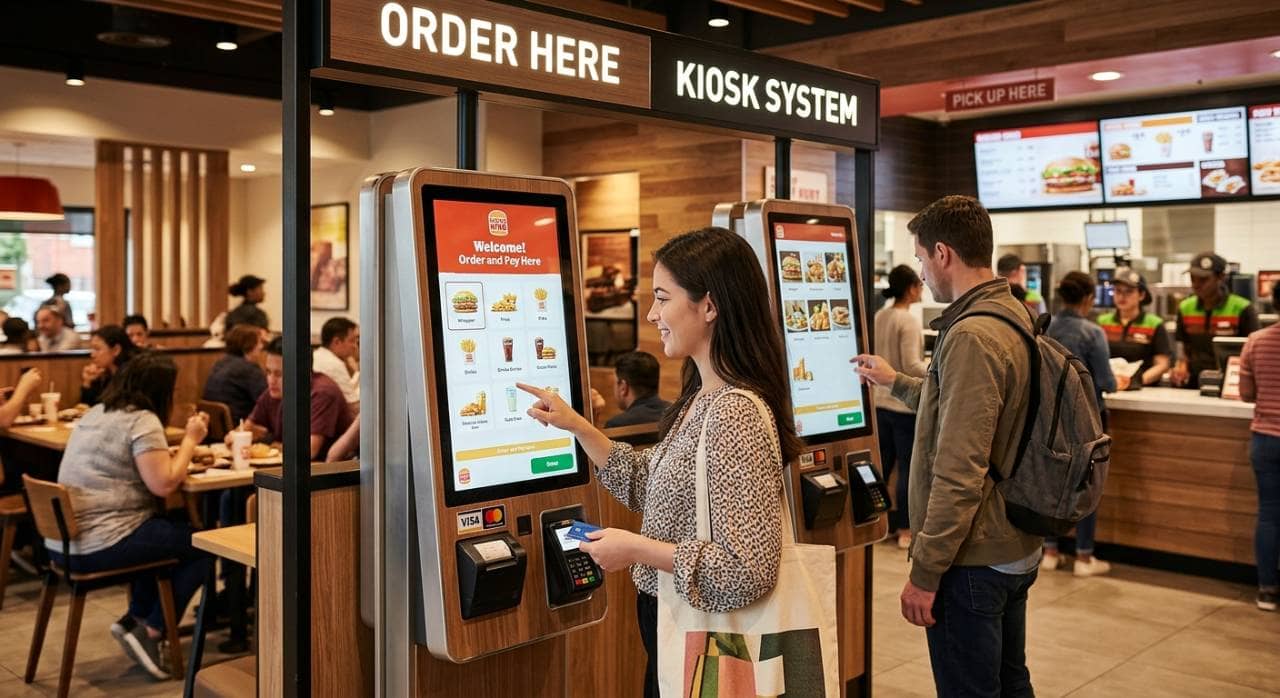
Understand how to evaluate a Kiosk system using key criteria including features, POS integration, hardware, pricing, customer experience, and support.
Aug 31, 2026
Learn how to calculate restaurant cost of goods using inventory, purchases, COGS percentage, variance reviews, and regular tracking for profitability.
Aug 31, 2026

Unlock Exclusive Access To Webinars, Events, And The Latest News For Free!
Understand the compensation gaps between CEOs and median workers in top fast food chains. Explore how major companies justify these wage disparities.

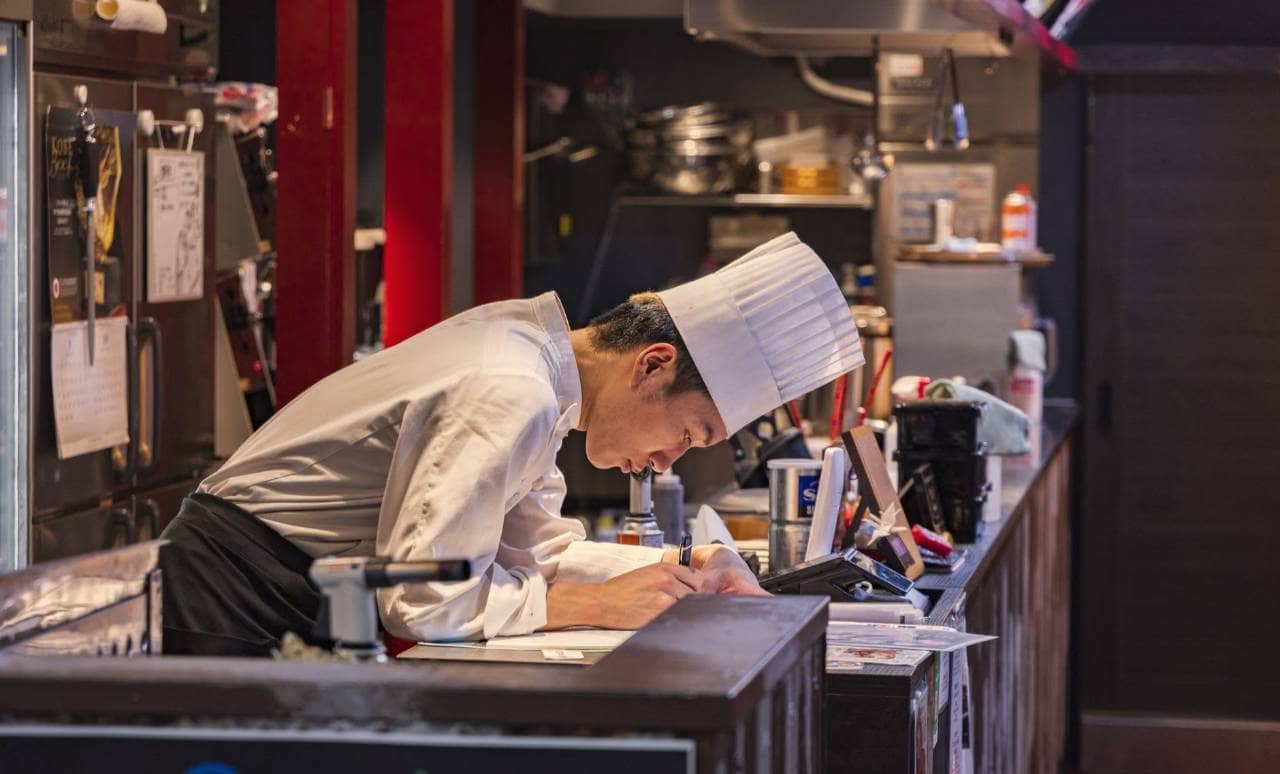
Photo by Dominik Martin
In the fast food industry, the disparity between CEO compensation and median worker pay has been a topic of intense debate. Major restaurant chains like Starbucks, Chipotle, McDonald’s, and others have come under scrutiny for the significant gaps in earnings between their top executives and the average employee. These discrepancies are often highlighted through the CEO-to-worker pay ratios, revealing staggering figures like 6,666 to 1, 1,354 to 1, and 1,440 to 1, among others in different companies.
While companies argue that high CEO pay is necessary to attract and retain top talent, critics view these wage gaps as unjust and unsustainable. The rationale behind such large differentials often revolves around perceived value, expertise, and responsibilities associated with executive roles. However, activists and labor unions have criticized these practices, advocating for fairer wages and better working conditions for employees at all levels.
Starbucks and Chipotle serve as notable examples in the fast food sector where CEO compensation has raised eyebrows. The hires of executives like Brian Niccol, with multi-million dollar compensation packages, have sparked discussions about equity and fairness in wage distribution within these companies. Starbucks Workers United's push for higher minimum wages reflects the grassroots movements seeking to address income inequality within the industry.

Photo by Dominik Martin
The wide salary gaps between CEOs and median workers in fast-food chains can have far-reaching effects beyond financial implications. Employees, aware of these disparities, might feel demotivated or undervalued, impacting their morale and productivity. Moreover, such discrepancies can tarnish a company's public image, especially in an era where corporate social responsibility and ethical business practices are under increased scrutiny.