
Restaurant Technology Trends in 2026
Explore restaurant technology trends in 2026, including AI, automation, digital ordering, workforce tools, connected kitchens, personalization, and profitability strategies today.
Technology
Aug 28, 2026
Explore restaurant technology trends in 2026, including AI, automation, digital ordering, workforce tools, connected kitchens, personalization, and profitability strategies today.
Aug 28, 2026
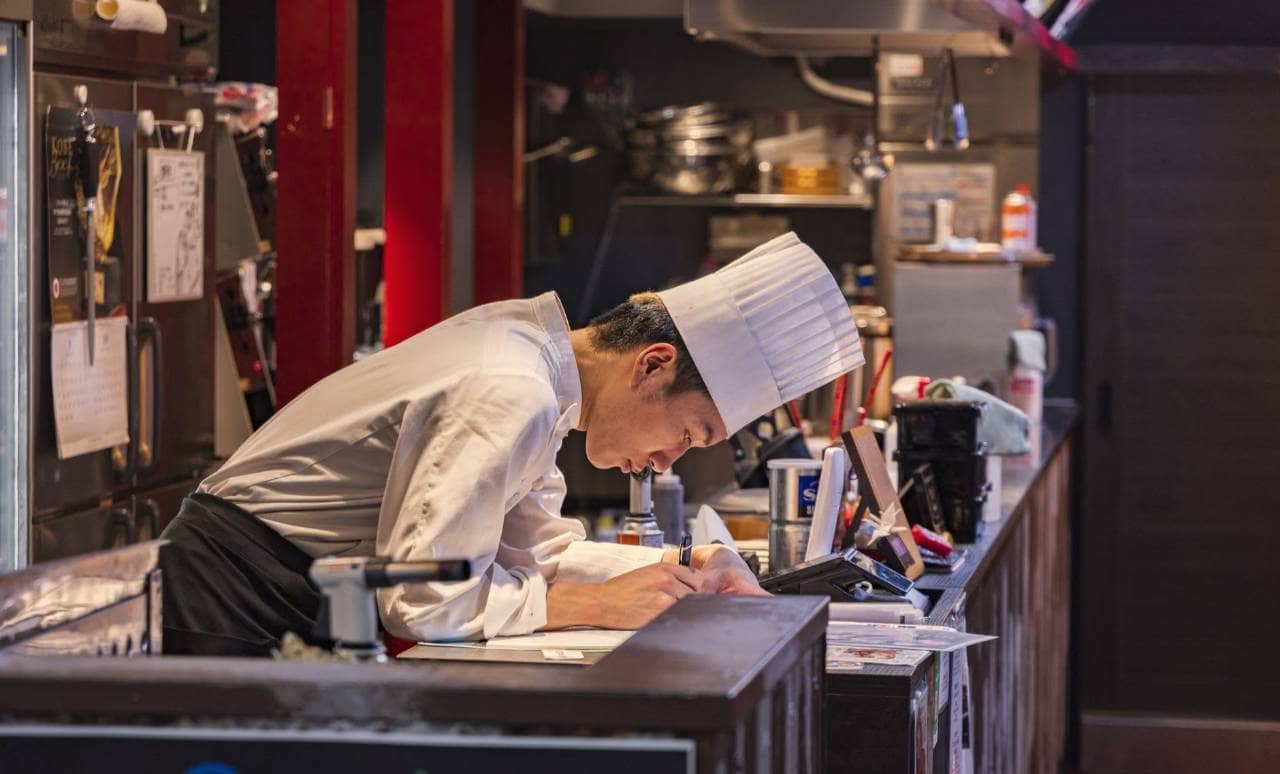
Learn how to calculate restaurant cost of goods using inventory, purchases, COGS percentage, variance reviews, and regular tracking for profitability.
Aug 31, 2026
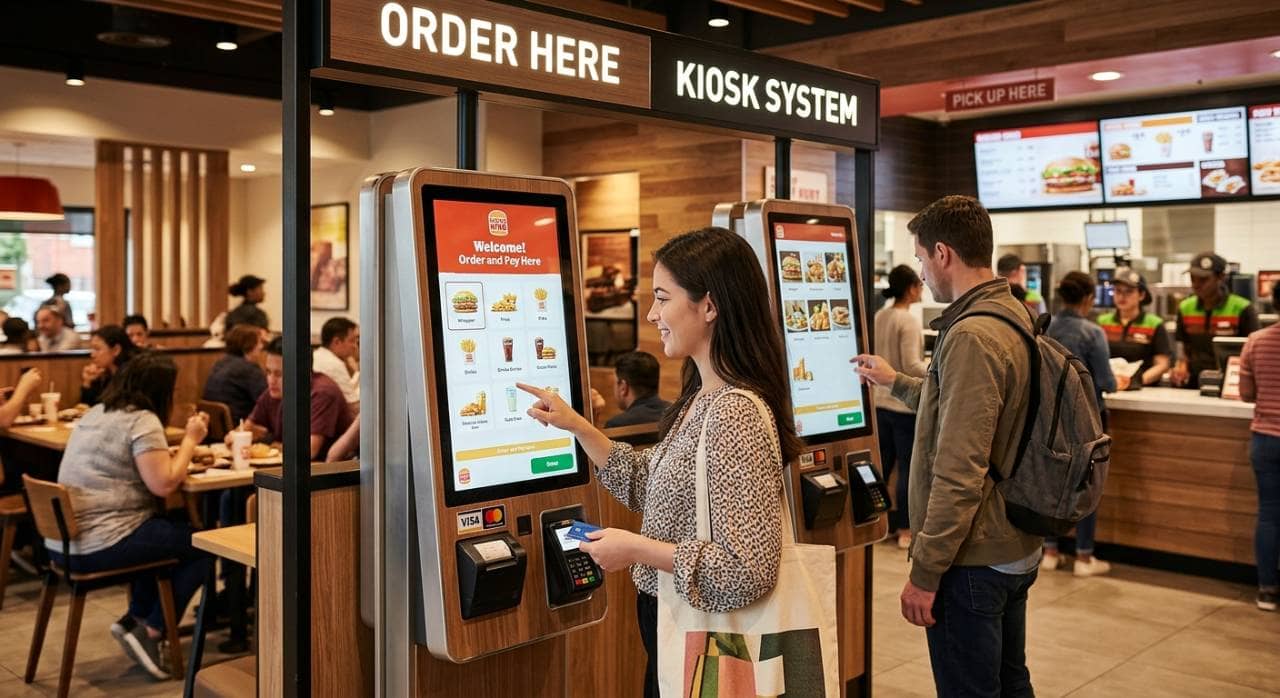
Understand how to evaluate a Kiosk system using key criteria including features, POS integration, hardware, pricing, customer experience, and support.
Aug 31, 2026
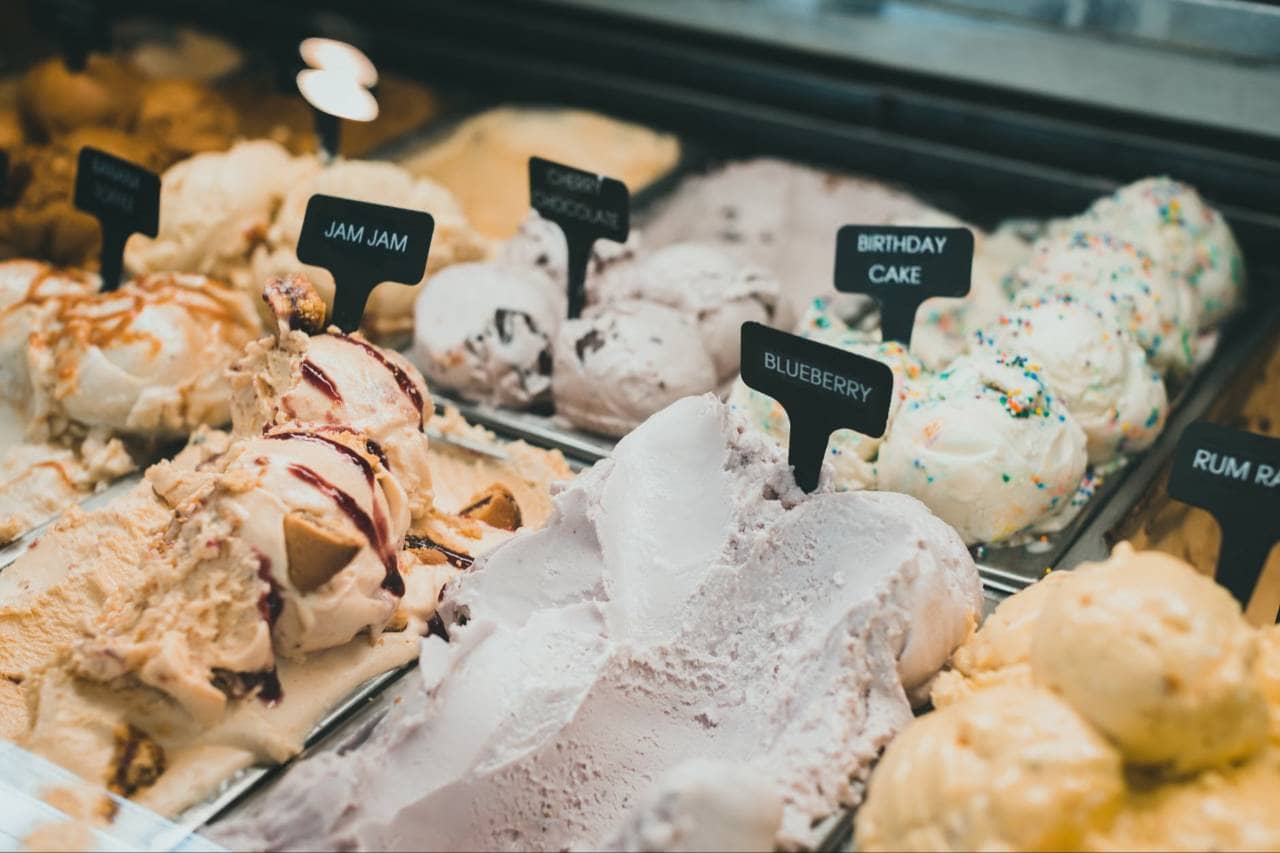
Learn the startup costs of opening an ice cream shop, including rent, equipment, renovations, permits, inventory, labor, marketing, and reserves.
Aug 28, 2026

A restaurant P&L statement reveals sales, expenses, and profits, helping owners manage costs, improve margins, and plan finances more effectively.
Aug 26, 2026
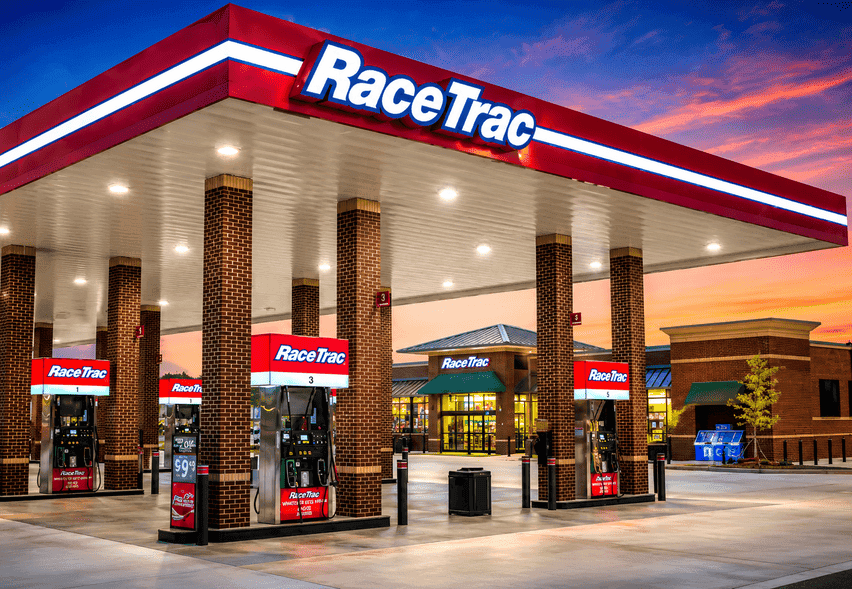
RaceTrac has appointed Jill Pemberton as chief financial officer, succeeding Karla Ahlert, who moves into the newly created role of chief administrative officer.
Aug 26, 2026
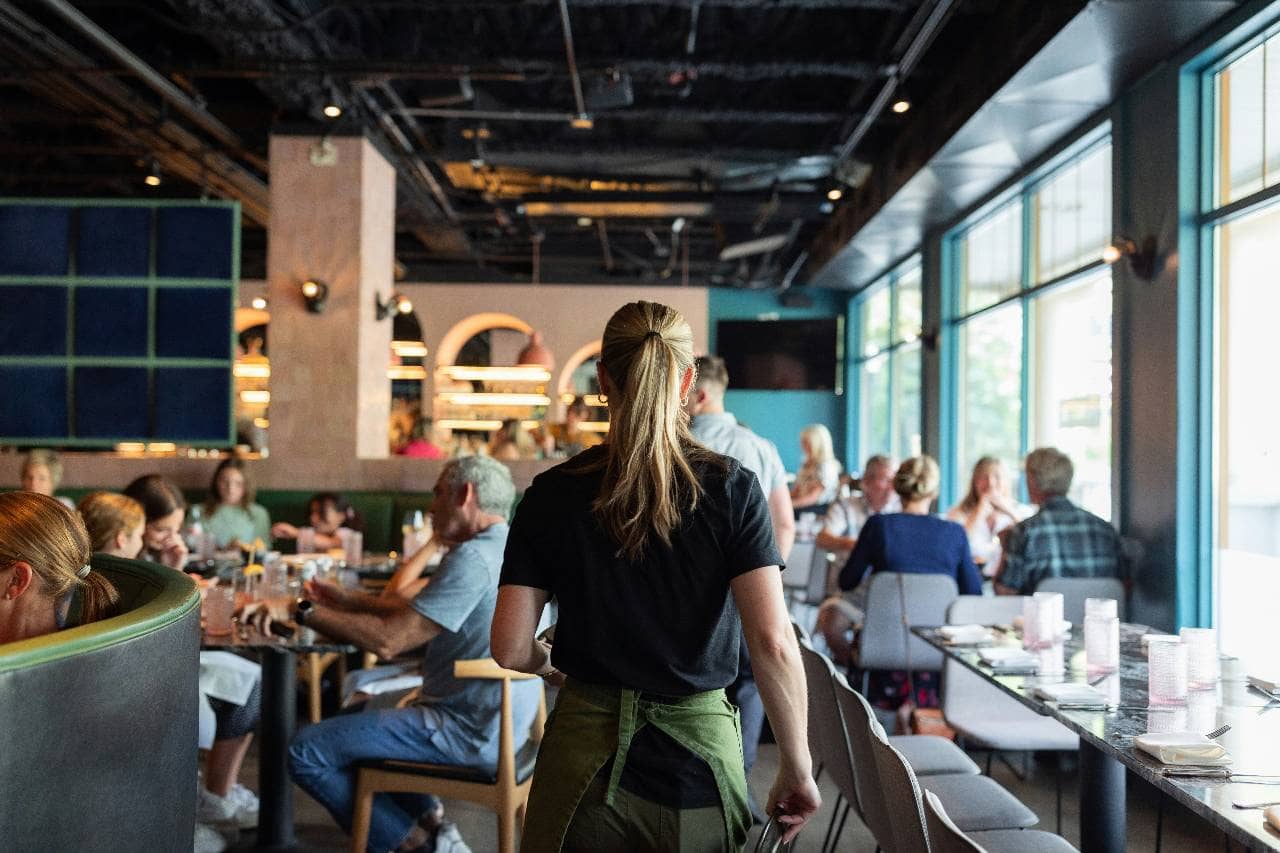
Learn practical ways to reduce labour costs through smarter scheduling, forecasting, productivity, cross-training, automation, overtime control, and performance monitoring strategies.
Aug 26, 2026

Create a practical restaurant marketing plan by setting goals, targeting customers, choosing channels, budgeting wisely, scheduling campaigns, and measuring results.
Aug 24, 2026

Levain Bakery appoints Lorna Sommerville and Taya Stenson as co-CEOs, blending operational and marketing expertise to power national expansion and innovation while staying rooted in its brand values.
Aug 25, 2026

A payroll advance policy helps restaurant owners define eligibility, limits, repayment, documentation, approval procedures, and compliance requirements for employee advances.
Aug 24, 2026

Unlock Exclusive Access To Webinars, Events, And The Latest News For Free!
Discover how White Castle's strategic menu updates and technological advancements have driven consumer interest and success in the fast-food industry.
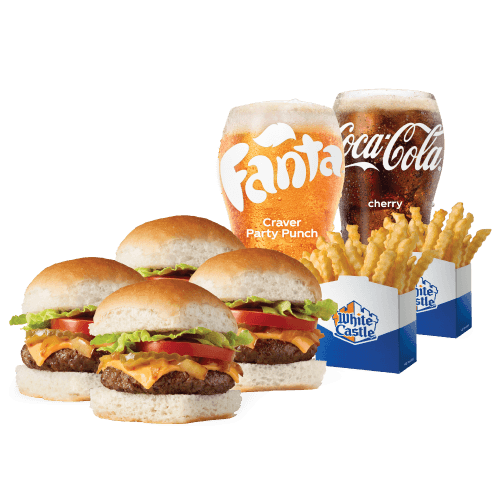
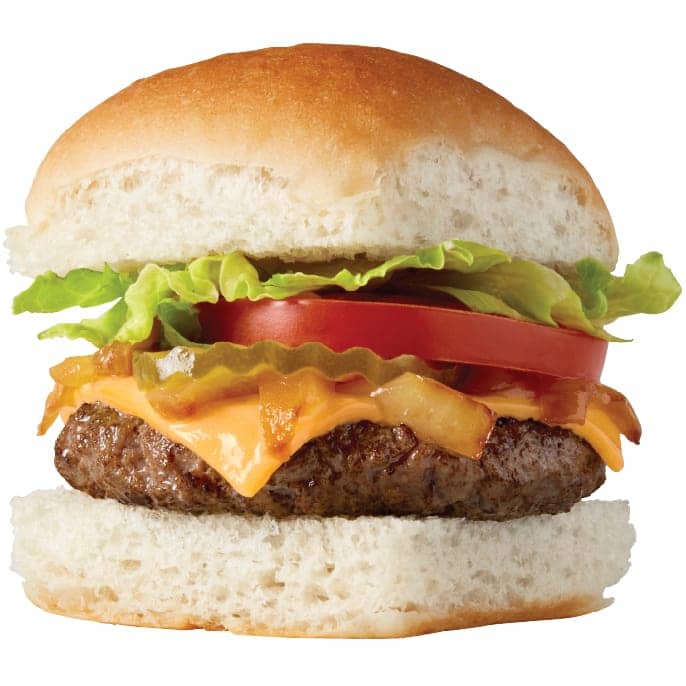
White Castle, a renowned fast-food chain, has captured consumer interest by constantly reinventing its menu offerings. In 2021, the introduction of Crispy Chicken Sliders marked a significant milestone as the chain's first permanent premium item in three years. This strategic move not only delighted existing customers but also attracted new ones looking for upgraded fast-food options. Additionally, White Castle's rotation of limited-time offerings like Shrimp Nibblers, French Toast Sliders, and varied flavors of Chicken Rings keeps the menu fresh and exciting.
White Castle's foray into new territories has been met with tremendous enthusiasm from consumers. With its Florida location setting a single-day sales record and the Arizona grand opening drawing in over 200 eager customers, it's evident that the brand's expansion strategy is working. By strategically choosing locations with high potential and demand, White Castle has successfully generated buzz and curiosity among fast-food enthusiasts, propelling its growth and popularity.
In a rapidly evolving industry, White Castle has embraced cutting-edge technologies to enhance both guest satisfaction and operational efficiency. Introducing bot delivery services, drive-thru voice automation, and back-of-house robotic fry cooks showcase the brand's commitment to innovation. These technological integrations streamline processes, reduce wait times, and elevate the overall dining experience for customers, positioning White Castle as a forward-thinking player in the competitive quick-service restaurant landscape.

White Castle's success story is not an isolated case in the regional quick-service restaurant (QSR) landscape. Brands like In-n-Out are also venturing beyond their traditional territories to explore new markets. This shift indicates a broader trend where regional chains are leveraging strategic expansions to tap into new consumer bases and drive growth. By diversifying their presence and adapting to local preferences, these brands are reshaping the QSR industry and setting new standards for innovation and expansion.