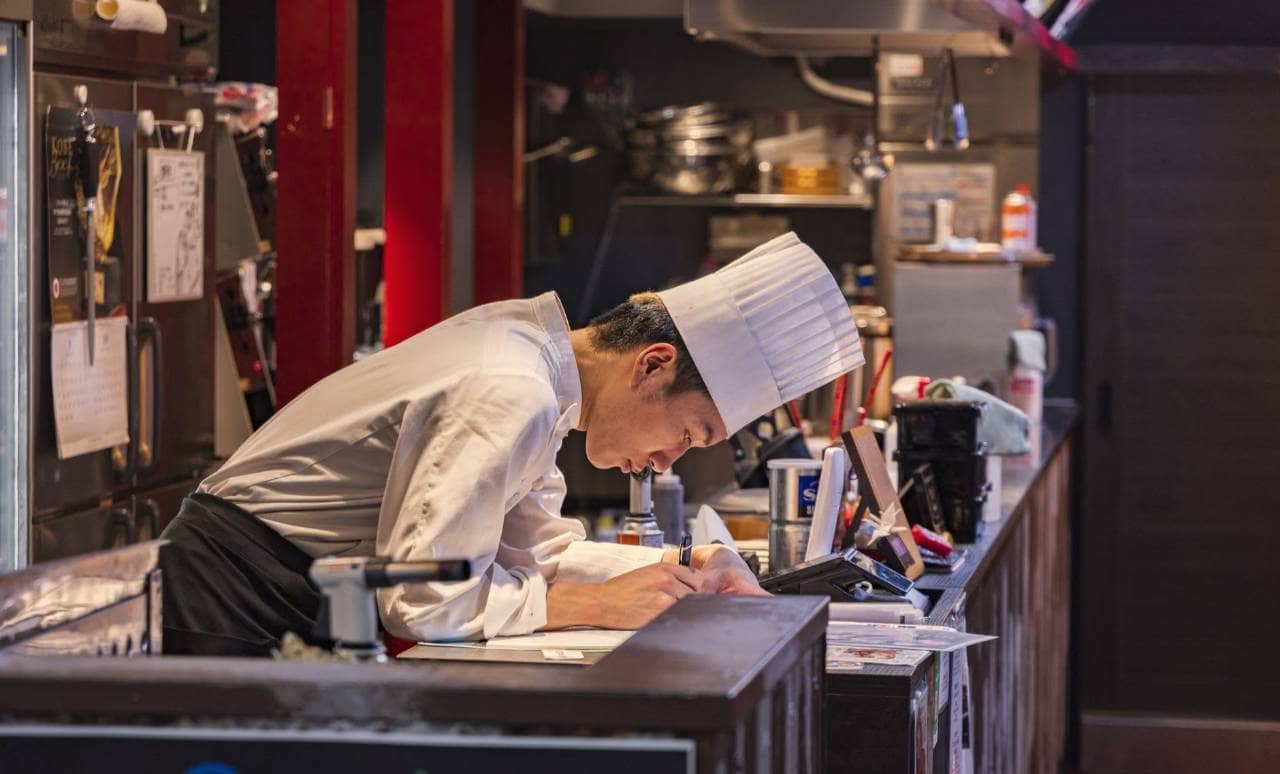
How to Calculate Cost of Goods Sold for a Restaurant
Learn how to calculate restaurant cost of goods using inventory, purchases, COGS percentage, variance reviews, and regular tracking for profitability.
Accounting
Aug 31, 2026
Learn how to calculate restaurant cost of goods using inventory, purchases, COGS percentage, variance reviews, and regular tracking for profitability.
Aug 31, 2026

Explore restaurant technology trends in 2026, including AI, automation, digital ordering, workforce tools, connected kitchens, personalization, and profitability strategies today.
Aug 28, 2026
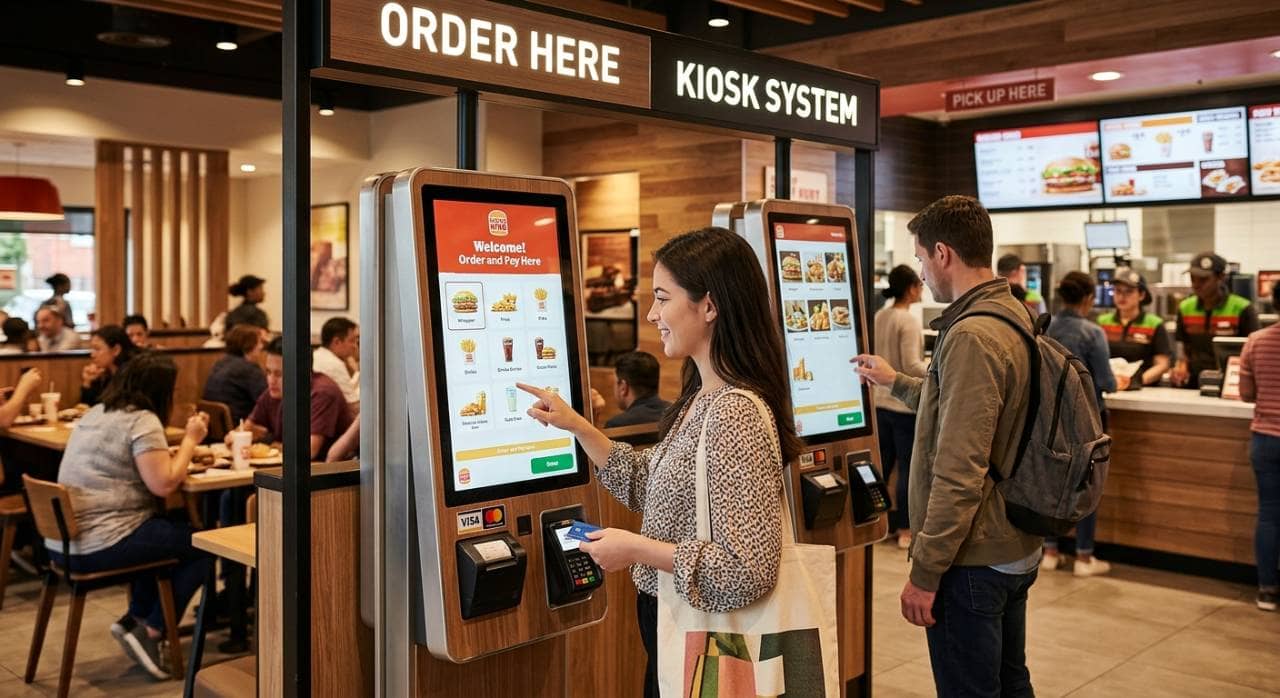
Understand how to evaluate a Kiosk system using key criteria including features, POS integration, hardware, pricing, customer experience, and support.
Aug 31, 2026
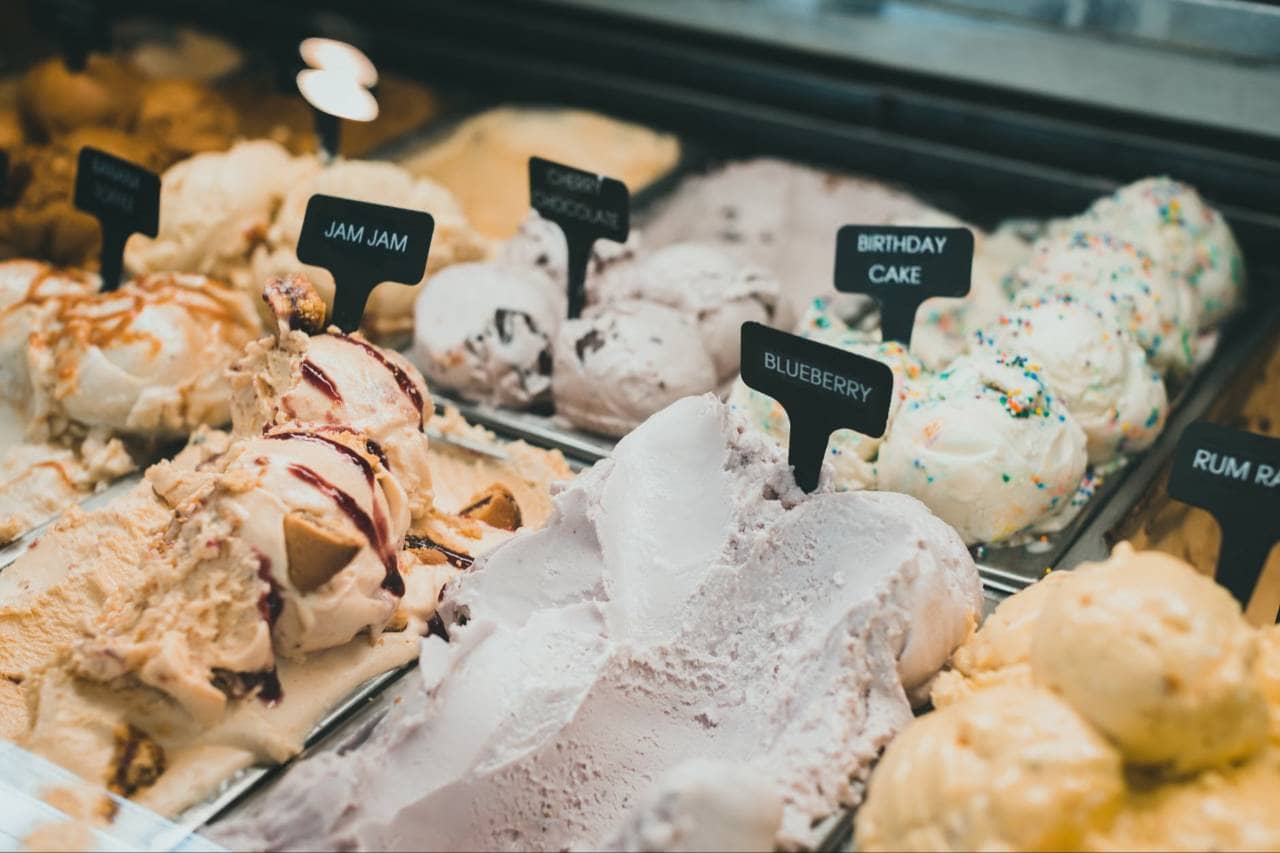
Learn the startup costs of opening an ice cream shop, including rent, equipment, renovations, permits, inventory, labor, marketing, and reserves.
Aug 28, 2026

Learn practical ways to reduce labour costs through smarter scheduling, forecasting, productivity, cross-training, automation, overtime control, and performance monitoring strategies.
Aug 26, 2026
RaceTrac has appointed Jill Pemberton as chief financial officer, succeeding Karla Ahlert, who moves into the newly created role of chief administrative officer.
Aug 26, 2026

A restaurant P&L statement reveals sales, expenses, and profits, helping owners manage costs, improve margins, and plan finances more effectively.
Aug 26, 2026

Levain Bakery appoints Lorna Sommerville and Taya Stenson as co-CEOs, blending operational and marketing expertise to power national expansion and innovation while staying rooted in its brand values.
Aug 25, 2026

Create a practical restaurant marketing plan by setting goals, targeting customers, choosing channels, budgeting wisely, scheduling campaigns, and measuring results.
Aug 24, 2026

A payroll advance policy helps restaurant owners define eligibility, limits, repayment, documentation, approval procedures, and compliance requirements for employee advances.
Aug 24, 2026

Unlock Exclusive Access To Webinars, Events, And The Latest News For Free!
A lot of people have an intense love for food. In this article, we will explore the importance of food manual handling and why it affects us so much.
Manual handling is the when food and other food-related products are moved through transfer, warehousing, preparation, and packaging. If not trained properly, manual handling can become dangerous to the workers involved with these tasks. The first step in creating a safe environment for workers is to implement a manual handling training program focused on Food Safety. This program should be mandatory for all workers and train specific techniques on different kinds of equipment to ensure safe manual food handling. It's always important to make sure your employees have been thoroughly trained on Food Safety and understand Hazard Analysis in order to avoid injuries or costly damages.
Food handling has always been an important part of the food industry. Food contamination has grown every year due to the increase in production and consumption. The FDA estimates foodborne illnesses caused from contaminated foods have cost Americans $152 billion annually. Today's advancements with technology have brought up concerns as they relate to manual handling and Food Safety. Industry professionals are working on new methods to handle their products through automation. This article will features some ways to increase safer food manual handling practices.

The manual handling of food is a fundamental task carried out by most employees in the food industry. A staff that works with food going out to the public must be well-trained on safety matters. Correct and thorough training of staff is crucial. One way to train staff members is to have them practice their skills during mock situations. As an example, role playing or asking questions during a pre-shift meeting can keep employees skills and knowledge sharp. Another method is to introduce a training program where they get a refresher on why food safety during manual handling is important and what to do.
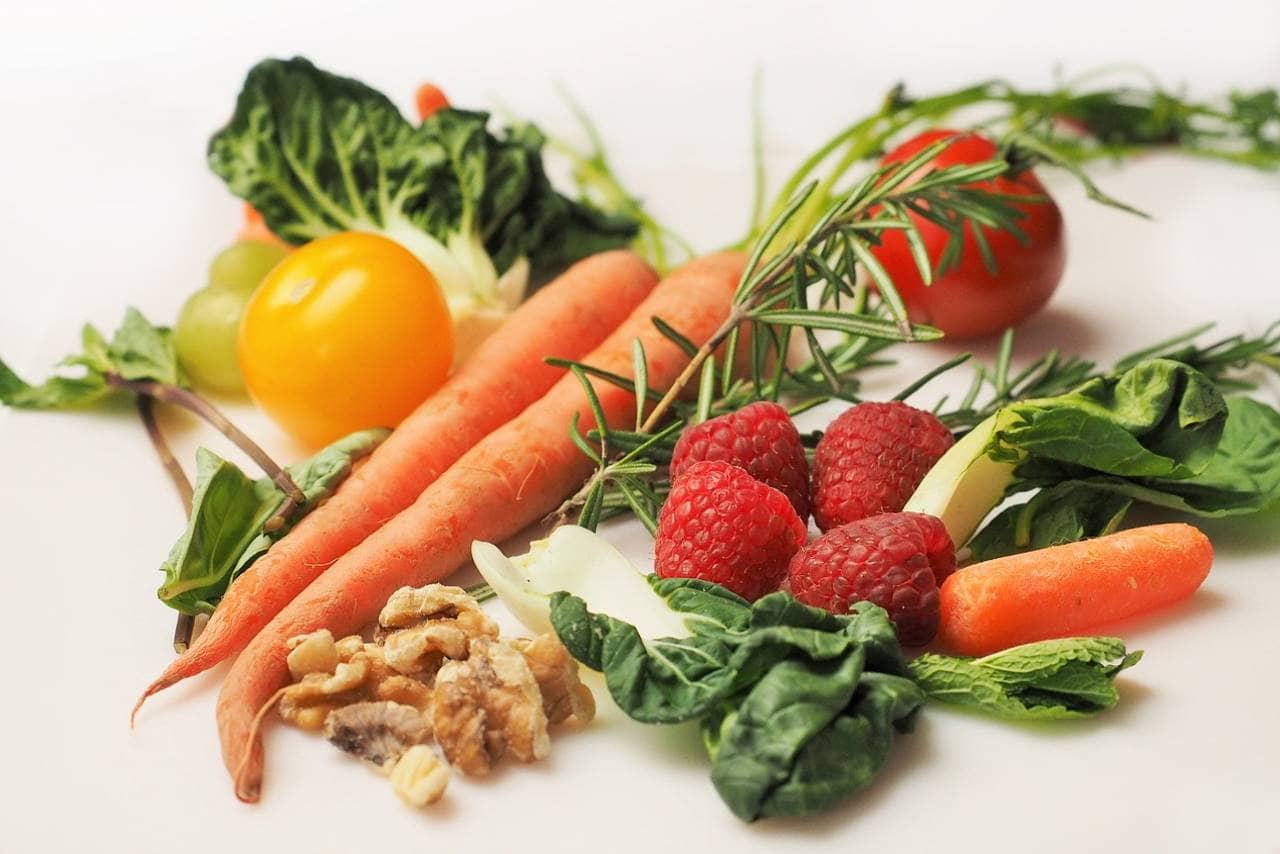
Manual handling is a common risk assessment for those working with food. If not done with the proper safety measures, food manual handling can lead to illnesses. Foodborne illnesses can spread from the restaurant staff onto the food and to the public. When that happens, it can result in major losses for your company. According to the CDC, 30% of all foodborne illness outbreaks are linked directly to manual handling. However, simply by maintaining safety measures within your company you'll be able to minimize the risks of manual handling and keep your employees safe. To minimize the risk of bacteria spreading you should implement these methods-

The United States Department of Agriculture (USDA) released a report on food waste recently that highlighted waste in the US. The study found that up to 40% of food is wasted at home. It found an additional 20% was wasted during processing and delivery. The surprising result saw that only 1/5 of food is actually eaten. Even more alarming studies from the USDA found that nearly 20 billion pounds of food are tossed out every year. According to the report, much of this waste could be prevented by proper food handling and storage. Food waste could be reduced with better practices for manual handling and storing produce in particular.

There are a variety of reasons why food contamination is a big problem. In the US, there have been over 48 million reported cases of illness, with over 750,000 hospitalizations and 5 deaths every year. Allergies to food can cause complications like eczema, asthma, and other allergic reactions. Gastrointestinal diseases including irritable bowel syndrome and inflammatory bowel disease are also up in both men and women. The list goes on with things like obesity, diabetes, hypertension, heart disease, cancer, depression and more. Who knows what's the reason behind these health issues but it might be time to take a closer look at our food manual handling practices!
Safe Food handling is important for those working around food. Learning the basic skills of proper food manual handling can minimize the risk of foodborne illness. To reiterate what this article touched on, these are a few key points on how to handle food in a safe manner. They include-