
What Is a P&L Statement in a Restaurant?
A restaurant P&L statement reveals sales, expenses, and profits, helping owners manage costs, improve margins, and plan finances more effectively.
Accounting
Aug 26, 2026
A restaurant P&L statement reveals sales, expenses, and profits, helping owners manage costs, improve margins, and plan finances more effectively.
Aug 26, 2026

Learn practical ways to reduce labour costs through smarter scheduling, forecasting, productivity, cross-training, automation, overtime control, and performance monitoring strategies.
Aug 26, 2026
RaceTrac has appointed Jill Pemberton as chief financial officer, succeeding Karla Ahlert, who moves into the newly created role of chief administrative officer.
Aug 26, 2026
A payroll advance policy helps restaurant owners define eligibility, limits, repayment, documentation, approval procedures, and compliance requirements for employee advances.
Aug 24, 2026
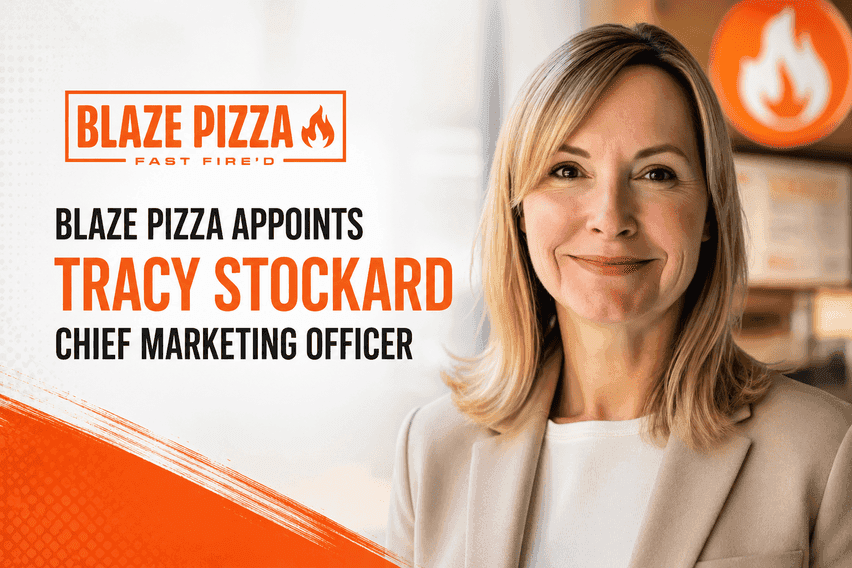
Blaze Pizza welcomes Tracy Stockard as Chief Marketing Officer, bringing decades of brand and franchise experience to drive strategic growth and guest engagement.
Aug 25, 2026
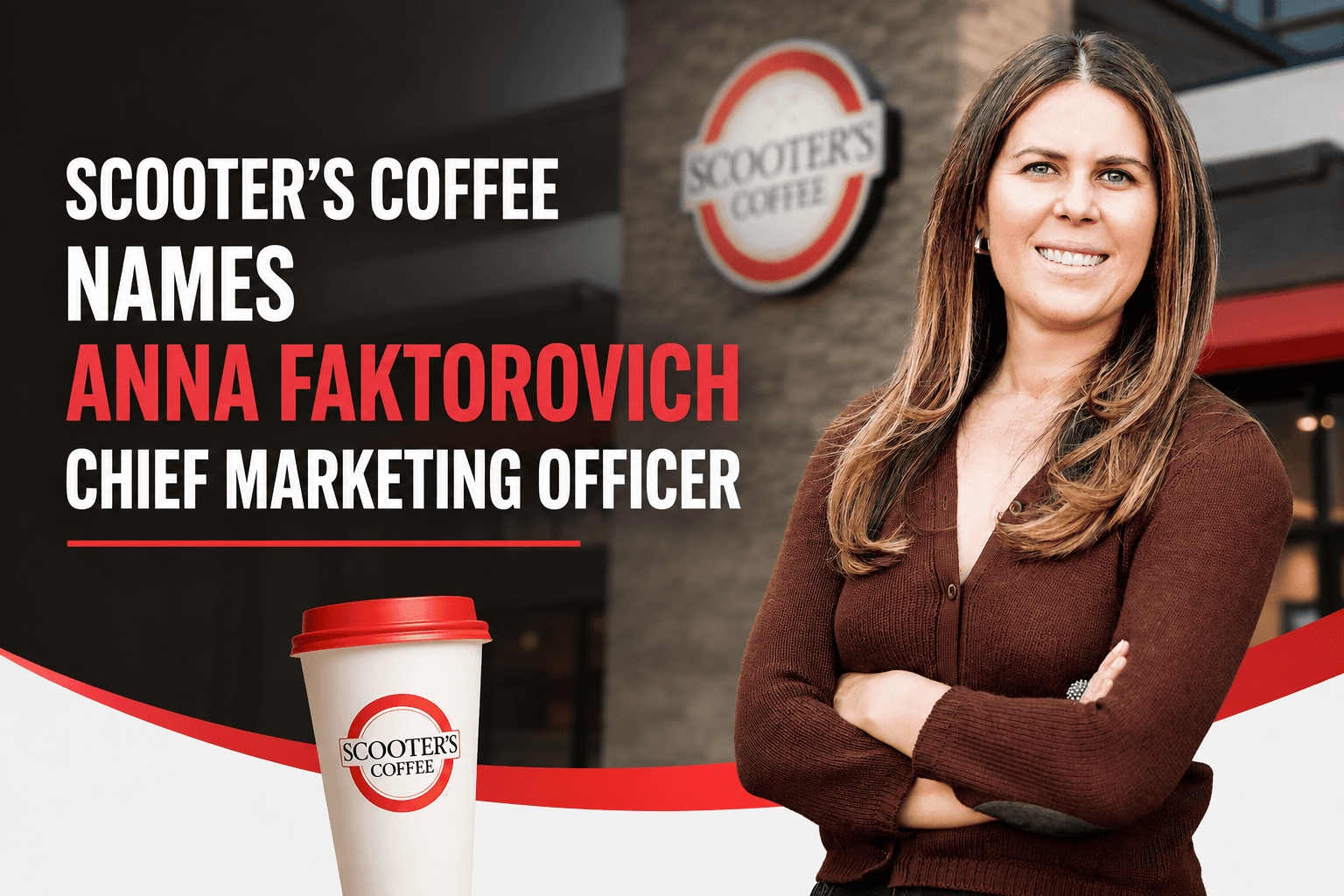
Anna Faktorovich, a seasoned marketing executive, has been named Chief Marketing Officer at Scooter’s Coffee, bringing decades of multi-brand experience to fuel the franchise’s next growth stage.
Aug 25, 2026
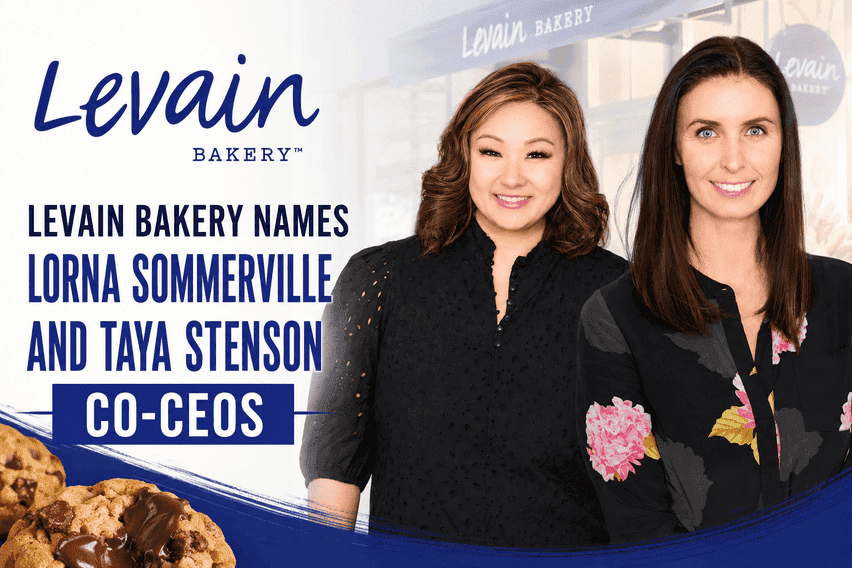
Levain Bakery appoints Lorna Sommerville and Taya Stenson as co-CEOs, blending operational and marketing expertise to power national expansion and innovation while staying rooted in its brand values.
Aug 25, 2026

Create a practical restaurant marketing plan by setting goals, targeting customers, choosing channels, budgeting wisely, scheduling campaigns, and measuring results.
Aug 24, 2026
Wendy’s announces Tariq Hassan as Chief Marketing and Customer Growth Officer, charting a new course for brand and digital innovation. What restaurant owners can learn.
Aug 24, 2026
Dave & Buster's refreshes its executive lineup with seasoned leaders in operations, marketing, tech, and finance - signaling a growth-driven future for restaurant operators to watch.
Aug 24, 2026

Unlock Exclusive Access To Webinars, Events, And The Latest News For Free!
Resales accelerate amid boomer exits, tighter margins, and complex deals. Data gaps persist as brands formalize programs to keep units open.

Photo by Florian Schindler
Restaurant franchise ownership is changing hands at the fastest pace in five years. FRANdata pegs approximately 4.1% of franchise units changing ownership annually. We Sell Restaurants reports a 62.7% year-over-year increase in franchise resales through the third quarter of 2025, even as broader restaurant transaction volume fell 6% on BizBuySell. Business Research Insights estimates the global franchise resale market at USD 11.93 billion in 2026, projecting growth to USD 17.83 billion by 2035 at a 4.7% CAGR.
Demographics sit squarely in the driver’s seat. Robin Gagnon, cofounder and CEO of We Sell Restaurants, calls it the “silver tsunami,” as baby-boomer owners age out and fewer businesses remain in families. A McKinsey Institute report finds that baby boomers alone own nearly a quarter of U.S. small businesses, about 1.5 million firms, and that the share of owners over age 65 continues to climb.
Many franchisees delayed exits through the pandemic only to run into inflation, supply chain disruptions, and tighter margins, conditions Robert Bhagwandat of Checkers & Rally’s ties to post-COVID normalization cycles. Taco John’s CEO Heather Neary points out that modern franchising demands far more from single-unit owners than it did two decades ago, leaving little bandwidth for succession planning and prompting Taco John’s to formalize a resale assistance program to clarify exit options.

The mechanics of a transfer are slow and exacting. Deals often take six months or more once brand approval, landlord consent, financing, and training schedules are counted. Gagnon emphasizes that the seller, buyer, franchisor, landlord, and financing institution each have unique processes and approval requirements, so coordination becomes the work. Careful review of P&L lines can separate fixable mismanagement from structural trouble, yet one obstacle looms larger than most. As Gagnon cautions, “you can’t sell yourself out of a bad lease,” a reality that frequently proves the most stubborn to unwind. According to Revscale, 6 to 10% of franchise units change hands in a given year, a reminder that these transactions are common, though rarely simple.
Culture becomes the pivot on day one. Dan Hawkins, cofounder and CEO of the Human Bean, warns that incoming owners risk a “shock to their system” and staff turnover if they treat the purchase as a simple takeover and ignore established norms. His counsel is to “spend a lot of time just listening and learning,” then make modest adjustments rather than sweeping changes. David Bloom of Capriotti’s adds a guardrail for franchisors: avoid wading into pricing or term negotiations, a lane he likens to “tortious interference.” The constructive role is training, marketing, and operational support that protects owners and the brand.

Financing and legal minutiae set the tempo. Underwriters scrutinize discrepancies between tax returns and P&Ls, often requiring sellers to explain expense variances before a loan is approved. Deferred maintenance can upend a letter of intent once due diligence exposes neglected assets. Bhagwandat recalls standoffs over simple items, such as a water heater that will not reach temperature, delaying health certificate approvals. One preventative step is contractual. Lease clauses that obligate landlords to accept approved buyers can blunt last-mile delays, and Taco John’s is embedding these provisions in new agreements to reduce friction.
The appetite for proven platforms stretches beyond restaurants. Haig Partners reports that Q1 2026 auto dealership buy-sell activity surged 39%, powered by buyers seeking strong franchise networks even as new-vehicle sales softened. In 2025, dealership transactions reached a record 458, up 5% year over year, with blue-sky values rising under consolidation trends. National Franchise Sales notes hundreds of units transferred in early 2026, including a 77-unit Pizza Hut portfolio and a 17-unit Five Guys group, proof that both single-unit and multi-unit plays are active.
Data remains patchy though. Franchise Disclosure Documents capture state-level transfers but lack a fully aggregated national view, and only 3 to 5% of units change hands annually, about 24,000 to 40,000 transfers according to IFA analyses. Variations in state laws, landlord practices, and franchisor policies leave blind spots that make turnover risk and timelines hard to benchmark.

Brands are answering with structure instead of improvisation. Taco John’s resale assistance initiative gives operators a clear roadmap. Capriotti’s requires buyers to commit to growth plans post-transfer to preserve momentum. Gagnon urges franchisors to make exit part of the operating vocabulary, teaching that “exit is not a four letter word,” and to allocate resources that keep stores from going dark. Building exit readiness into development and support programs will help protect brand equity, safeguard unit economics, and keep doors open as the transfer cycle gathers speed.