Gabriela Cámara's Cantina Contramar Sets a New Standard in Vegas
Cantina Contramar opens at Fontainebleau Las Vegas, blending signature Mexican flavors, design, and hospitality for a memorable Strip debut.

Photo by Patrick Perkins on Unsplash
An Invitation to Something New
Sometimes, hospitality arrives not with a spectacle, but with a gentle promise—a place that whispers of distant coasts and the unhurried joy of gathering. This is the mood that greeted Las Vegas on March 28, 2026, when Chef Gabriela Cámara quietly unveiled Cantina Contramar within the towering expanse of Fontainebleau Las Vegas.
For diners on the Strip, the new arrival signals more than a fresh menu; it offers a 27-year legacy, carried from Mexico City’s celebrated Contramar across borders, time zones, and cultural landscapes. There’s an unmistakable coziness behind that ambition—one that prefers a table set for heartfelt conversation rather than a carnival of flash.
Cantina Contramar is more than just a satellite outpost. It emerges from a trio of creative women—Cámara herself, architect Frida Escobedo, and Casa Dragones’s Bertha González Nieves—each imbuing fiber, form, and flavor with a sense of layered, personal hospitality. In this way, the restaurant suggests a kind of gentle transfiguration for Vegas: not a replication, but a thoughtful continuation of something deeply beloved.
From Mexico City, With Heart
The soulful current running through Cantina Contramar begins upstream in Mexico City, where Contramar’s doors opened in 1998. Cámara’s belief in convivial seafood—that easy, sun-dappled pleasure of red and green snapper or bright tuna tostadas—has always rested on two things: authenticity and the emotional warmth of ‘comida’ shared.
Carrying that ethos into Las Vegas presented both a challenge and a tender opportunity. Cámara’s aim was to create a space that feels both authentic and elevated, “laid-back yet chic”—ensuring the essence is not lost in translation. Fontainebleau’s resources, along with the city’s rich Latino roots, made this expansion uniquely possible. For Cámara, the timing also weighs heavy with meaning, as she acknowledges the importance of celebrating Mexican culture, especially during times of national tension and shifting conversations around Latino identity.
Every element, from the menu to the mood, radiates that vision of rooted yet open-hearted hospitality. The transition from Mexico City to Las Vegas is less an act of duplication and more a gentle unfolding of Contramar’s spirit into new hands and appetites.
A Sanctuary of Texture and Light
For those who believe dining should soothe as well as stimulate, the collaboration with Frida Escobedo feels like a warm embrace. Stepping inside Cantina Contramar is like entering a sanctuary—volcanic stone underfoot, indigo-blue tiles reflecting a tranquil sea, and high ceilings that let you breathe, even as Las Vegas whirls outside.
The open kitchen and comal station offer gentle theater, giving guests a quiet sense of connection to the hands that create their meal. Every intentional detail—the tiles, the light, the open flames—grounds the experience in craft and intimacy rather than spectacle.
This thoughtful architecture, marking Escobedo’s first U.S. restaurant vision, helps dissolve the boundary between special-occasion dining and everyday delight. It’s a space that invites lingering—easy laughter, unhurried conversations, and a soft feeling of being welcomed just as you are.
Culinary Grace Notes, Old and New
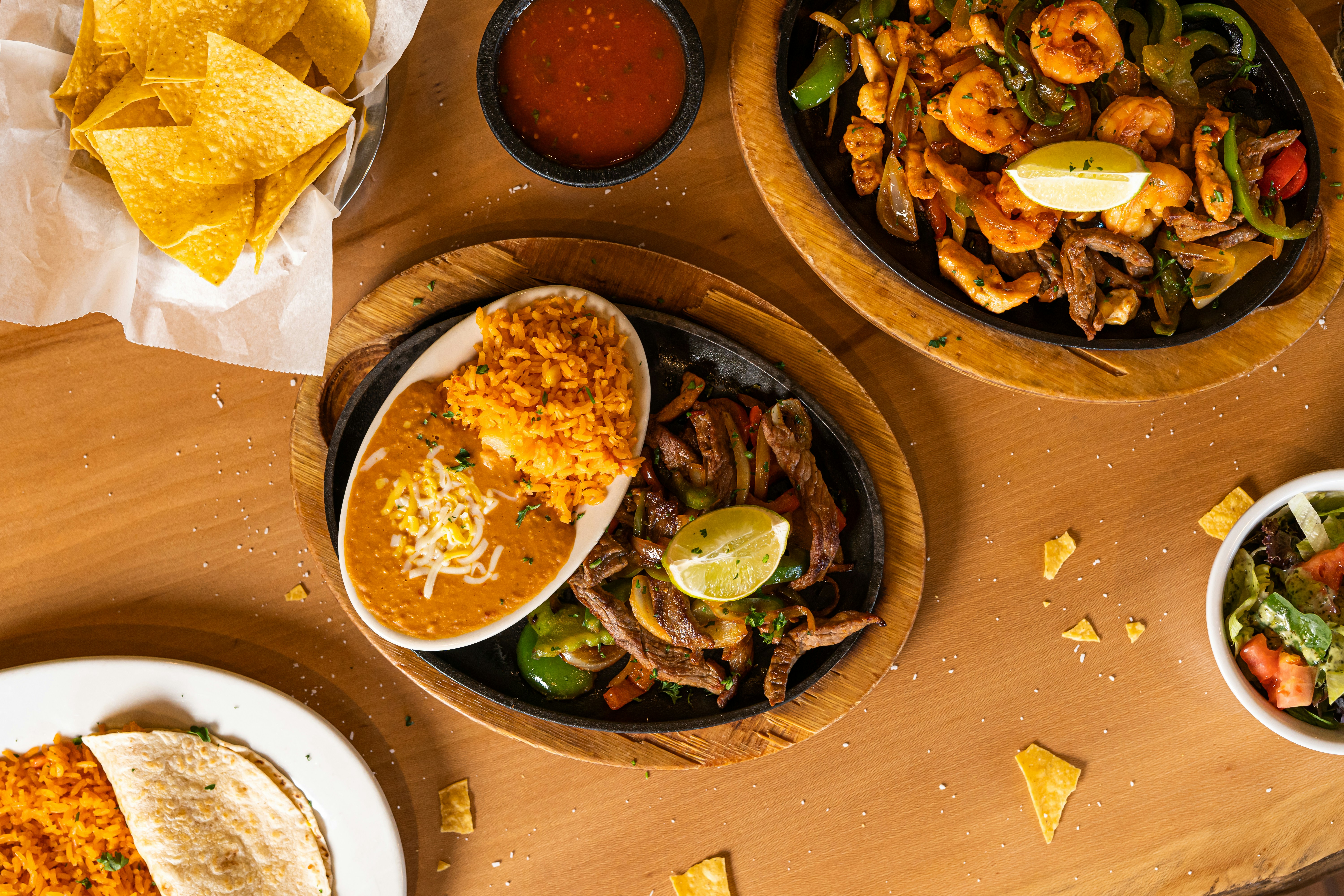
At the table, Cantina Contramar’s offerings lean both familiar and daring: the pescado a la talla—now occasionally made with local white fish—keeps company with beloved tuna tostadas, all crowned by new bolder creations like wagyu aguachile and tomahawk steak. There’s a soft power in these choices, balancing nostalgia with a willingness to play.
Local sourcing takes center stage: California lime, Desert Moon Farms mushrooms, in-house nixtamalized corn—each ingredient thoughtfully chosen, smoky, and bright. This is a menu shaped by the landscape as much as by tradition, where even the most complex flavors arrive with a silkiness that aims to comfort as much as impress.
Strong in both routine and revelation, the menu offers a gentle invitation to discover what Mexican dining can feel like when the intention is to welcome rather than overwhelm. The food lingers, yes—but so does the memory of it.
Table-Side Theater, Mexican Style
To walk into Cantina Contramar is to step into a little ceremony, conducted with care and just a touch of flourish. Casa Dragones small-batch tequilas—with the imaginative hand of Bertha González Nieves—anchor a beverage program built for both conviviality and celebration.
Bar carts make gentle rounds, their promise of Carajillos and table-side Margaritas sparking easy connection between guest and maker. Nearby, a dedicated Casa Dragones tasting room offers neat pours and flights, enfolding even first-time visitors into a quietly festive ritual.
There’s no race to empty plates or glasses—only the soft joy that comes from being cared for, with each pour and presentation a gentle reminder of hospitality’s power to turn a meal into a moment worth remembering.
A Quiet Revolution in the Back of House
Behind all this radiant hospitality lies another, quieter story—the care given to the people who make it possible. Brett Mufson, president of Fontainebleau Development, called out the privilege of bringing together the unique, shared vision of Cámara, Escobedo, and González Nieves in such a personal space.
Crucially, Cámara herself has long championed operational values rooted in respect, equity, and the wellbeing of her staff. From health insurance to tip sharing, those gentle but firm commitments continue in Las Vegas, offering stability and a sense of pride to a largely Latino workforce—many of whom are represented by the Culinary Workers Union.
Opening Cantina Contramar at a time of heightened immigration enforcement brings extra resonance: the restaurant becomes a place where community and respect are served with the same care as the food itself.
Cost, Luxury, and the Comfort Gap
As Cantina Contramar settles into its new home, questions swirl softly around price. For some, the difference between a $50 pescado a la talla in Mexico City and a $155 iteration on the Strip feels abrupt. Early guests have noted that certain dishes—tostadas especially—cost vastly more, even as the quality remains high and the experience singular.
In a city lined with signature restaurants and luxury aspirations, this marks a tension not just between places, but between the notion of accessible comfort and rarefied treat. Some travelers, experiencing financial perks like room charge-triggered Resy credits, may find their dining experience sweetened. Still, the broader gap between culinary prestige and perceived value is one that Cantina Contramar, like many destination venues, will continue to navigate with care.
For now, the restaurant’s promise of layered hospitality and gentle spectacle is measured as much by satisfaction as by sticker shock—a delicate balance in a bright city where every comfort and cost is laid bare.
Setting a Table for the Future
The opening of Cantina Contramar marks a turning point for the Las Vegas dining landscape—not just for the city, but for how Mexican and Latin American cuisine may be received, interpreted, and celebrated in such public, influential settings.
Cámara’s determination to unite ingredient integrity, design, and cultural nuance creates a template from which others might draw. The trio’s collaboration—chef, architect, and spirits innovator—has set a lovingly high bar for what an international expansion can mean: more than novelty, it’s deeply generative, producing new memories and expectations around every table.
As the story of Cantina Contramar unfolds, much will rest on whether its intentional ethos—of welcome, community, and gentle generosity—can weather both the dazzle and the demands of its new home. If any place can balance that tension, it’s here, in a cantina made for easyhearted gathering and lasting comfort.