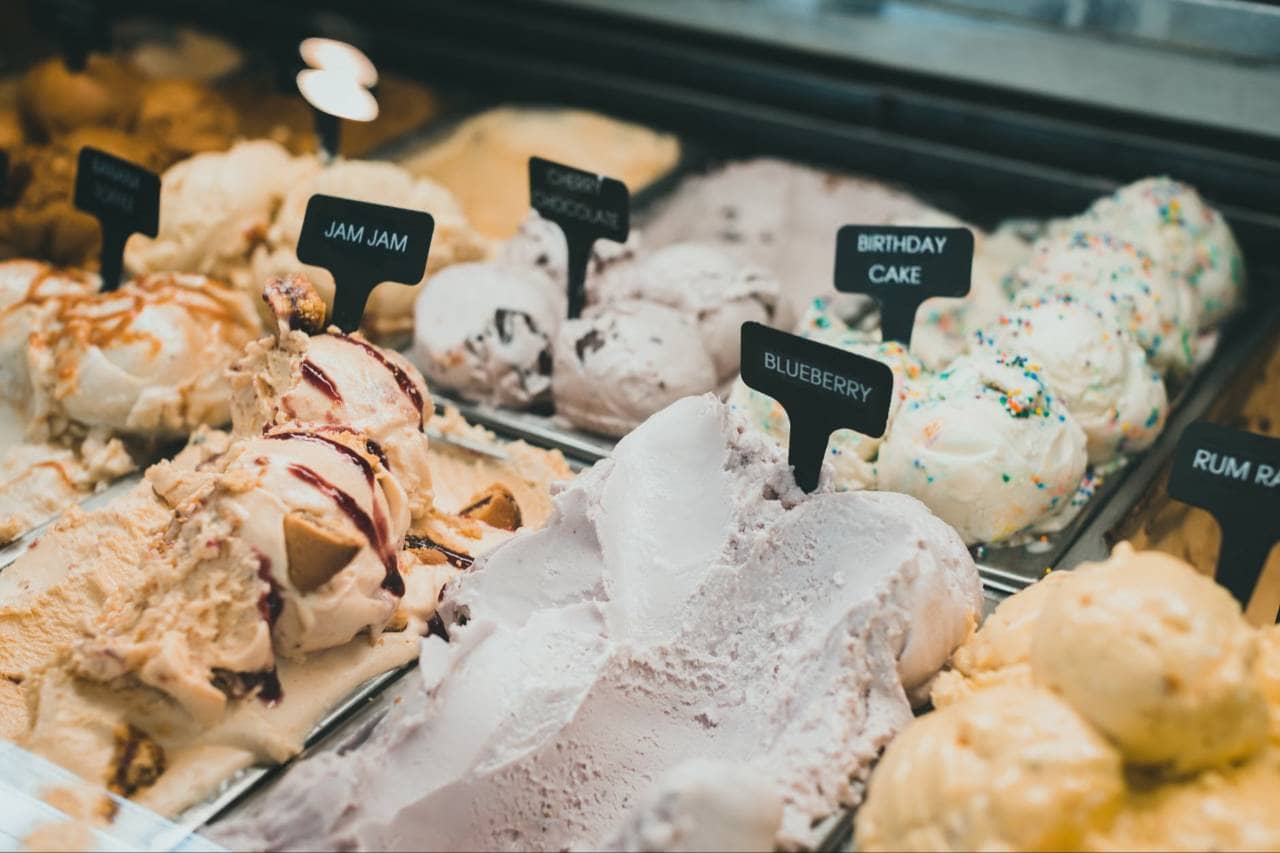
How Much Does It Cost to Open an Ice Cream Shop?
Learn the startup costs of opening an ice cream shop, including rent, equipment, renovations, permits, inventory, labor, marketing, and reserves.
Business Management
Aug 28, 2026
Learn the startup costs of opening an ice cream shop, including rent, equipment, renovations, permits, inventory, labor, marketing, and reserves.
Aug 28, 2026
Learn practical ways to reduce labour costs through smarter scheduling, forecasting, productivity, cross-training, automation, overtime control, and performance monitoring strategies.
Aug 26, 2026
RaceTrac has appointed Jill Pemberton as chief financial officer, succeeding Karla Ahlert, who moves into the newly created role of chief administrative officer.
Aug 26, 2026

A restaurant P&L statement reveals sales, expenses, and profits, helping owners manage costs, improve margins, and plan finances more effectively.
Aug 26, 2026
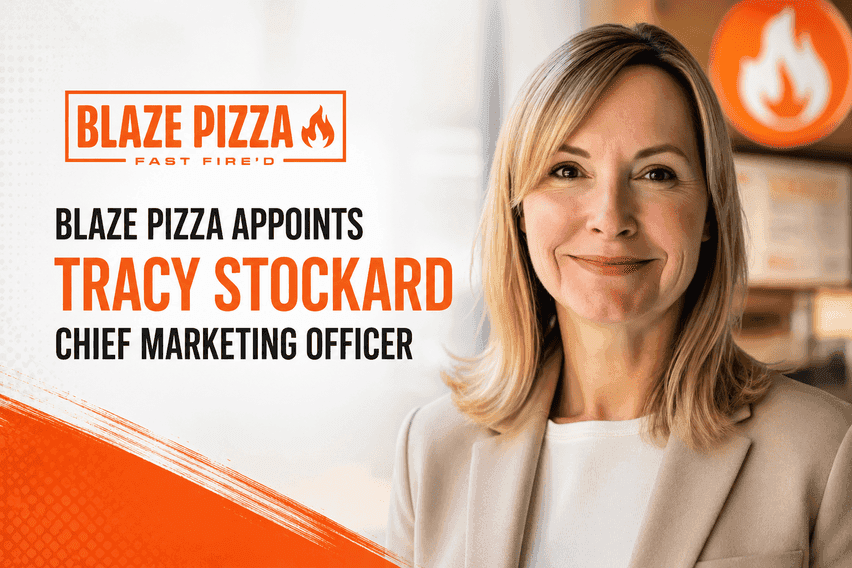
Blaze Pizza welcomes Tracy Stockard as Chief Marketing Officer, bringing decades of brand and franchise experience to drive strategic growth and guest engagement.
Aug 25, 2026
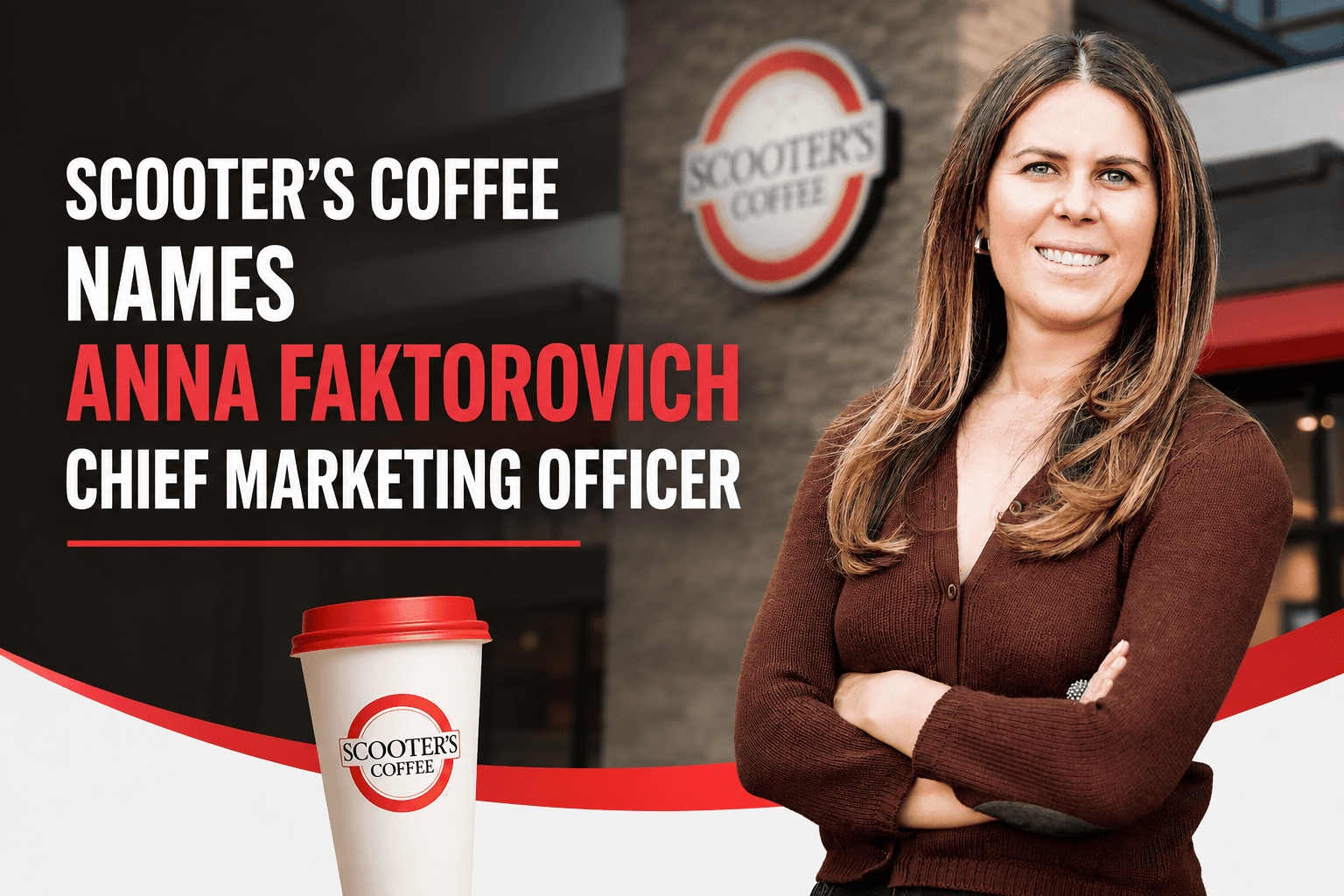
Anna Faktorovich, a seasoned marketing executive, has been named Chief Marketing Officer at Scooter’s Coffee, bringing decades of multi-brand experience to fuel the franchise’s next growth stage.
Aug 25, 2026

Create a practical restaurant marketing plan by setting goals, targeting customers, choosing channels, budgeting wisely, scheduling campaigns, and measuring results.
Aug 24, 2026
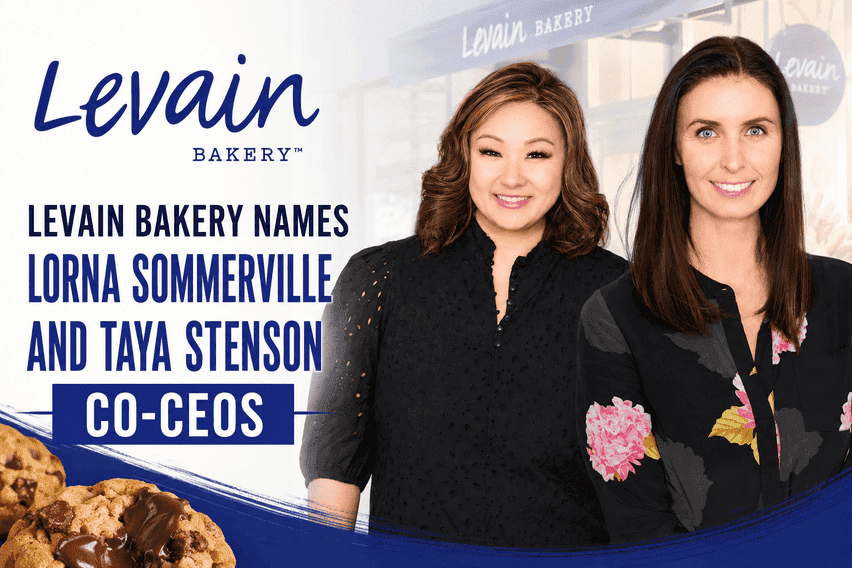
Levain Bakery appoints Lorna Sommerville and Taya Stenson as co-CEOs, blending operational and marketing expertise to power national expansion and innovation while staying rooted in its brand values.
Aug 25, 2026

A payroll advance policy helps restaurant owners define eligibility, limits, repayment, documentation, approval procedures, and compliance requirements for employee advances.
Aug 24, 2026
Dave & Buster's refreshes its executive lineup with seasoned leaders in operations, marketing, tech, and finance - signaling a growth-driven future for restaurant operators to watch.
Aug 24, 2026

Unlock Exclusive Access To Webinars, Events, And The Latest News For Free!
GoTo Foods bets on co-branding, digital muscle, and veteran leadership to add 1,400+ locations and reshape multi-brand franchising.
Photo by
Growth in the quick-service franchise world is nothing if not measured by the numbers. GoTo Foods is setting a mark: more than 1,400 new franchised locations slated to open in 2025. That’s not idle boasting. This move builds off a string of momentum, 1,177 franchise agreements signed in 2024, split between 578 in the U.S. and 599 abroad. Four straight years of net unit growth signals a company with discipline and a plan.
But the volume alone doesn’t tell the story. GoTo Foods is betting on momentum that’s more than just arithmetic. The challenge now: turning all this paper dealmaking into tangible stores and lasting performance.
Commitment is clear. What matters next is daily execution, buildouts, franchisee onboarding, and delivering promised returns store by store. The sheer boldness puts every pitmaster and brand in the system under the same hot light.
A slick rebrand, from Focus Brands to GoTo Foods, signals deeper changes than fresh signage. The business is stripping away silos across seven brands. What’s replaced the portfolio play? An integrated platform that promises co-branding flexibility, shared technology, and loyalty programs operating at enterprise scale.
With more than 6,700 predominately franchised units and $4.2 billion in sales, GoTo Foods is done playing the sum-of-the-parts game. The message: leverage your heft across brands, or risk stagnant returns.
Vertical integration isn’t just for Wall Street. In franchising, combining brands and streamlining back-ends creates the operational torque needed to compete with big-league rivals. If GoTo Foods can pull this off, the platform becomes the protection against shocks and copycats alike.
Brute-force unit growth only gets a chain so far. GoTo Foods is relying on two levers to drive efficiency and scale: co-branded locations and centralized digital systems. In 2024, the team inked 353 multi-brand agreements, putting dual or even tri-branded setups into 173 stores. That’s not an academic exercise. It signals a shift away from mall-dependent outposts to street-visible, daypart-flexible real estate.
The centralized POS and digital ecosystem isn’t buzzword filler. The backbone includes app-driven AI, ubiquitous kiosks, mobile ordering, and loyalty platforms. The impact: digital and off-premise sales have nearly tripled since 2019. Average checks and loyalty enrollment are both trending up.
The real test isn’t in pilot programs but full deployment. Franchisees will want to see tech investments hit their bottom lines, not just corporate press releases.
Growth doesn’t happen on spreadsheets, it’s made or broken by the team steering the ship. Lambert brings hard-won lessons from Wendy’s and Yum Brands, grounded in site development, construction, and real estate optimization. Her job: pick the right sites, sign up partners who deliver year after year.
Misra, with a résumé spanning Albertsons and Amazon, is tasked with giving digital ambitions real teeth. That means more than adding features; it’s about embedding tech so deep it becomes invisible to the operator and indispensable to the guest. CEO Gajial sums it up, leadership isn’t about making noise, it’s about executing tighter, and creating something that lasts.
Veteran execs know the rules: right partner selection and relentless digital focus. The boardroom is only as strong as the field deployment. Time will tell if these hires flip strategy from theory to action.
It all boils down to store economics. The pledge: expand from roughly 7,300 units in early 2026 to over 8,700 locations on a tight timeline. Brand performance varies, Auntie Anne’s mall locations pulled down an average of $762,534 in net sales, while McAlister’s Deli nearly triples that at $1,891,092.
Co-branded sites do more than give franchisees a new patch of real estate, they deliver landlords two-in-one tenant credit. The loyalty membership base, expected in the tens of millions, offers steady spend and a fight against revenue volatility.
The math supports the ambition. Still, unit growth only counts if margins keep pace and enrollment turns into real visitation. Otherwise, volume becomes a vanity metric.
GoTo Foods’ blueprint lines up with what’s happening sector-wide. The quick-service franchise market is expected to post more than 2% growth in 2025. Total franchised units will inch above 204,000, with industry output edging up to nearly $322 billion.
Operators have a new playbook: go digital, add AI, court multi-unit franchisees, and keep margins tight in the face of rising costs. The big guys aren’t standing still, McDonald’s is turbocharging unit counts and backing heavy tech investment, while peers across the field press on with loyalty, automation, and co-location rollouts.
Success for GoTo Foods means delivering on these same trends but with better control and sharper execution than the chasing pack.
Big plans come with real-world friction. Market missteps, like Cinnabon’s exit from the UK and periodic mall-unit closures, are a warning light against overextension. Co-branded formats create operational headaches when tech, menus, and people systems are stretched across distinct brands.
Franchise systems only hum when execution matches the roadmap. Labor shortages, supply snags, and inflation could easily soften the math on projected returns. Keeping franchisees bought in and digital tools sharp is mission critical.
These aren’t distant risks. The next phase will test how well GoTo Foods manages complexity without letting it gum up the works.
GoTo Foods isn’t just stacking numbers on a board, it’s promising to fuse disciplined expansion, tech infrastructure, and proven leadership. On paper, the blueprint reflects where the industry is headed: integrated platforms, flexible formats, and a tight link between digital and real-world operations.
But ambition means nothing without execution. The company's future, and likely its reputation, rides on whether those 1,400 new locations open on time, loyalty and AI deliver, and franchisees see bankable value from co-branded growth.
Watch this space. The playbook is modern, but table stakes are high. Only execution will tell if GoTo Foods sets the new pace for franchise giants or winds up another footnote.