
The Ultimate Guide to Restaurant Labor Management
Restaurant labor management helps owners optimize staffing, control labor costs, improve productivity, monitor overtime, and maintain efficient restaurant operations.
Back Office
Sep 2, 2026
Restaurant labor management helps owners optimize staffing, control labor costs, improve productivity, monitor overtime, and maintain efficient restaurant operations.
Sep 2, 2026
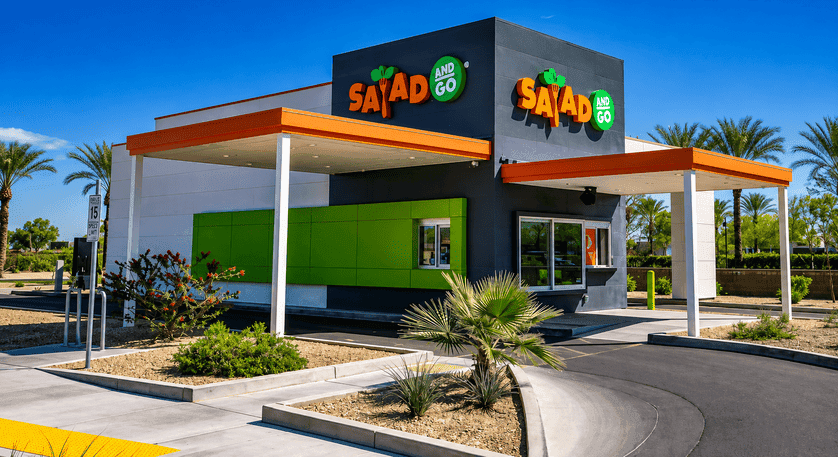
7 Brew has acquired 73 former Salad and Go locations, surpassing Dutch Bros with a $143M bid, signaling a major shift in the competitive landscape for drive-thru brands.
Sep 2, 2026
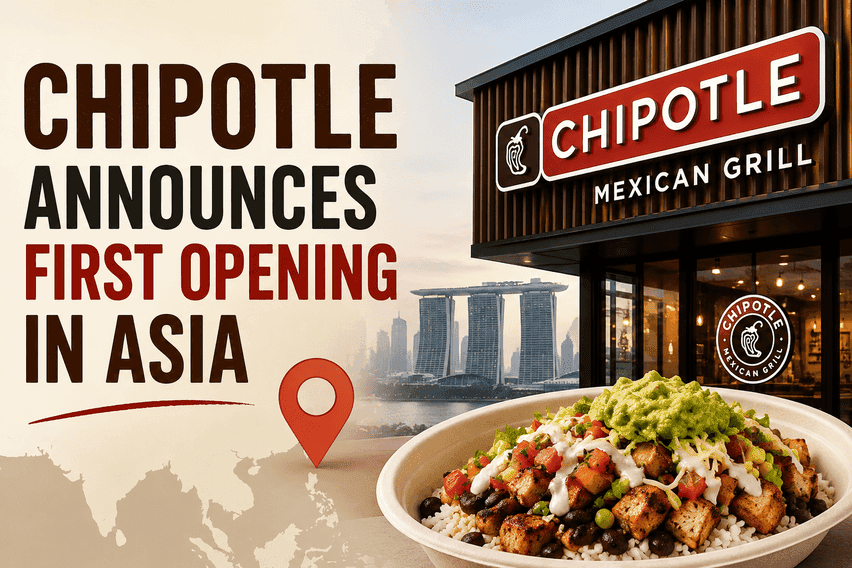
Chipotle makes its highly anticipated entry into Asia with a Seoul opening, partnering with Sangmidang Holdings and setting a template for future international growth.
Sep 2, 2026
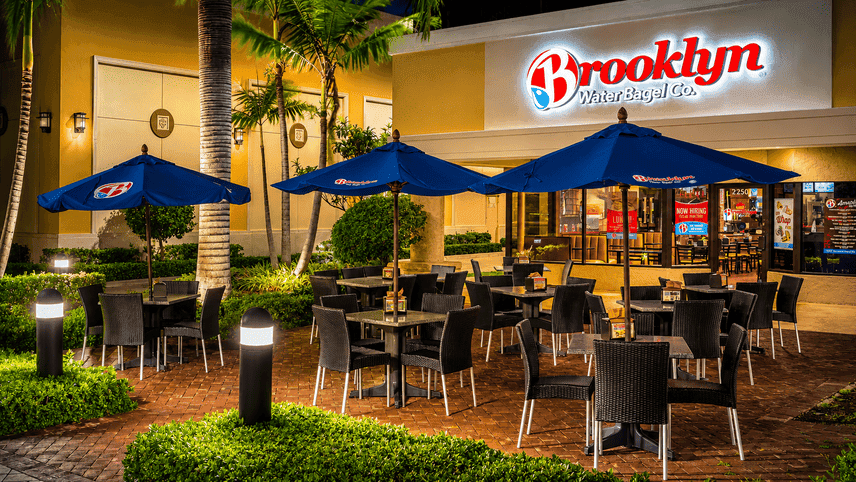
Brooklyn Water Bagel launches its first campus eatery at Nova Southeastern, signaling strategic growth and fresh potential for multi-unit operators seeking new market wins.
Sep 2, 2026
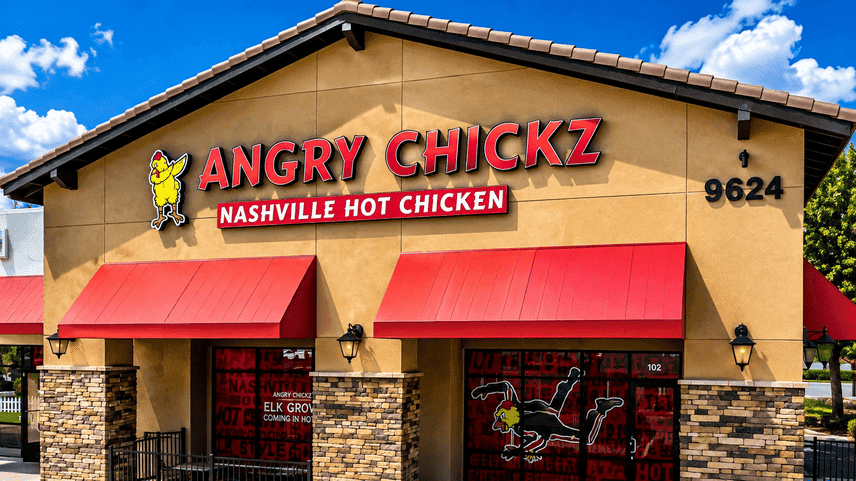
Angry Chickz enters Illinois with its signature hot chicken concept and ambitious plans for Midwest expansion, setting the stage for new franchise opportunities and community engagement.
Sep 2, 2026
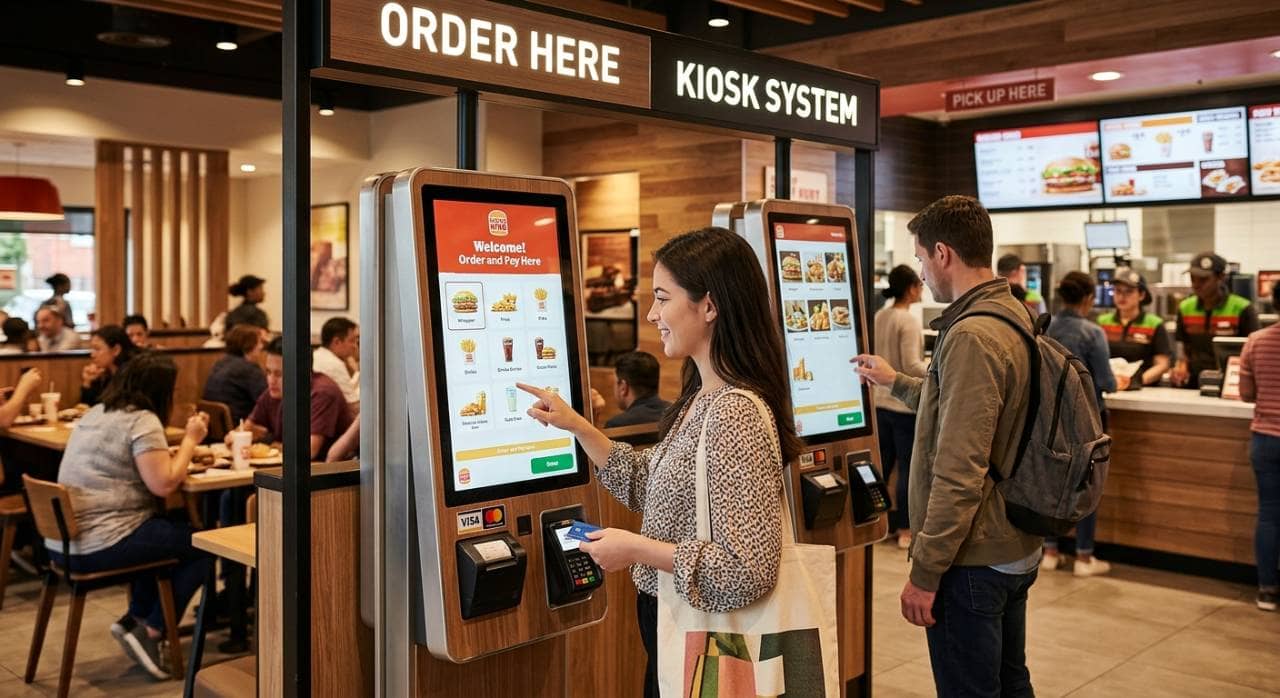
Understand how to evaluate a Kiosk system using key criteria including features, POS integration, hardware, pricing, customer experience, and support.
Aug 31, 2026

Explore restaurant technology trends in 2026, including AI, automation, digital ordering, workforce tools, connected kitchens, personalization, and profitability strategies today.
Aug 28, 2026
Learn how to calculate restaurant cost of goods using inventory, purchases, COGS percentage, variance reviews, and regular tracking for profitability.
Aug 31, 2026

Learn the startup costs of opening an ice cream shop, including rent, equipment, renovations, permits, inventory, labor, marketing, and reserves.
Aug 28, 2026

A restaurant P&L statement reveals sales, expenses, and profits, helping owners manage costs, improve margins, and plan finances more effectively.
Aug 26, 2026

Unlock Exclusive Access To Webinars, Events, And The Latest News For Free!
How Hooters is transitioning to a franchisee-owned business and the implications of this restructuring on its operations and growth.
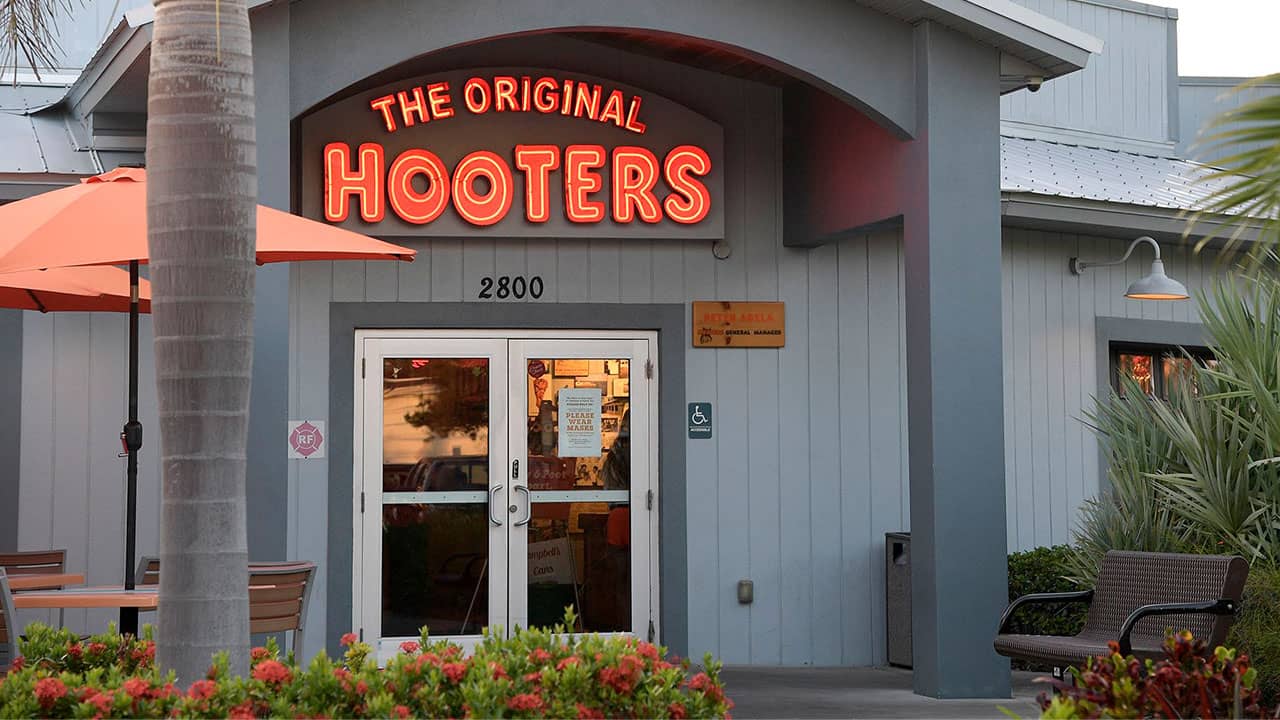
Hooters Inc.'s recent decision to shift towards a franchisee-owned business model marks a significant strategic move aimed at simplifying operations and driving sustainable long-term growth. By transitioning to a completely franchisee-owned setup, the company aims to streamline its business processes, enhance operational efficiency, and leverage the extensive experience and in-depth knowledge of highly experienced Hooters franchisees.
The adoption of a franchised model allows Hooters to tap into the expertise and dedication of its franchise operators who are deeply invested in the brand's success. With franchisees owning over 30% of domestic franchised locations, Hooters strategically positions itself to benefit from the operational insights and localized management strategies of these experienced partners. This strategic alignment is expected to drive enhanced operational growth and facilitate a more agile response to market dynamics.
CEO Neil Kiefer's emphasis on returning the Hooters brand to the hands of seasoned franchisees signifies a reconnection with the brand's historical success. By realigning ownership with individuals who possess a profound understanding of the brand's ethos and customer base, Hooters aims to revitalize its image, elevate customer experiences, and reclaim its position as an iconic and beloved establishment in the industry.
Prior to the restructuring, Hooters faced financial challenges with company-owned stores struggling to cover overhead expenses. The shift towards a franchisee-owned business model not only helps alleviate financial burdens but also enhances operational efficiency by empowering franchisees to make localized decisions, drive revenue growth, and adapt quickly to market trends. This financial rejuvenation is pivotal in securing the brand's stability and longevity in a competitive market landscape.
In addition to the franchise restructuring, Hooters is expanding its revenue streams through strategic partnerships and diversification initiatives. Collaborations with retail partners and licensing agreements like the one with Publix Super Markets to sell Hooters-branded frozen meals indicate a proactive approach to revenue diversification and brand extension. These initiatives not only drive additional income but also enhance brand visibility and reach new customer segments.

To ensure operational continuity and facilitate the restructuring process seamlessly, Hooters is seeking debtor-in-possession financing to the tune of $40 million, including significant new capital injection. This financial support aims to provide the necessary liquidity for ongoing operations, strategic initiatives, and structural adjustments as the company navigates through the transition phase. The infusion of capital underscores a commitment to sustained growth and operational excellence.