Boddie-Noell to Open 31 Scooter’s Coffee in NC, VA
Hardee’s giant Boddie-Noell inks 31-unit Scooter’s Coffee deal for NC and VA, leveraging drive-thru growth and local roots with rollout over 12–18 months.
May 15, 2026
Hardee’s giant Boddie-Noell inks 31-unit Scooter’s Coffee deal for NC and VA, leveraging drive-thru growth and local roots with rollout over 12–18 months.
May 15, 2026
Wingstop turns match weeks into a multi-sensory festival, aligning bold pop-ups with World Cup energy to build brand affinity and measurable momentum.
May 15, 2026
The parent company behind Dunkin', Buffalo Wild Wings, and Arby's has filed for an IPO a move that could reshape how Wall Street views the restaurant sector.
May 15, 2026
Papa Johns has teamed up with Alphabet's Wing for drone delivery of its new sandwich lineup in parts of Charlotte marking the first partnership of its kind between Wing and a national QSR brand.
May 15, 2026
Learn how to develop a memorable restaurant brand identity that stands out in a crowded market, attracts loyal customers, and drives repeat business with actionable strategies and affordable tools.
May 15, 2026
Dirty soda chain Swig is expanding into Colorado through a 10-unit franchise deal, riding a consumer beverage trend that's catching the attention of major QSR players nationwide.
May 15, 2026
A warm, expert-led look at McDonald’s Q1 results, menu makeover, and the refranchise question shaping its growth.
May 14, 2026
A reflective look at Habit Ranch, its immersive desert activation, and what it signals for brand loyalty and mindful, experiential dining.
May 14, 2026
Cousins Maine Lobster pilots a fried-seafood concept in Louisville, expanding through franchising while preserving premium sourcing and guest experience.
May 14, 2026
A warm look at how restaurant scheduling apps and AI are reshaping labor, compliance, and margins from cafés to franchises.
May 14, 2026
Unlock Exclusive Access To Webinars, Events, And The Latest News For Free!
Learn how to develop a memorable restaurant brand identity that stands out in a crowded market, attracts loyal customers, and drives repeat business with actionable strategies and affordable tools.

Let’s be honest - the restaurant industry is loud. On any given Friday night, your potential customers are scrolling past dozens of mouth-watering burger shots, flashy happy hour graphics, and sponsored local ads on their feeds. You pour your heart, soul, and hard-earned cash into making incredible food, but when a customer is asked where they ate last weekend, they pause, scratch their head, and say, "Oh, it was that little place next to the bank... I can't remember the name, but the fries were good."
Ouch.
If your marketing feels like you are just screaming into the void, you don't have a food problem you have an identity problem. If you want to stop competing purely on price or location, you need to master how to build a restaurant brand identity that customers remember. You don’t need a massive corporate marketing budget or a fancy agency on retainer to pull this off. You just need a strategic, actionable playbook to make your independent concept unforgettable.
Let’s dive into exactly how to turn your restaurant from a forgettable storefront into a local staple.
You aren't selling auto parts; you are selling an experience. Food is inherently emotional. People dine out to celebrate anniversaries, commiserate over breakups, and catch up with old friends. They are looking for a specific vibe that matches their mood.
When you develop a cohesive local restaurant marketing strategy around a strong identity, you give customers a shorthand way to categorize you in their brains. Think about the big players - you don't go to Taco Bell for authentic Mexican cuisine; you go for cheap, chaotic, late-night fun. You don't go to Starbucks because it's the best coffee in the world; you go because the green siren promises absolute consistency and a cozy place to open your laptop.
A strong identity dramatically lowers your customer acquisition cost. When people know exactly who you are, what you stand for, and what they will feel when they walk through your doors, they do the marketing for you. They tag you in their stories, they buy your merchandise, and they drag their friends to your tables.
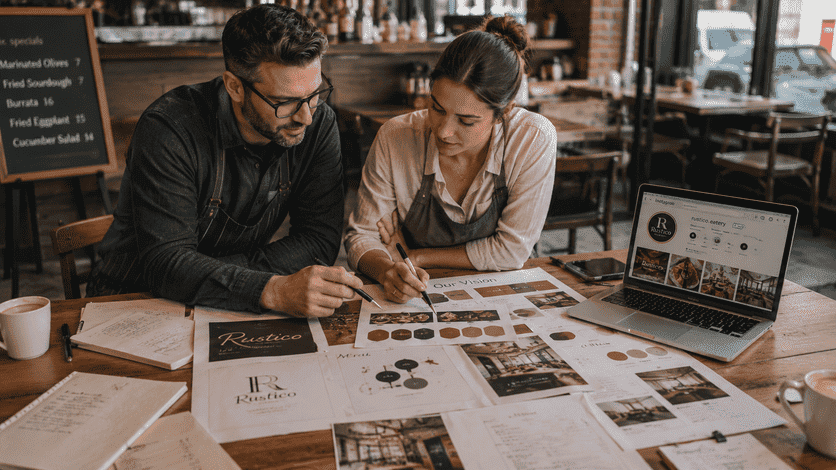
The biggest mistake independent operators make is jumping straight into picking hex codes and font styles before they actually know who they are. Visuals are just the outfit your brand wears; the core identity is the personality underneath.
Grab a notebook, sit down with your management team, and answer these three fundamental questions -
Now it's time to translate that personality into visuals. You don't need to spend thousands of dollars, but you do need strict consistency. A confused customer never buys.
Color Palette -
Select three to five colors. You need one dominant color, one secondary color, and a couple of neutral accent colors. If your concept is a vibrant, fast-casual vegan spot, you might lean into bright lime greens, stark whites, and punchy yellows. If you are a high-end steakhouse, you are looking at deep charcoal, rich oxblood red, and metallic gold. Once you pick these colors, use them everywhere.
Typography -
Pick two fonts. One bold, stylized font for your headers (your logo, the top of your menu, your big website banners) and one highly readable, clean font for your body copy (ingredient descriptions, website text).
Digital Aesthetics -
When translating your brand to your website and email newsletters, ditch the cluttered, chaotic templates of the early 2000s. Aim for modern, clean, and professional UI designs. Think "editorial" layouts like a high-end digital food magazine. Utilize high-impact aesthetics with plenty of negative space. This forces the user's eye directly to your high-quality food photography and clear call-to-action buttons (like "Order Now" or "Book a Table"). An editorial-style email blast showcasing your new seasonal menu will convert significantly higher than a text-heavy, messy flyer.
Your brand voice is how you sound when you "speak" to your customers online, on your menus, and through your staff.
If your visual identity is sleek and modern, but your Instagram captions are full of 15 different emojis and screaming all-caps text, your brand is fractured.
The Casual & Cheeky Voice - Uses slang, makes pop culture references, and talks to the customer like a best friend. (e.g., "Yeah, we put bacon on it. You're welcome. See you at 5.")
The Refined & Educational Voice - Focuses on the sourcing of ingredients, the technique of the chef, and uses elegant adjectives. (e.g., "Our line-caught halibut is pan-seared to perfection and rests on a bed of locally foraged ramps.")
Pro-Tip for Content Automation -
Many smart operators are starting to use local or cloud-based Large Language Models (LLMs) to help draft social media captions, write SEO blog posts, or sanitize customer reviews. If you are integrating these tools into your workflow, do not just use the default prompt. You must engineer your prompts to strictly enforce your specific brand voice. Tell the AI exactly what tone to use, what industry jargon to include, and what cliché phrases to avoid. This ensures your automated content extraction pipelines produce material that sounds exactly like you, every single time.
Do not let your branding stop at the front door or the bottom of your website. Your brand identity must bleed into your operational tech stack. Every touchpoint matters.
Think about your Point of Sale (POS) systems. When a customer receives a printed or digital receipt, is it just a generic strip of paper, or does it feature your logo, your specific brand typography, and a customized, on-brand sign-off message at the bottom?
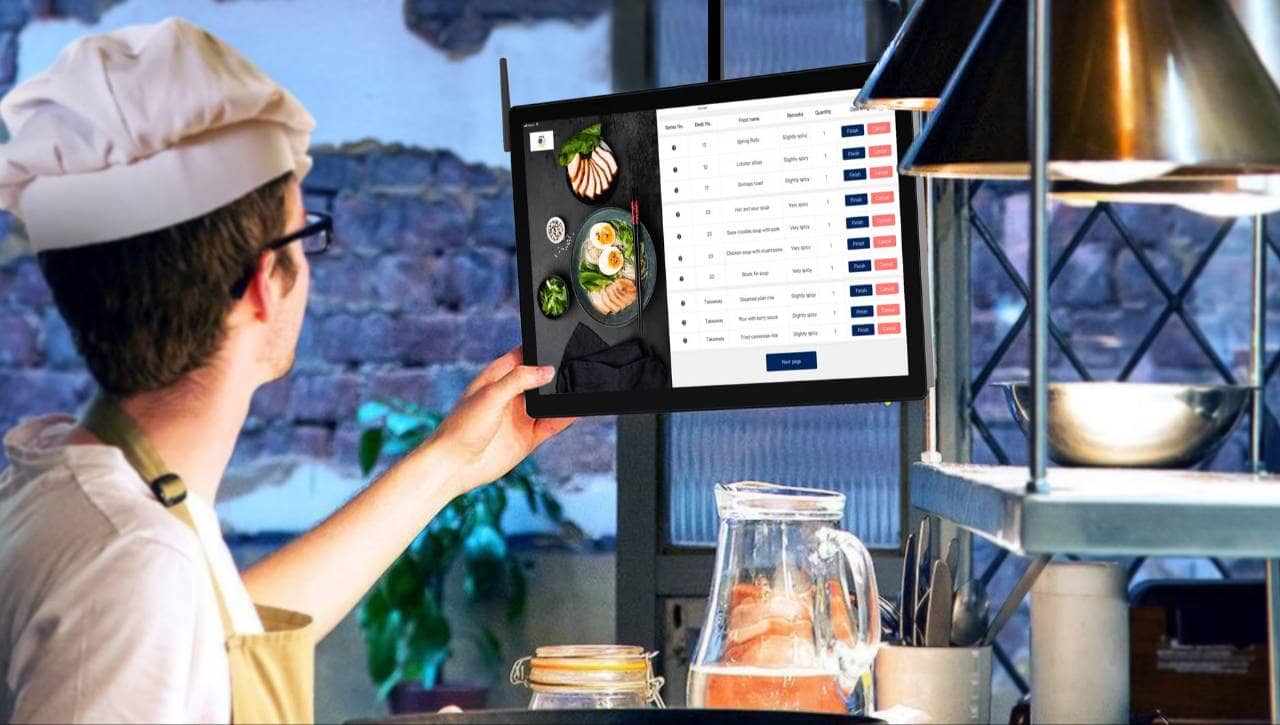
What about your labor and payroll platforms? Even internal branding matters. When your staff logs into their scheduling app, seeing your restaurant's logo and internal mission statement reinforces the culture you are building.
If you use online ordering interfaces or third-party aggregators, ensure your menu items are described using your established brand voice, and that your cover photos utilize those modern, clean, editorial layouts. A seamless transition from your Instagram page to your POS ordering system builds massive subconscious trust with your guests.
You need to give people a reason to document their experience. You don't need to build a massive, expensive flower wall. You just need clever, branded moments.
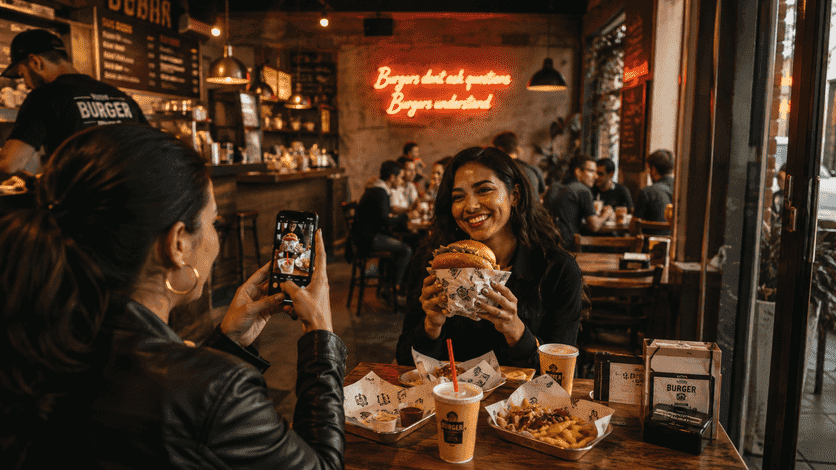
Custom Neon Signs - A cheeky phrase in neon lights that reflects your brand voice.
Branded Grease Paper - If you serve burgers or sandwiches, wrapping them in custom-printed paper (even if it's just a repeated one-color stamp of your logo) makes every customer photo look like a professional advertisement.
Signature Garnishes - A cocktail that always comes with a tiny branded clothespin holding the garnish, or a latte with your logo dusted in cocoa powder.
When you weave how to build a restaurant brand identity that customers remember into the physical elements of the meal, your customers gladly become your marketing team.

You can execute a world-class restaurant branding strategy using highly accessible, low-cost tools.
Why put all this effort into fonts, colors, and tech integrations? Because clear branding directly impacts your bottom line. When you implement a cohesive identity, you can expect to see -
Ready to stop blending in? Do not try to overhaul everything by tomorrow morning. Take it step-by-step. Pin this checklist to your office bulletin board and start executing this week -