Dan Harmon Takes the Helm at Pizzana
Veteran restaurant leader Dan Harmon is now CEO of Pizzana and is driving the brand’s national expansion, franchising plans, and operational innovation.
Jun 29, 2026
Veteran restaurant leader Dan Harmon is now CEO of Pizzana and is driving the brand’s national expansion, franchising plans, and operational innovation.
Jun 29, 2026
Major Popeyes franchisee Sailormen's sale of 97 restaurants out of bankruptcy signals shifting industry dynamics. Learn how resilience and adaptability are essential for today's restaurant owners.
Jun 29, 2026
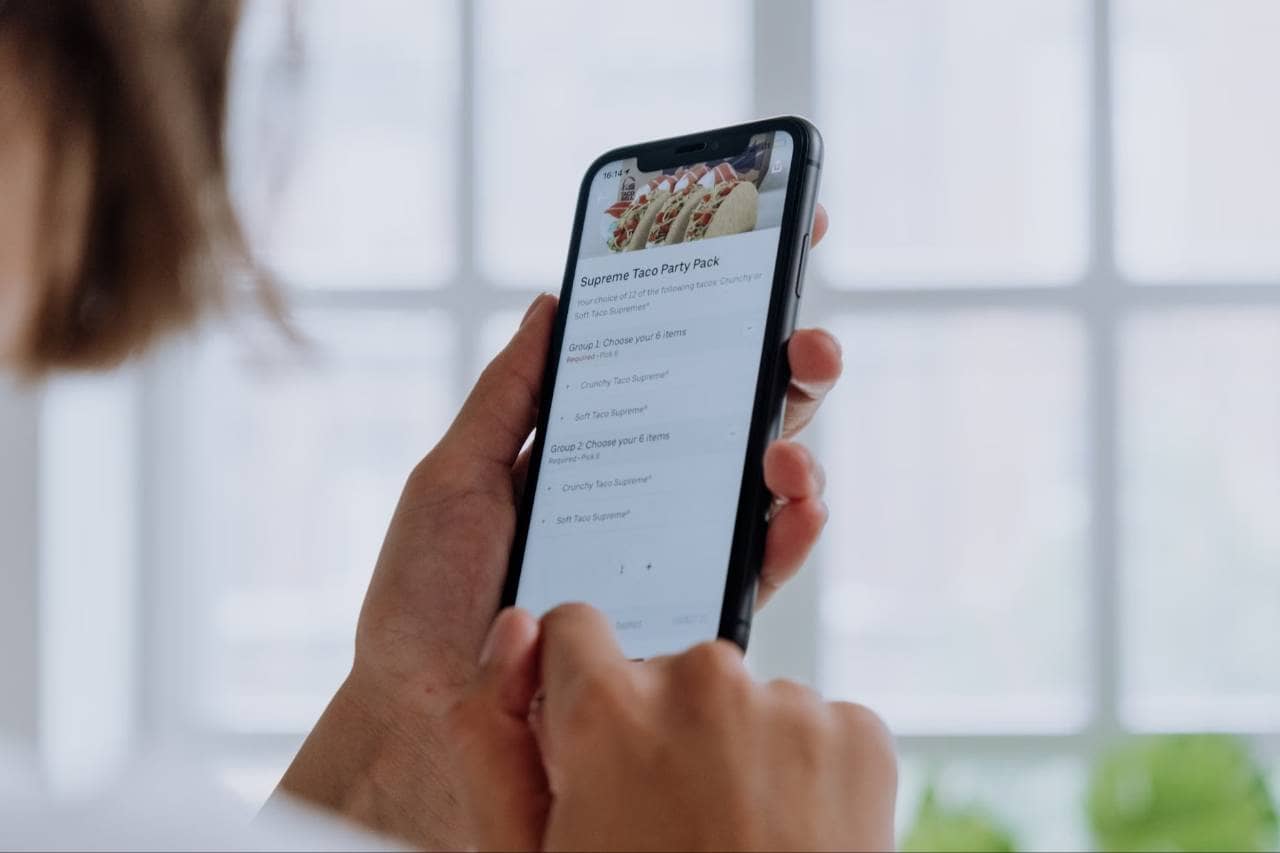
Southpaw's strategic acquisition of 43 Taco Bell stores in Ohio pushes their restaurant count to 180, highlighting their people-first approach and strong growth in the quick-service space.
Jun 29, 2026
Southpaw adds 43 Ohio Taco Bell restaurants to its impressive portfolio, highlighting franchise growth and strengthening the Midwest QSR landscape.
Jun 26, 2026
Darden Restaurants surpassed $13 billion in sales, fueled by robust performance at LongHorn Steakhouse and innovative menu changes at Olive Garden. Explore the strategies driving this industry giant’s continued dominance.
Jun 26, 2026
Discover how Cicis Pizza's rewards program skyrocketed to over one million members in under a year, driving customer engagement and retention. See the lessons for restaurant loyalty programs.
Jun 26, 2026
The fallout of Pizza Hut's mandated AI delivery system rollout has ignited a $100 million lawsuit from a leading franchisee, highlighting crucial franchisor-franchisee lessons for all restaurant owners.
Jun 26, 2026
Expanding to multiple locations requires clear systems, strong managers, smart financing, market research, and performance tracking to protect restaurant profits.
Jun 26, 2026
World Cup knockout games help restaurants boost sales with food and drink specials, group bundles, takeout offers, and timely promotions.
Jun 26, 2026
LongHorn Steakhouse surpassed $1 billion in quarterly sales for the first time, driven by strong value perception and menu innovation. Restaurant leaders can draw key lessons for thriving when consumer price sensitivity is high.
Jun 25, 2026
Wingstop turns match weeks into a multi-sensory festival, aligning bold pop-ups with World Cup energy to build brand affinity and measurable momentum.

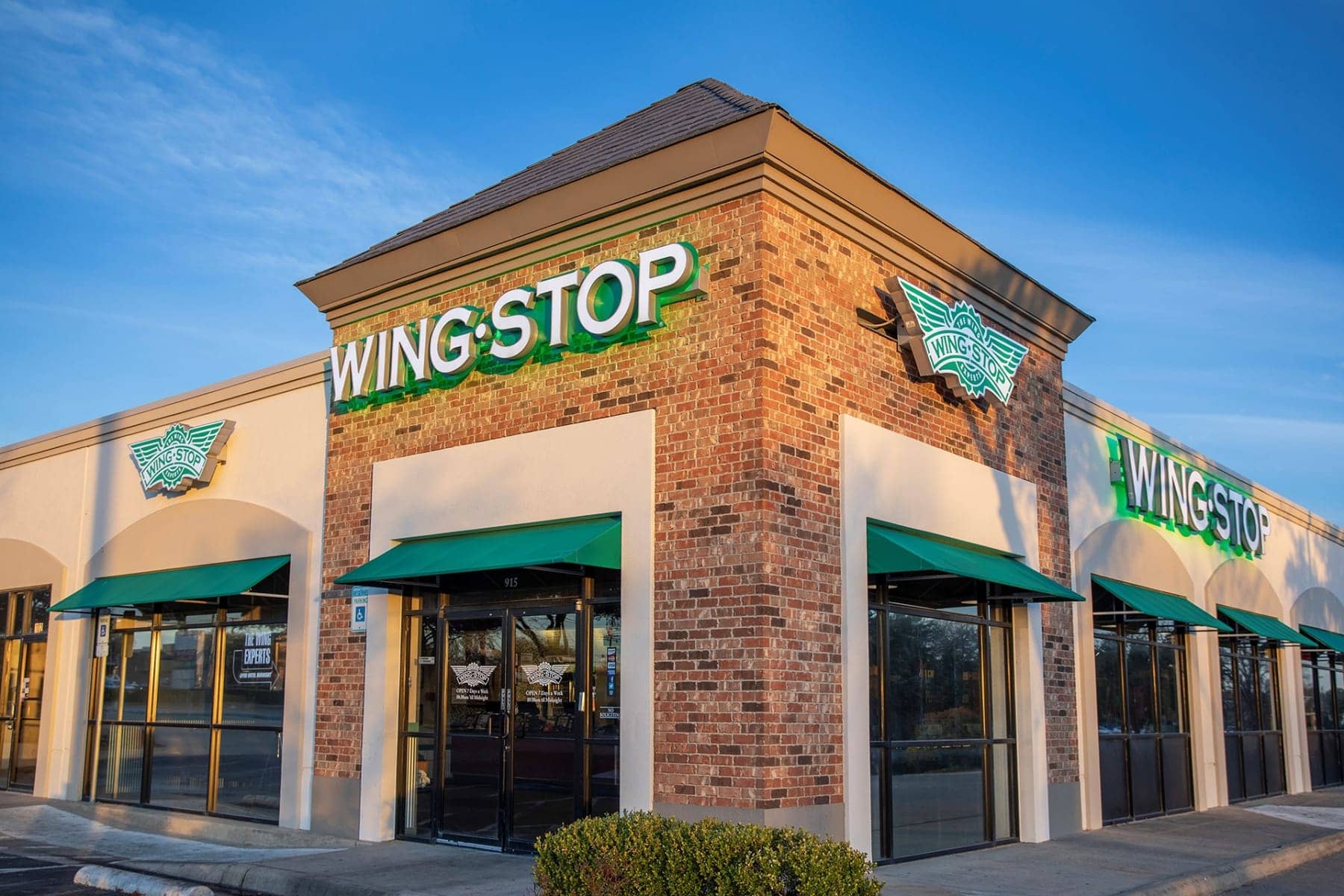
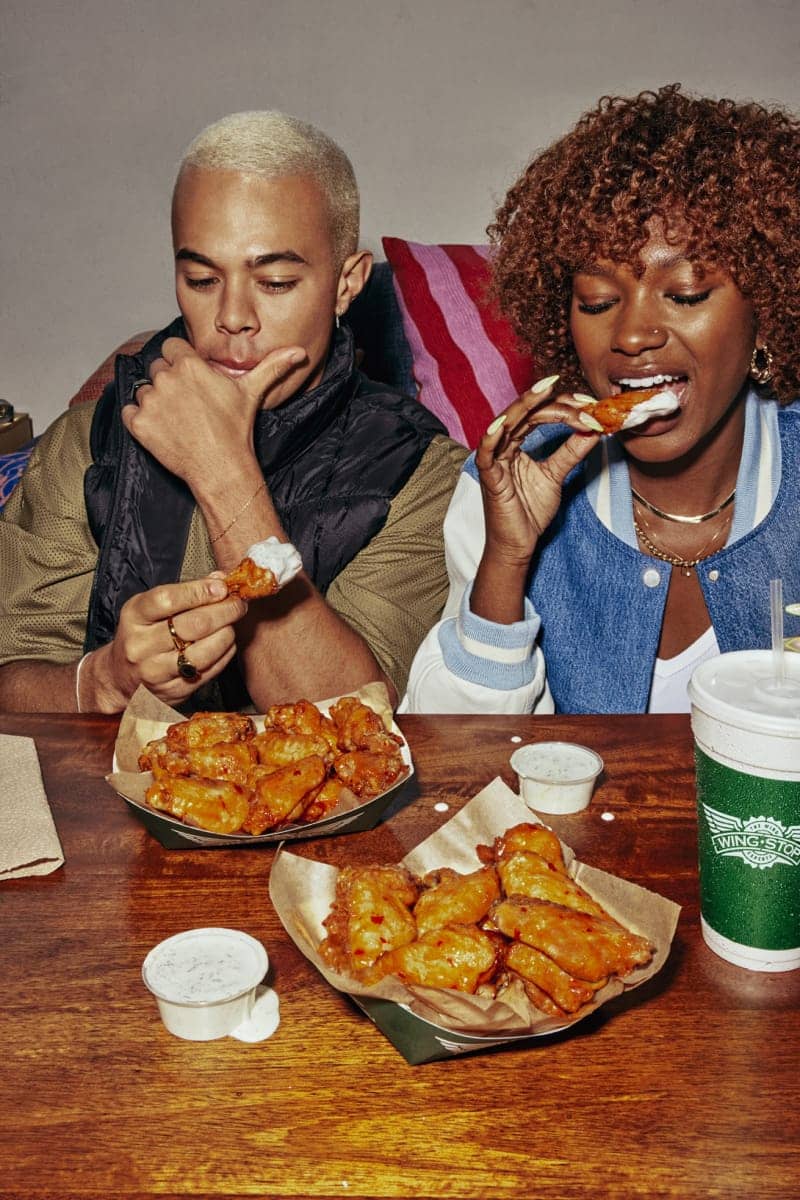
The summer’s biggest stage has its own sound and spice. With the FIFA tournament stirring cities across North America, Wingstop is placing its House of Flavor directly inside that pulse, free-entry pop-ups designed to make match weeks feel immersive, communal, and, yes, delicious. From June 11–14 at Stanley Barracks in Toronto and June 24–July 3 at The Bomb Factory in Dallas, the brand brings live DJs, official watch parties, and a complimentary taste of its signature menu to fans who want more than a seat and a screen. The tone is intentionally celebratory and balanced: music, food, and tactile moments that invite lingering. The question these gatherings pose is simple and savvy: what happens when you treat fandom like a thoughtfully-plated experience instead of a transaction?
Both cities add a cultural crescendo with one-night-only performances by hip hop artist FERG, on June 11 in Toronto and June 24 in Dallas. Around that backbone, Wingstop layers branded merchandise, pop-up barbershops, nail artists, and even on-site tattoo artists, a multi-sensory lineup that aims to be as memorable as a last-minute winner. The watch parties anchor the schedule so fans can gather for every kick, while DJs set a mood that travels from pregame buzz to post-match decompression. It reads as a composed plate: flavor, soundtrack, and service touchpoints designed to feel balanced, nourishing, and shared.

This isn’t a one-off flourish; it’s a deliberate move inside a broader growth recipe. The House of Flavor stems from a marketing playbook that seeks to lift awareness as Wingstop chases 10,000 global locations. The fall 2024 launch of “Wingstop is Here” and a boost to the national ad fund, rising to about 5.3% of systemwide sales and then to 5.5% in fiscal 2025, signaled appetite for high-impact activations. Since 2024, alliances with the NFL, NBA, UFC, WWE, and WNBA have put the brand where culture already gathers. It’s a thoughtful balance of paid reach and lived experience, the kind of mix that can turn curiosity into repeat behavior when the moment is right.
Scale underwrites the ambition. By the end of fiscal 2025, Wingstop reported $1.347 billion in systemwide sales across 3,056 restaurants, marking a 19.2% unit growth rate. That growth narrative gives these activations pragmatic footing; they are not just stunts, but expressions of a brand building momentum while investing in experiential equity. In marketing terms, the company is betting that culture-led presence, stacked against the right calendar and city grid, can be as potent as a national spot, and more nourishing for a loyal base that values community as much as convenience.
On the ground, the House of Flavor reads like a festival with a clear thesis: bring food, music, and personal expression into one balanced setting. In Toronto, the June 11–14 run aligns with the city’s first men’s FIFA World Cup match on Canadian soil (June 12), while Dallas’ June 24–July 3 schedule rides the wave of nine matches, starting June 14 with Netherlands vs. Japan. Live DJs create throughlines between kickoff and community, watch parties channel collective focus, and free services, from tattoos to haircuts and manicures, deliver unexpected texture. As Chief Brand Officer Donnie Upshaw put it, “When the world shows up for the game, we bring the flavor and the culture...through culture, community and craveable flavor you can see, feel and taste.”
Early feedback from trial activations suggests the blend is resonant. One Toronto media preview attendee offered a plainspoken verdict: “I came for the wings but stayed for the tattoos and DJs.” That sentiment captures the aim: extend dwell time by engaging multiple senses and letting fans co-author the moment. It’s a quietly radical approach for a fast-casual brand, treating atmosphere, service flourishes, and personal style as ingredients in the same composed experience. The result feels nourishing in a cultural sense: generous, social, and designed for memory.
Behind the festival lights sits a thoughtful financial posture. Lifting the national advertising fund to 5.5% in fiscal 2025 generated approximately $30 million in additional Ad Fund fees, buoyed by a 12.1% rise in systemwide sales that year. In Q4 2025, revenue reached $175.7 million, up 8.6% year over year, while systemwide sales hit $1.347 billion, a 9.3% gain. The board’s $0.30 quarterly dividend on Feb. 17, 2026 returned $8.3 million to shareholders. Looking forward, projected 15–16% global unit growth for fiscal 2026 aligns with the longer arc toward 10,000 locations. The thesis is consistent: fund cultural presence, and let scale turn moments into momentum.
On operations, CEO Michael Skipworth underscored the backbone that makes these bets feasible: “Our team continues to demonstrate operational excellence as we opened 493 net new restaurants and expanded into six new international markets.” He has also pointed to innovations like the Smart Kitchen rollout and a revamped loyalty program as engines for faster service and deeper engagement. In practical terms, experiential marketing drives top-of-funnel energy, while operational gains and loyalty capture it, an end-to-end path that, when balanced well, feels both disciplined and expansive.
Wingstop is not alone in treating the pop-up as a cultural commons. Habit Burger & Grill recently unveiled “Habit Ranch”, an immersive, ranch-themed venue that spotlights its housemade dressing and rewards MyHabit members. Industry voices at QSR Magazine and Restaurant Business frame these experiences as more than ambience: they can drive 10–15% incremental traffic and generate shareable social content that keeps narratives alive beyond a single ad flight. In that landscape, House of Flavor positions Wingstop to capture both the sport-anchored crowd and culture seekers who value a scene that feels considered, communal, and easy to return to.
- Destination appeal: Pop-ups turn match days into rituals, giving fans a third place that feels lively yet intentional.
- Cultural alignment: Tapping sports and music offers built-in relevance without forcing fit.
- Shareable moments: Visual, tactile touchpoints convert in-person energy into organic reach.
For brands, the opportunity is to keep the mix balanced, satisfying immediate cravings while building a longer tail of loyalty and conversation.
Even the most flavorful concepts need measurement. Footfall targets, expected sales uplift, and ROI benchmarks for House of Flavor have not been disclosed. Venue hours may shift, and potential age restrictions or entry fees could narrow reach. Local health and safety rules, and capacity realities at historic sites like Stanley Barracks, will shape the on-the-ground experience. The biggest question is longitudinal: how will activations affect same-store sales and brand sentiment over time? Observers will look to Q3 2026 results and digital engagement metrics to gauge whether these high-touch weeks translate into steady, nourishing growth beyond the final whistle.
If the thesis holds, Wingstop is writing a playbook that feels balanced: invest where passion concentrates, design spaces that invite people to stay, and let operational discipline carry the momentum forward. It’s a thoughtful, culture-first stance, one that treats match day like a communal table. When food, music, and service cues come together with care, the experience can feel more than exciting; it can feel sustaining.