Caribou Coffee Names New COO to Drive Operations Excellence
Caribou Coffee appoints Zane Thomas-Rogers as Chief Operations Officer to strengthen execution across its expanding coffeehouse network.
News
Sep 4, 2026
Caribou Coffee appoints Zane Thomas-Rogers as Chief Operations Officer to strengthen execution across its expanding coffeehouse network.
Sep 4, 2026
Learn how to handle restaurant payroll yourself, from calculating hours and wages to managing tips, taxes, and final paychecks.
Sep 2, 2026
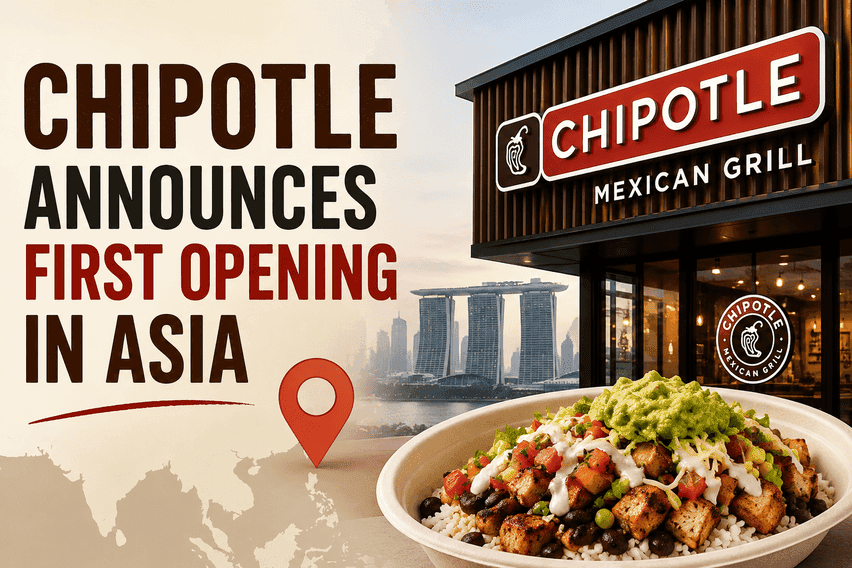
Chipotle makes its highly anticipated entry into Asia with a Seoul opening, partnering with Sangmidang Holdings and setting a template for future international growth.
Sep 2, 2026
Angry Chickz enters Illinois with its signature hot chicken concept and ambitious plans for Midwest expansion, setting the stage for new franchise opportunities and community engagement.
Sep 2, 2026
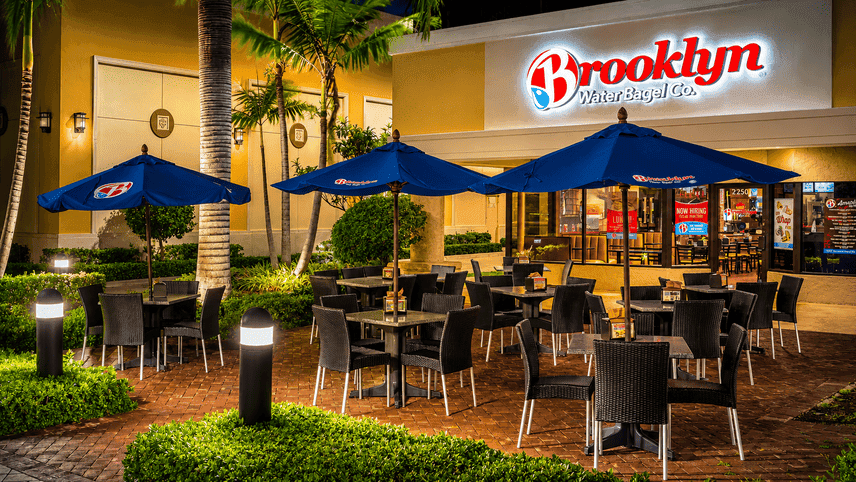
Brooklyn Water Bagel launches its first campus eatery at Nova Southeastern, signaling strategic growth and fresh potential for multi-unit operators seeking new market wins.
Sep 2, 2026
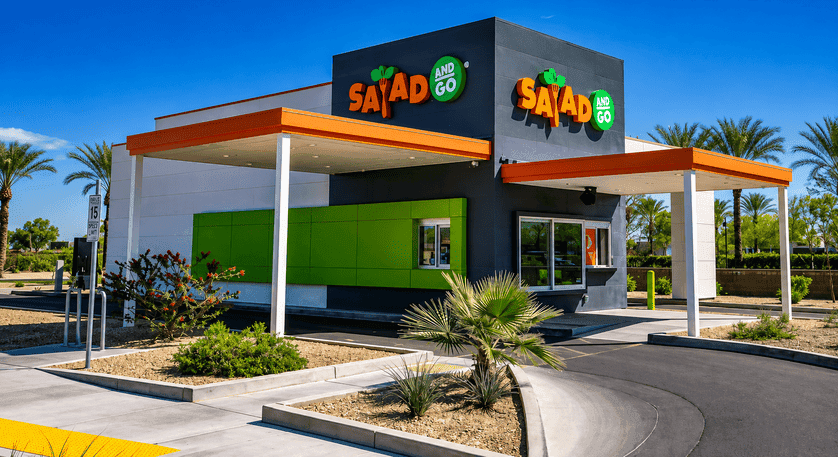
7 Brew has acquired 73 former Salad and Go locations, surpassing Dutch Bros with a $143M bid, signaling a major shift in the competitive landscape for drive-thru brands.
Sep 2, 2026
Restaurant labor management helps owners optimize staffing, control labor costs, improve productivity, monitor overtime, and maintain efficient restaurant operations.
Sep 2, 2026
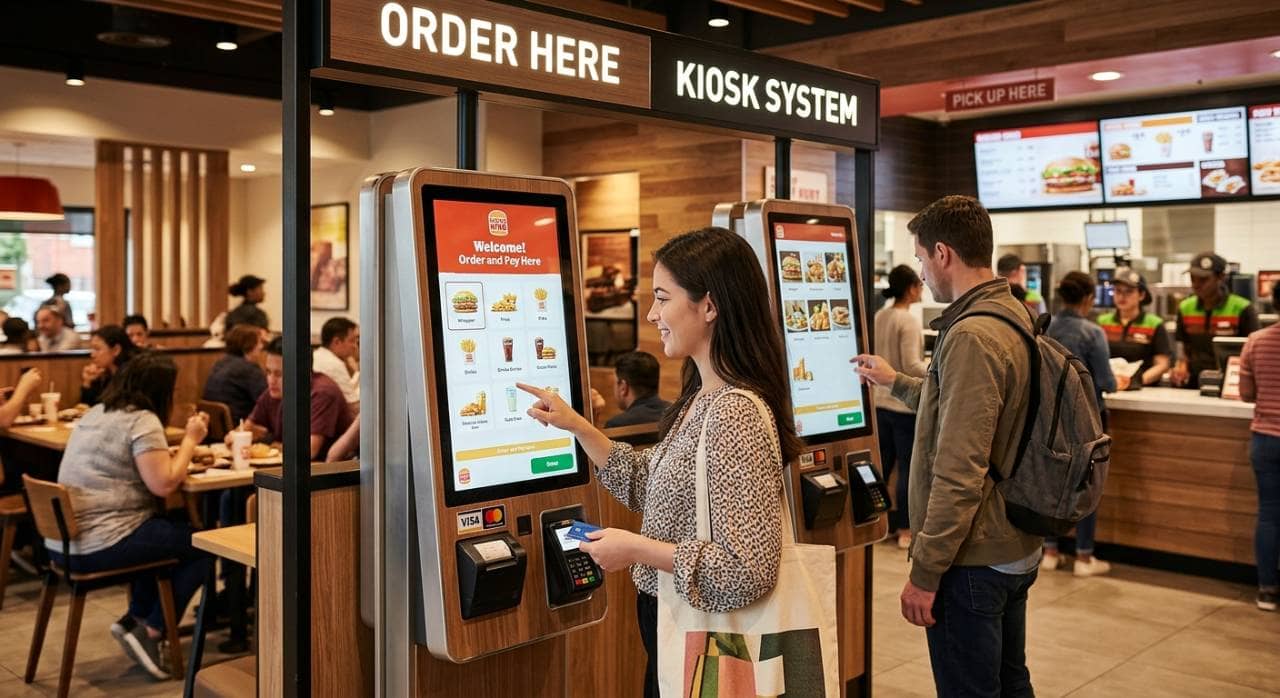
Understand how to evaluate a Kiosk system using key criteria including features, POS integration, hardware, pricing, customer experience, and support.
Aug 31, 2026
Explore restaurant technology trends in 2026, including AI, automation, digital ordering, workforce tools, connected kitchens, personalization, and profitability strategies today.
Aug 28, 2026
Learn how to calculate restaurant cost of goods using inventory, purchases, COGS percentage, variance reviews, and regular tracking for profitability.
Aug 31, 2026

Unlock Exclusive Access To Webinars, Events, And The Latest News For Free!
Explore how to grow revenue on slow days by combining direct ordering, promotions, email automation, and in-store events.
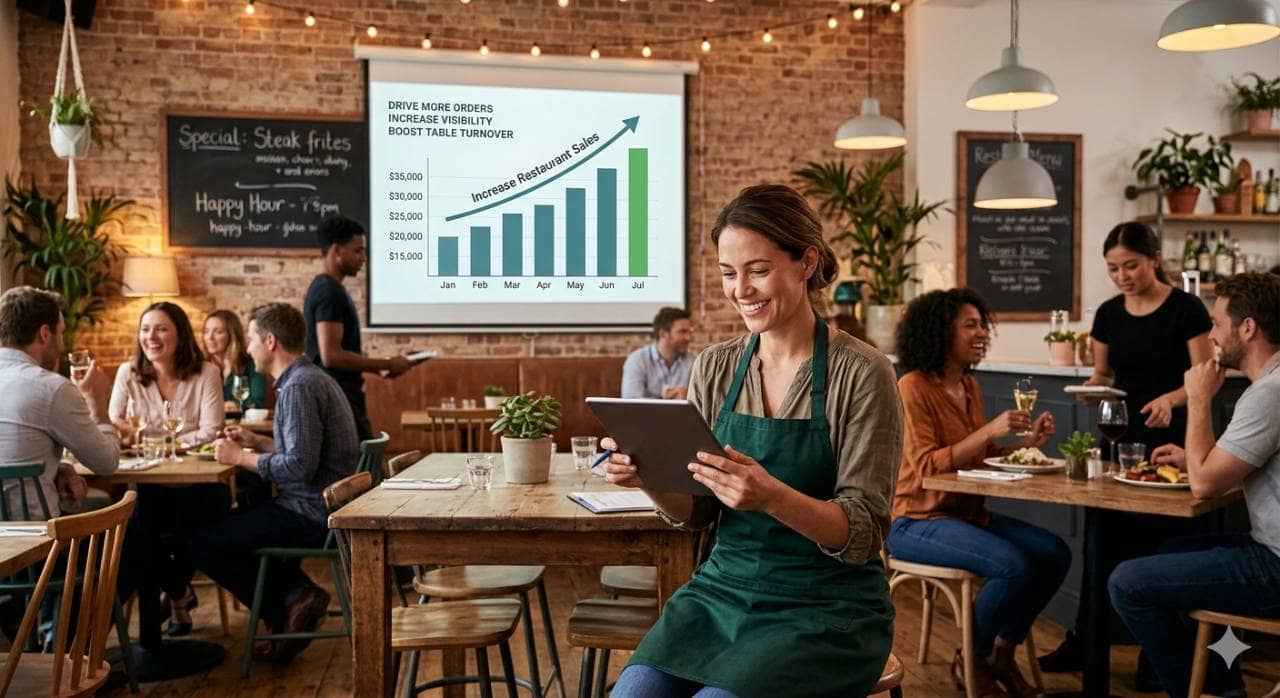
Every restaurant deals with slow days. They show up as quieter shifts, lighter dining room traffic, and service periods where labor feels heavier because guest volume is lower. For many operators, Mondays and Tuesdays are the most consistent examples, with Wednesdays often following the same pattern. This is not usually a sign that something is wrong with the business. It is often a reflection of normal customer behavior. Early in the week, fewer people dine out, fewer social plans are made, and demand simply does not match the volume seen later in the week. The problem is not that slow days exist. The problem is how operators respond to them. Many restaurants treat these days as automatic losses and focus all of their energy on weekends or peak periods. That approach leaves revenue on the table. Slow days should be viewed differently. They are not just low-sales periods. They are windows where targeted action can create meaningful gains. From a financial perspective, fixed costs still exist whether traffic is strong or weak. Rent, utilities, software, and base labor do not disappear because the dining room is quieter. That means any additional sales generated on a slow day can help improve how efficiently those fixed costs are absorbed. Even a modest increase in weekday sales can strengthen total weekly performance. Slow days also create operational room. Staff has more time, the kitchen has more capacity, and execution is often easier than during a packed Friday night rush. That makes these days ideal for testing promotions, building catering demand, or creating local events. The right mindset is to stop treating slow days as dead time and start treating them as underused opportunities to improve revenue, margin, and consistency across the week.
Corporate catering is one of the most practical ways to improve slow-day sales because it aligns with both timing and profitability. Instead of depending only on individual dine-in or takeout orders, restaurants can use catering to bring in larger tickets, improve labor efficiency, and create more reliable weekday revenue. 1. Catering improves margins - Large catering orders are usually easier to prepare than many separate guest tickets. The kitchen can work in batches, portion in bulk, and avoid the constant interruptions that come with individual orders. This helps lower labor cost per item and makes production more efficient. In many cases, catering can generate stronger margins because the restaurant produces more revenue with less operational friction. 2. Demand fits slow days - One of the biggest advantages of corporate catering is timing. Restaurants often see their weakest traffic on Mondays and Tuesdays, yet those are common days for office lunches, staff meetings, and workplace events. This makes catering a strong fit for early-week sales recovery. Instead of waiting for walk-in traffic to increase, operators can target a customer group that already orders during those slower periods. 3. Bigger orders cover costs faster - Fixed costs do not stop on a slow day. Rent, utilities, and core labor remain in place whether the restaurant is busy or not. Because of that, even one strong catering order can make a meaningful difference in daily performance. A few large weekday orders can often contribute more to margin protection than a high number of small transactions. 4. Direct orders protect profit - Volume alone is not enough if the margin disappears. Third-party catering platforms may help bring in orders, but high commission fees can significantly reduce profitability. That is why direct ordering should be a priority. When customers order through your own website, you keep more of the revenue, control the experience, and create a better path to repeat business. 5. Easy ordering drives repeat sales - Corporate customers want convenience. Office managers and administrators usually need a fast, low-risk ordering process with clear options and reliable delivery. A simple catering menu, straightforward pricing, and an easy online checkout can make a major difference. When the process is easy and the first experience goes well, repeat ordering becomes much more likely. Corporate catering works because it solves multiple problems at once. It brings in larger checks, matches the timing of slower weekdays, and helps restaurants improve revenue without adding unnecessary complexity. For operators looking for a practical, data-driven way to strengthen weak sales days, catering is one of the smartest places to start.
Once a restaurant has a catering offer in place, the next challenge is getting that offer in front of the right people without overspending on marketing. This is where low-cost local promotion becomes valuable. The goal is not to run a broad campaign with high acquisition costs. The goal is to target the nearby businesses, office staff, and community decision-makers who are most likely to place repeat weekday orders. 1. Start with nearby offices - One of the simplest ways to build weekday catering demand is to focus on offices close to your restaurant. These businesses are more likely to need convenient lunch options for meetings, staff lunches, or team events. Distance matters because shorter delivery times reduce operational friction and make repeat ordering more realistic. A restaurant that targets businesses within a tight radius can improve both service consistency and marketing efficiency. 2. Reach the real decision-makers - In many offices, the person placing the order is not the owner or executive. It is often an office administrator, executive assistant, or team coordinator. These are the people who decide where group meals come from, especially on weekdays. That means local promotion should be built around reaching them directly. A practical approach may include dropping off menus, offering samples, or introducing your catering options in a way that is simple and professional. The goal is to make your restaurant easy to remember when the next group order comes up. 3. Keep the offer simple - Complicated promotions reduce response rates. If a local office is considering your restaurant, they should be able to understand the offer quickly. A free sample tray, a first-order discount, or a small gift card for trying the catering menu can be enough to create interest. The offer does not need to be expensive. It needs to reduce hesitation and give the business a reason to test your food with minimal risk. 4. Give them a reason to order direct - Winning a first order is useful, but repeat orders matter more. That is why restaurants should encourage businesses to place catering orders through their own website instead of third-party platforms. Direct-order rewards, loyalty points, or future discounts can help build that habit. This protects margin and gives the restaurant more control over the customer relationship. Over time, direct repeat ordering becomes much more valuable than one-time promotional volume. 5. Improve local search visibility - Local promotion should not rely only on in-person outreach. Your website should also be built to capture nearby search demand. Businesses searching phrases like "office catering near me," "catering in [city]," or lunch trays for meetings are already showing buying intent. If your site includes clear catering pages, relevant local keywords, and easy ordering information, you increase the chances of capturing those searches without paying ongoing third-party commissions. Low-cost local promotion works because it focuses effort where demand is most likely to convert. Instead of trying to reach everyone, you target the nearby people and businesses that are most likely to order during your slowest days. That makes it one of the most practical ways to build steady weekday traffic without creating unnecessary marketing spend.
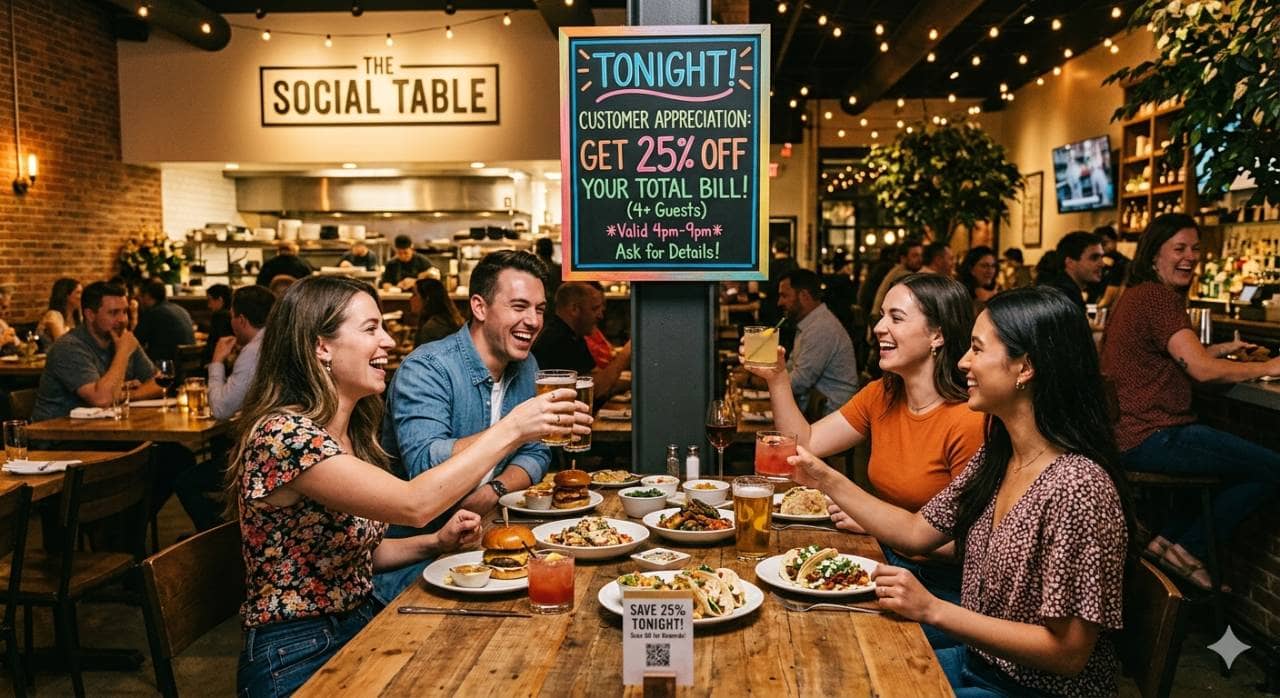
Slow-day specials work best when they are built with purpose. The goal is not to discount your menu just to create traffic. The goal is to bring in more guests on lower-volume days while still protecting margin, controlling food cost, and giving customers a clear reason to visit. 1. Choose the right items Build your special around menu items that are easier to sell at volume and still leave room for profit. - Focus on items with strong margins and lower food cost - Choose products your kitchen can execute quickly and consistently - Avoid discounting items that are already expensive to produce - Look for items that naturally fit group ordering or add-on purchases This is important because a slow-day special should help sales without creating more operational pressure or hurting profitability. 2. Keep the offer easy to understand A promotion should be simple enough for a customer to understand in a few seconds. - Use direct offers like "20% off tacos" or "Half-price wine bottles" - Avoid complicated conditions, exclusions, or too many menu combinations - Make sure staff can explain the promotion quickly and consistently - Use the same wording across signs, social posts, email, and online ordering The easier the offer is to understand, the easier it is for customers to act on it. 3. Give the day a clear identity The strongest specials are not random. They become part of the customer's weekly routine. - Tie the offer to a specific day every week - Use a short, memorable name customers can remember - Match the promotion to the restaurant concept and audience - Repeat it consistently so it becomes part of your brand rhythm This is how a special moves from being a promotion to becoming a habit. 4. Create urgency without overcomplicating it Customers are more likely to respond when the offer feels timely and limited. - Use phrases like "today only," "every Tuesday," or "available this Monday night" - Keep the window tight enough to encourage action - Use reminders during the day to bring the offer back to mind - Make sure urgency supports the promotion instead of making it confusing A slow-day special should feel like a reason to act now, not something customers can always get later. 5. Track whether it is actually working More traffic alone does not mean the promotion is successful. The real question is whether it improves performance. - Compare revenue on the promoted day before and after the special - Watch food cost percentage on the featured item - Measure average ticket size and add-on sales - Review whether the promotion brings in new traffic or only discounts existing demand - Check whether labor stays efficient as volume increases A useful special should improve daily sales and still make financial sense. Slow-day specials are most effective when they are targeted, simple, and measured carefully. When restaurants choose the right items, brand the day clearly, and track the financial results, a weak sales day can become a steady weekly opportunity instead of a recurring problem.
Promotions are far more effective when they reach customers at the right time without requiring manual work every week. That is why automation matters. Instead of relying on someone to remember to build and send each campaign, restaurants can set up repeatable marketing that supports slow-day traffic on schedule. 1. Use automation to stay consistent Weekly promotions often fail because execution becomes inconsistent. One week the email goes out, the next week it gets delayed, and then it is forgotten entirely. Automation solves that problem. - Schedule campaigns in advance for the same day and time each week - Keep messaging tied to recurring slow-day offers - Reduce manual work for managers or marketing staff - Make sure promotions continue even during busy periods Consistency is what turns a promotion into a habit for customers. 2. Send messages when customers are most likely to act Timing affects response. A well-timed campaign can influence lunch, dinner, or same-day ordering much more effectively than a generic message sent at random. - Schedule lunch promotions early enough to influence ordering decisions - Send dinner reminders late enough to stay relevant but early enough to allow planning - Match push notifications to the hours when customers are deciding where to eat - Use recurring timing patterns so customers begin to expect the offer The message is important, but timing often determines whether it gets ignored or acted on. 3. Use app notifications for speed Push notifications are especially useful for slow-day promotions because they reach customers quickly and are often seen sooner than email. - Use app alerts for same-day specials or short promotional windows - Keep the message short and action-focused - Highlight the main benefit immediately - Link directly to ordering to reduce friction This works well when you want to influence behavior within a narrow time window, such as lunch or mid-afternoon ordering. 4. Use email for detail and repeat exposure Email still matters because it gives you more space to explain the offer and reinforce your direct-ordering message. - Include the featured special and the day it applies - Remind customers why ordering direct is better - Add a clear button or link to order online - Keep the design simple so the promotion is easy to scan Email supports awareness, while push notifications often help drive faster action. 5. Promote direct ordering in every message If you are running a slow-day campaign, it should also support your margin strategy. That means directing customers to your own ordering channel whenever possible. - Mention that the special is available through your website or app - Reinforce the convenience of ordering direct - Avoid training customers to depend on third-party platforms - Use every campaign to strengthen your owned customer relationship This is important because traffic alone is not enough. The value is much higher when the order comes through a lower-cost channel. Automation makes slow-day marketing more reliable, more efficient, and easier to scale. When restaurants combine scheduled email campaigns with timely app notifications, they can promote weekday offers consistently without creating extra weekly work.

Text message marketing (SMS) is one of the fastest ways to drive action on a slow day - but it has to be used with precision. Unlike email or app notifications, texts are immediate, highly visible, and more likely to interrupt the customer. That makes them powerful, but also easy to misuse. The goal is to use SMS selectively to create short-term demand without hurting margins or overwhelming your audience. 1. Target your most loyal customers SMS works best when it is sent to people who already know your brand and are more likely to respond. - Focus on repeat guests, loyalty members, or past high-frequency customers - Avoid sending mass texts to unengaged contacts - Keep your list clean and permission-based - Treat SMS as a priority channel, not a volume channel The more relevant the audience, the higher the conversion rate. 2. Keep the offer simple and time-sensitive Text messages should be easy to read and act on within seconds. - Use short, clear offers like "Free delivery today only" - Limit the message to one main action - Include a direct link to order - Avoid long explanations or multiple conditions SMS works because it removes friction. The message should match that expectation. 3. Protect margins with minimums Discount-based SMS offers can drive volume quickly, but they need guardrails. - Set a minimum order value for offers like free delivery - Avoid deep discounts on low-margin items - Pair offers with items that support profitability - Make sure the promotion still contributes to covering fixed costs The goal is to increase profitable sales, not just order count. 4. Use timing to influence same-day demand SMS is most effective when it aligns with decision-making moments. - Send lunch offers mid-morning when customers are planning meals - Send dinner offers mid-afternoon when plans are forming - Avoid sending too early or too late when messages are ignored - Test timing and adjust based on response rates Because texts are seen quickly, timing has a direct impact on results. 5. Limit frequency to maintain impact Overusing SMS reduces its effectiveness and can lead to opt-outs. - Reserve texts for your most important slow-day promotions - Avoid sending multiple messages in a short period - Keep a predictable but limited schedule - Monitor unsubscribe rates and engagement Scarcity applies to the channel itself. The less frequent the message, the more attention it gets. Text marketing is effective because it creates immediate action. When used correctly, it can help fill short-term gaps in demand, especially on slower days. But its real value comes from being targeted, timely, and controlled - driving revenue without creating unnecessary cost or customer fatigue.
Live music can help a slow night perform better by changing the reason people visit. Instead of relying only on food demand, the restaurant creates an added experience that gives customers a stronger reason to come in on a lower-traffic evening. This works best when the event is planned as an operational tool, not just entertainment. Why live music works on slow days A quiet restaurant can discourage walk-in traffic. When guests see an empty dining room, they often assume there is no energy in the space. Live music helps solve that problem by making the restaurant feel active, visible, and worth noticing. It changes the atmosphere both inside and outside the building. This matters because slow-day traffic is often not just a demand problem. It is also a perception problem. If people hear music from the street, see a performer through the window, or notice other guests gathering, the restaurant feels more inviting. That can improve both planned visits and spontaneous walk-ins. Where the return comes from The value of live music is not only measured by ticket sales or entertainment cost. It should be evaluated through broader operating results, including - - higher guest counts on slow nights - stronger average checks if guests stay longer - improved beverage sales - better social media visibility when customers share the experience - more walk-in traffic from street exposure A slow Tuesday with live music may outperform a normal Tuesday not because every guest came for the performance, but because the overall environment encouraged more people to stop in and stay longer. How to keep the cost practical The financial model has to make sense. Restaurants do not need expensive performers to make this strategy work. In many cases, local musicians, small acoustic sets, or newer artists can provide enough energy at a manageable cost. A practical setup usually works best - - use local solo acts, duos, or small groups instead of larger bands - keep costs manageable through flat fees, tip-based arrangements, or promotional exposure - schedule performances on Mondays or Tuesdays when traffic needs the most support - place the music where it can be seen or heard from outside when possible - measure success based on traffic, dwell time, and beverage sales rather than entertainment alone This type of setup helps the restaurant create an event feeling without turning the night into a high-cost production. What operators should watch Live music should support the concept, not distract from it. The style, volume, and timing should fit the brand and the customer base. A restaurant should also track whether the event improves actual sales performance. Useful metrics include same-day sales lift, guest count changes, check average, and bar mix. When live music is chosen carefully and measured properly, it can turn a weak night into a more active, higher-value service period. For restaurants trying to improve slow-day performance, it is one of the clearest ways to create energy, increase visibility, and give customers a reason to show up.
Game nights can be an effective way to build slow-day traffic because they give customers a reason to gather, stay longer, and interact. Unlike live music, which mainly changes the atmosphere, game nights create direct participation. That makes them especially useful on Mondays and Tuesdays, when many people are looking for something social to do but are not necessarily planning a full night out. Slow nights often need more than a discount. They need a reason for people to choose your restaurant over staying home or going somewhere else. Game nights solve that by adding a social purpose to the visit. Trivia, bingo, and similar events give groups a reason to come together, and they can also make the restaurant feel more active even before it reaches full volume. This matters because people are often more open to low-pressure, local entertainment early in the week. A game night can turn a "dead" evening into a recurring community event, especially if it becomes part of the weekly routine. What makes them effective Game nights tend to work best when they are simple, repeatable, and easy for customers to understand. A strong format usually includes - - one clear activity, such as trivia, bingo, or themed team games - a consistent weekly schedule so guests know when it happens - prizes that are appealing but still cost-controlled - themes that fit the neighborhood, customer base, or restaurant concept - enough structure to feel organized without becoming complicated The goal is to create participation without adding too much operational burden. How game nights support sales The value of a game night is not just attendance. It should be measured through operating performance, such as - - higher guest counts on slow nights - longer dwell time, which can increase total spend - stronger beverage and appetizer sales - more repeat weekly visits from local customers - better word-of-mouth and community visibility Because guests stay engaged longer, game nights often create more opportunities for incremental purchases than a standard low-traffic service. How to keep the format practical Restaurants do not need to overproduce these events. A simple and consistent format usually works better than something overly complex. - choose one event style and repeat it weekly - keep prizes manageable, such as gift cards, appetizers, or branded items - train staff on the event flow so service does not become disorganized - promote the event in-store, online, and through direct customer channels - review sales results to confirm the event is helping the business When done well, game nights can turn a weak weekday into a recurring traffic driver. They create community, increase engagement, and give customers a reason to return on nights that would otherwise remain quiet.
