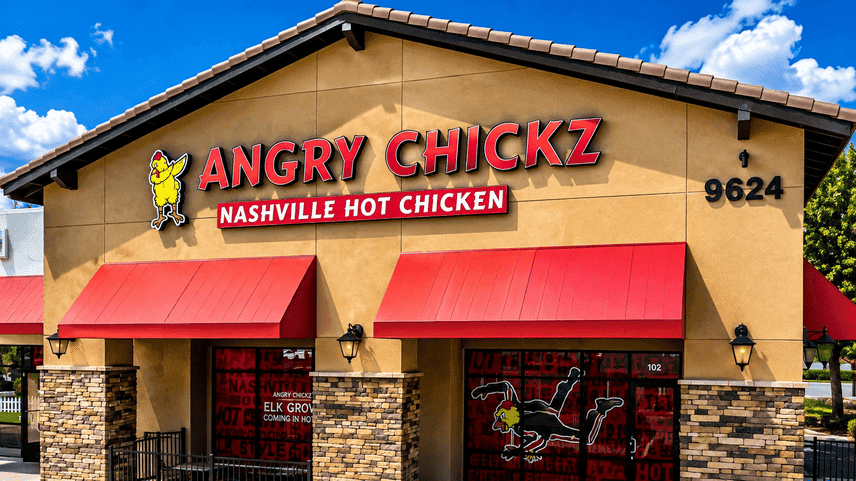
Nashville Hot Chicken Comes to Midwest
Angry Chickz enters Illinois with its signature hot chicken concept and ambitious plans for Midwest expansion, setting the stage for new franchise opportunities and community engagement.
News
Sep 2, 2026
Angry Chickz enters Illinois with its signature hot chicken concept and ambitious plans for Midwest expansion, setting the stage for new franchise opportunities and community engagement.
Sep 2, 2026
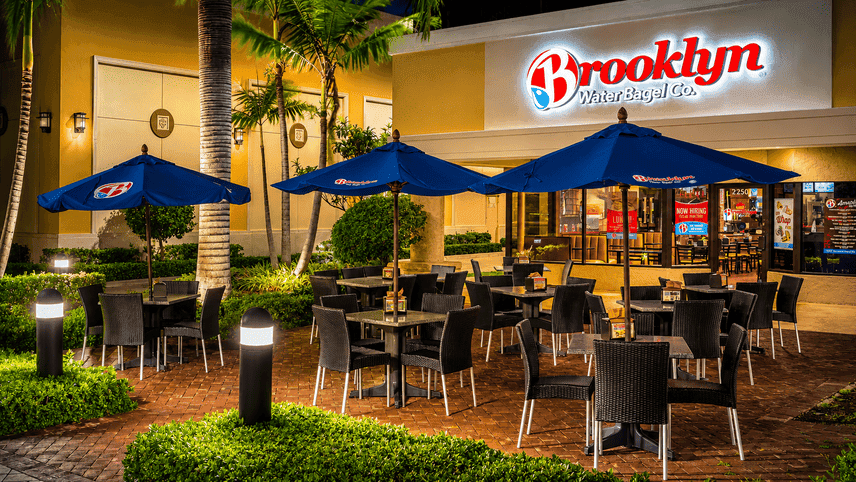
Brooklyn Water Bagel launches its first campus eatery at Nova Southeastern, signaling strategic growth and fresh potential for multi-unit operators seeking new market wins.
Sep 2, 2026
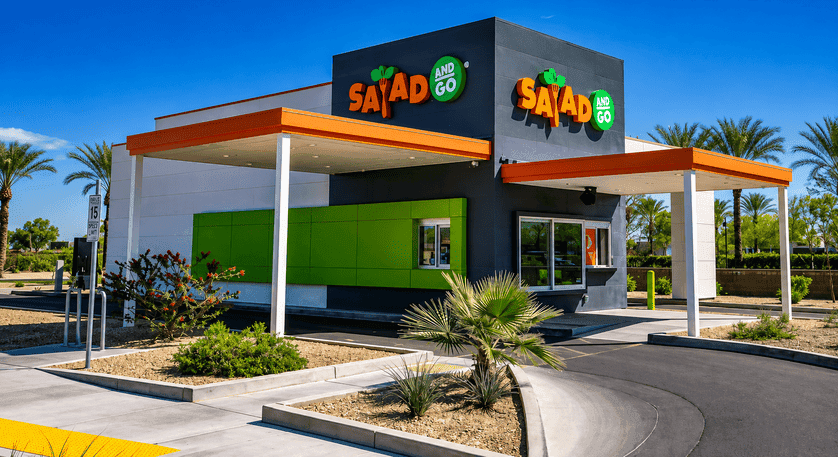
7 Brew has acquired 73 former Salad and Go locations, surpassing Dutch Bros with a $143M bid, signaling a major shift in the competitive landscape for drive-thru brands.
Sep 2, 2026
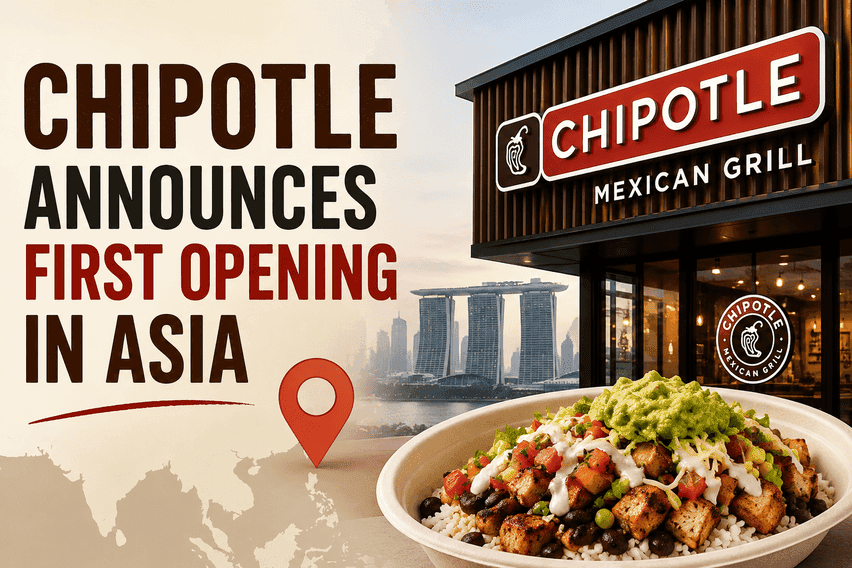
Chipotle makes its highly anticipated entry into Asia with a Seoul opening, partnering with Sangmidang Holdings and setting a template for future international growth.
Sep 2, 2026

Restaurant labor management helps owners optimize staffing, control labor costs, improve productivity, monitor overtime, and maintain efficient restaurant operations.
Sep 2, 2026

Learn how to calculate restaurant cost of goods using inventory, purchases, COGS percentage, variance reviews, and regular tracking for profitability.
Aug 31, 2026
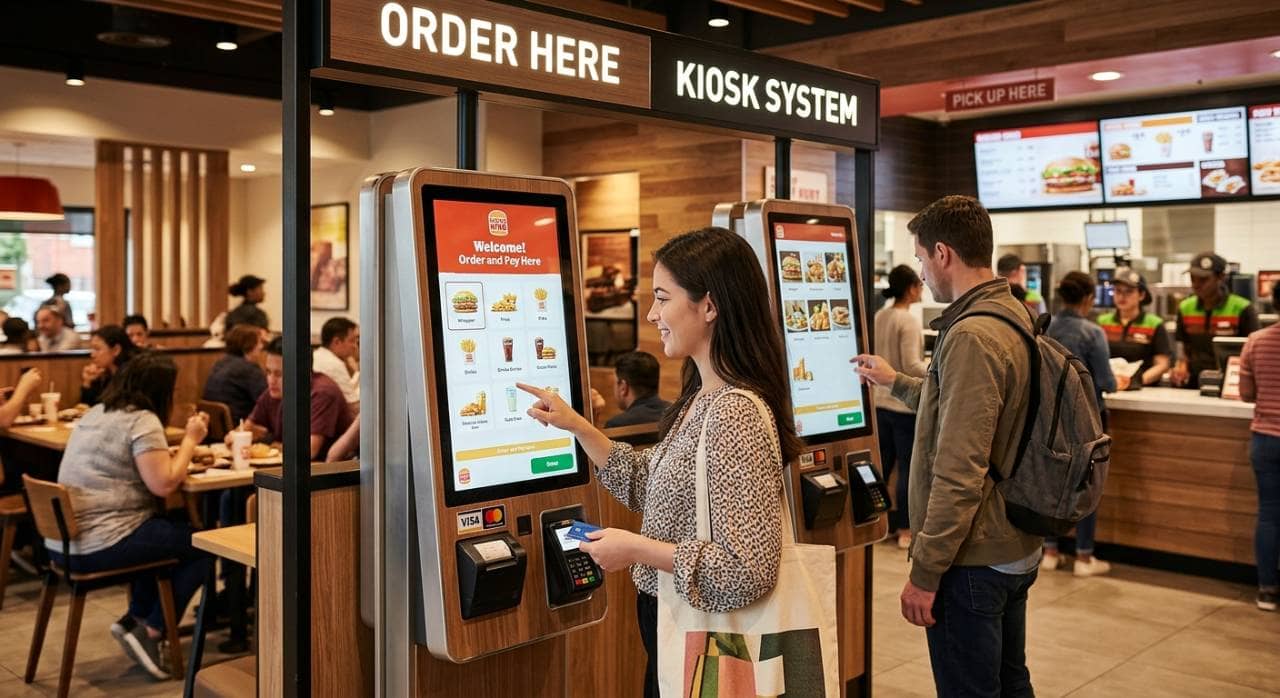
Understand how to evaluate a Kiosk system using key criteria including features, POS integration, hardware, pricing, customer experience, and support.
Aug 31, 2026

Explore restaurant technology trends in 2026, including AI, automation, digital ordering, workforce tools, connected kitchens, personalization, and profitability strategies today.
Aug 28, 2026

Learn the startup costs of opening an ice cream shop, including rent, equipment, renovations, permits, inventory, labor, marketing, and reserves.
Aug 28, 2026

A restaurant P&L statement reveals sales, expenses, and profits, helping owners manage costs, improve margins, and plan finances more effectively.
Aug 26, 2026

Unlock Exclusive Access To Webinars, Events, And The Latest News For Free!
Explore the recent changes in U.S. trade policies, including tariffs on China and their impact on the global economy. Understand the implications of the ongoing trade war and its consequences on international trade.

Photo by Ian Taylor

Photo by Ian Taylor
The recent announcement by President Donald Trump regarding the pause in most country-specific tariffs for 90 days coupled with the significant increase in duties on imports from China to 125% has sparked discussions worldwide. While the majority of countries will maintain a 10% baseline tariff, sector-specific tariffs are set to remain in place, signifying a complex shift in U.S. trade policy dynamics.
Canada and Mexico, despite their established trade relationships with the U.S., face the burden of a 25% tariff on non-USMCA-compliant goods. Additionally, sector-specific duties on vital products like steel, aluminum, and automotive goods are still enforced, impacting the economic ties between these countries and the U.S.

Photo by Ian Taylor
The decision to pause reciprocal tariffs by President Trump reflects a strategic approach amidst increasing engagement with over 75 countries seeking trade negotiations. Notably, countries like Japan, Vietnam, South Korea, and India are positioned prominently in this negotiation landscape. Nevertheless, the ongoing trade war escalation with China paints a contrasting picture, with both countries imposing substantial tariffs on each other, setting the stage for intensified economic strain.
The tit-for-tat approach in tariffs between the U.S. and China, accounting for a significant portion of global trade, poses severe risks to the global economic outlook. The potential reduction in merchandise trade between these giants, as per projections by the World Trade Organization, could lead to a substantial decrease in the global real gross domestic product, painting a grim picture for international trade.