The Ultimate Guide to Restaurant Labor Management
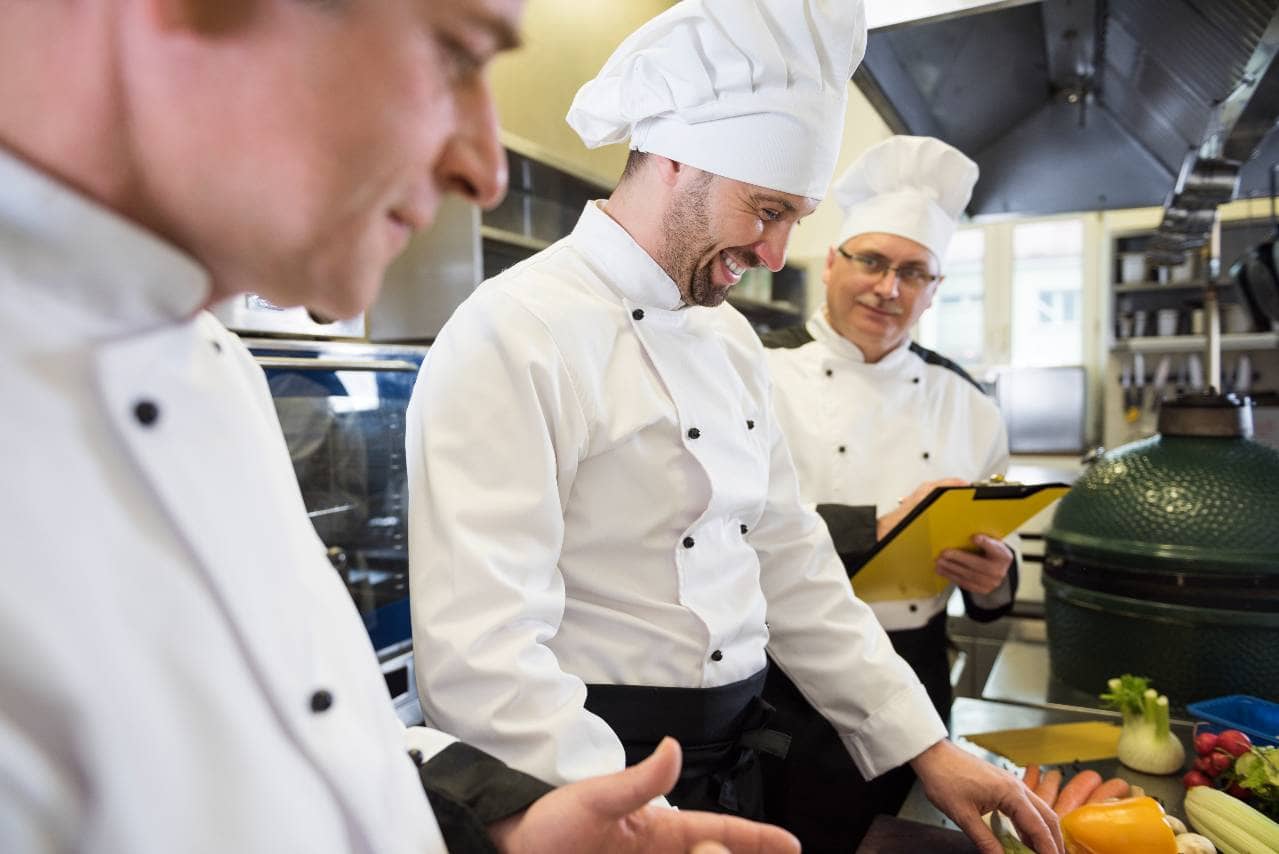
Restaurant labor management helps owners optimize staffing, control labor costs, improve productivity, monitor overtime, and maintain efficient restaurant operations.
Back Office
Sep 2, 2026
Restaurant labor management helps owners optimize staffing, control labor costs, improve productivity, monitor overtime, and maintain efficient restaurant operations.
Sep 2, 2026
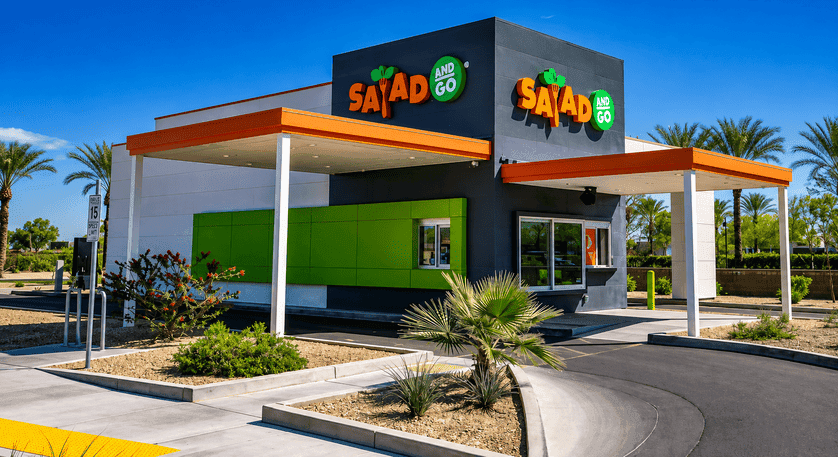
7 Brew has acquired 73 former Salad and Go locations, surpassing Dutch Bros with a $143M bid, signaling a major shift in the competitive landscape for drive-thru brands.
Sep 2, 2026
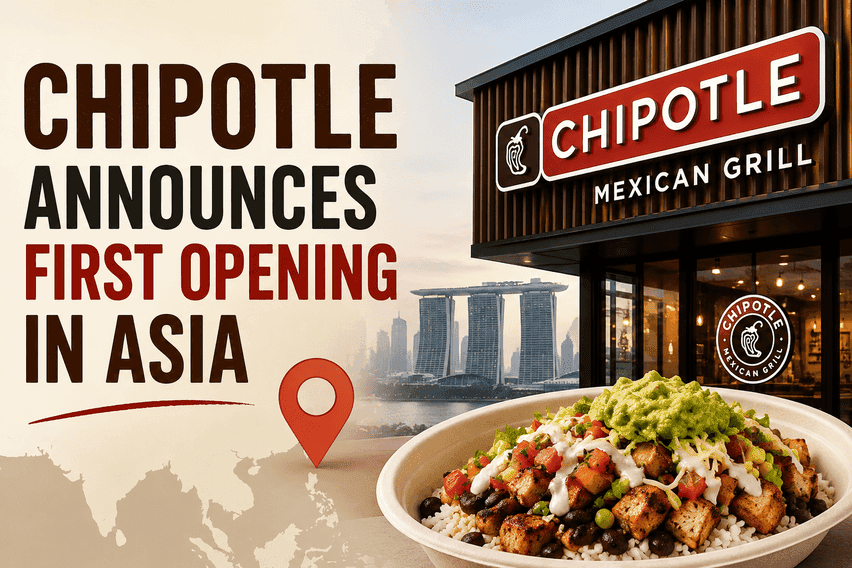
Chipotle makes its highly anticipated entry into Asia with a Seoul opening, partnering with Sangmidang Holdings and setting a template for future international growth.
Sep 2, 2026
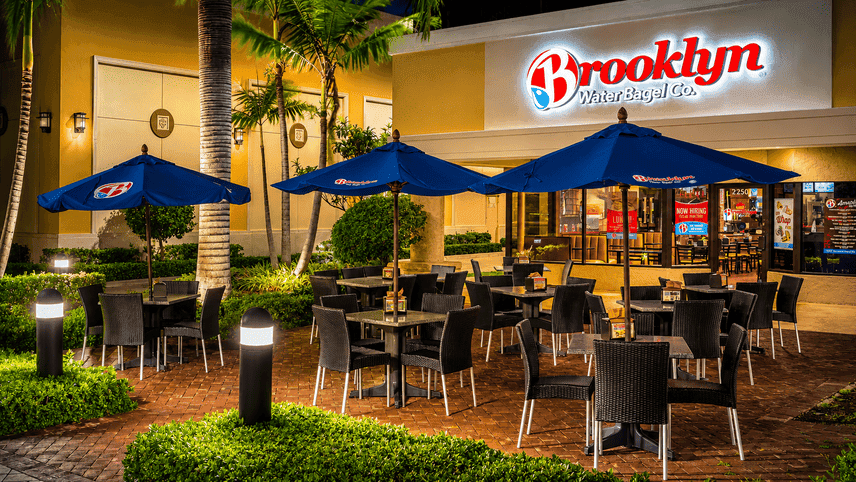
Brooklyn Water Bagel launches its first campus eatery at Nova Southeastern, signaling strategic growth and fresh potential for multi-unit operators seeking new market wins.
Sep 2, 2026
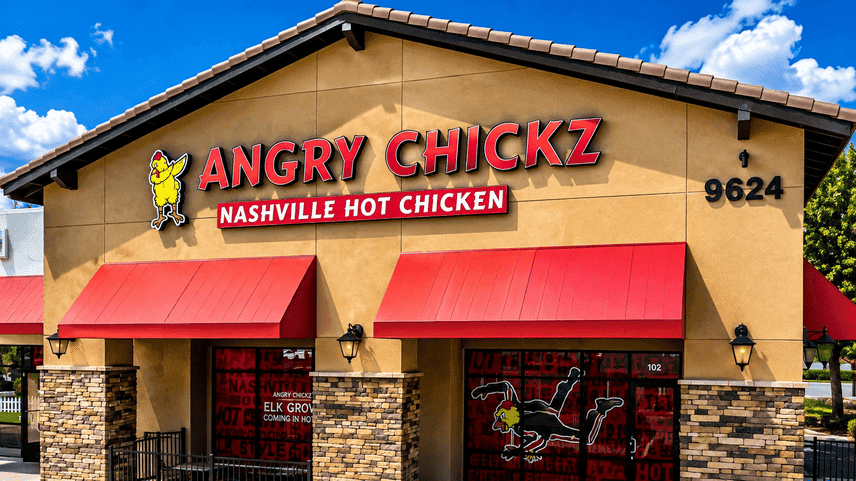
Angry Chickz enters Illinois with its signature hot chicken concept and ambitious plans for Midwest expansion, setting the stage for new franchise opportunities and community engagement.
Sep 2, 2026
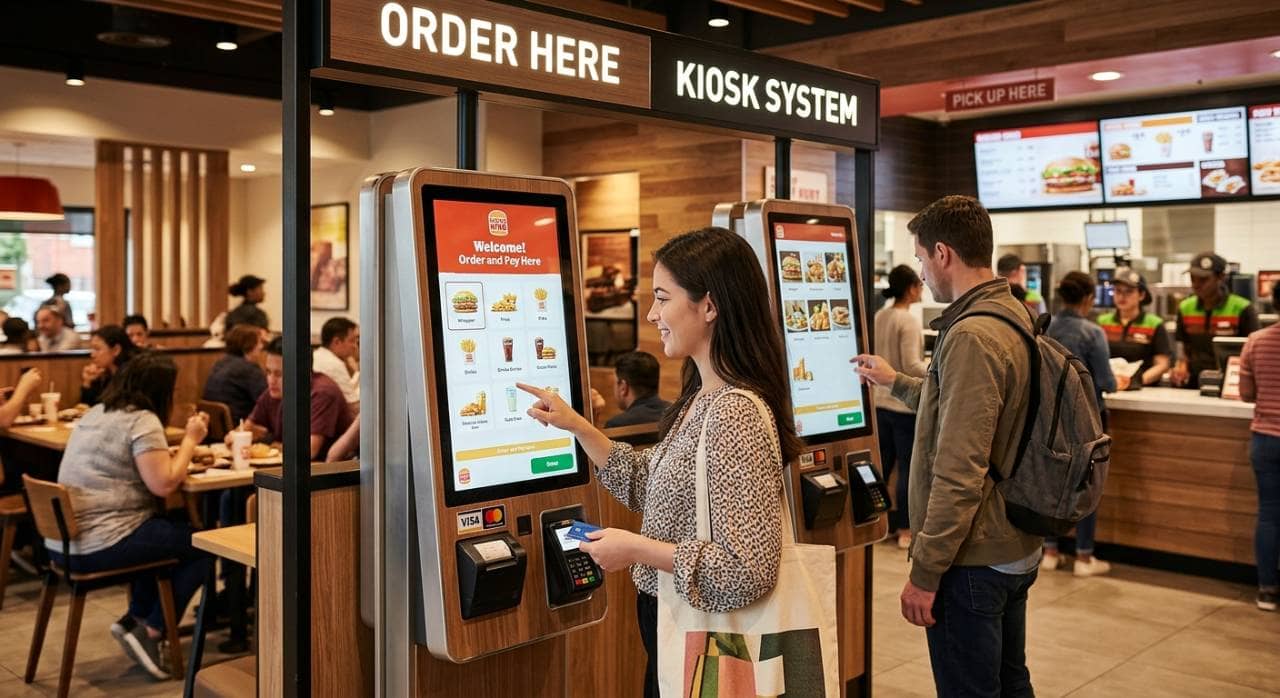
Understand how to evaluate a Kiosk system using key criteria including features, POS integration, hardware, pricing, customer experience, and support.
Aug 31, 2026

Explore restaurant technology trends in 2026, including AI, automation, digital ordering, workforce tools, connected kitchens, personalization, and profitability strategies today.
Aug 28, 2026
Learn how to calculate restaurant cost of goods using inventory, purchases, COGS percentage, variance reviews, and regular tracking for profitability.
Aug 31, 2026
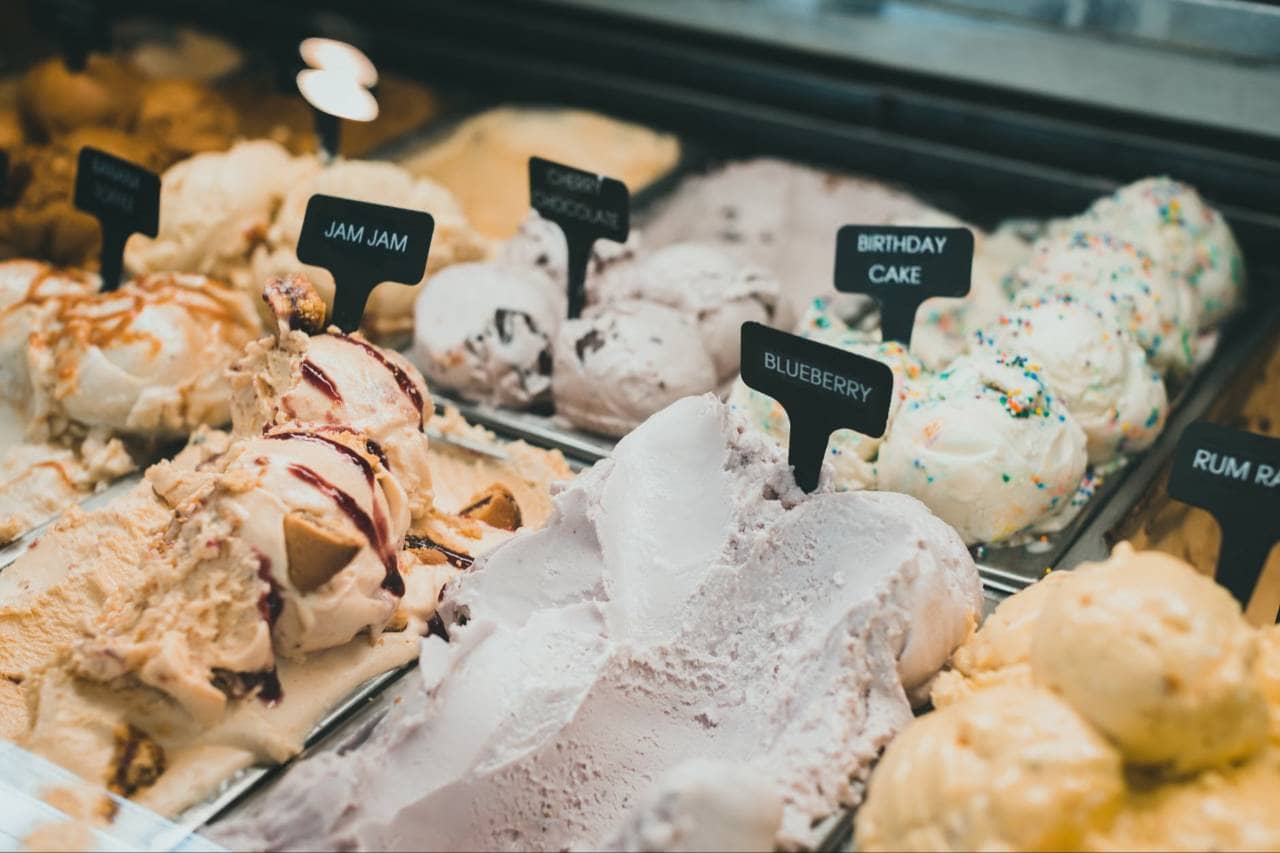
Learn the startup costs of opening an ice cream shop, including rent, equipment, renovations, permits, inventory, labor, marketing, and reserves.
Aug 28, 2026

A restaurant P&L statement reveals sales, expenses, and profits, helping owners manage costs, improve margins, and plan finances more effectively.
Aug 26, 2026

Unlock Exclusive Access To Webinars, Events, And The Latest News For Free!
Explore how Starbucks is enhancing its operational strategies, addressing employee concerns, and adapting to changing customer preferences.
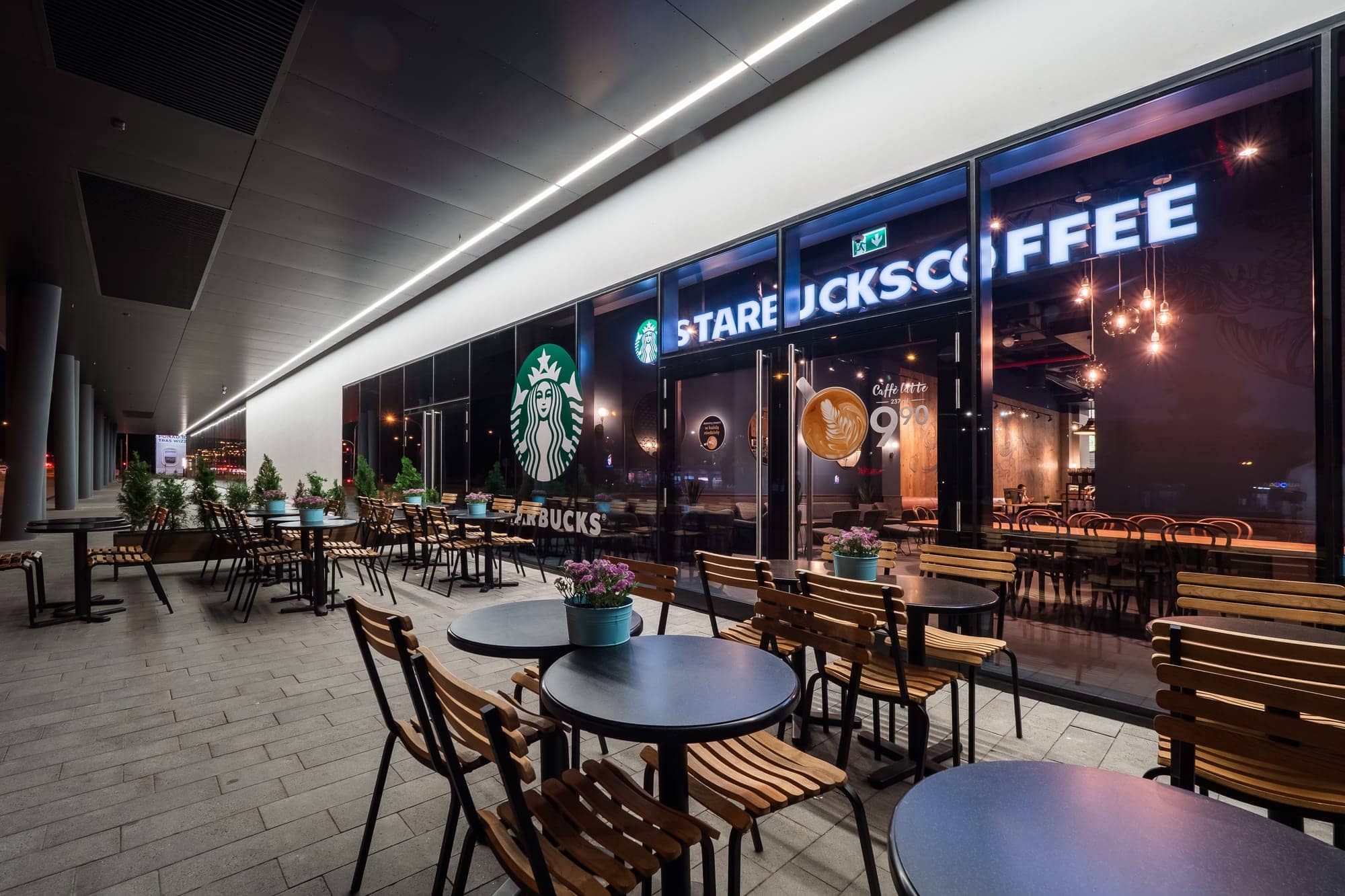
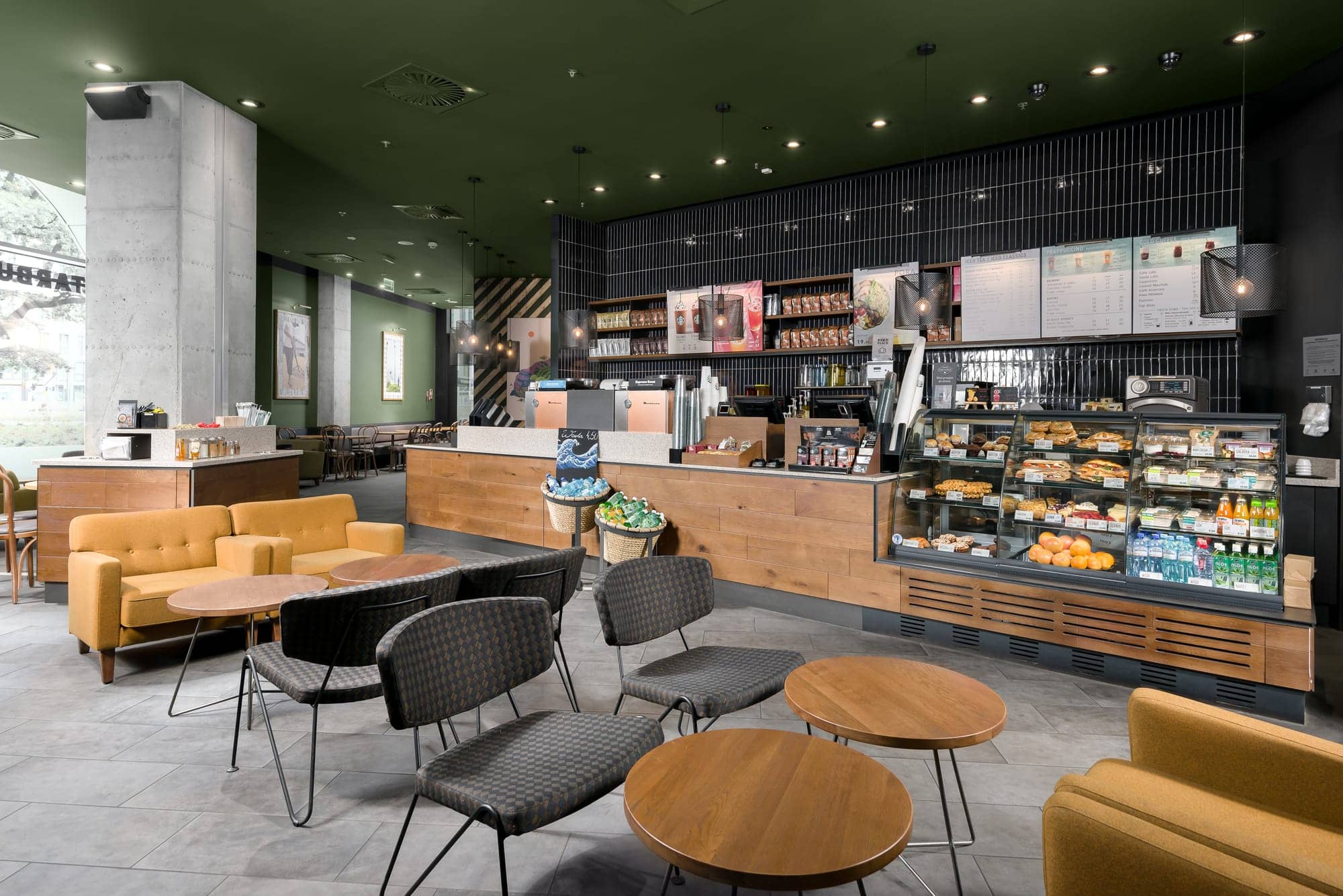
Starbucks, under the leadership of CEO Brian Niccol, is undergoing a significant operational transformation aimed at reviving its brand's coffeehouse image. With a focus on enhancing the in-store experience, Starbucks is introducing innovative changes to its coffeehouses. These enhancements include expanded seating options, power outlets, abundant food displays, and dedicated pickup shelves to streamline customer interactions.
Acknowledging the importance of its employees, Starbucks has implemented several initiatives to improve staff welfare. This includes doubling parental leave, increasing working hours at select cafes, and emphasizing internal promotions for managers. Despite these efforts, concerns have been raised regarding the disparity in compensation between top executives and frontline staff.
.jpg&w=3840&q=70)
The emergence of unionization efforts, exemplified by Starbucks Workers United, sheds light on the intersecting issues of worker representation and brand revival. Jasmine Leli's insights from a unionized store in Buffalo highlight operational challenges faced by employees. Staff concerns, such as understaffing during peak hours, underscore the need for a balanced approach to workforce management.
As Starbucks refines its menu offerings and operational procedures, challenges arise from evolving customer preferences and social media trends. The elimination of certain drinks to make room for new innovations like the Cortado has inadvertently led to complex order customizations, impacting operational efficiency and customer experience.
The disparity in compensation between executives and frontline workers at Starbucks has sparked conversations about fair labor practices. With CEO compensation exceeding thousands of times that of the median worker, there is a growing call for equitable wages and enhanced investment in the workforce to align with the company's values.

As Starbucks navigates its turnaround program and strives for sustainable growth, the harmonization of operational excellence with employee welfare remains pivotal. Bridging the gap between management decisions, workforce concerns, and customer expectations is crucial for Starbucks to maintain its position as a leader in the coffee industry.