Smoothie King Revamps Stores and Menu for Next Growth
Smoothie King launches store redesigns, broader menu, and franchise support to fuel 2026 growth amid GLP-1 trends and rising protein demand.
May 17, 2026
Smoothie King launches store redesigns, broader menu, and franchise support to fuel 2026 growth amid GLP-1 trends and rising protein demand.
May 17, 2026
Amid rising beef costs, burger chains use R&D, LTOs, and co-creation to drive growth while keeping core menus steady and guest loyalty nourished.
May 17, 2026
Inside 449 mystery shops: how mobile order-ahead reshapes QSR speed, satisfaction, and revenue—and where operations still stumble.
May 17, 2026
SB 22 lifts cash-out to $15, squeezing breakage and raising compliance stakes. What retailers must fix before April 1, 2026.
May 17, 2026
Starbucks trims 300 corporate roles, opens a Nashville hub, and doubles down on service and efficiency as sales improve. Inside the Back to Starbucks reset.
May 17, 2026
Interim CEO Mark King accelerates 'Jack on Track' with up to 200 closures, real estate sales, and a value-first menu amid sales declines.
May 17, 2026
QSR 50 invites U.S. quick-service brands to submit 2024 sales by May 15 for its August 2025 rankings, with data validated by Datassential.
May 17, 2026
Opening a coffee shop in 2026 requires careful cost planning across rent, equipment, labor, technology, menu strategy, marketing, and sustainability.
May 15, 2026
This AI playbook covers restaurant tools for voice ordering, staffing, compliance, menu pricing, inventory, marketing, ChatGPT prompts, and SEO.
May 15, 2026
Hardee’s giant Boddie-Noell inks 31-unit Scooter’s Coffee deal for NC and VA, leveraging drive-thru growth and local roots with rollout over 12–18 months.
May 15, 2026
Unlock Exclusive Access To Webinars, Events, And The Latest News For Free!
Interim CEO Mark King accelerates 'Jack on Track' with up to 200 closures, real estate sales, and a value-first menu amid sales declines.

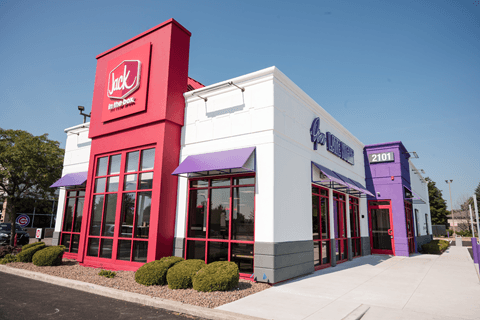
The call came quick. On May 8, 2026, Jack in the Box removed CEO Lance Tucker after just 14 months and elevated board chair Mark King to interim chief. King, who previously ran Taco Bell and most recently led Xponential Fitness, isn’t just keeping the seat warm. He’s moving fast and getting paid for the pressure: $125,000 per month plus $2.4 million in restricted stock units. The change hit right before Q1 earnings, where King promised positive comps and transaction growth even with headwinds swirling. Investors didn’t wait to judge, sending shares down 9.8% on the weak top line. The question is simple: what’s the plan and can it stick:
King is accelerating the company’s turnaround—branded “Jack on Track”—with more aggressive portfolio surgery. That means closing an additional 50 to 100 underperforming units during fiscal 2026 and monetizing owned real estate to stabilize the balance sheet. He reiterated those steps on the earnings call for the quarter ended April 12, aligning near-term actions with a clear target: get comps and guest counts headed north again. The market reaction shows the bar is high, but there’s a blueprint on the table and a leader known for decisive moves. For a brand that trades on late-night cravings and value energy, a tighter footprint could be a big win if the math lines up.
This wasn’t a vibes problem—it was math. Same-store sales fell 3.8% in Q1 while restaurant-level margins shrank to 16.4% as commodities and labor costs kept grinding higher. In the backdrop, “food away from home” costs climbed roughly 6% from January 2024 to September 2025, pushing diners to make sharper trade-offs. And it’s not just Jack in the Box feeling the squeeze. Industry trackers expect 10% to 15% of U.S. restaurants could shutter in 2026 as chains recalibrate. The board’s read: a turnaround leader willing to prune hard and refocus the portfolio was the move.
That urgency explains King’s mandate. If costs stay sticky and traffic keeps splintering by income group, underperforming boxes drag the whole system. Shuttering weak links, tightening capital, and sharpening value are not optional right now. Investors are split—some see a reset worth backing, others see risk without a quick payoff—but the operating story is clear. Better unit economics first, growth later. It’s a back-to-basics play that can work if consistency shows up in the weekly numbers.
King’s framework hits the operational pressure points head-on. The four pillars: stabilize the balance sheet, accelerate closures, sell real estate, and reinvest where returns outpace risk. He’s signaled that up to 200 restaurants could ultimately close—nearly all via franchisee agreements—with corporate now working landlords for early exits. In California, where a $20 minimum wage has already sped rationalization, those conversations matter even more. Portfolio simplification is not theoretical either; the company exited Del Taco in late 2025 for $115 million. Here’s how the rest of the plan stacks up:
- Stabilize the balance sheet: Use asset sales to reduce pressure, with $14.7 million realized so far and another $35–$45 million expected by year end.
- Accelerate closures: Remove 50–100 more low performers in fiscal 2026, on a path to as many as 200 overall.
- Monetize real estate: Convert owned property into cash, then redeploy into higher-return bets.
- Reinvest in winners: Push capital toward units and initiatives with cleaner paybacks. Leadership alignment helps: King doubles as chair and interim CEO, while Alan Smolinisky serves as lead independent director to keep governance tight.
The throughline is discipline. Slim the drag, fuel the core, then let the numbers do the talking.
Franchisees aren’t slamming doors, but they’re cautious. King says interest in closures is rising as corporate leans in on negotiations. The biggest blocker is mundane but mighty: leases. “We believe that’s the biggest hurdle that’s keeping franchisees from closing more underperforming restaurants,” King noted, pointing to corporate-led talks with landlords. Inside the system, COO Shannon McKinney has convened a joint committee of franchise and corporate leaders to fine-tune profitability levers—exactly the kind of cross-table work that turns a plan into a P&L reality. Now comes the tricky bit: value without bleeding margin.
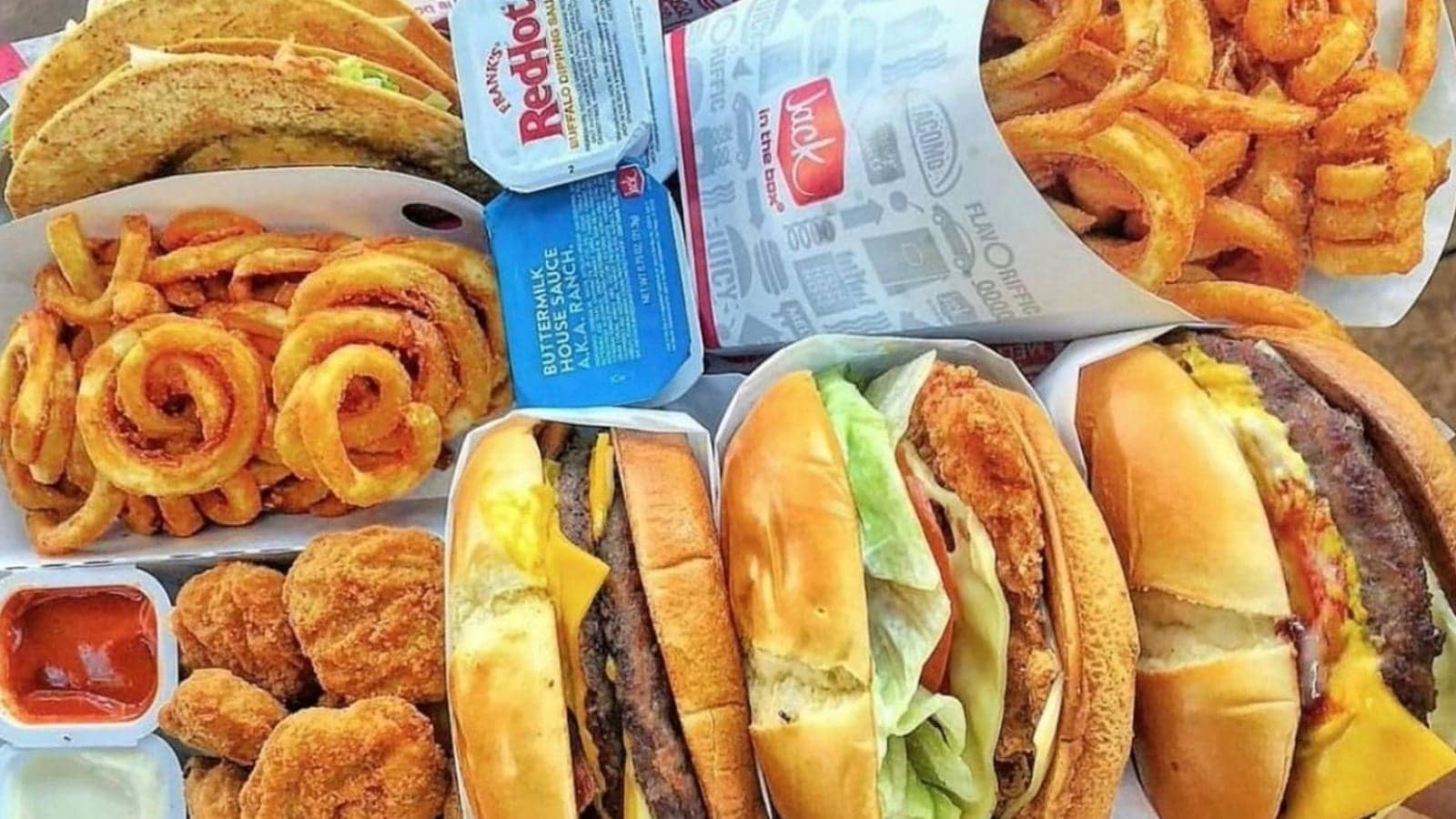
King argues the brand’s barbell approach can pull it off. Pair tight $5 value offers with craveable premium plays—think Smashed Jack sliders and loaded wings—to spark incremental transactions. The tactic fits a cost-conscious moment, but it needs guardrails. Andrew Charles of TD Cowen called out industrywide “irrational tactics to promote value”, a reminder that math beats noise. The sweet spot is simple: compelling entry points that don’t undercut high-margin trade-ups. Nail that balance and you keep momentum without torching the check.

For the quarter ended April 12, Jack in the Box posted adjusted EPS of $0.76, a hair above consensus. Revenue landed at $254.3 million, down 4.3% year over year, with company-wide comps off 3.8%. Management credited operational efficiency and the barbell menu for near-flat early-quarter trends—steady, not flashy. Then came the market punch: shares slid to $11.36 in morning trade, almost a 10% drop after the report. That’s the Street saying, show me sustained traffic and cleaner top-line growth before we re-rate the story:
UBS cut its price target to $14, while Bank of America trimmed to $23. On the flip side, TipRanks still shows a consensus Buy with an average target of $17, a snapshot of mixed conviction. Zoom out and the broader picture helps: recent closures across big brands look more like a market correction than a meltdown, with full-service restaurants taking the heavier hit. With labor high and supply chains jumpy, operators are prioritizing unit economics and free cash flow over raw expansion. In that world, a tighter, higher-return Jack in the Box tracks with the times.
Momentum is building, but a few variables still loom. There’s no set timeline to name a permanent CEO, and the final closure tally depends on the economy and how quickly landlords come to terms. Changing import tariffs on food and construction materials are under review and could reshuffle cost lines through 2026. Early same-store improvements won’t mean much if consumer spending cools or if promo heat fades. And turning real estate into cash brings relief today but could constrain future flexibility if market rents climb. So what should operators, investors, and fans watch next:
- Permanent CEO search: Clarity on timing and profile to lock the strategy.
- Lease exits: The pace of landlord deals will set the closure curve.
- Tariff impact: How imported inputs shape food and build costs.
- Sales durability: Whether comps and transactions hold without heavy discounting.
- Real estate trade-offs: Debt relief now vs. rent exposure later.
Execution still wins the day. Success hinges on balancing closures with reinvestment, sharpening the menu and pricing under CMO Katelyn Zborowski, and pushing high-ROI refreshes with franchisees. If King can echo the post-2019 spark he helped unleash at Taco Bell, confidence follows—and this leaner footprint starts to look worth the trip.