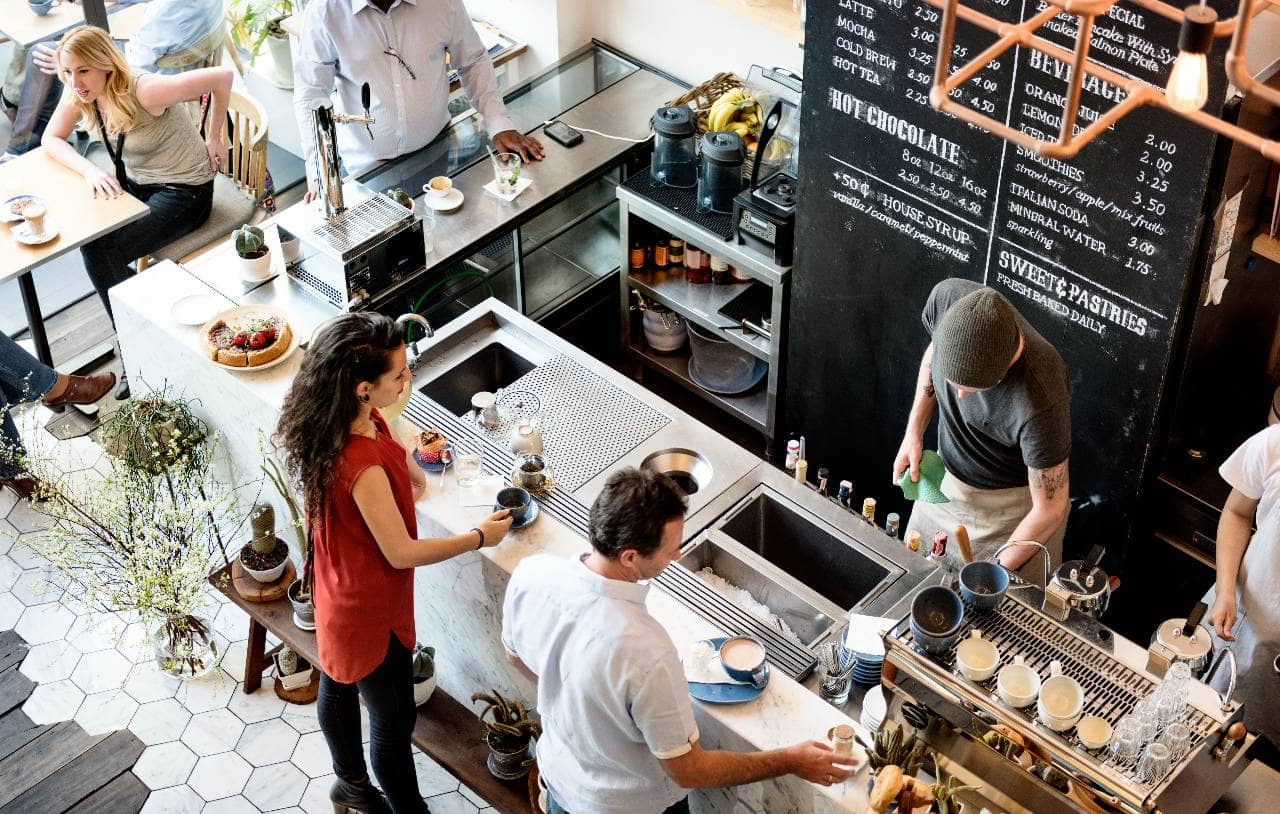
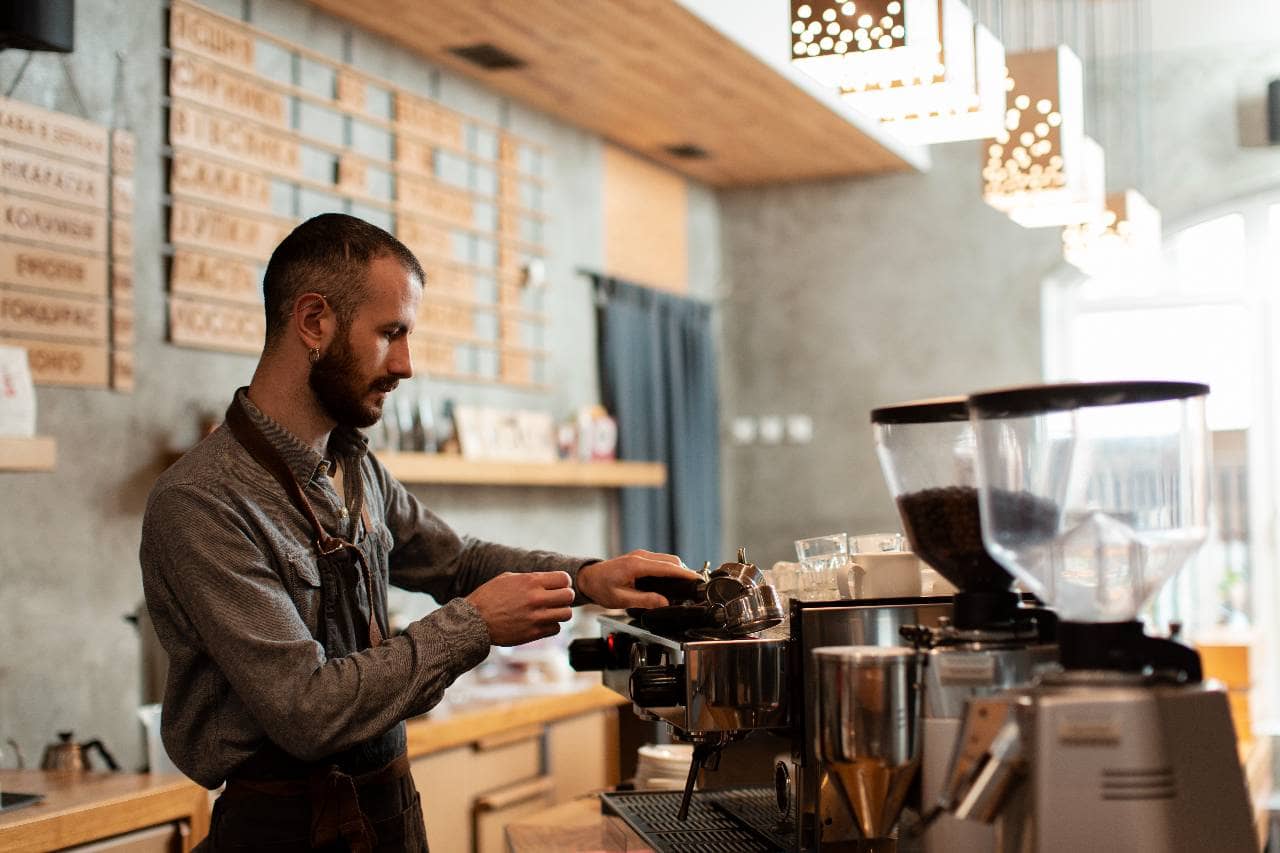
A coffee shop menu in 2026 needs to do more than list drinks. It should help drive revenue, increase average order value, support repeat visits, and separate the brand from competitors. Customers still want classic coffee options, but many also expect cold drinks, wellness-focused beverages, alternative milks, global flavors, and food items that fit different parts of the day.
1. Build the Menu Around Average Order Value
Average order value, or AOV, is one of the most important financial metrics for a coffee shop. If the average customer spends $6, the shop needs a high number of daily transactions to cover labor, rent, and equipment costs. If the average ticket increases to $9 or $10 through add-ons, food pairings, specialty drinks, and premium ingredients, the business can reach revenue goals with fewer transactions. Owners should design the menu to encourage profitable combinations, such as coffee with pastries, protein drinks with breakfast items, or cold brew with grab-and-go food.
2. Add Functional Beverages Carefully
Functional drinks are growing because customers are treating coffee as part of a wellness routine. Ingredients such as Lion's Mane, Reishi, adaptogens, protein, collagen, and other functional add-ins can create premium menu opportunities. However, owners should track ingredient costs closely. These items may support higher pricing, but they can also increase waste if demand is inconsistent. Start with a small number of functional drinks, monitor sales, and expand only when the data supports it.
3. Make Cold Drinks a Core Revenue Category
Cold beverages should not be treated as a seasonal menu section. Iced lattes, cold brew, nitro coffee, refreshers, matcha, protein coffee, and flavored cold drinks can drive a large share of sales. Owners should track cold drink sales by daypart, weather, and season to understand demand patterns. If cold beverages are a major revenue driver, the shop must also have enough ice, refrigeration, cups, lids, and prep capacity to support peak demand.
4. Use Global Flavors to Differentiate
Traditional vanilla, caramel, and mocha are still familiar, but many customers are looking for more interesting flavor profiles. Options like miso-caramel, salted pistachio, ube, cardamom, sesame, lavender, honey, and seasonal spice blends can help a coffee shop stand out. These flavors should be priced and tested carefully. A specialty flavor may attract attention, but it should also move enough volume to justify ingredient cost and prep time.
5. Treat Alternative Milks as Standard, Not Special
Oat milk, almond milk, and pea-protein milk are now expected by many customers. Instead of treating alternative milks as unusual add-ons, owners should decide how they fit into pricing and margin strategy. Some shops may still charge extra, while others may price alternative milk the same as dairy to increase order volume and simplify the customer experience. The right decision depends on ingredient cost, customer expectations, and local competition.
6. Use Food to Increase Ticket Size
A coffee-only model can work, but food can help raise AOV and create more sales opportunities throughout the day. Pastries, breakfast sandwiches, protein boxes, brunch items, salads, and light lunch options can increase customer spend and reduce dependence on morning drink traffic. A full culinary menu requires more labor, equipment, refrigeration, and food safety controls, so owners should compare the added revenue against the added complexity.
7. Track Menu Profitability, Not Just Popularity
A best-selling drink is not always the most profitable item. Owners should review ingredient cost, prep time, waste, price, and margin for each menu item. A drink with strong sales but expensive ingredients may produce less profit than a simpler item with lower cost and faster execution. Menu decisions should be based on contribution margin, order volume, and operational impact.
A strong 2026 coffee menu should support speed, margin, repeat visits, and higher average order value without becoming too complicated for the team to deliver consistently.