Jim Beam Halts Production: What Restaurant Operators Need to Know
Jim Beam pauses 2026 production at Clermont facility. Explore impacts on bourbon supply, whiskey exports, and restaurant beverage strategies.

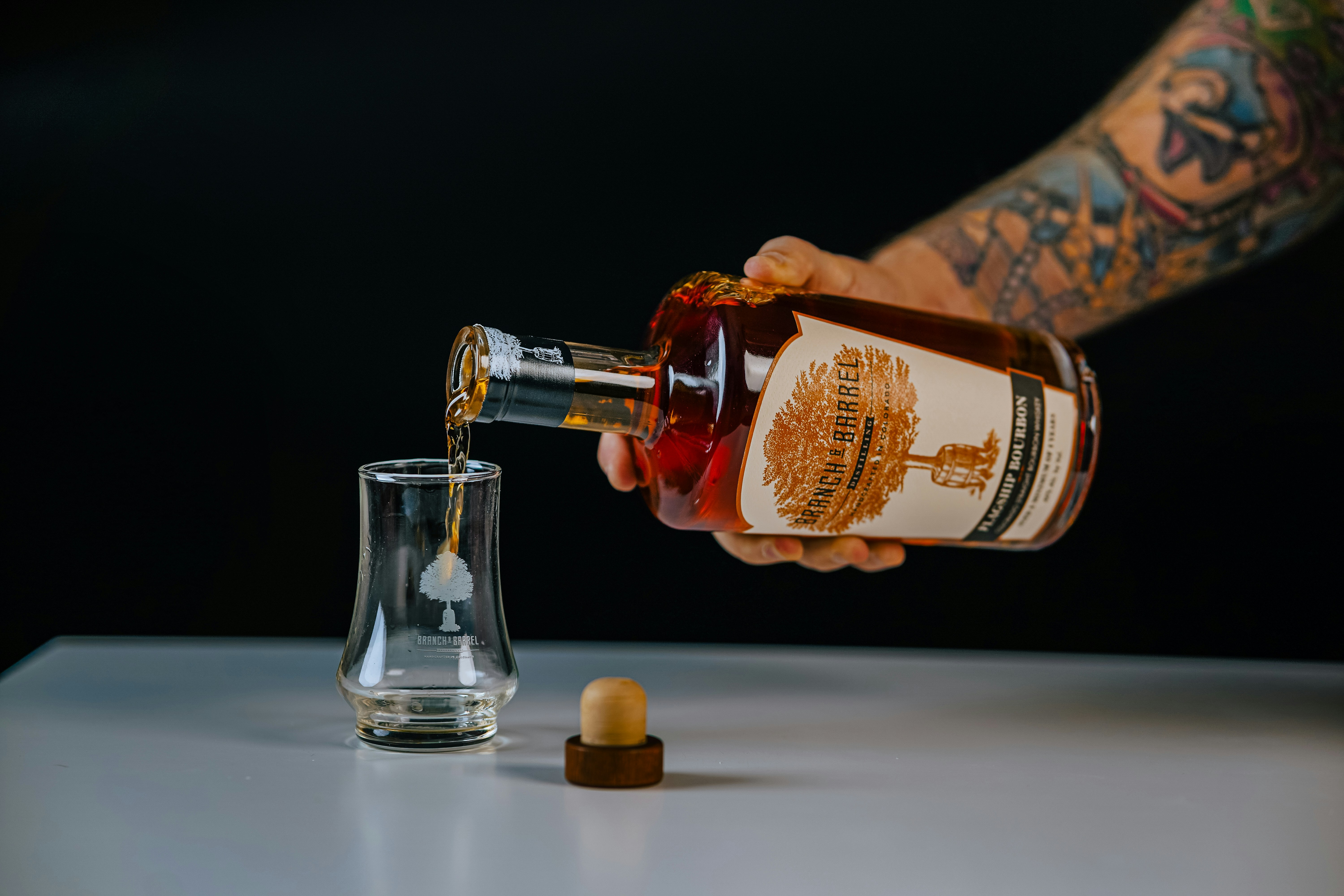
Photo by Jay Piper on Unsplash
The Story Behind Jim Beam Halts Production
Let's set the scene: The world-famous Kentucky bourbon brand recently announced that jim beam halts production at its main distillery on the James B. Beam campus in Clermont starting January 1, 2026, and continuing through the end of the year. This isn't a closure—it's a strategic pause. According to Fox Business, the company is shifting production to its larger Booker Noe distillery in Boston, Kentucky, while taking the opportunity to invest in site enhancements at the Clermont facility. This move signals something bigger happening in the bourbon world. Jim Beam, the largest whiskey producer in the country, doesn't make decisions like this lightly. As the company stated in its official statement, they're "always assessing production levels to best meet consumer demand." Translation? The industry is navigating shifting consumer trends and market dynamics that demand strategic repositioning.
What The Jim Beam Bourbon Distillery Pause Actually Entails
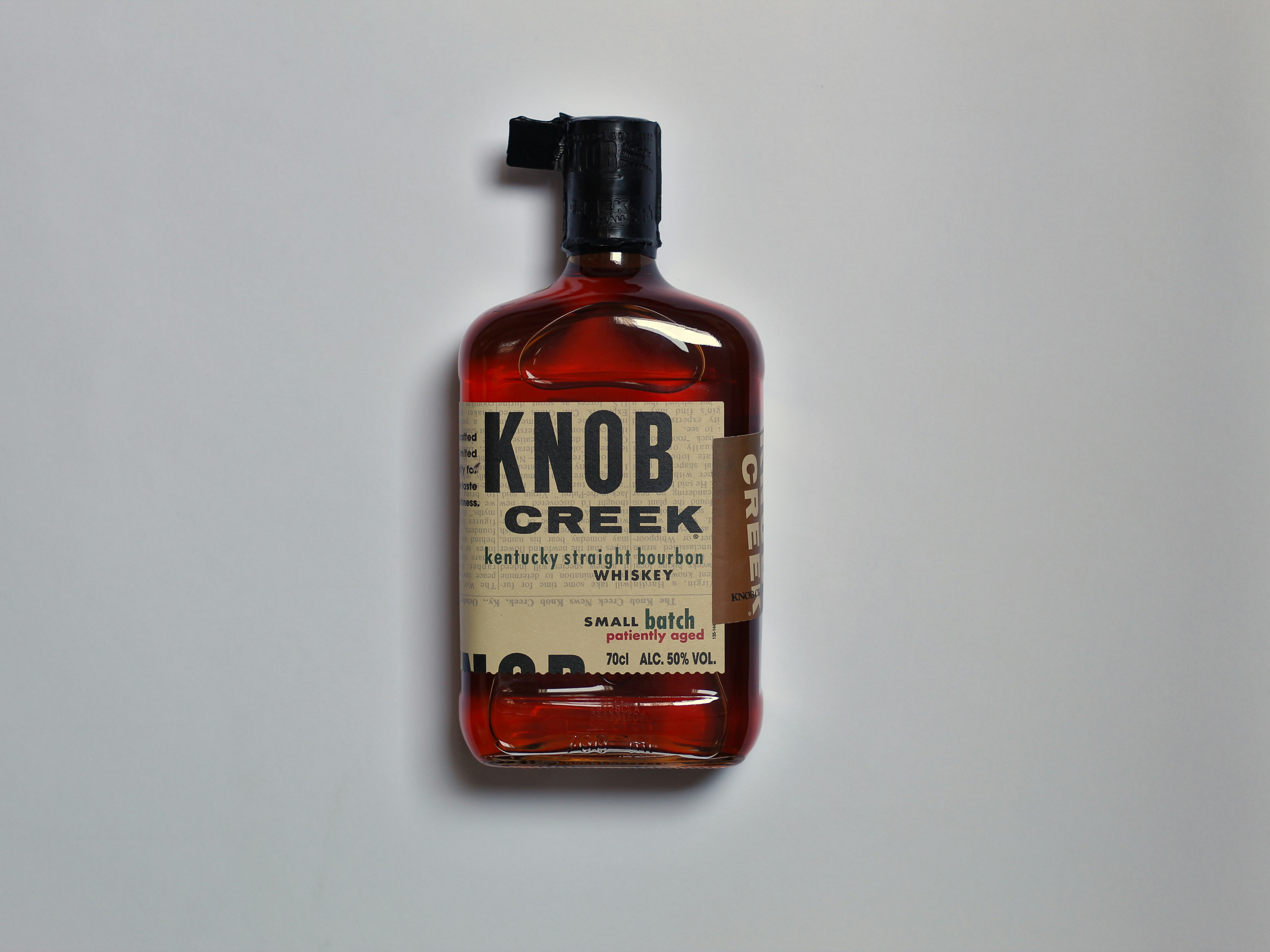
Here's where it gets interesting for operators managing bourbon selections and whiskey programs. While jim beam halts production at the Clermont main facility, the company isn't shutting everything down. According to WLKY, the James B. Beam visitor center and The Kitchen Table restaurant at the Clermont location will remain open to visitors. Moreover, bottling and warehousing operations will continue at the Clermont facility, meaning aged bourbon won't suddenly disappear from shelves. The company will still distill at its FBN craft distillery in Clermont and at its larger Booker Noe distillery in Boston. For context, the Clermont facility also produces other premium bourbon brands under the Jim Beam umbrella, including Knob Creek, Baker's, Booker's, and Basil Hayden's—all part of Suntory Global Spirits' portfolio. This nuanced approach matters. Jim Beam isn't vanishing; production is being redistributed. Think of it like a restaurant temporarily shifting kitchen operations to a secondary location while renovating the flagship kitchen—essential service continues, but with strategic optimization.
The Bigger Picture: Bourbon Industry Headwinds
To understand why Jim Beam halts production matters, you need to zoom out. Kentucky's $9 billion bourbon industry is grappling with a massive supply challenge and a significant slump in demand. According to reporting from the Lexington Herald Leader, whiskey production had dropped to its lowest level in years, citing data from the Treasury Department. The American Whiskey Association has also flagged serious concerns. As reported on Fox Business, tariffs and shifting consumer trends are impacting U.S. whiskey exports globally. This isn't just about Jim Beam—it's about an entire sector recalibrating. For restaurant operators, this context is crucial. The bourbon industry isn't growing at the explosive pace it once was. Younger consumers are exploring different spirits and cocktail categories. High inventory levels are pressuring margins. These aren't isolated issues; they're interconnected challenges that make strategic production adjustments like jim beam halts production a rational response.
Restaurant Strategy Implications for 2025 and Beyond
Now let's talk about what this means for your operation. When a major bourbon producer pauses production at its flagship facility, even temporarily, it's a signal worth heeding. Here are the real strategic implications: **Supply Chain Planning**: While Jim Beam's bottling and warehousing continue, you should assess your bourbon inventory. Are you overexposed to any single bourbon brand? This is the moment to diversify your bourbon program and strengthen relationships with distributors. Having backup options protects you from supply fluctuations. **Pricing Pressure**: Industry headwinds often lead to aggressive pricing strategies. Some distributors may offer incentives to move inventory. Operators savvy enough to negotiate now—before shortages fully hit—can lock in better margins. Conversely, if your current program relies heavily on premium jim beam halts production-era inventory, now's the time to strategize. **Menu Innovation**: The bourbon industry's challenges underscore a larger truth: consumer preferences are shifting. Rather than doubling down on bourbon-heavy programs, forward-thinking restaurants are exploring craft whiskeys, emerging spirit categories, and bourbon alternatives. This doesn't mean abandoning bourbon—it means balancing it with fresh options that capture younger demographics. **Visitor Experience**: Jim Beam's commitment to keeping its visitor center open is a reminder that experience-driven hospitality matters. If you operate a restaurant with a bourbon-focused bar program or concept, consider how you're creating memorable experiences around your spirits offerings. Storytelling, education, and curated tastings create loyalty even when supply tightens.
Looking Ahead: Navigating Uncertainty with Confidence
Jim Beam halts production sends a clear message: the bourbon industry is in transition. But transition isn't catastrophe—it's opportunity for operators willing to adapt. Suntory Global Spirits framed the Clermont pause as a chance to "invest in site enhancements" and meet customer demands more effectively. That's the mindset worth adopting in your restaurant. Use this period to strengthen supplier relationships, audit your bourbon and whiskey selections, explore emerging brands, and experiment with cocktails that don't default to the same old bourbon-forward recipes. The Kentucky bourbon industry remains a $9 billion powerhouse. Jim Beam will return to full production capacity after 2026. But the landscape it returns to will be different—shaped by tariff pressures, export challenges, and evolving consumer preferences. Restaurants that prepare now rather than scramble later will have the recipe for success.
The Bottom Line
Jim Beam halts production at its main distillery for 2026—but this story isn't about shortage or closure. It's about a major player in the bourbon industry making calculated moves to navigate real market headwinds. For restaurant owners and operators, that's valuable intelligence. Use it. Review your bourbon program. Strengthen distributor relationships. Explore adjacent spirits categories. Invest in staff training around whiskey and spirits education. And remember: the restaurants thriving in uncertain times are those that act with intention rather than react to crisis. The bourbon industry will evolve. Will your restaurant's beverage strategy evolve with it? That decision is yours to make—and now is the time to start.