
The Ultimate Guide to Restaurant Labor Management
Restaurant labor management helps owners optimize staffing, control labor costs, improve productivity, monitor overtime, and maintain efficient restaurant operations.
Back Office
Sep 2, 2026
Restaurant labor management helps owners optimize staffing, control labor costs, improve productivity, monitor overtime, and maintain efficient restaurant operations.
Sep 2, 2026
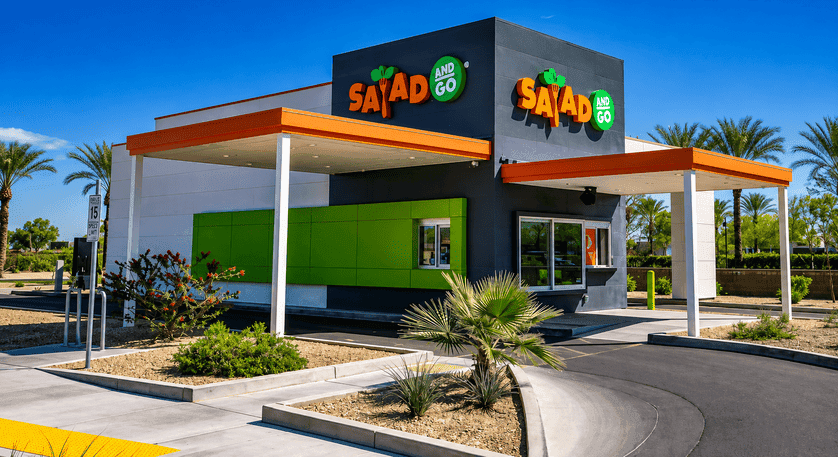
7 Brew has acquired 73 former Salad and Go locations, surpassing Dutch Bros with a $143M bid, signaling a major shift in the competitive landscape for drive-thru brands.
Sep 2, 2026
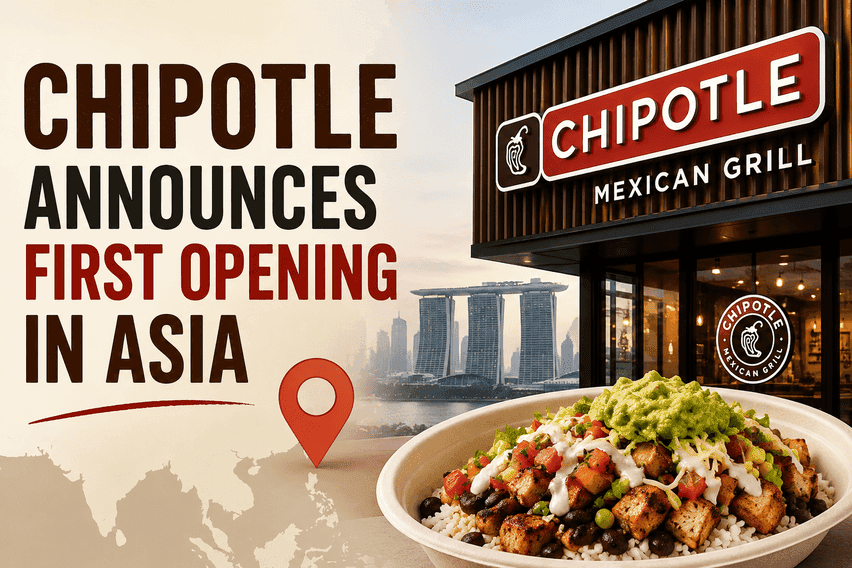
Chipotle makes its highly anticipated entry into Asia with a Seoul opening, partnering with Sangmidang Holdings and setting a template for future international growth.
Sep 2, 2026
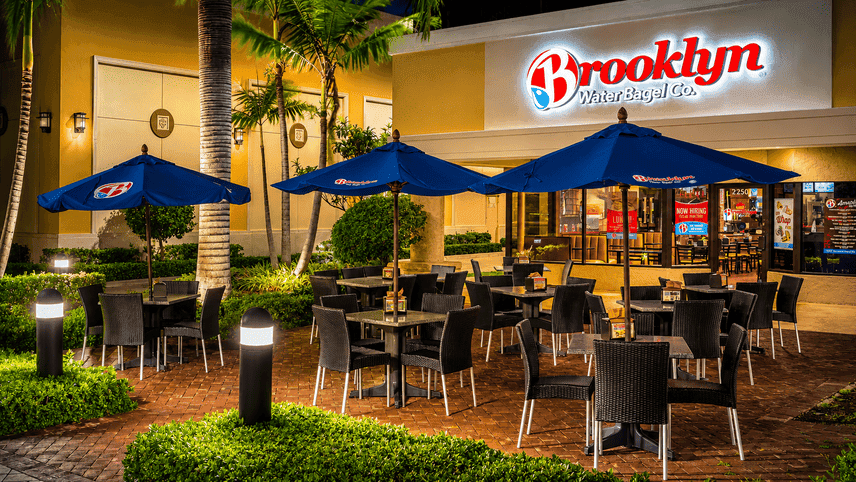
Brooklyn Water Bagel launches its first campus eatery at Nova Southeastern, signaling strategic growth and fresh potential for multi-unit operators seeking new market wins.
Sep 2, 2026
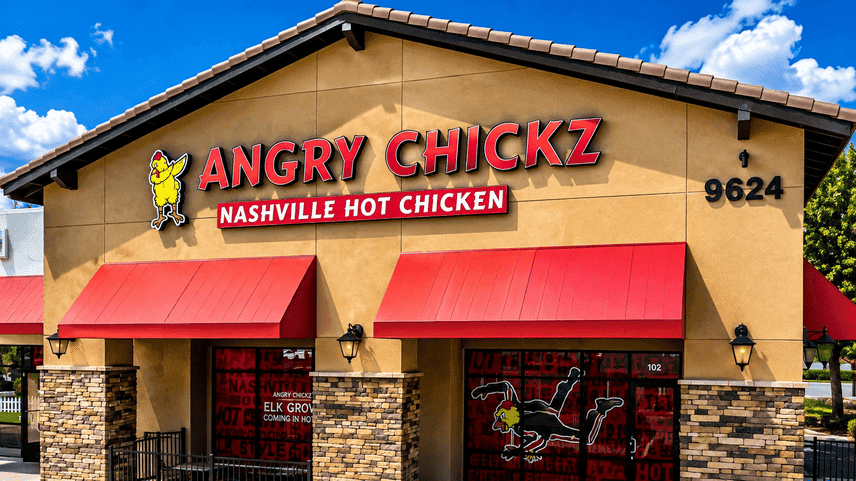
Angry Chickz enters Illinois with its signature hot chicken concept and ambitious plans for Midwest expansion, setting the stage for new franchise opportunities and community engagement.
Sep 2, 2026
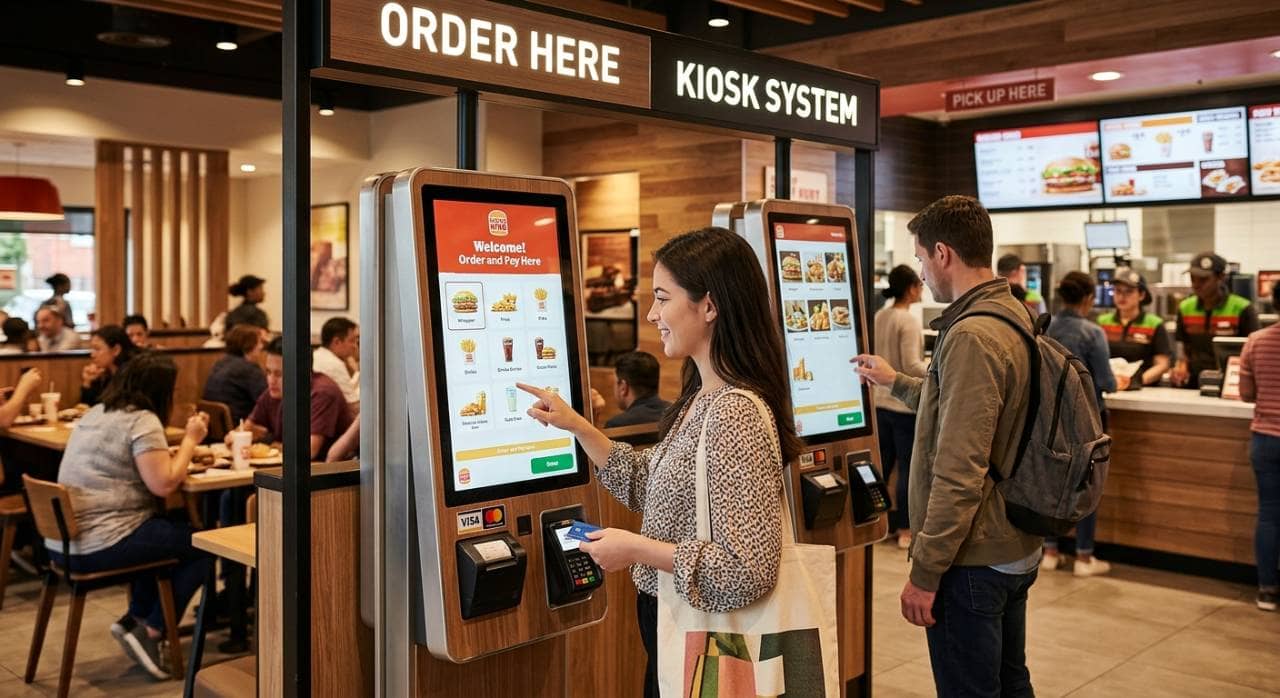
Understand how to evaluate a Kiosk system using key criteria including features, POS integration, hardware, pricing, customer experience, and support.
Aug 31, 2026

Explore restaurant technology trends in 2026, including AI, automation, digital ordering, workforce tools, connected kitchens, personalization, and profitability strategies today.
Aug 28, 2026
Learn how to calculate restaurant cost of goods using inventory, purchases, COGS percentage, variance reviews, and regular tracking for profitability.
Aug 31, 2026

Learn the startup costs of opening an ice cream shop, including rent, equipment, renovations, permits, inventory, labor, marketing, and reserves.
Aug 28, 2026

A restaurant P&L statement reveals sales, expenses, and profits, helping owners manage costs, improve margins, and plan finances more effectively.
Aug 26, 2026

Unlock Exclusive Access To Webinars, Events, And The Latest News For Free!
Explore how Domino's leverages third-party delivery services to boost sales growth and optimize profits. Learn about the impact of aggregator platforms on the QSR industry.
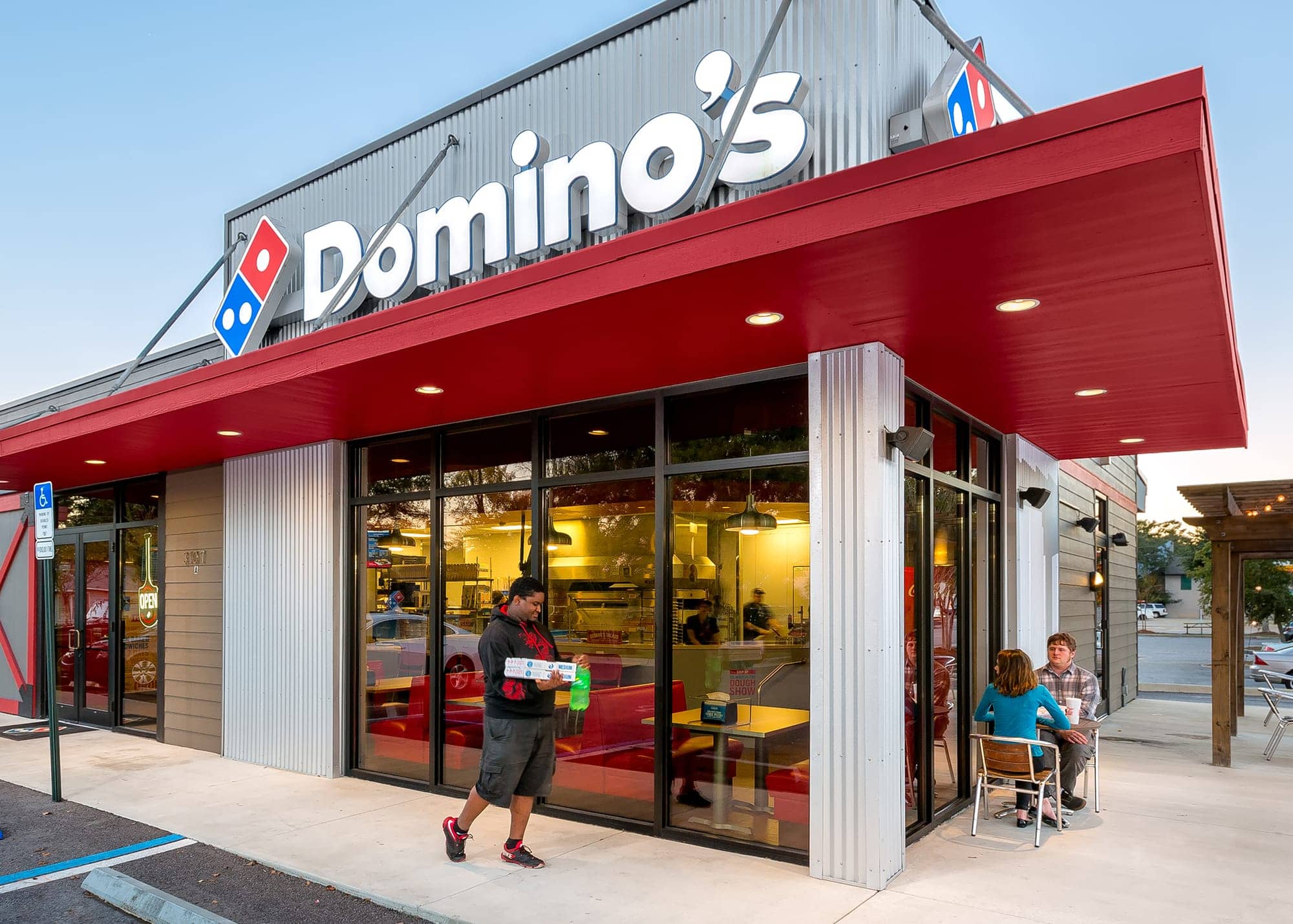
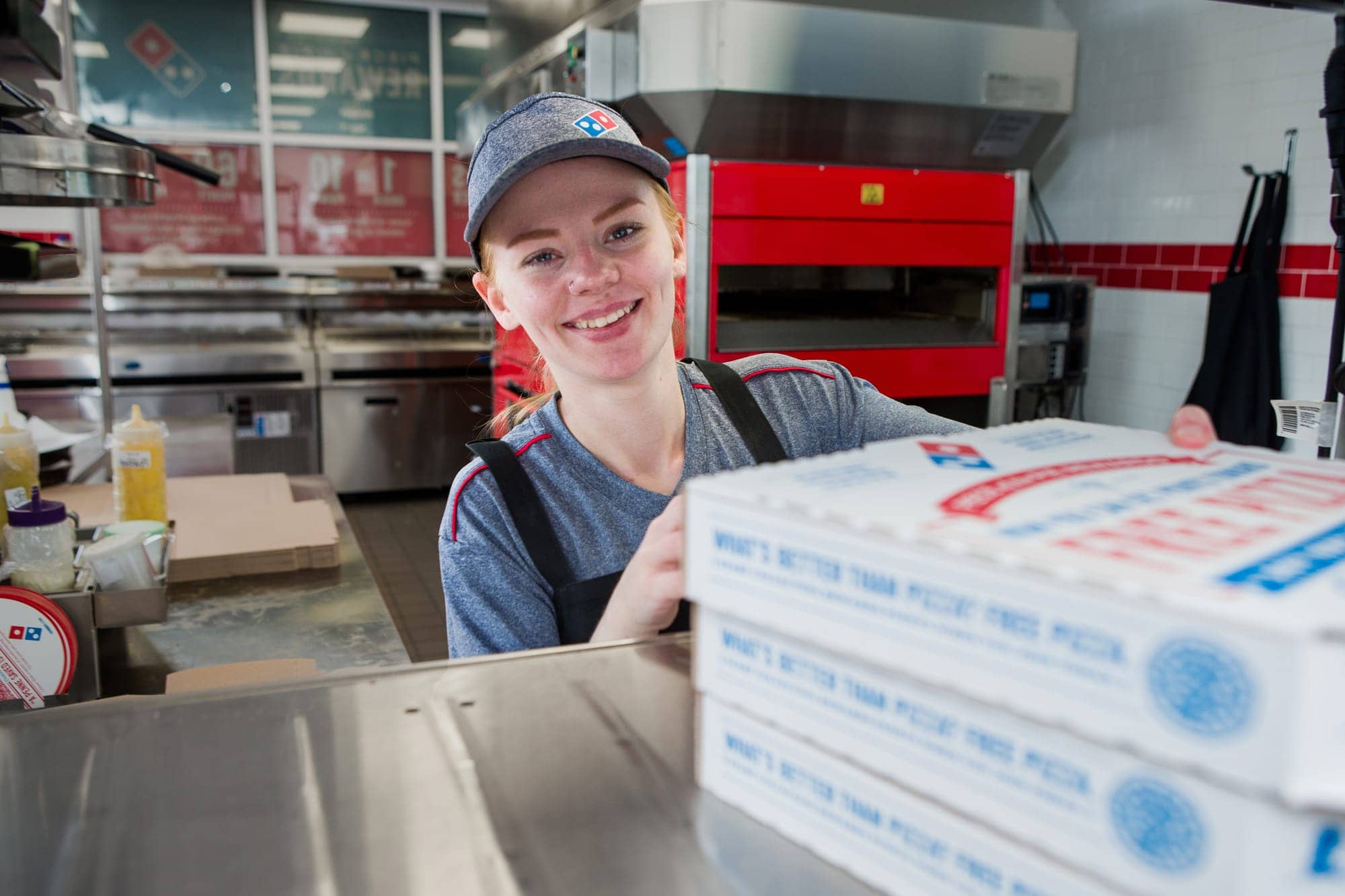
Domino's, a major player in the pizza delivery industry, has been strategically utilizing third-party delivery services to revitalize its delivery sales, which have seen lower growth compared to its carryout segment in recent quarters. By partnering with companies like Uber Eats and expanding into aggregator platforms, Domino's aims to tap into new customer segments and boost overall sales performance.
In 2024, Domino's reported that delivery transactions accounted for 46% of its sales, with carryout making up the remaining 54%. While carryout experienced a substantial full-year sales growth of 6.2%, delivery sales only saw a modest 1.1% increase. This disparity highlights the opportunity for Domino's to focus on leveraging third-party delivery channels to drive more significant growth in this segment.
Despite the inherent costs associated with third-party delivery, Domino's has positioned itself as a competitive player in the market, offering relative value to customers. By matching or even undercutting prices and fees compared to other delivery services, Domino's enhances its appeal to price-conscious consumers. This strategic pricing approach helps Domino's maintain a strong market position and attract a broader customer base.
Domino's foray into aggregator platforms signals a shift towards capturing a larger share of the online delivery market. By joining platforms like Uber Eats and potentially DoorDash in the future, Domino's is strategically positioning itself to reach more customers and drive incremental sales growth. This move not only expands Domino's reach but also allows the brand to explore new avenues for revenue generation.
Domino's strategic approach to third-party delivery extends beyond just boosting sales numbers. The company focuses on ensuring that the incremental sales from these partnerships are accretive to the profitability of its franchisees. By tailoring offers and programs to maximize incrementality, Domino's aims to create sustainable growth opportunities for its franchise network and enhance overall operational efficiency.
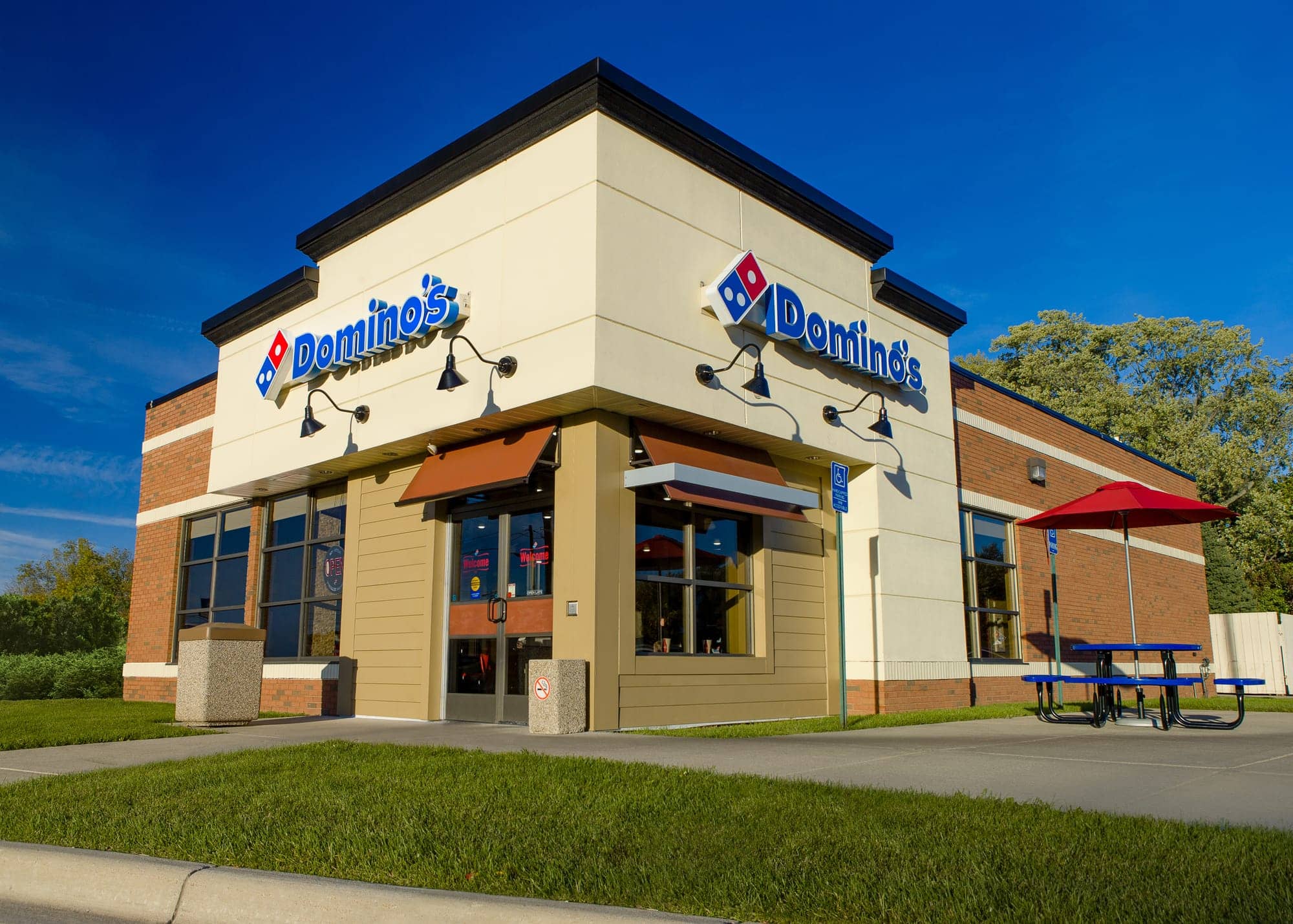
As Domino's continues to navigate the evolving landscape of third-party delivery and aggregator platforms, the company anticipates more significant sales impacts in the coming years. With plans to join major aggregator platforms and streamline integration processes, Domino's is poised for continued growth and market expansion. By staying at the forefront of industry trends and consumer preferences, Domino's aims to solidify its position as a leader in the QSR pizza segment.