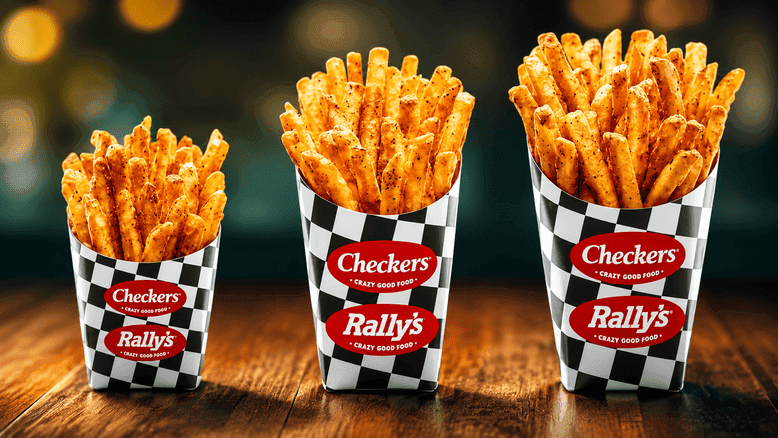
New CDO to Drive Checkers & Rally’s Growth
Checkers & Rally’s welcomes Peter Busse as Chief Development Officer, signaling a new era of strategic expansion and franchise support for the quick-service brand.
News
Aug 4, 2026
Checkers & Rally’s welcomes Peter Busse as Chief Development Officer, signaling a new era of strategic expansion and franchise support for the quick-service brand.
Aug 4, 2026

Explore restaurant payment processing and learn how payments are authorized, settled, secured, reconciled, refunded, disputed, and deposited into business accounts.
Aug 3, 2026
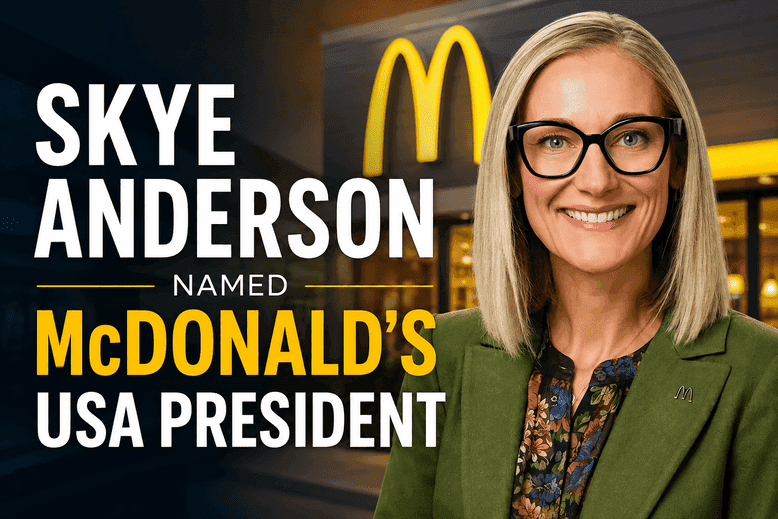
Skye Anderson will lead McDonald's USA as its new president, stepping in to accelerate growth and revive sales. Learn how her leadership could shape the future of the restaurant industry.
Aug 4, 2026
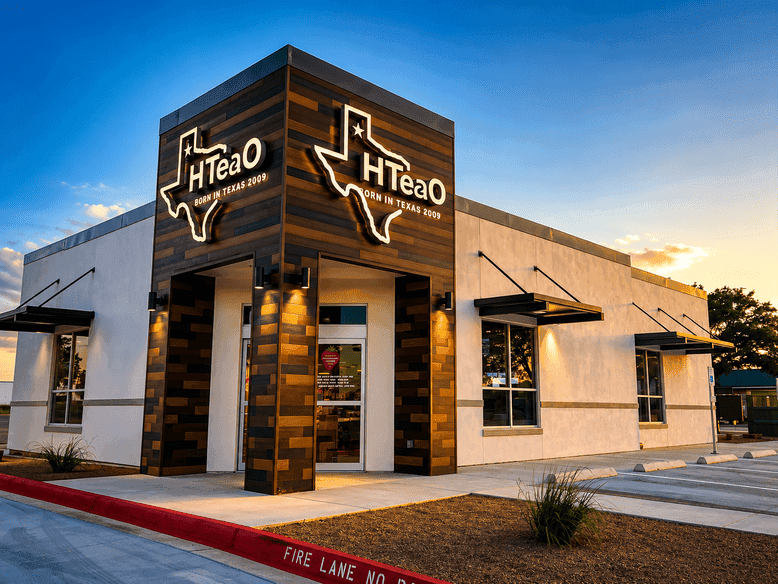
Fast-growing chain HTeaO names franchise veteran Brian Wise as CEO, fueling the brand’s ambitious growth plans and franchisee-first strategy.
Aug 4, 2026
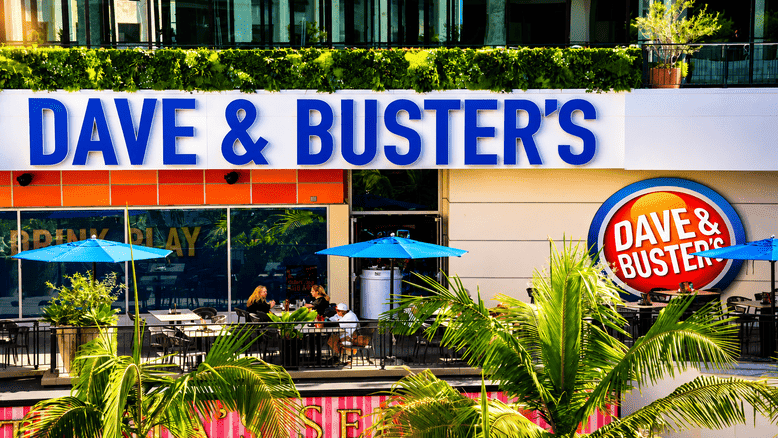
Dave & Buster’s announces Tarun Lal’s retirement as CEO, welcoming Darin Harper to the helm as the brand continues its Back-to-Basics strategy and growth initiatives.
Aug 4, 2026

Restaurant owners can use this guide to evaluate employee benefits, estimate expenses, define eligibility, manage enrollment, and strengthen staff retention.
Aug 3, 2026
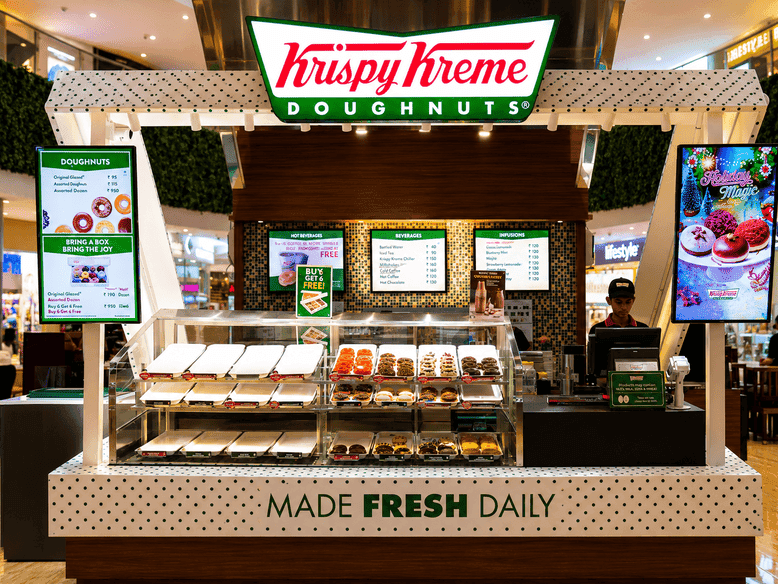
Krispy Kreme announces two key internal promotions, naming Suk Nicholas as Chief Commercial Officer and Lori Suess as Chief People Officer. These appointments signal a continued commitment to innovative growth and people-first strategy.
Aug 3, 2026
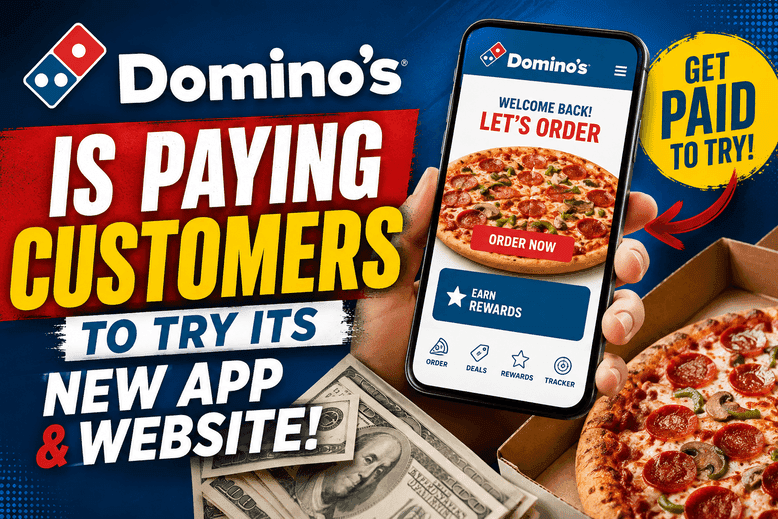
Domino's launches a bold campaign offering $5 off digital orders in exchange for customer feedback on its revamped app and website - signaling a new era of guest engagement for restaurant operators.
Aug 3, 2026
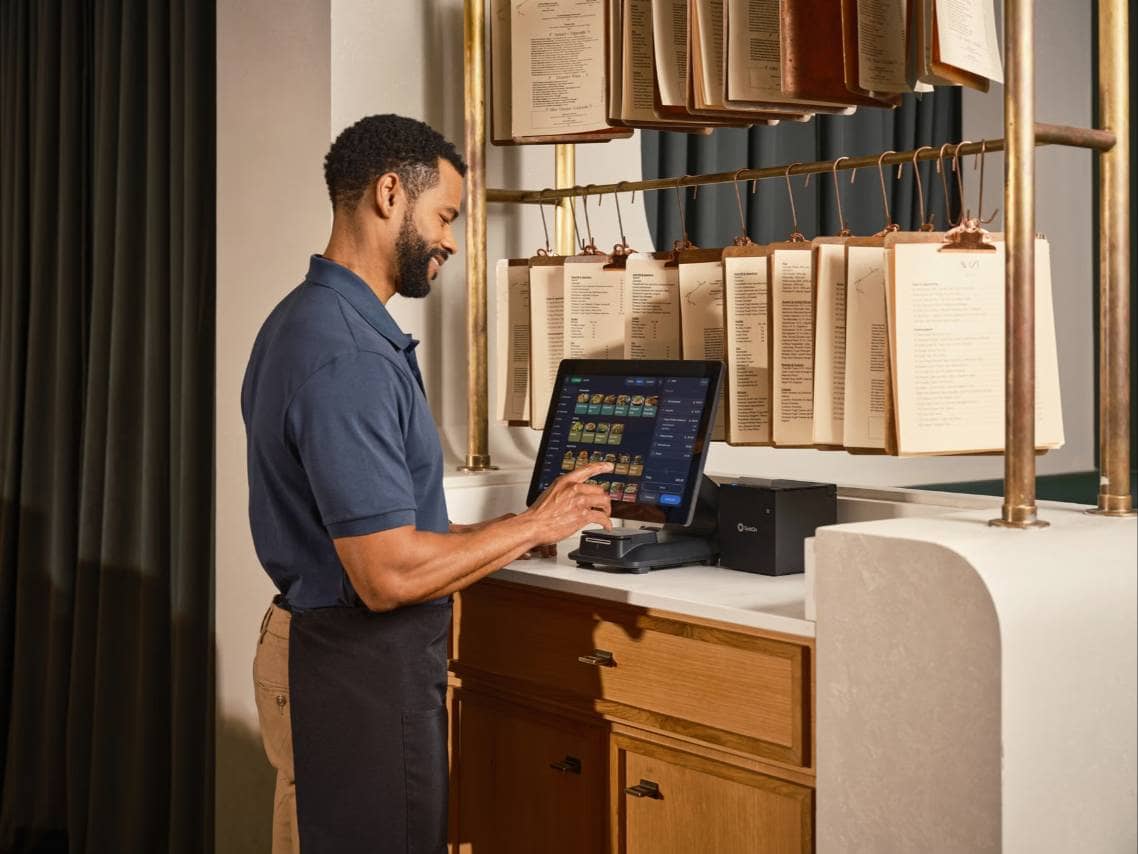
Discover ten essential technology tools that help restaurant owners streamline operations, control costs, improve accuracy, and support better daily decisions.
Jul 31, 2026

This guide explains restaurant accounting, covering revenue, expenses, payroll, inventory, taxes, financial statements, cash flow, and strategies for improving profitability.
Jul 31, 2026
Explore the aftermath of McDonald's E. coli outbreak, lawsuits filed, and the implications for food safety standards.
McDonald's recent E. coli outbreak has sent shockwaves through the fast-food industry. The contamination, linked to Quarter Pounders, has led to severe consequences for consumers across different states. At least 75 people fell ill, and tragically, it has resulted in one reported death. The outbreak has not only affected individuals' health but also raised significant legal and food safety concerns.
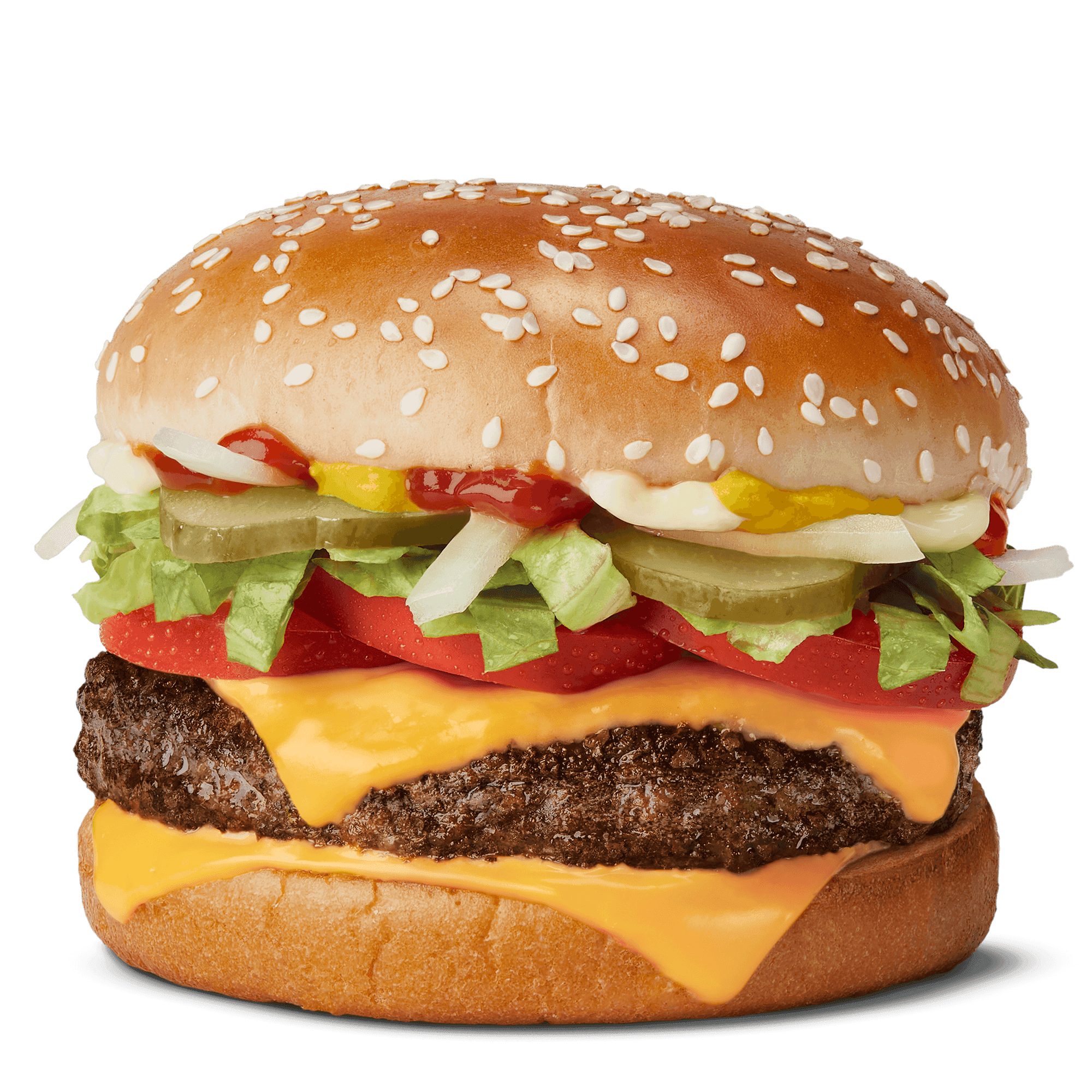
The aftermath of the E. coli crisis has seen a wave of legal action against McDonald's. Consumers in various states, including Colorado, Nebraska, and Florida, have initiated class action lawsuits seeking significant damages. From acute kidney failure to emergency room visits, the plaintiffs have experienced severe health repercussions, leading to claims of negligence and product liability against the fast-food giant.
The McDonald's E. coli outbreak serves as a stark reminder of the importance of stringent food safety measures in the food industry. The incident has highlighted the need for thorough supplier vetting, quality control processes, and swift crisis management protocols. It underscores the critical role that both companies and regulatory bodies play in ensuring the safety and integrity of the food supply chain.
Following the outbreak, McDonald's took immediate action to trace the source of contamination, which was identified as slivered onions sourced from a single supplier. The company promptly removed the implicated ingredient and terminated its partnership with the supplier. Moreover, health agencies, including the Centers for Disease Control and Prevention, have been actively involved in investigating and containing the spread of E. coli cases linked to McDonald's.