
How to Do Restaurant Payroll Yourself
Learn how to handle restaurant payroll yourself, from calculating hours and wages to managing tips, taxes, and final paychecks.
Payroll
Sep 2, 2026
Learn how to handle restaurant payroll yourself, from calculating hours and wages to managing tips, taxes, and final paychecks.
Sep 2, 2026

Restaurant labor management helps owners optimize staffing, control labor costs, improve productivity, monitor overtime, and maintain efficient restaurant operations.
Sep 2, 2026
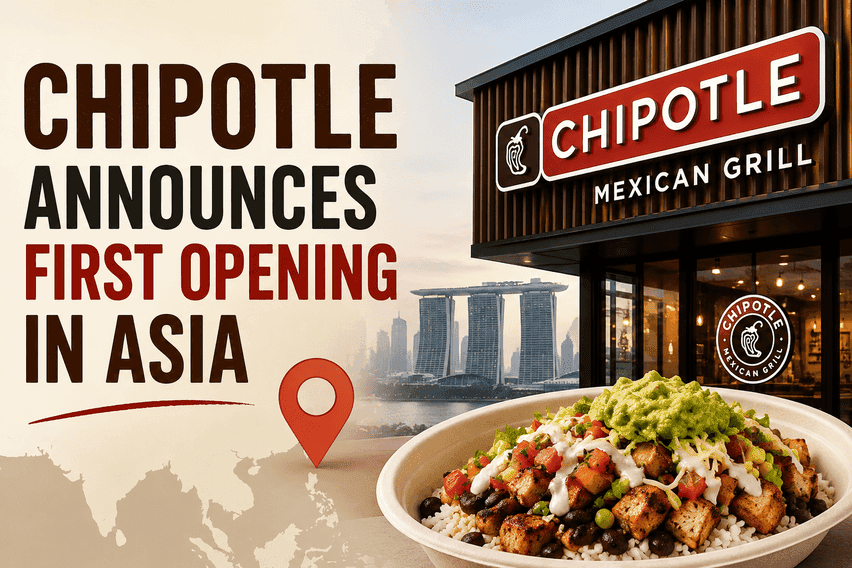
Chipotle makes its highly anticipated entry into Asia with a Seoul opening, partnering with Sangmidang Holdings and setting a template for future international growth.
Sep 2, 2026
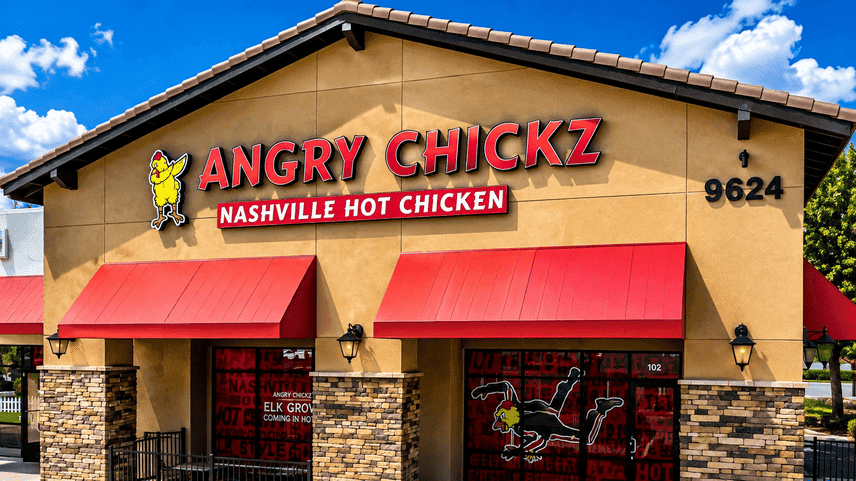
Angry Chickz enters Illinois with its signature hot chicken concept and ambitious plans for Midwest expansion, setting the stage for new franchise opportunities and community engagement.
Sep 2, 2026
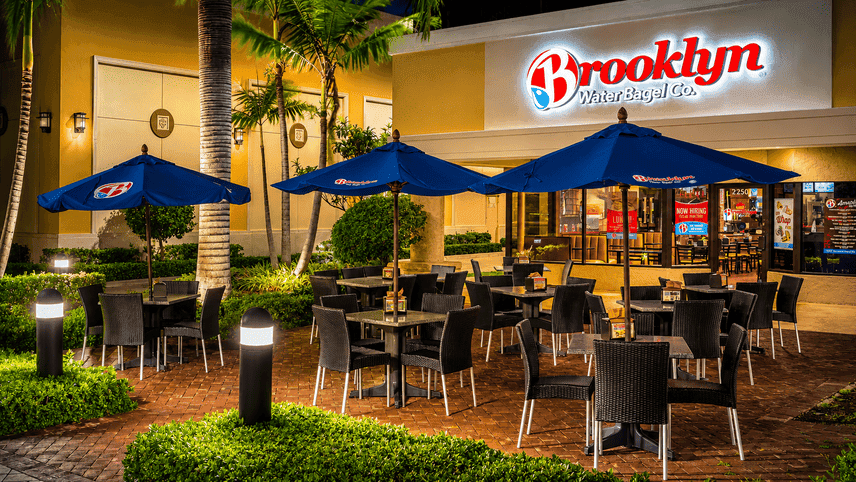
Brooklyn Water Bagel launches its first campus eatery at Nova Southeastern, signaling strategic growth and fresh potential for multi-unit operators seeking new market wins.
Sep 2, 2026
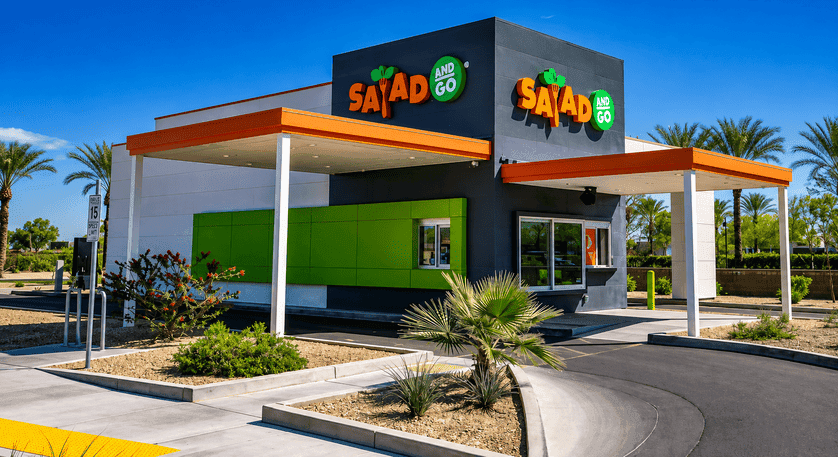
7 Brew has acquired 73 former Salad and Go locations, surpassing Dutch Bros with a $143M bid, signaling a major shift in the competitive landscape for drive-thru brands.
Sep 2, 2026

Explore restaurant technology trends in 2026, including AI, automation, digital ordering, workforce tools, connected kitchens, personalization, and profitability strategies today.
Aug 28, 2026
Learn how to calculate restaurant cost of goods using inventory, purchases, COGS percentage, variance reviews, and regular tracking for profitability.
Aug 31, 2026
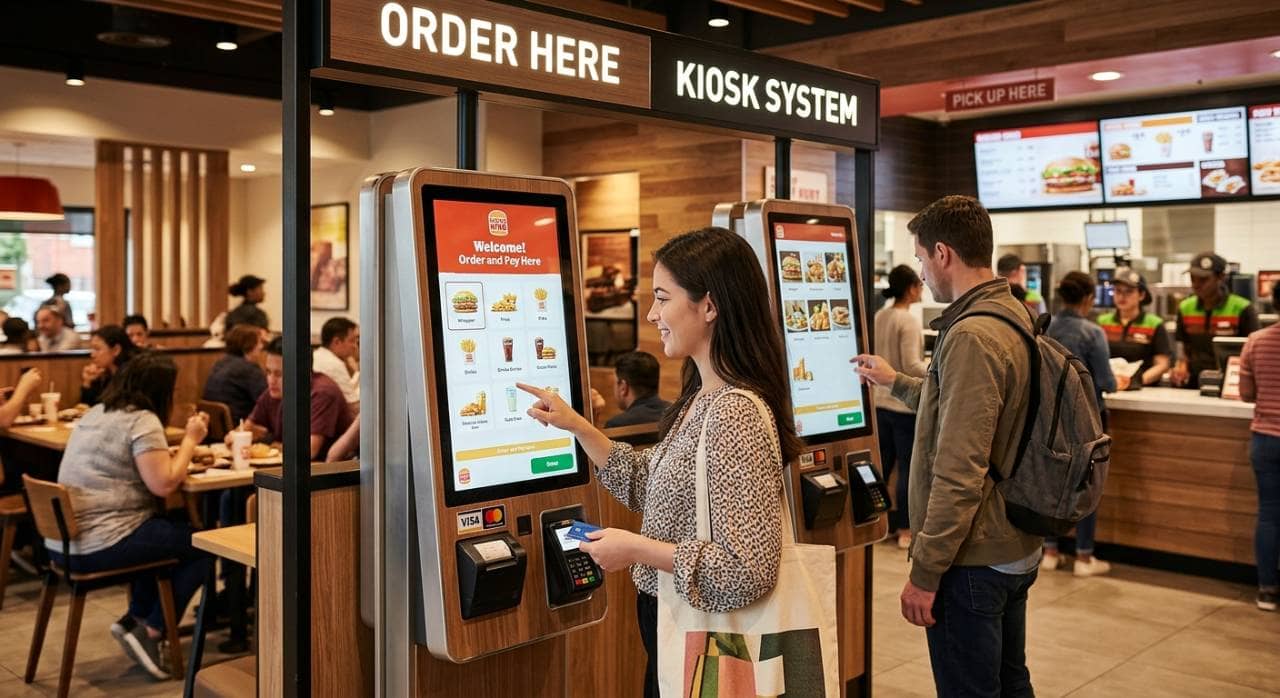
Understand how to evaluate a Kiosk system using key criteria including features, POS integration, hardware, pricing, customer experience, and support.
Aug 31, 2026

Learn the startup costs of opening an ice cream shop, including rent, equipment, renovations, permits, inventory, labor, marketing, and reserves.
Aug 28, 2026

Unlock Exclusive Access To Webinars, Events, And The Latest News For Free!
Explore how Pinstripes managed sales challenges, growth ambitions, debt issues, and cost management to achieve corporate profits in Q3.
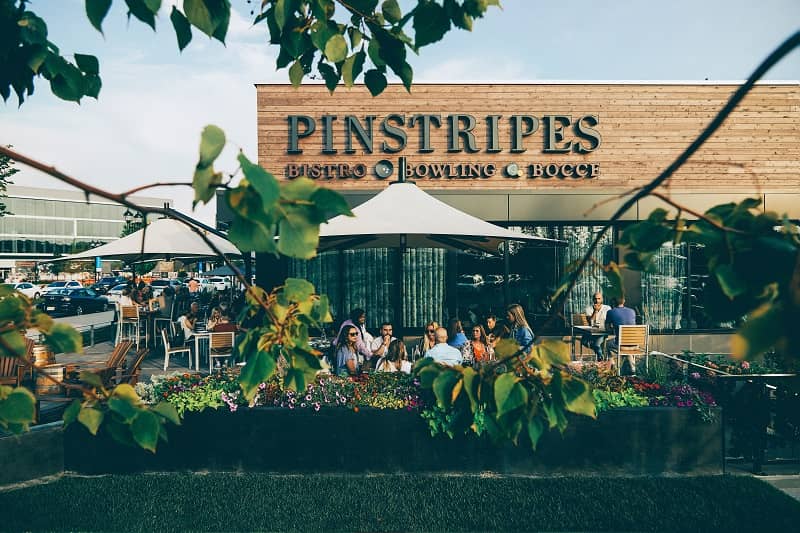
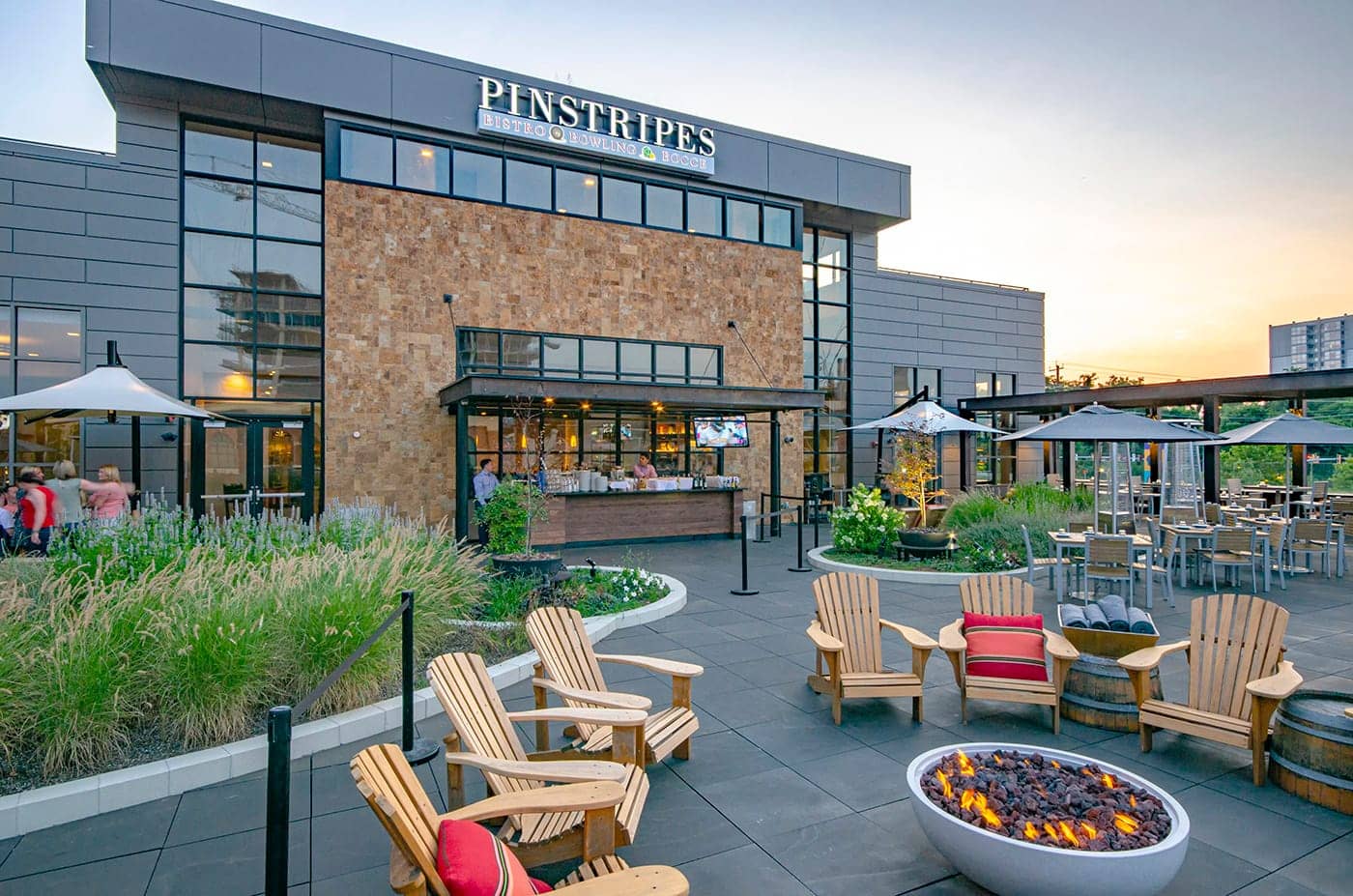
Pinstripes, an eatertainment firm, faced consecutive same-store sales decreases leading up to Fiscal Q3. Analyst Peter Saleh highlighted the chain's struggles, noting a temporary boost in sales in December that masked earlier declines. Despite its high average-unit volume, Pinstripes failed to translate this into rapid growth as initially projected. The company aimed to reach 150 units but only managed to operate 18 units over a year, signaling a significant gap between anticipated and actual growth.

Pinstripes found itself in a challenging financial position, accumulating $114 million in debt and breaching its covenants. The brand relied on additional funding, including a $6 million injection post-quarter from Oak Tree Fund Administration. However, this funding came with the complication of breaking prior agreements, leading to renegotiations and amendments to loan terms. The company's inability to maintain a required total net leverage ratio exacerbated its debt scenario and raised concerns about its future financial stability.
CEO Dale Schwartz outlined Pinstripes' efforts to control corporate costs, a key element in their path to profitability. The company implemented measures like layoffs and strategic reductions in selling and administrative expenses, resulting in a significant $500,000 decrease quarter over quarter. Schwartz emphasized the importance of negotiating with agency partners, optimizing corporate headcount, and enhancing marketing efficiency to streamline operations and enhance cost-effectiveness.
Despite facing significant sales and financial challenges, Pinstripes managed to report $2.7 million in corporate profits for Q3, marking a notable achievement after a period of stagnation. This positive financial outcome was a result of the brand's concerted efforts to address cost structures, optimize operations, and navigate through a complex debt situation. The company's ability to streamline costs and enhance profitability in adverse conditions showcases its resilience and strategic decision-making.