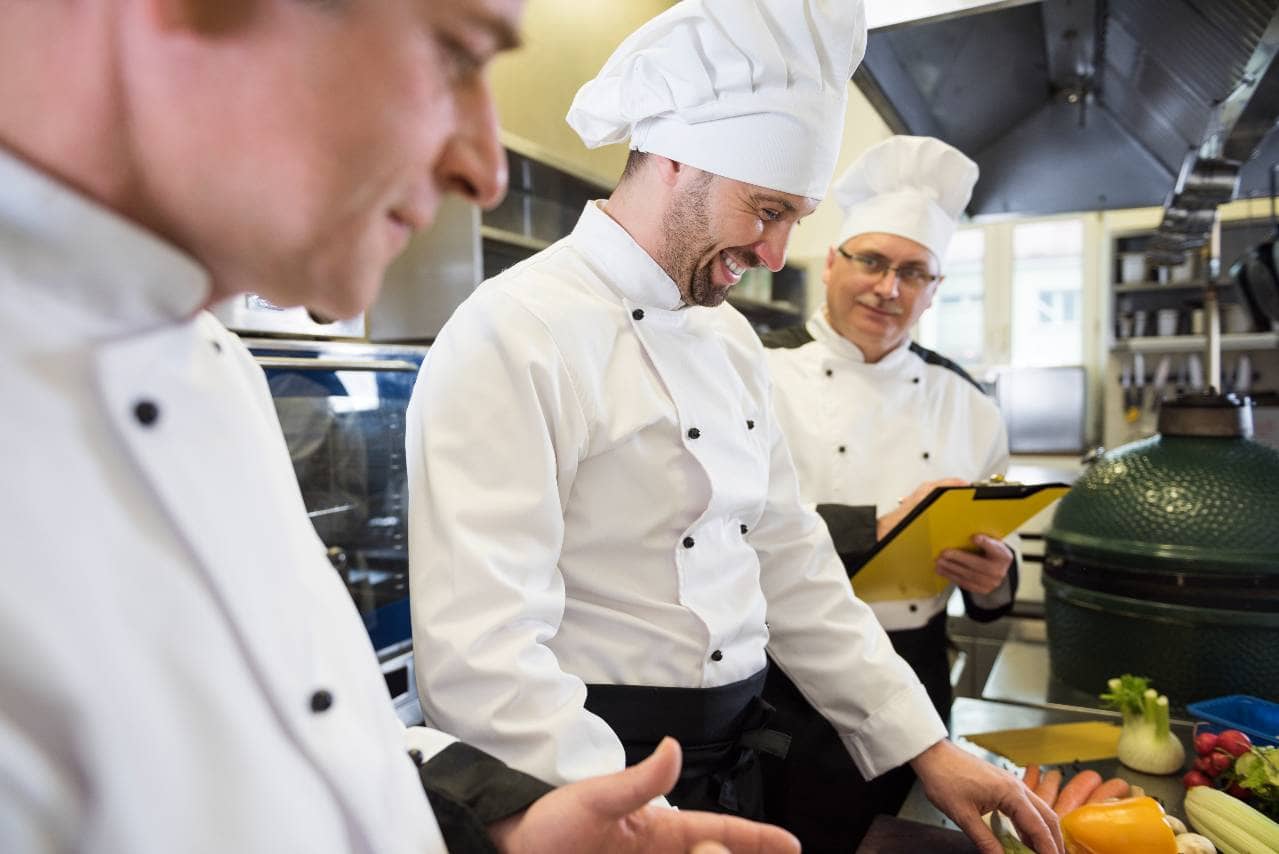
The Ultimate Guide to Restaurant Labor Management
Restaurant labor management helps owners optimize staffing, control labor costs, improve productivity, monitor overtime, and maintain efficient restaurant operations.
Back Office
Sep 2, 2026
Restaurant labor management helps owners optimize staffing, control labor costs, improve productivity, monitor overtime, and maintain efficient restaurant operations.
Sep 2, 2026
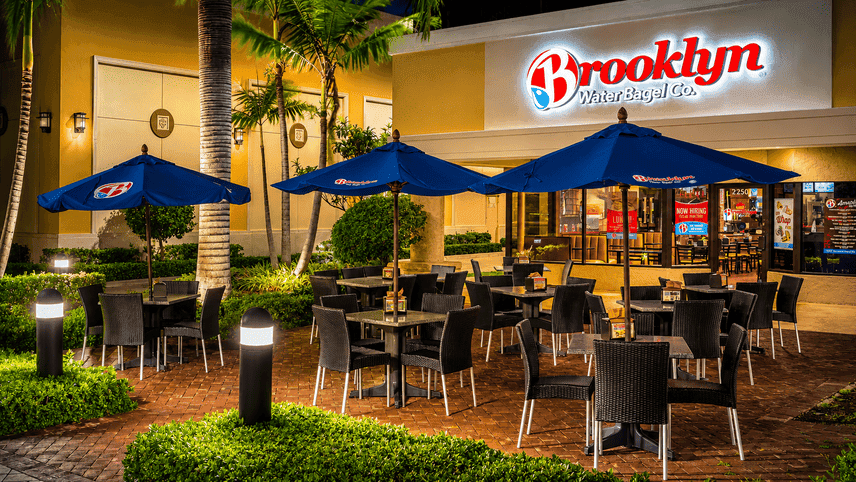
Brooklyn Water Bagel launches its first campus eatery at Nova Southeastern, signaling strategic growth and fresh potential for multi-unit operators seeking new market wins.
Sep 2, 2026
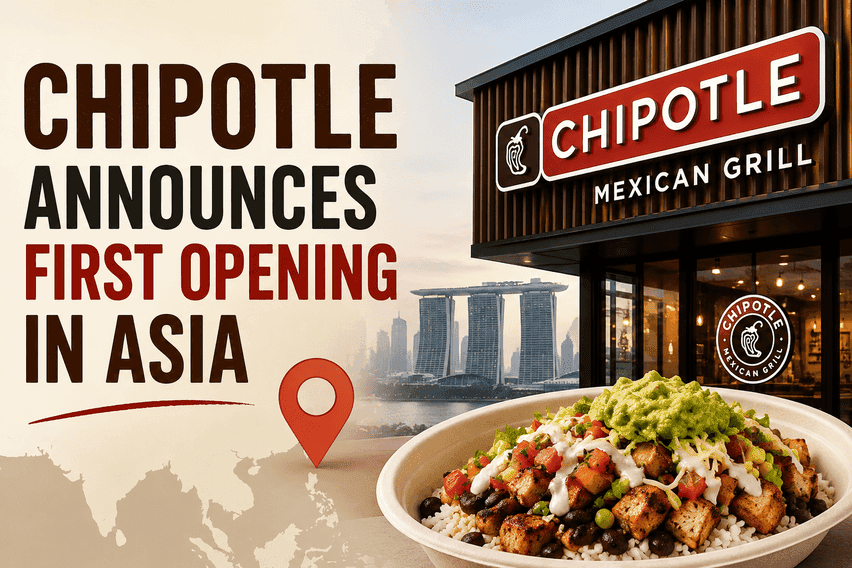
Chipotle makes its highly anticipated entry into Asia with a Seoul opening, partnering with Sangmidang Holdings and setting a template for future international growth.
Sep 2, 2026
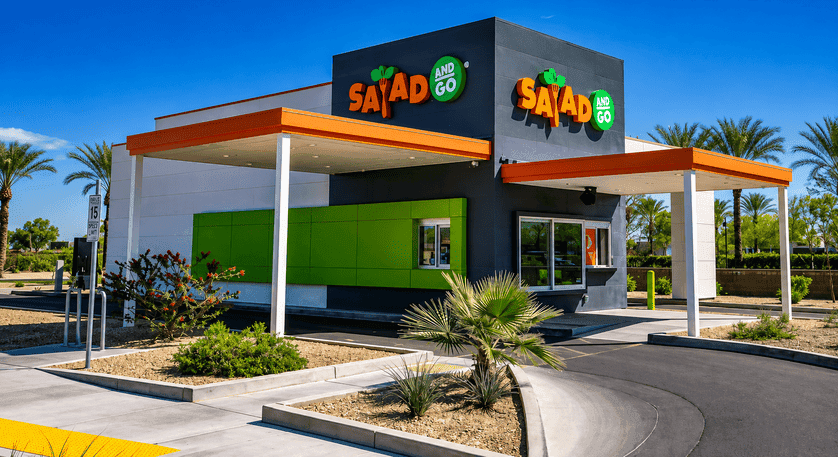
7 Brew has acquired 73 former Salad and Go locations, surpassing Dutch Bros with a $143M bid, signaling a major shift in the competitive landscape for drive-thru brands.
Sep 2, 2026
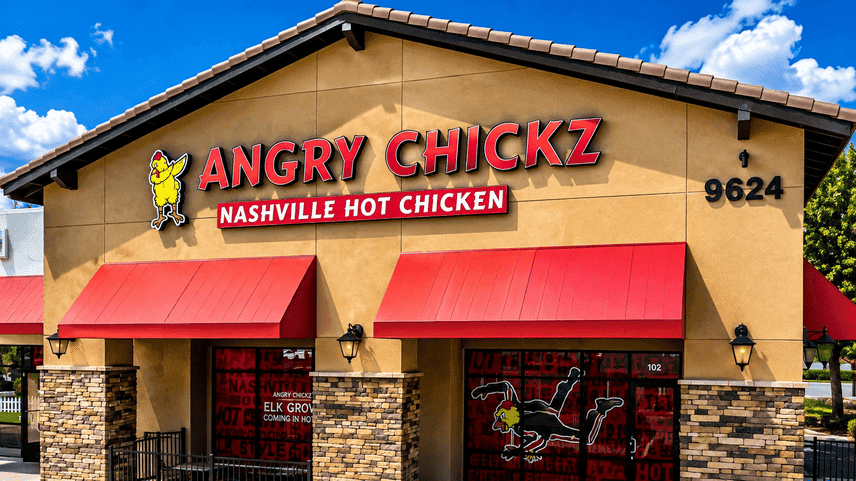
Angry Chickz enters Illinois with its signature hot chicken concept and ambitious plans for Midwest expansion, setting the stage for new franchise opportunities and community engagement.
Sep 2, 2026
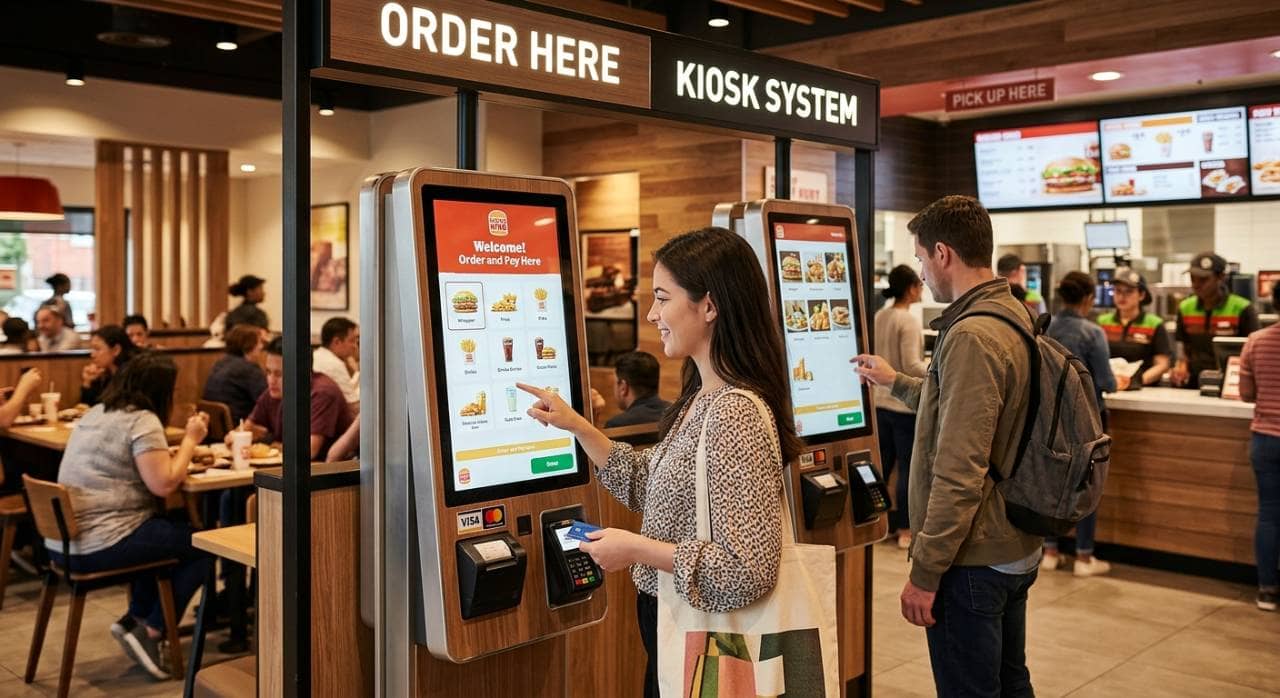
Understand how to evaluate a Kiosk system using key criteria including features, POS integration, hardware, pricing, customer experience, and support.
Aug 31, 2026
Learn how to calculate restaurant cost of goods using inventory, purchases, COGS percentage, variance reviews, and regular tracking for profitability.
Aug 31, 2026

Explore restaurant technology trends in 2026, including AI, automation, digital ordering, workforce tools, connected kitchens, personalization, and profitability strategies today.
Aug 28, 2026
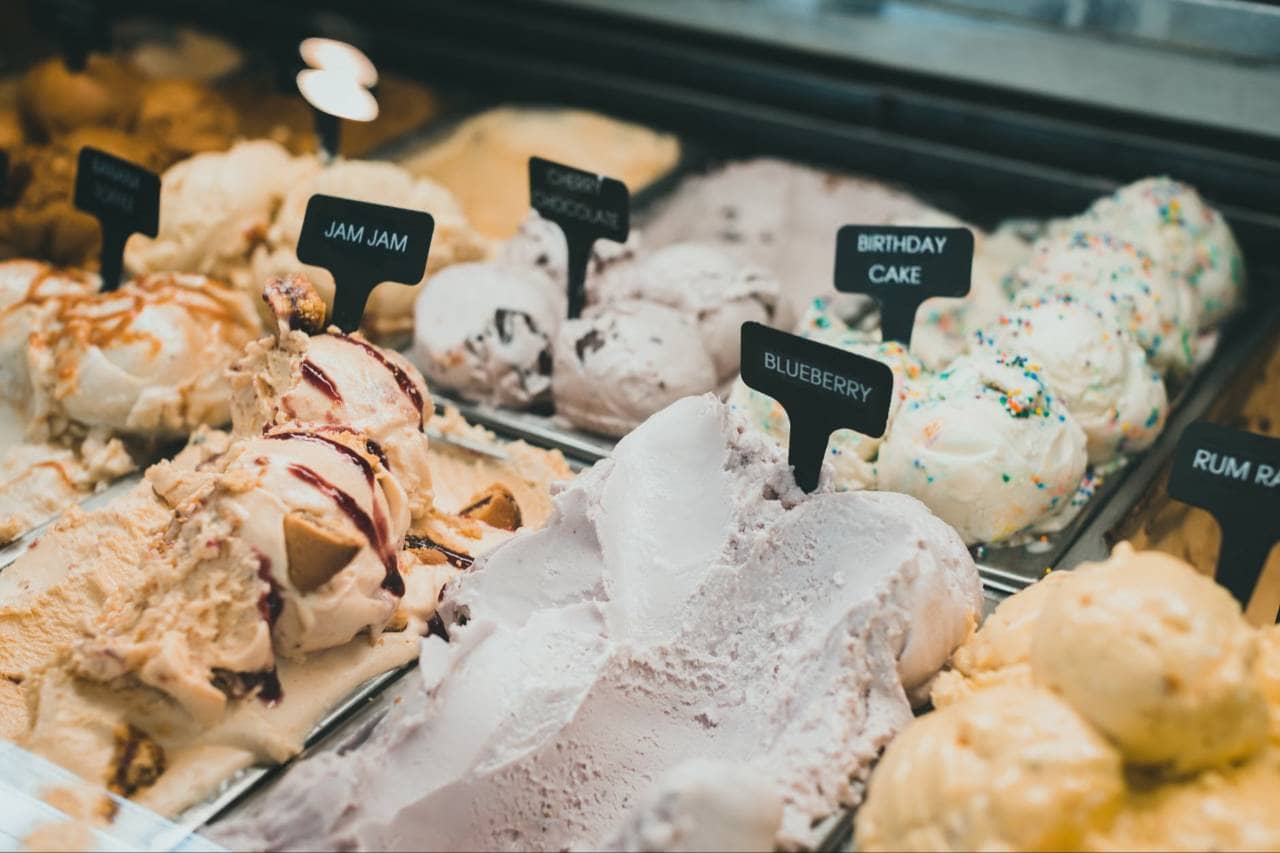
Learn the startup costs of opening an ice cream shop, including rent, equipment, renovations, permits, inventory, labor, marketing, and reserves.
Aug 28, 2026

A restaurant P&L statement reveals sales, expenses, and profits, helping owners manage costs, improve margins, and plan finances more effectively.
Aug 26, 2026

Unlock Exclusive Access To Webinars, Events, And The Latest News For Free!
Explore the intricacies of integrating two convenience retailers' foodservice programs and the challenges faced during the process.

Photo by Dominic Kurniawan Suryaputra
When companies merge, especially in the convenience retail sector, decisions regarding foodservice programs can be critical. Maverik's acquisition of Kum & Go brought to light the challenges of combining two well-established brands' offerings. The blind taste test between the two companies' pizzas showcased the struggle in determining the direction for the integrated food programs.
Company integrations often lead to cultural clashes and uncertainties. In the case of Maverik and Kum & Go, the ambiguity surrounding the retention of branding and programs created internal and external tensions. Despite initial signals of unity, the eventual rebranding and elimination of food offerings indicated a shift in priorities.
Leadership decisions during the integration process can significantly impact the outcome. Maverik's swift changes in foodservice operations, without consulting Kum & Go's team members, highlighted a lack of collaboration. The unilateral approach to assessing stores and rebranding reflected a disconnect in understanding the acquired company's strengths.
Photo by Dominic Kurniawan Suryaputra
The transition from Kum & Go's health-focused menu to Maverik's grab-and-go offerings raised questions about customer preferences. The sudden removal of made-to-order and mobile ordering services indicated a shift towards more mainstream convenience offerings. Customer reactions, such as dissatisfaction with discontinued product lines, underscore the importance of aligning business decisions with customer expectations.
As Maverik aimed to retire the Kum & Go brand, industry experts noted the challenges and opportunities ahead. Rebranding post-acquisition is a common strategy in the convenience retail sector, albeit with potential pushback from loyal customers. The strategic decision-making process during integration phases serves as a crucial lesson for companies navigating brand consolidation in the retail landscape.