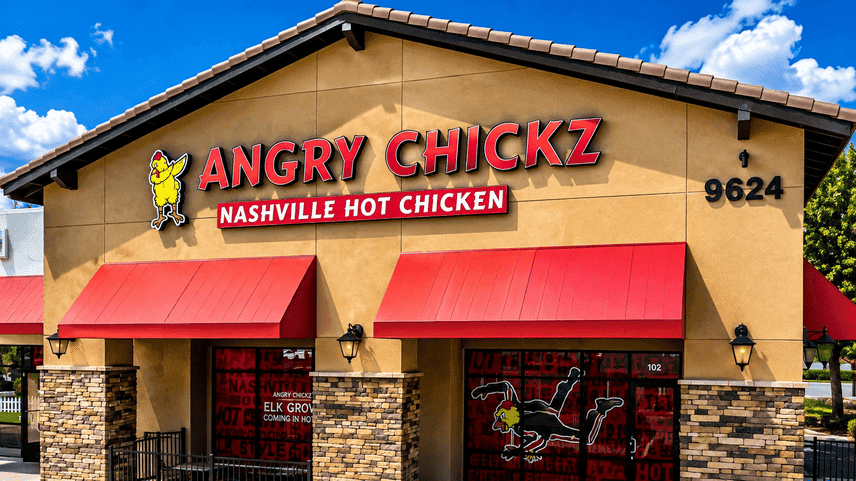
Nashville Hot Chicken Comes to Midwest
Angry Chickz enters Illinois with its signature hot chicken concept and ambitious plans for Midwest expansion, setting the stage for new franchise opportunities and community engagement.
News
Sep 2, 2026
Angry Chickz enters Illinois with its signature hot chicken concept and ambitious plans for Midwest expansion, setting the stage for new franchise opportunities and community engagement.
Sep 2, 2026
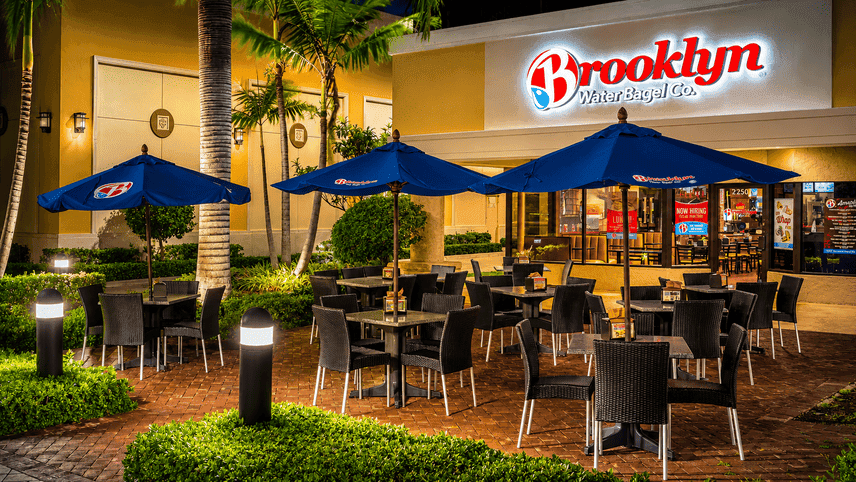
Brooklyn Water Bagel launches its first campus eatery at Nova Southeastern, signaling strategic growth and fresh potential for multi-unit operators seeking new market wins.
Sep 2, 2026
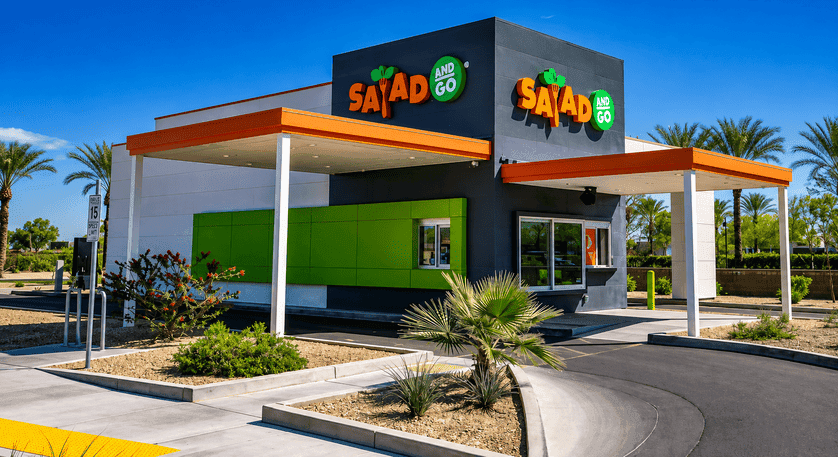
7 Brew has acquired 73 former Salad and Go locations, surpassing Dutch Bros with a $143M bid, signaling a major shift in the competitive landscape for drive-thru brands.
Sep 2, 2026
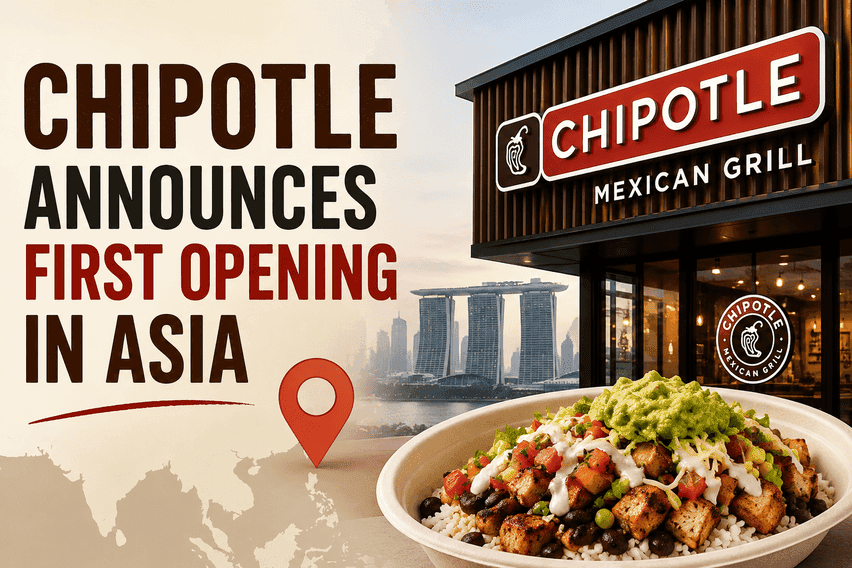
Chipotle makes its highly anticipated entry into Asia with a Seoul opening, partnering with Sangmidang Holdings and setting a template for future international growth.
Sep 2, 2026
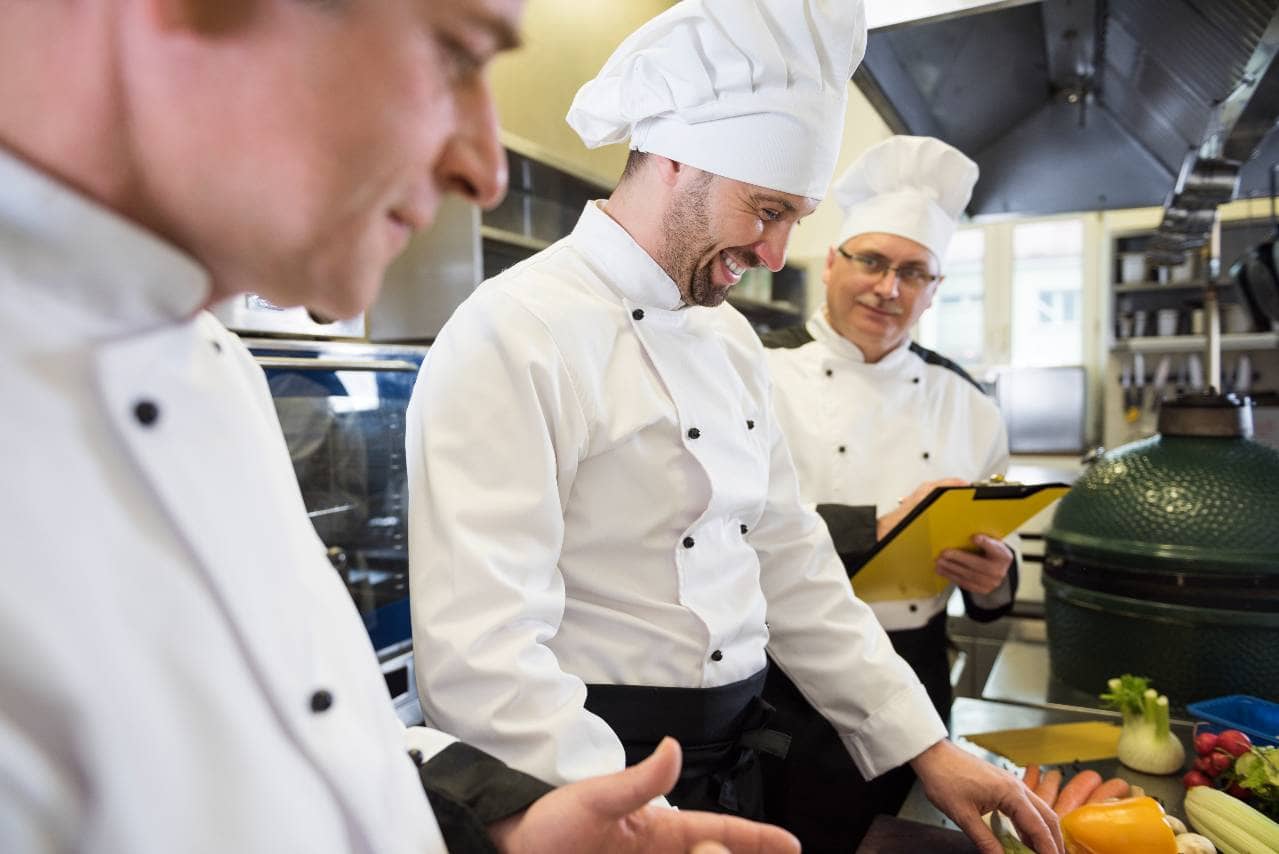
Restaurant labor management helps owners optimize staffing, control labor costs, improve productivity, monitor overtime, and maintain efficient restaurant operations.
Sep 2, 2026
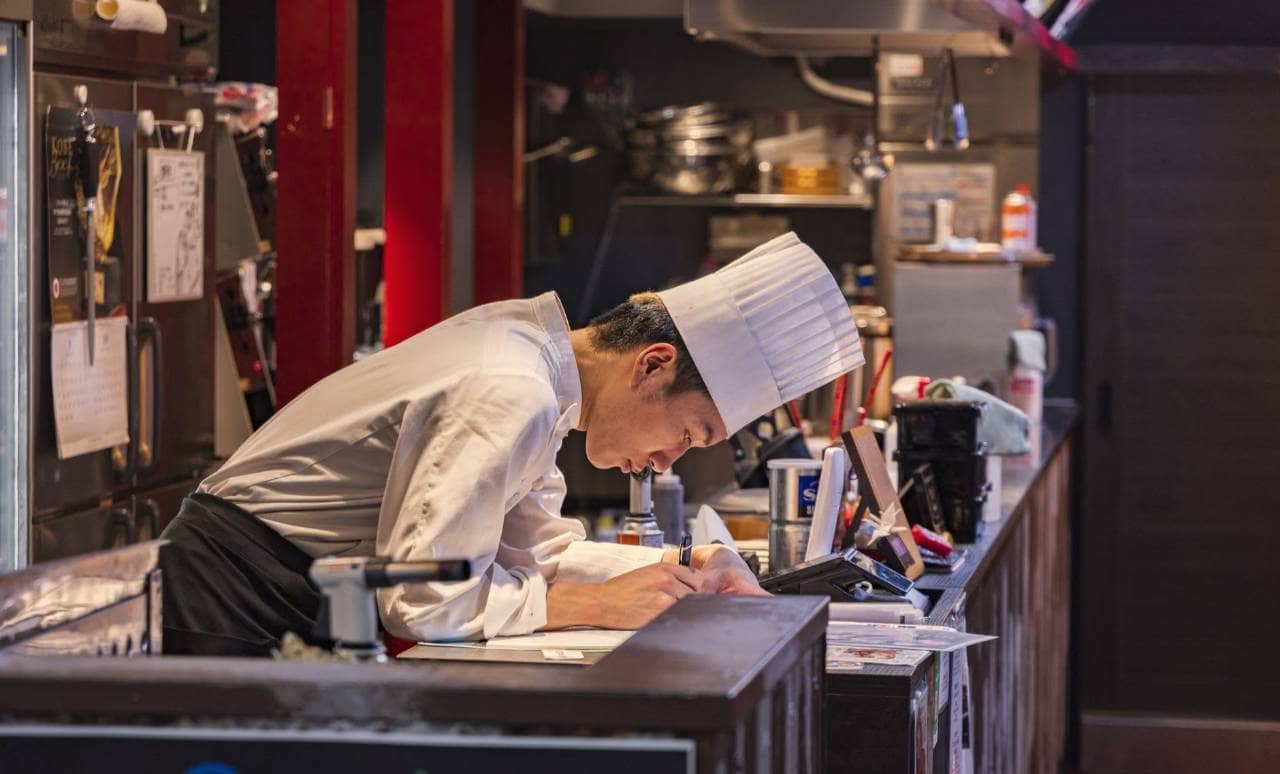
Learn how to calculate restaurant cost of goods using inventory, purchases, COGS percentage, variance reviews, and regular tracking for profitability.
Aug 31, 2026
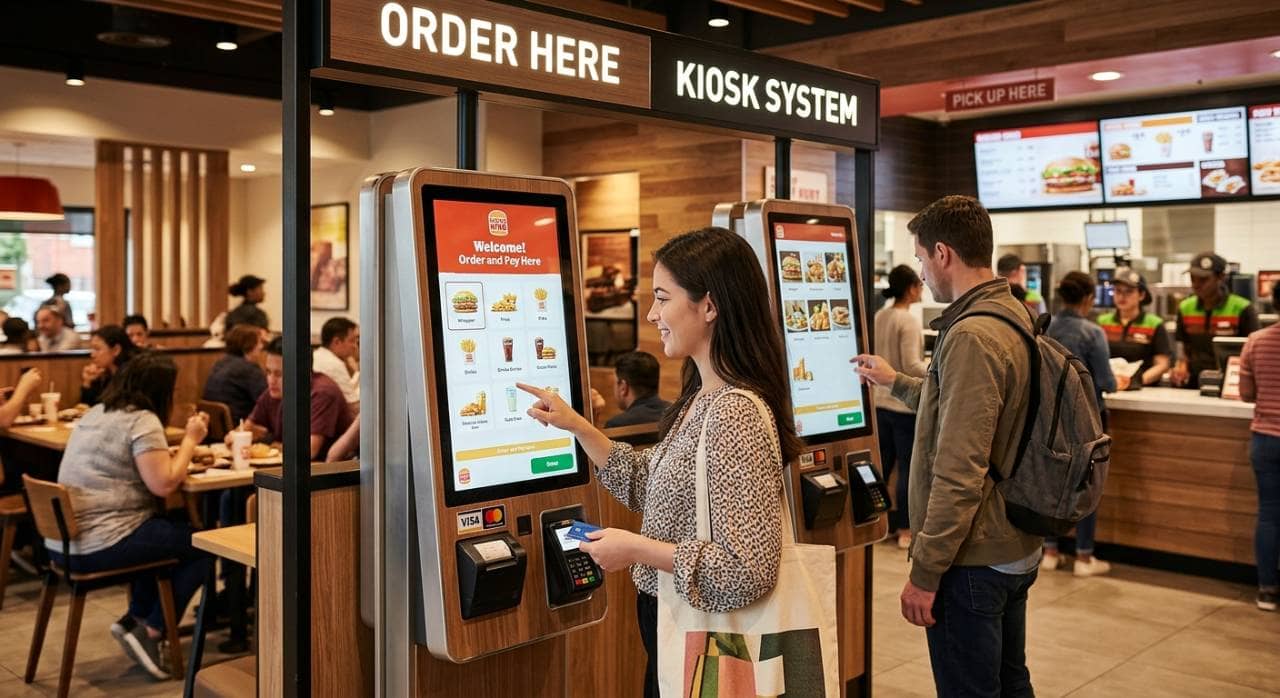
Understand how to evaluate a Kiosk system using key criteria including features, POS integration, hardware, pricing, customer experience, and support.
Aug 31, 2026
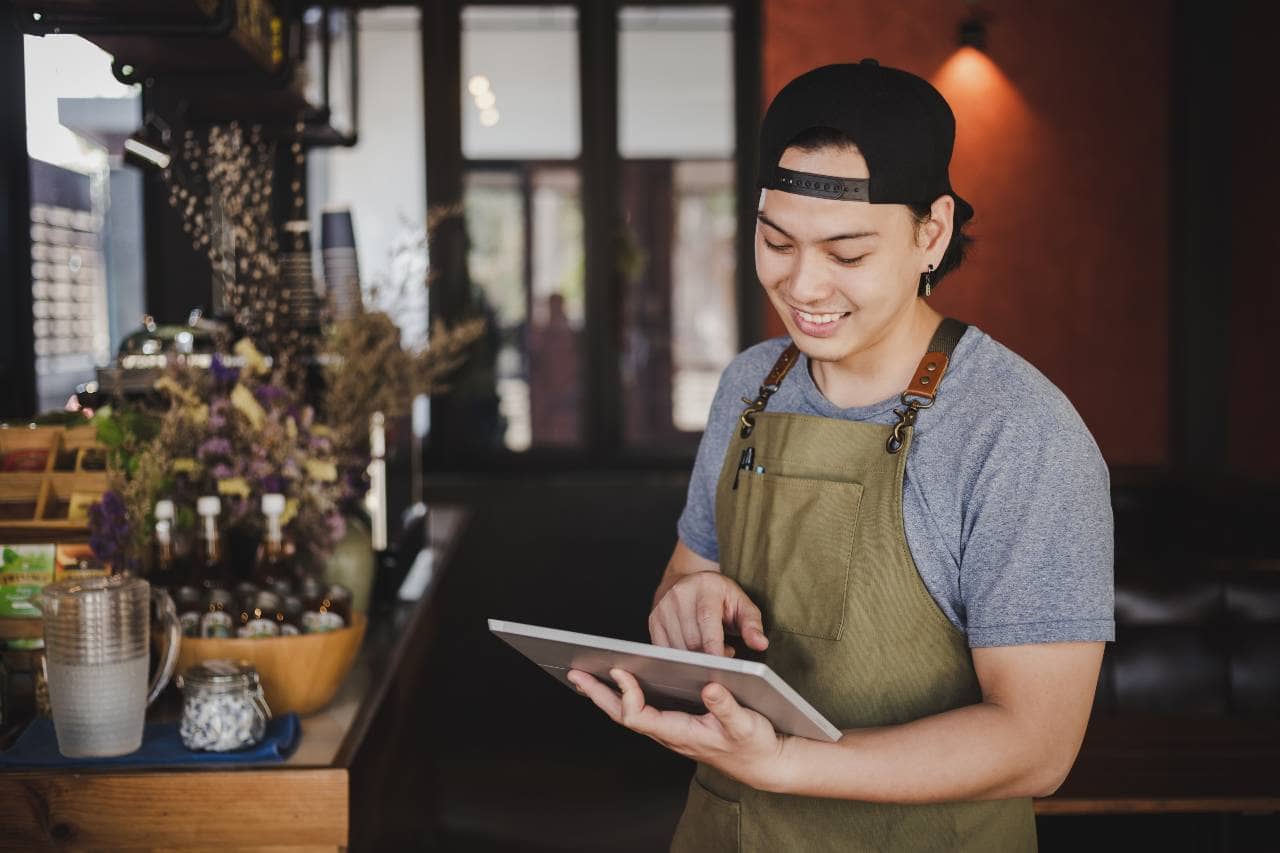
Explore restaurant technology trends in 2026, including AI, automation, digital ordering, workforce tools, connected kitchens, personalization, and profitability strategies today.
Aug 28, 2026
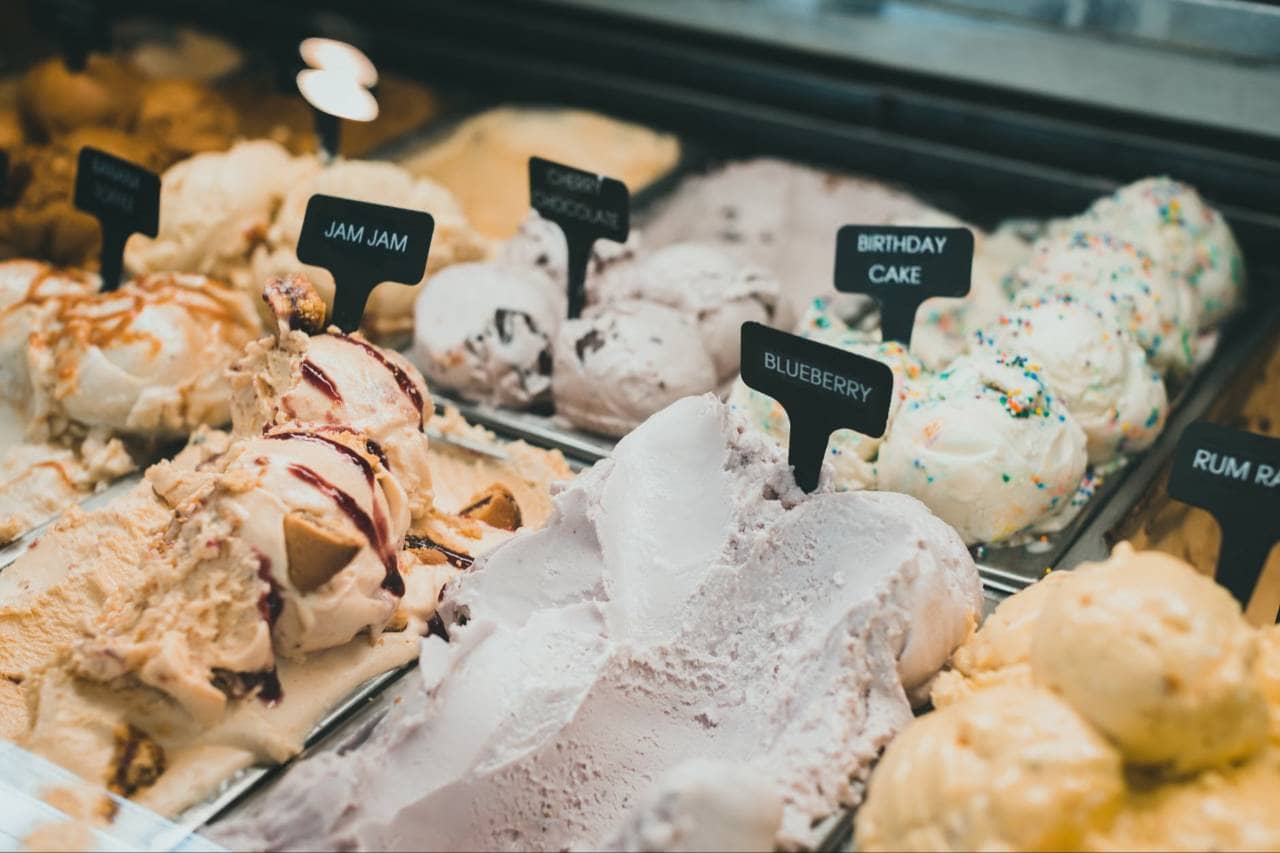
Learn the startup costs of opening an ice cream shop, including rent, equipment, renovations, permits, inventory, labor, marketing, and reserves.
Aug 28, 2026

A restaurant P&L statement reveals sales, expenses, and profits, helping owners manage costs, improve margins, and plan finances more effectively.
Aug 26, 2026

Unlock Exclusive Access To Webinars, Events, And The Latest News For Free!
Explore the impact of corporate layoffs and the shift towards in-person work using Starbucks as a case study. Understand the changing dynamics of corporate structures and remote work policies.
.jpg&w=3840&q=70)
Starbucks recently announced a significant reduction in its non-retail workforce, impacting at least 6.9% of its global employees in corporate support functions. The move is part of a strategic effort to streamline operations, enhance accountability, and foster agility within the organization. By eliminating layers and duplication, Starbucks aims to create smaller, more efficient teams that can adapt swiftly to market demands.
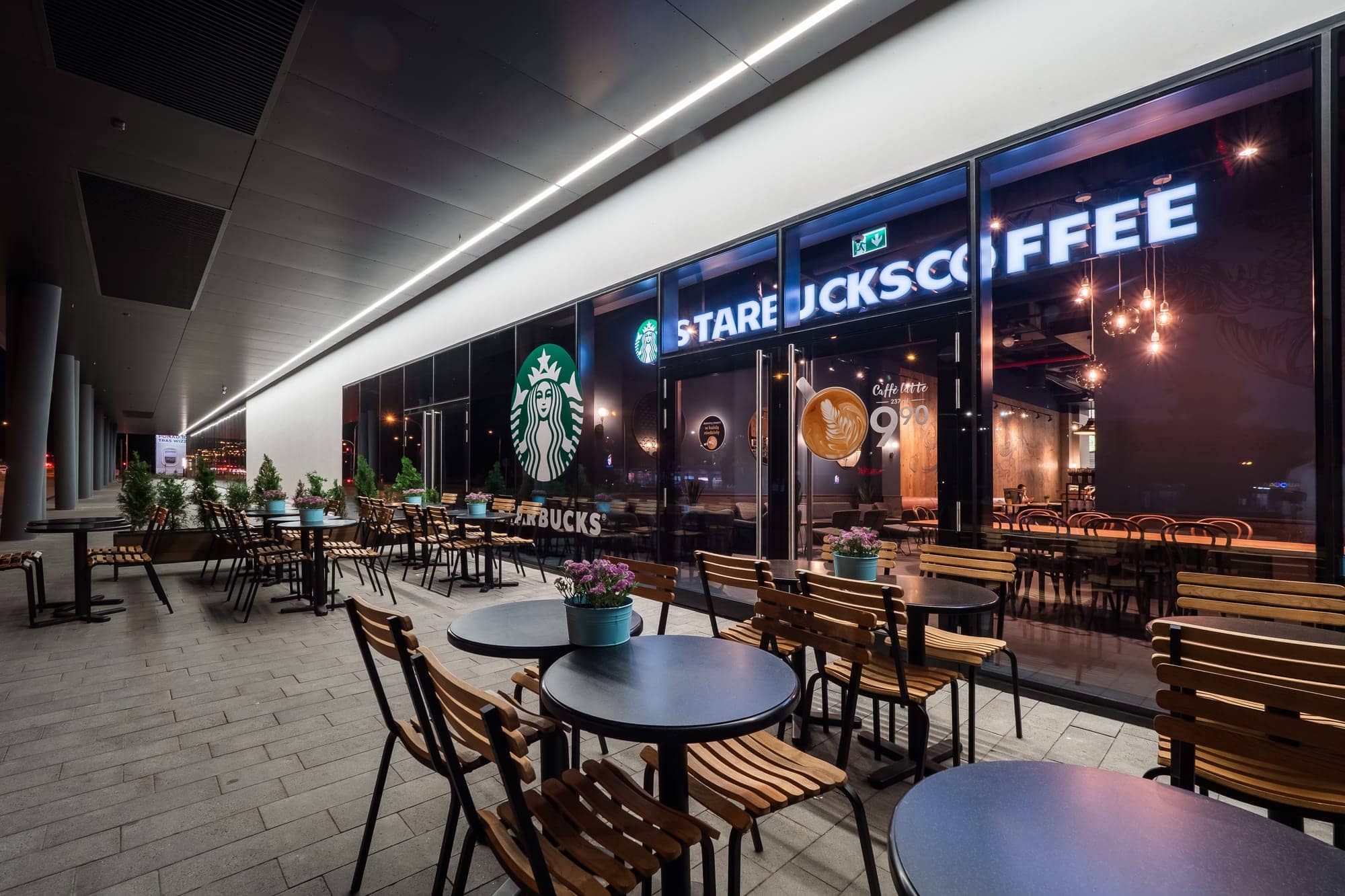
While the exact breakdown of how many corporate support employees are affected remains undisclosed, it is evident that a sizable portion of Starbucks' non-retail workforce is experiencing these job cuts. Fortunately, the approximately 345,000 hourly retail workers worldwide have been spared from these layoffs, emphasizing the company's commitment to maintaining its frontline staff. This strategic move aims to realign resources to prioritize essential roles that align with Starbucks' revised support structure.
In a notable shift towards in-person work, Starbucks has mandated that North American executives at the vice president level or higher must be physically present in the office in Seattle or Toronto at least three times a week. This requirement, while not altering the existing remote work policies for other staff levels, signifies a renewed emphasis on personal interaction and collaboration within leadership ranks. Starbucks' decision reflects a broader trend in the industry towards reestablishing physical office presence and fostering direct communication channels.

Amidst the current climate of remote work adaptations, Starbucks' approach to balancing in-person and remote work serves as a case study for other organizations. By emphasizing the significance of face-to-face interactions for key leadership roles, Starbucks aims to strike a balance that optimizes operational efficiency and team dynamics. The increased focus on in-person work for certain positions underscores the evolving nature of workplace dynamics and the importance of personal connections in driving organizational success.
Starbucks' restructuring efforts and the move towards in-person work come at a time when multiple companies in the restaurant industry are restructuring and reevaluating their remote work policies. Brands like Bloomin' Brands, Denny’s, Dine Brands, and Yum Brands have all experienced layoffs or office relocations, signaling a broader trend away from remote work and towards increased in-person collaboration. These shifts highlight the delicate balance between remote flexibility and the benefits of in-person engagement in achieving organizational goals.