
Restaurant Technology Trends in 2026
Explore restaurant technology trends in 2026, including AI, automation, digital ordering, workforce tools, connected kitchens, personalization, and profitability strategies today.
Technology
Aug 28, 2026
Explore restaurant technology trends in 2026, including AI, automation, digital ordering, workforce tools, connected kitchens, personalization, and profitability strategies today.
Aug 28, 2026
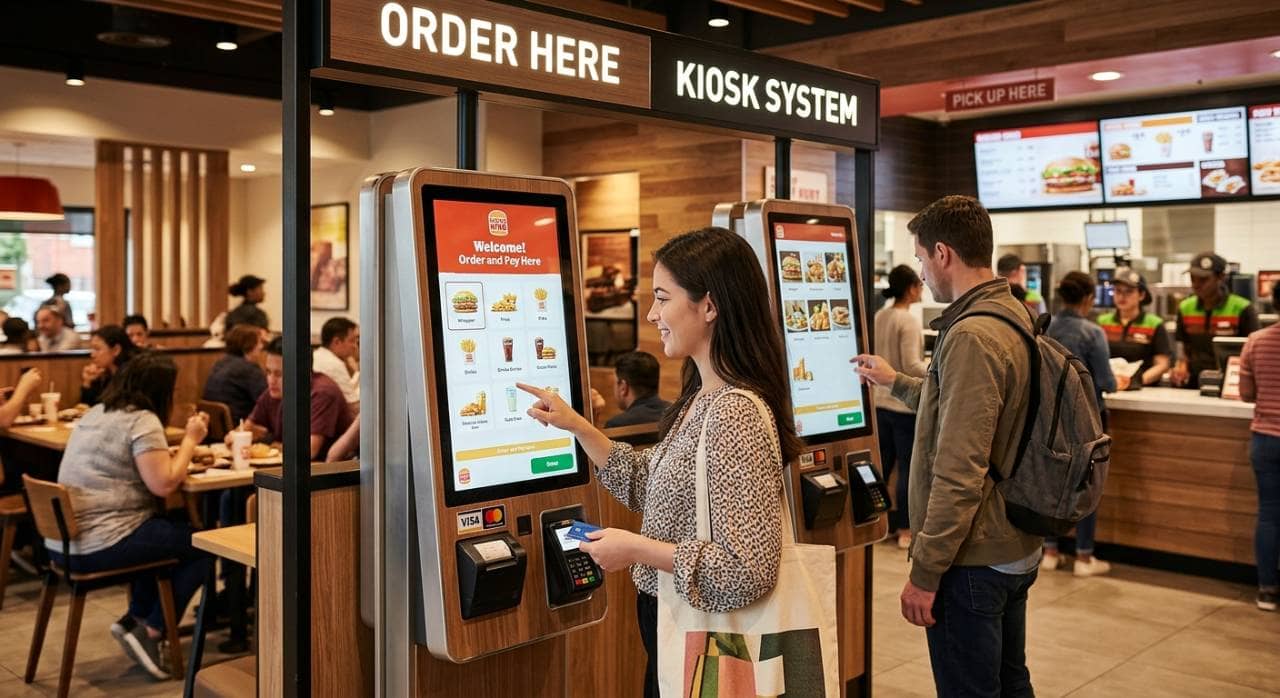
Understand how to evaluate a Kiosk system using key criteria including features, POS integration, hardware, pricing, customer experience, and support.
Aug 31, 2026
Learn how to calculate restaurant cost of goods using inventory, purchases, COGS percentage, variance reviews, and regular tracking for profitability.
Aug 31, 2026

Learn the startup costs of opening an ice cream shop, including rent, equipment, renovations, permits, inventory, labor, marketing, and reserves.
Aug 28, 2026
Learn practical ways to reduce labour costs through smarter scheduling, forecasting, productivity, cross-training, automation, overtime control, and performance monitoring strategies.
Aug 26, 2026
RaceTrac has appointed Jill Pemberton as chief financial officer, succeeding Karla Ahlert, who moves into the newly created role of chief administrative officer.
Aug 26, 2026

A restaurant P&L statement reveals sales, expenses, and profits, helping owners manage costs, improve margins, and plan finances more effectively.
Aug 26, 2026

Create a practical restaurant marketing plan by setting goals, targeting customers, choosing channels, budgeting wisely, scheduling campaigns, and measuring results.
Aug 24, 2026
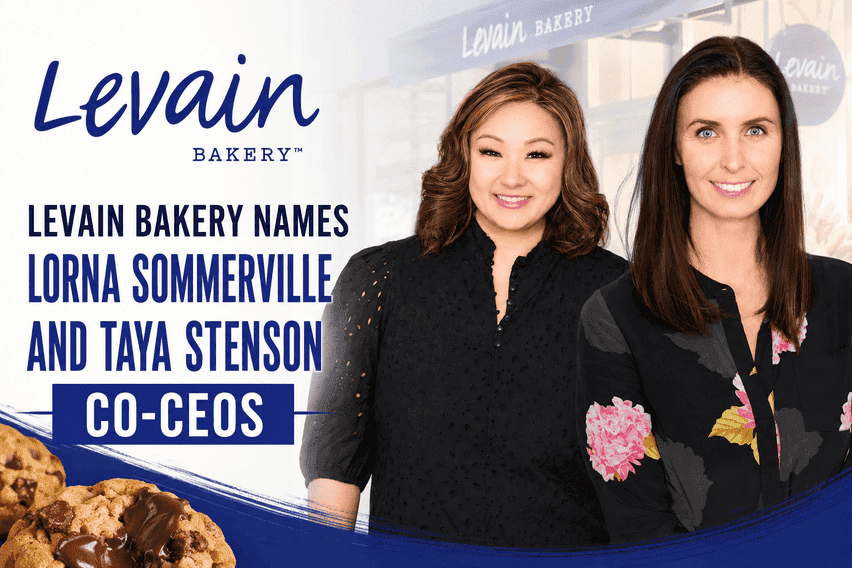
Levain Bakery appoints Lorna Sommerville and Taya Stenson as co-CEOs, blending operational and marketing expertise to power national expansion and innovation while staying rooted in its brand values.
Aug 25, 2026
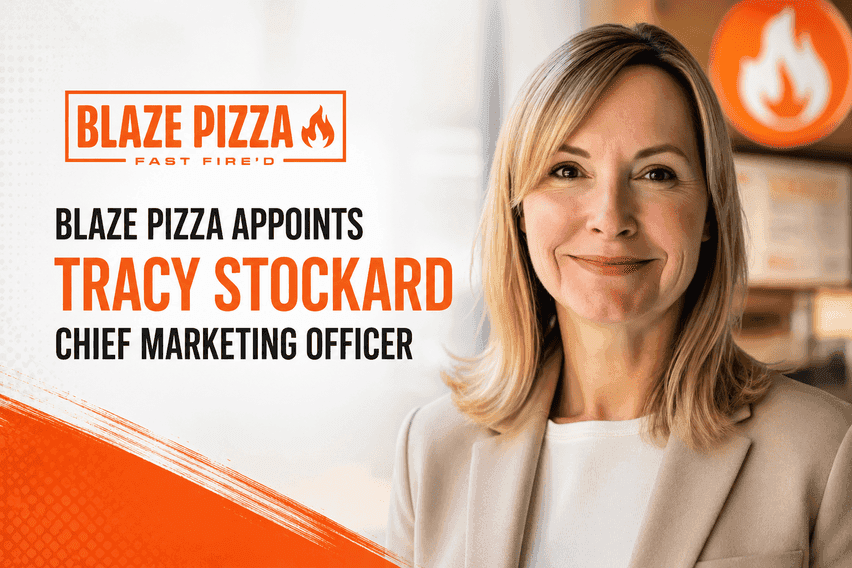
Blaze Pizza welcomes Tracy Stockard as Chief Marketing Officer, bringing decades of brand and franchise experience to drive strategic growth and guest engagement.
Aug 25, 2026

Unlock Exclusive Access To Webinars, Events, And The Latest News For Free!
Explore the financial challenges faced by Matadoor, a Del Taco franchisee, and how they navigated restructuring and bankruptcy.
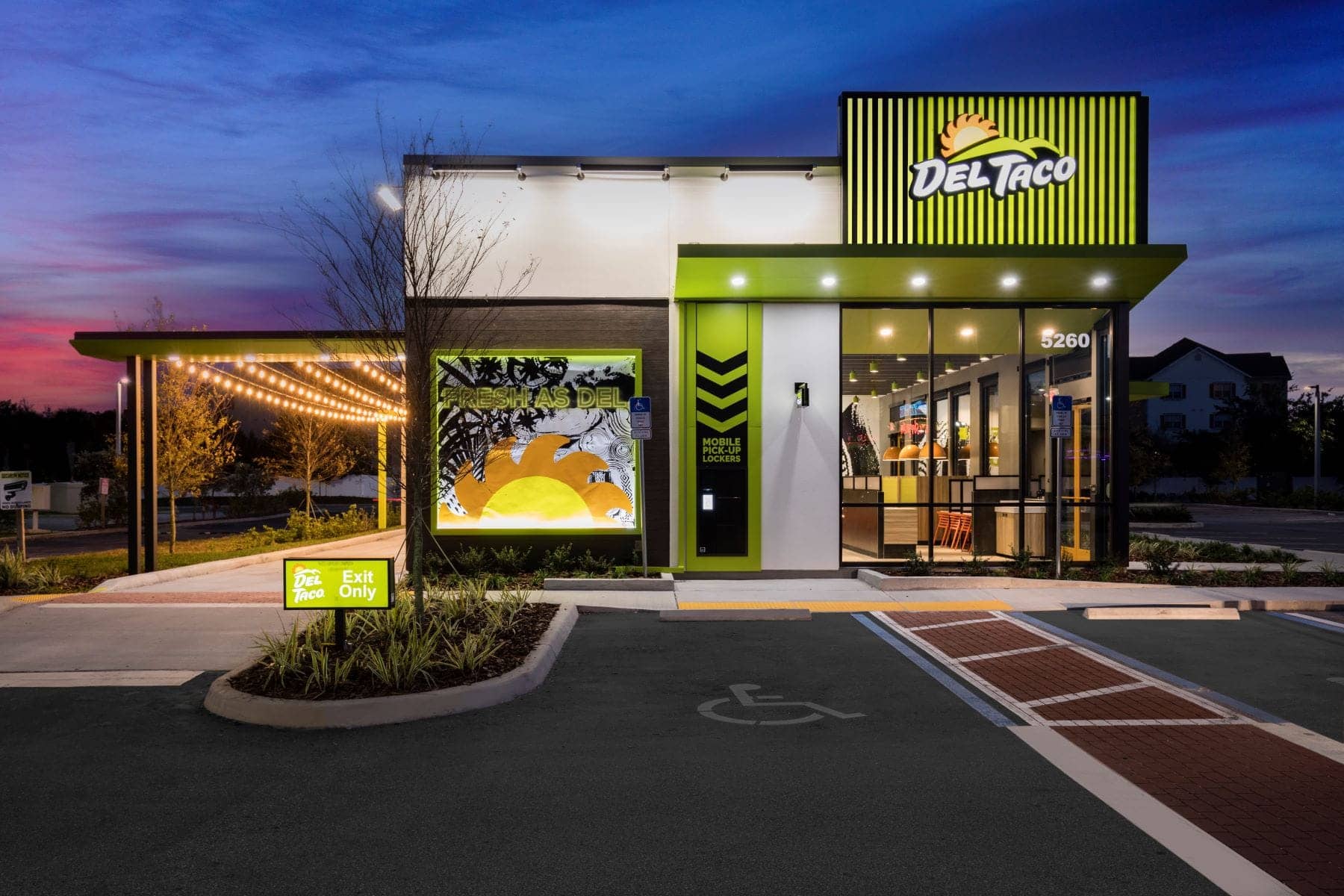
Matadoor, a prominent Del Taco franchisee, recently faced significant financial challenges that ultimately led to the company's decision to file for Chapter 11 bankruptcy. The issues began when Newport Ventures, the previous owner of 18 Del Taco locations in Colorado, declared bankruptcy, prompting the closure of all restaurants in February. Del Taco subsequently took over the ownership of these units, reopening 17 locations in late June.
Del Taco, as a whole, has been grappling with declining same-store sales, with a notable decrease of 3.6% in fiscal Q2 2025. This decline was even more pronounced in franchised same-store sales, down by 4.2%, and company-owned units, which saw a 1.7% decrease. These challenges within the Del Taco network directly affected Matadoor, exacerbating its financial situation.
In an attempt to address its cash flow issues, Matadoor resorted to taking multiple merchant cash advance (MCA) loans. However, the terms of these loans, including high fees, effective interest rates, and aggressive payback schedules, deepened Matadoor's financial woes. The company ended up accumulating a total of approximately $2.7 million in loans from nine different creditors.
The inability of Matadoor to meet its MCA obligations resulted in creditors claiming an interest in the company's future sales and accounts receivable. Some creditors took legal action by filing UCC-1 financing statements, establishing priority over Matadoor's assets. As a last resort, facing mounting debts and operational constraints, Matadoor made the decision to file for Chapter 11 bankruptcy to halt collection efforts and initiate a reorganization process.
Matadoor's financial turmoil also had implications for its parent company, which owns Red Door Pizza, Red Door Sandwich, and Maverick Restaurant Group. These entities, operating various quick-service restaurant (QSR) brands such as Little Caesars, McAlister’s Deli, and Arby’s, followed suit by filing separate Chapter 11 bankruptcy petitions. The financial difficulties experienced by Matadoor directly influenced the decision-making within the parent company's portfolio of brands, highlighting the interconnectedness of the business's financial health.