Mountain Mike's Pizza Names Sheena Dougher CMO
Mountain Mike's Pizza hires Jack in the Box veteran Sheena Dougher as CMO to drive national growth while preserving its regional brand identity.
Franchising
Sep 17, 2026
Mountain Mike's Pizza hires Jack in the Box veteran Sheena Dougher as CMO to drive national growth while preserving its regional brand identity.
Sep 17, 2026

From fixed costs to contribution margin, learn exactly how to calculate your restaurant's break even point with confidence.
Sep 16, 2026

DoorDash pays $425M for Wonder's campus dining platform and a stake in Wonder, betting on robotic kitchens and institutional foodservice growth.
Sep 16, 2026
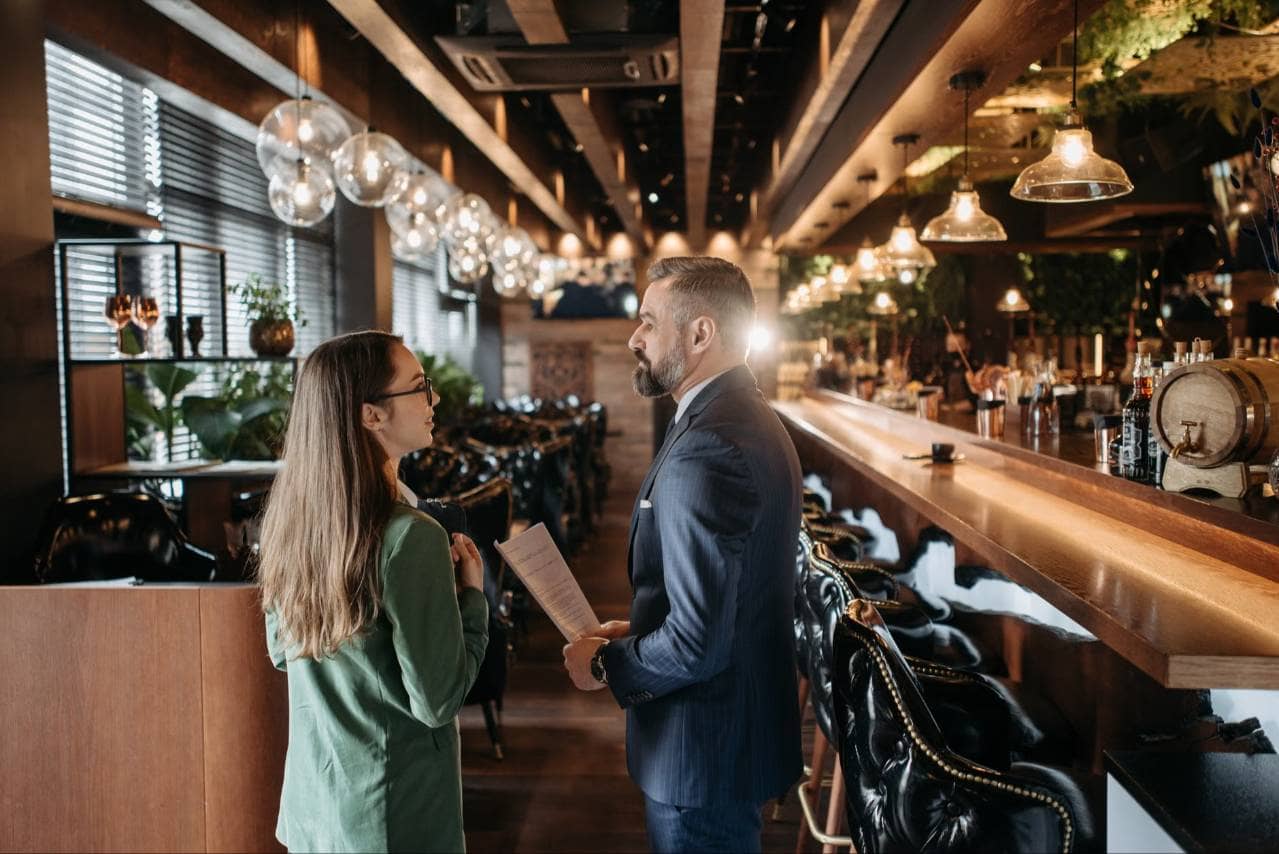
Discover the most common reasons restaurants fail, including inconsistent food quality and pricing mistakes, plus practical ways to avoid them.
Sep 16, 2026
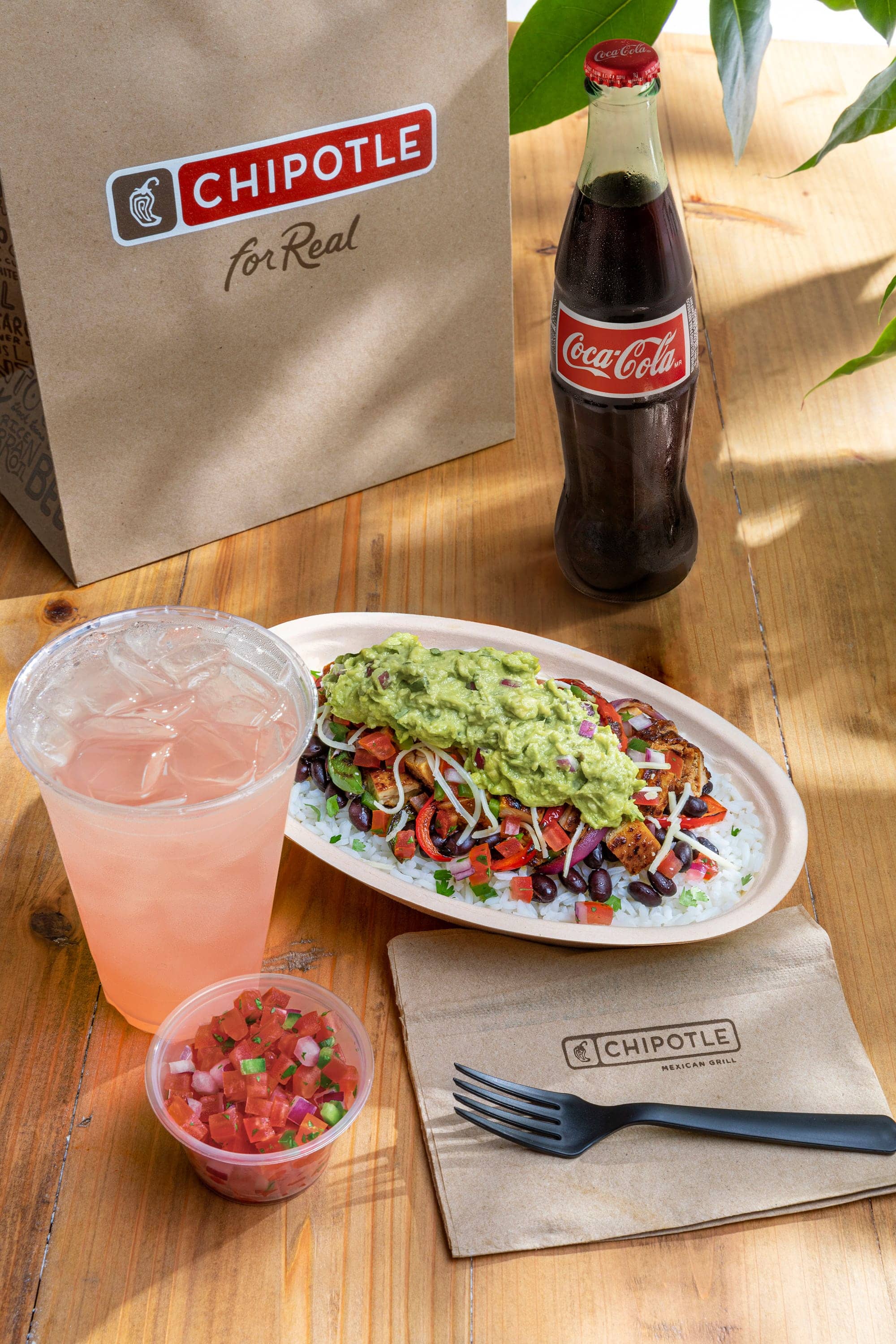
Chipotle names former KFC global CEO Sabir Sami to its board as the chain expands into Mexico, Saudi Arabia, and South Korea.
Sep 15, 2026

LeBron James joins Mike's Red Tacos as an investor, backing the birria chain led by Blaze Pizza and Dave's Hot Chicken veteran Bill Phelps.
Sep 15, 2026
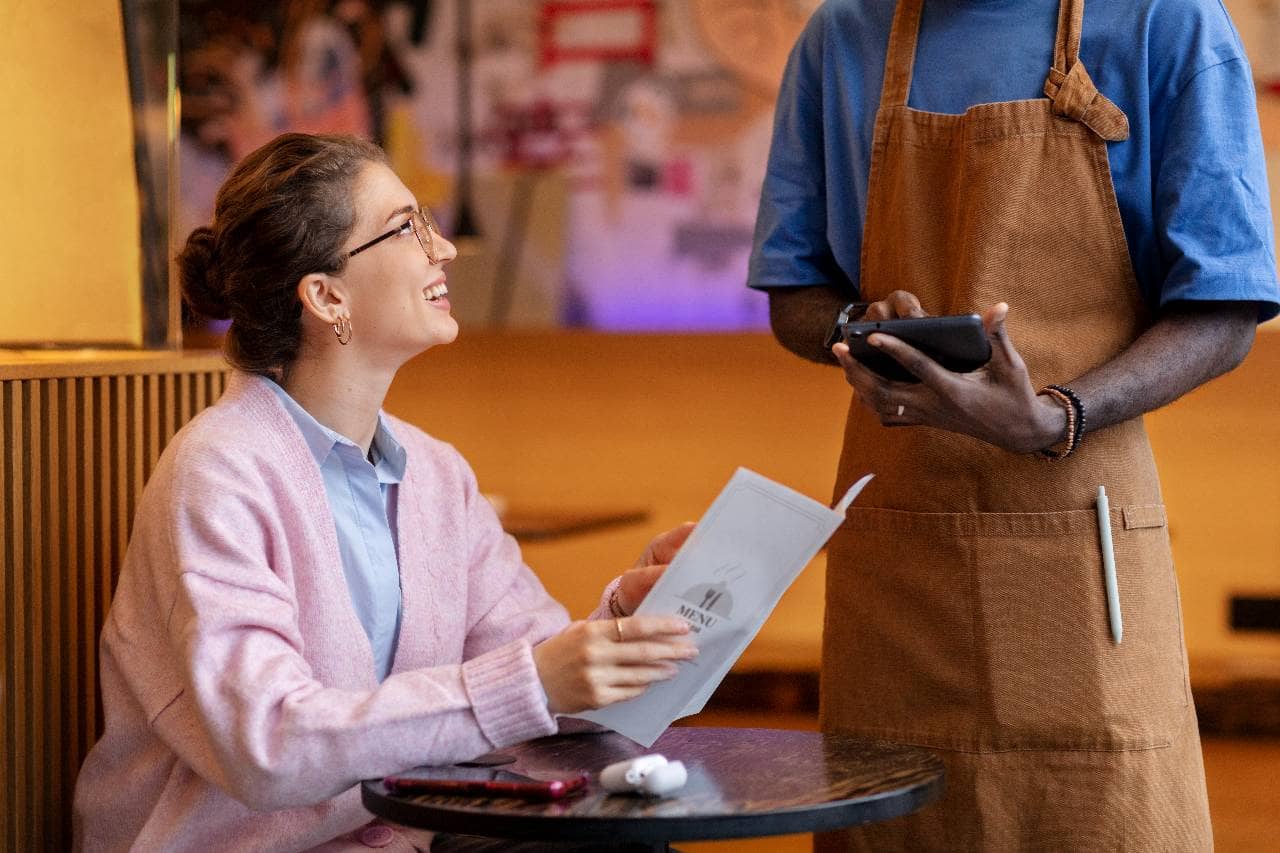
Discover practical promotion ideas - time-based deals, loyalty programs, local partnerships, and digital marketing - to boost restaurant foot traffic consistently.
Sep 14, 2026

Practical payroll compliance checklist for restaurant owners covering wage rules, tips, overtime, taxes, deductions, and recordkeeping to reduce legal risk.
Sep 14, 2026

Lucy Brady joins Jamba as president to lead digital-first growth strategy. GoTo Foods restructures leadership to strengthen franchise platform capabilities.
Sep 14, 2026

Contactless payment offers restaurants faster transactions, better security, and improved customer experience, making it a valuable, worthwhile technology investment today.
Sep 11, 2026

Unlock Exclusive Access To Webinars, Events, And The Latest News For Free!
Explore expert advice on how restaurants can overcome challenges posed by tariffs and manage supply costs effectively.

Photo by Sergio Arteaga
The imposition of tariffs, particularly the recent escalations by the Trump administration, has introduced significant challenges for restaurants, affecting the costs of essential items, ingredients, appliances, and equipment. Chinese imports, subject to 125% duties, play a crucial role in the restaurant supply chain, posing a threat to staple ingredients like Stevia, spices, and garlic. Additionally, tariffs extend to various other products, ranging from food items like olive oil and sugar to kitchen essentials like ovens and beverage packaging.
Photo by Sergio Arteaga
Experts advise restaurant owners to adopt a proactive and flexible approach to navigate the challenges posed by tariffs effectively. One key strategy is to prioritize reliability by retaining valuable employees, trusted suppliers, and quality ingredients despite cost pressures. Restaurants should also explore diversifying or changing suppliers, considering domestic sources for imports, or stocking up on critical items to cushion against price fluctuations.

Photo by Sergio Arteaga
To offset the increased supply costs resulting from tariffs, restaurants can focus on operational efficiency. This includes leveraging tools like AI-powered supply chain management, implementing faster payment processing solutions, and maximizing control over controllable aspects of the business. Menu innovation, sourcing locally, and renegotiating contracts can help mitigate the financial impact of tariffs without compromising on quality or customer satisfaction.
Successful restaurateurs emphasize the importance of resilience and adaptability in facing tariff-related hurdles. By learning from past crises, simplifying operations, and exploring alternative ingredients, restaurants can proactively address cost increases and ensure long-term sustainability. Retaining a talented and reliable workforce, brainstorming innovative solutions, and maintaining open communication with suppliers are key elements of a successful tariff mitigation strategy.