
The Ultimate Guide to Restaurant Labor Management
Restaurant labor management helps owners optimize staffing, control labor costs, improve productivity, monitor overtime, and maintain efficient restaurant operations.
Back Office
Sep 2, 2026
Restaurant labor management helps owners optimize staffing, control labor costs, improve productivity, monitor overtime, and maintain efficient restaurant operations.
Sep 2, 2026
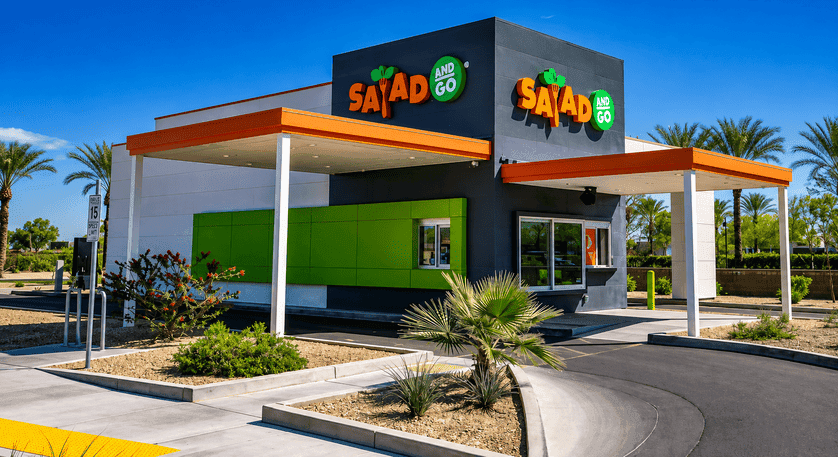
7 Brew has acquired 73 former Salad and Go locations, surpassing Dutch Bros with a $143M bid, signaling a major shift in the competitive landscape for drive-thru brands.
Sep 2, 2026
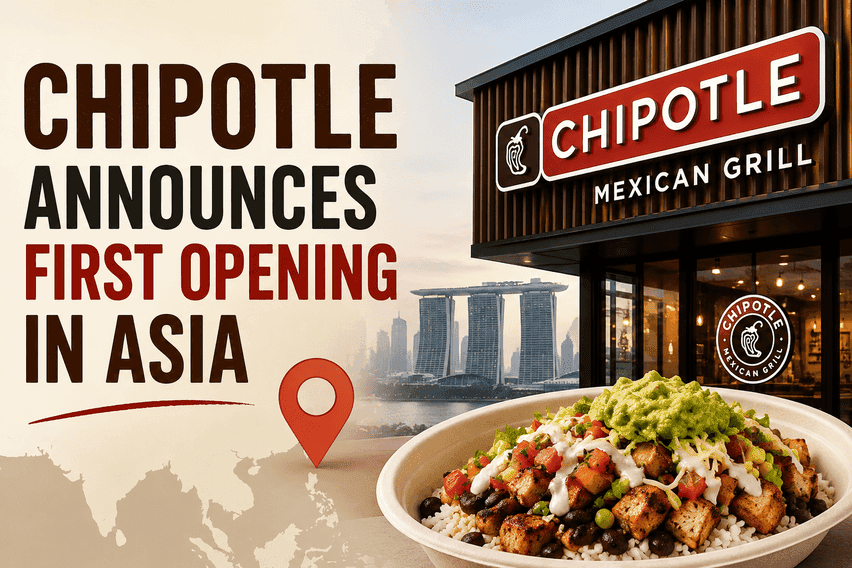
Chipotle makes its highly anticipated entry into Asia with a Seoul opening, partnering with Sangmidang Holdings and setting a template for future international growth.
Sep 2, 2026
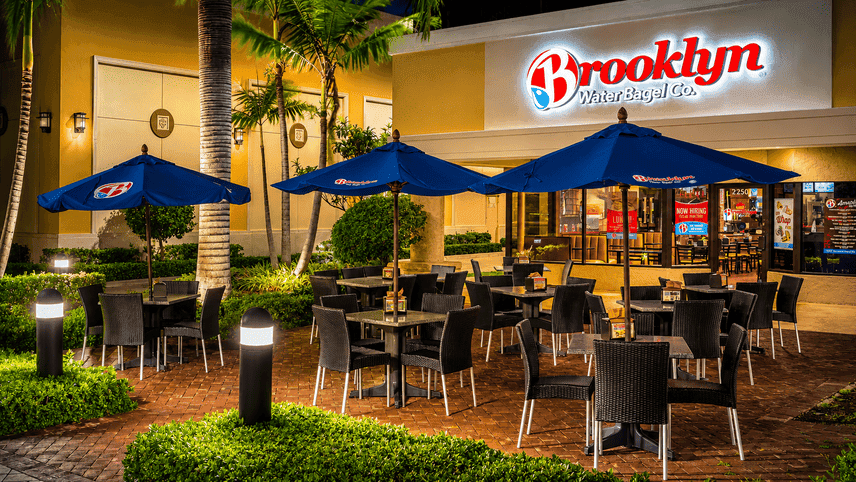
Brooklyn Water Bagel launches its first campus eatery at Nova Southeastern, signaling strategic growth and fresh potential for multi-unit operators seeking new market wins.
Sep 2, 2026
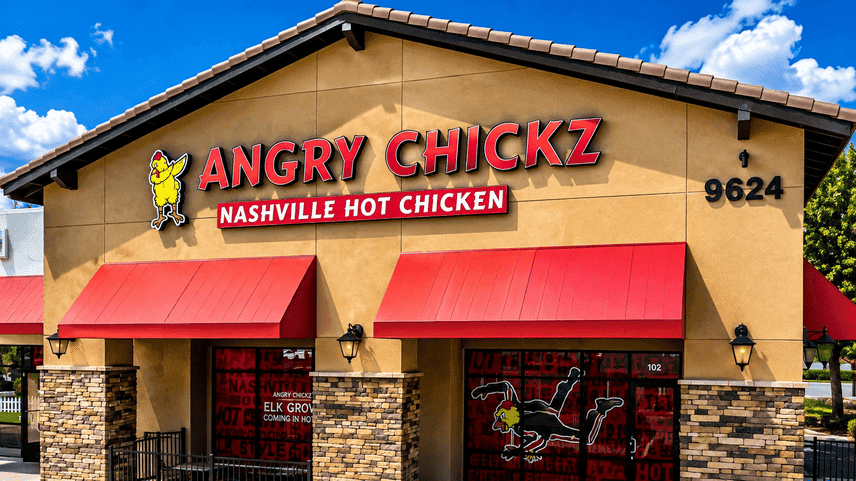
Angry Chickz enters Illinois with its signature hot chicken concept and ambitious plans for Midwest expansion, setting the stage for new franchise opportunities and community engagement.
Sep 2, 2026
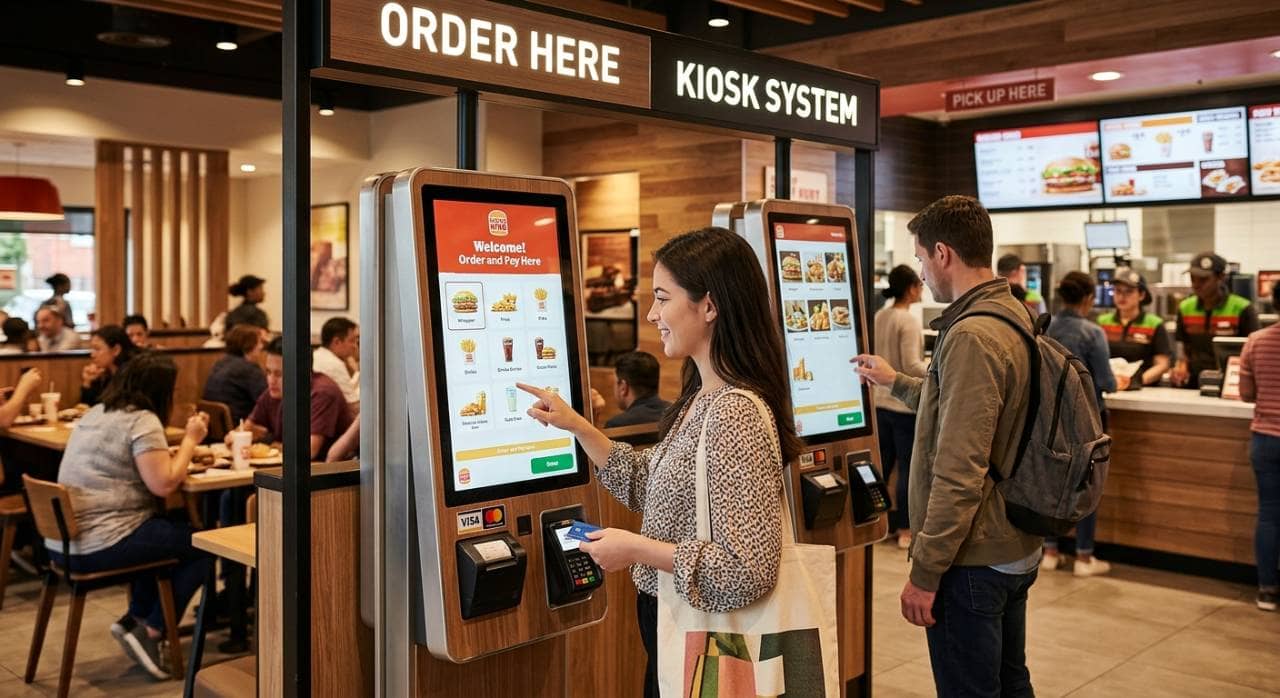
Understand how to evaluate a Kiosk system using key criteria including features, POS integration, hardware, pricing, customer experience, and support.
Aug 31, 2026

Explore restaurant technology trends in 2026, including AI, automation, digital ordering, workforce tools, connected kitchens, personalization, and profitability strategies today.
Aug 28, 2026
Learn how to calculate restaurant cost of goods using inventory, purchases, COGS percentage, variance reviews, and regular tracking for profitability.
Aug 31, 2026
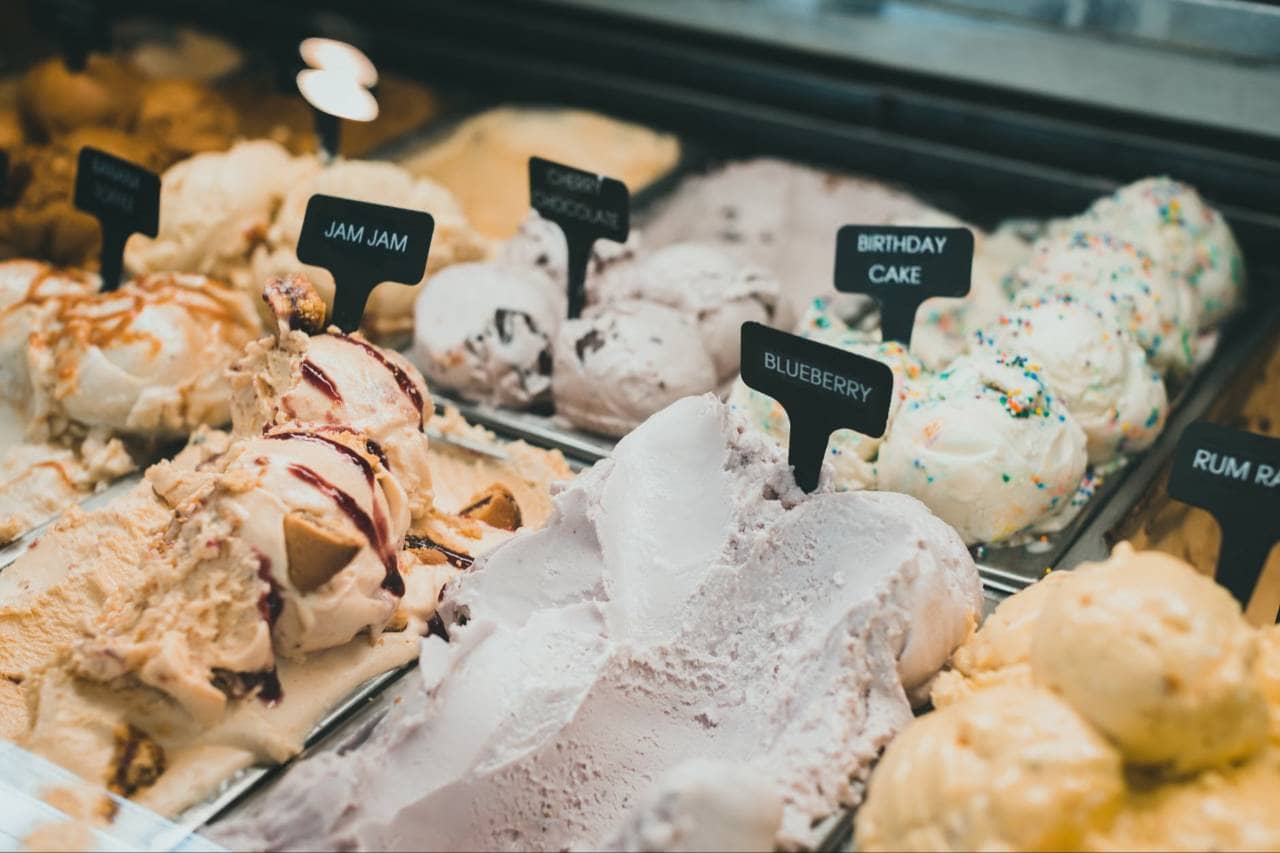
Learn the startup costs of opening an ice cream shop, including rent, equipment, renovations, permits, inventory, labor, marketing, and reserves.
Aug 28, 2026

A restaurant P&L statement reveals sales, expenses, and profits, helping owners manage costs, improve margins, and plan finances more effectively.
Aug 26, 2026

Unlock Exclusive Access To Webinars, Events, And The Latest News For Free!
Explore the impact of consumer spending trends on large fast-food chains and the role of value offerings in driving traffic and growth.

Photo by Annie Spratt
In the current economic landscape, maintaining flat spending growth is increasingly viewed as a positive outcome for large fast-food chains. As David Portalitan aptly puts it, 'Flat is the new up,' emphasizing the need for continuous effort just to retain existing levels. This shift in perspective highlights the challenges faced by industry giants in sustaining growth.
Photo by Annie Spratt
Value deals have emerged as key drivers of consumer behavior, with a notable impact on traffic patterns. Studies indicate that value deals, such as meal packages and discounts, have led to a significant increase in footfall, often exceeding 5%. Understanding the value perception of customers and their evolving satisfaction with price-to-value ratios is crucial in the current market.

Photo by Annie Spratt
Value remains a crucial factor shaping consumer choices in the restaurant space. While price plays a role, customers are increasingly valuing other aspects of the dining experience. Quality, unique offerings, exceptional service, and convenience are now pivotal factors influencing where consumers choose to spend their money.

Photo by Annie Spratt
Consumers are placing a premium on differentiated experiences when dining out. Craveable indulgences not easily replicated at home, personalized customer service, memorable experiences, and overall convenience are becoming significant differentiators for restaurants. Understanding and catering to these demands can set chains apart in a competitive market.

Photo by Annie Spratt
McDonald's continues to hold a significant share of the market, with an impressive 86% annual buyer penetration rate. The chain's ubiquitous presence and convenient locations make it a go-to choice for many consumers. This underscores the importance of accessibility and speed of service in attracting and retaining customers.

Photo by Annie Spratt
While some large chains experience stagnant growth, there are success stories of emerging brands making their mark. Chains like Dutch Bros, Raising Cane’s, and Wingstop have showcased remarkable increases in consumer spending, indicating resilience and adaptability in a competitive landscape. This diversity highlights the dynamic nature of the industry.