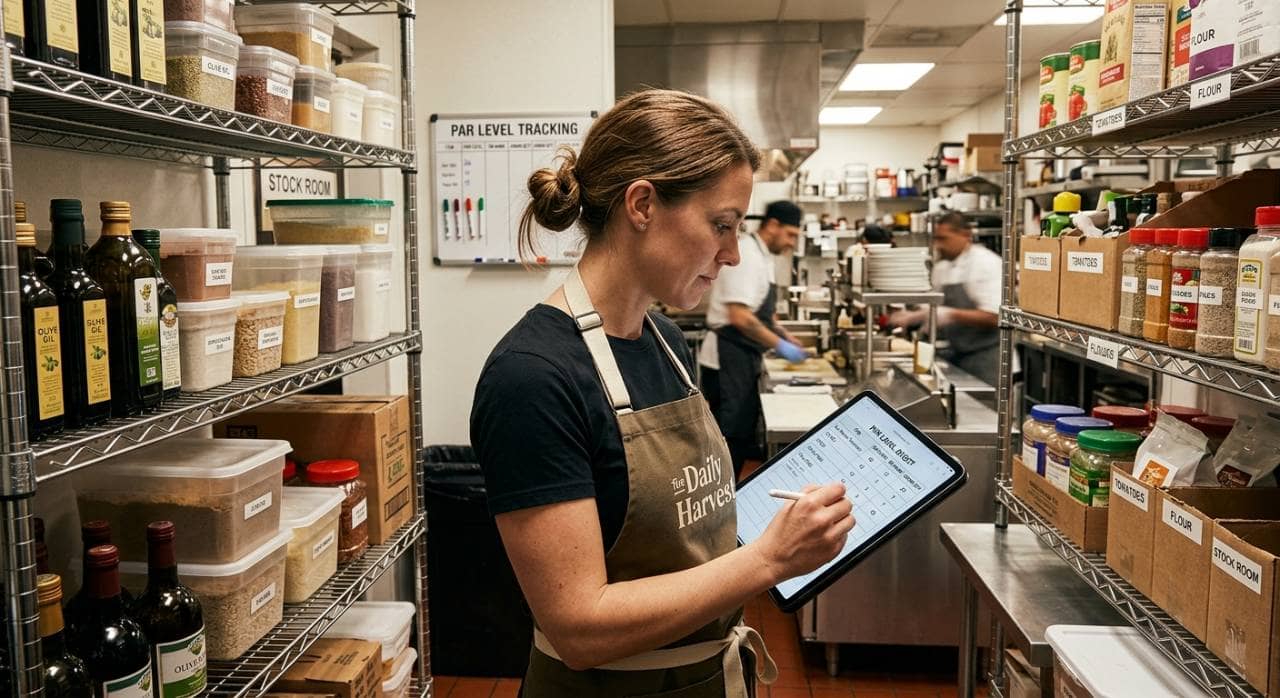
How to Set Par Levels for Restaurant Inventory
Learn to calculate par levels for restaurant food, beverages, and packaging inventory, preventing stockouts and waste through proper formulas.
Back Office
Sep 4, 2026
Learn to calculate par levels for restaurant food, beverages, and packaging inventory, preventing stockouts and waste through proper formulas.
Sep 4, 2026
Caribou Coffee appoints Zane Thomas-Rogers as Chief Operations Officer to strengthen execution across its expanding coffeehouse network.
Sep 4, 2026
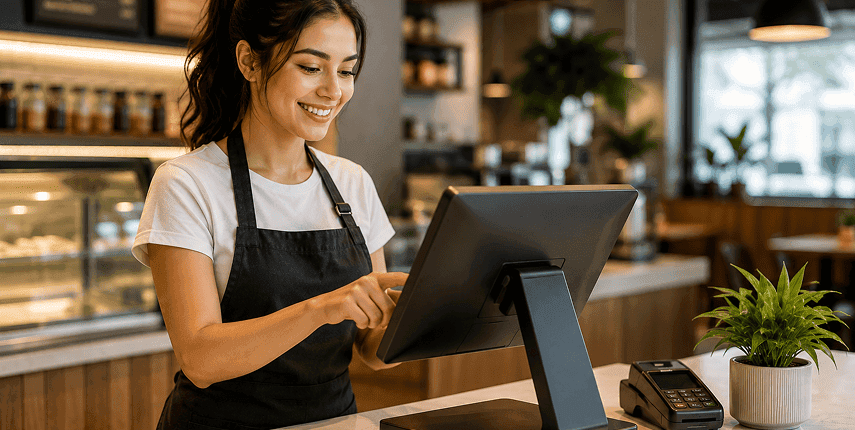
Compare the top 10 restaurant POS systems in the USA for 2026. Explore features, pricing, pros, cons, and the best POS options for every restaurant type.
Jul 1, 2026

Learn how to handle restaurant payroll yourself, from calculating hours and wages to managing tips, taxes, and final paychecks.
Sep 2, 2026
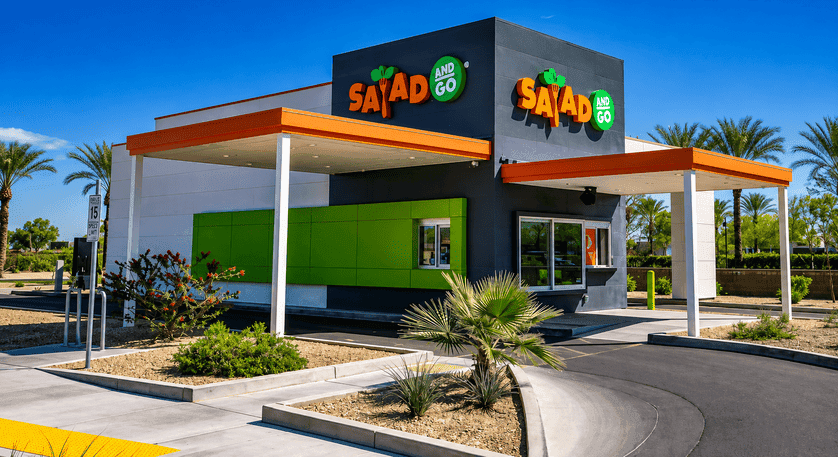
7 Brew has acquired 73 former Salad and Go locations, surpassing Dutch Bros with a $143M bid, signaling a major shift in the competitive landscape for drive-thru brands.
Sep 2, 2026
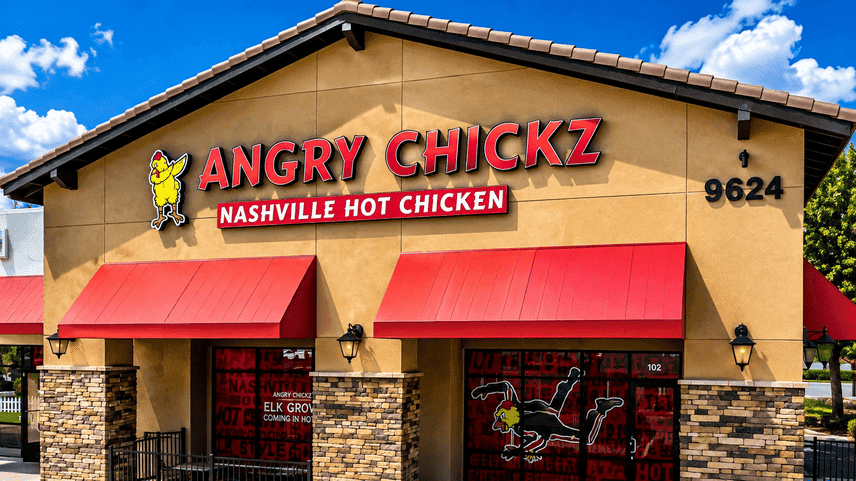
Angry Chickz enters Illinois with its signature hot chicken concept and ambitious plans for Midwest expansion, setting the stage for new franchise opportunities and community engagement.
Sep 2, 2026
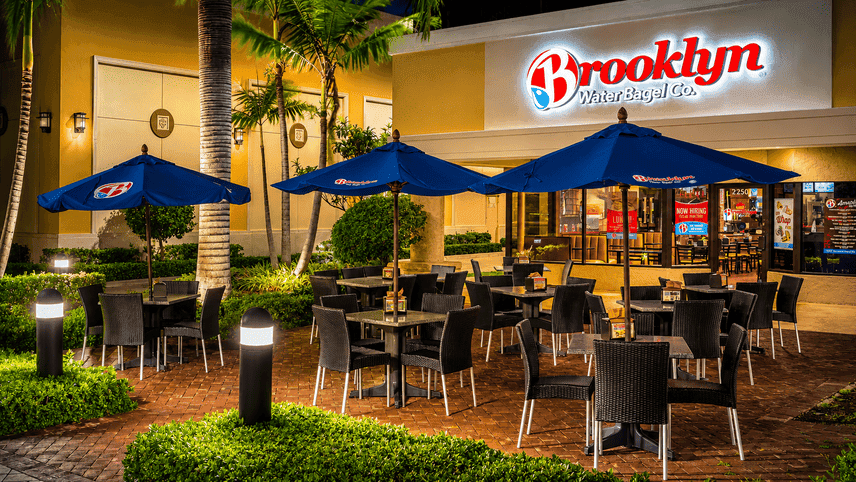
Brooklyn Water Bagel launches its first campus eatery at Nova Southeastern, signaling strategic growth and fresh potential for multi-unit operators seeking new market wins.
Sep 2, 2026
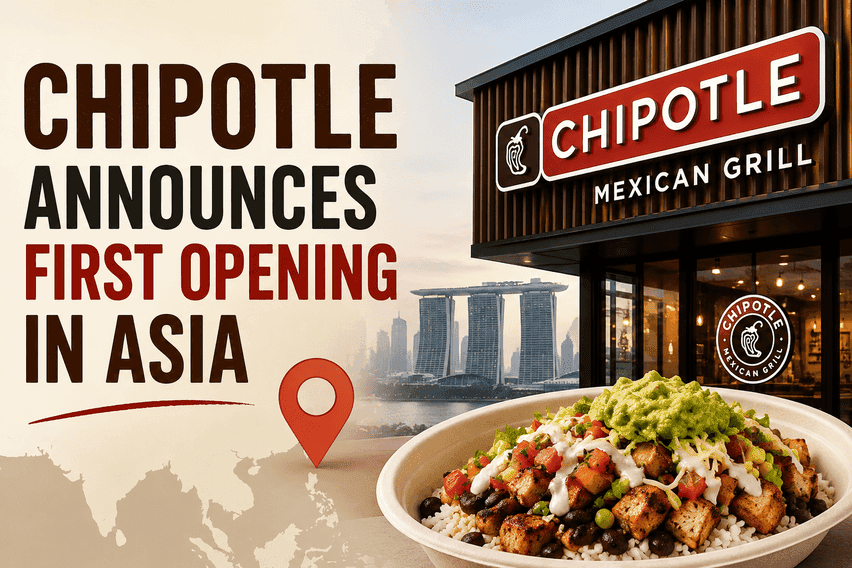
Chipotle makes its highly anticipated entry into Asia with a Seoul opening, partnering with Sangmidang Holdings and setting a template for future international growth.
Sep 2, 2026
Restaurant labor management helps owners optimize staffing, control labor costs, improve productivity, monitor overtime, and maintain efficient restaurant operations.
Sep 2, 2026
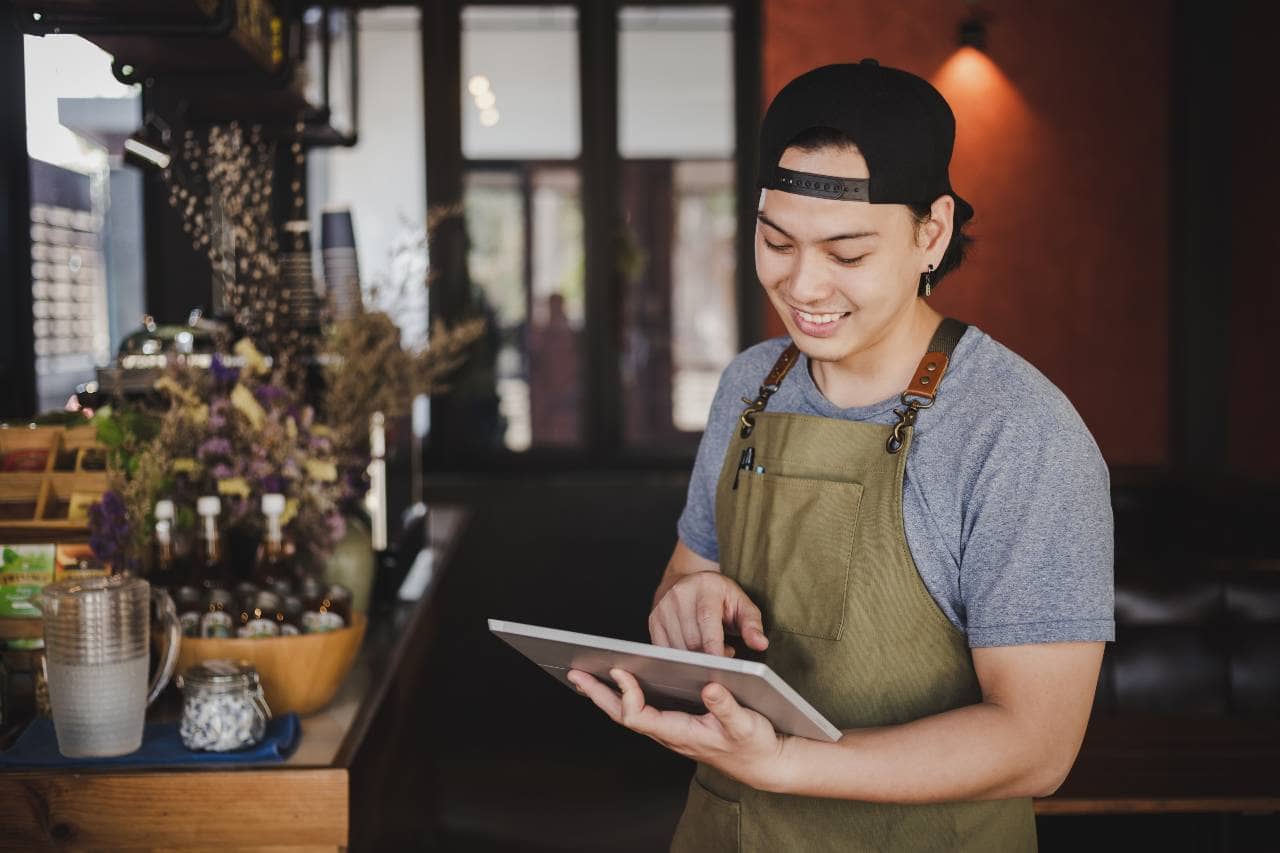
Explore restaurant technology trends in 2026, including AI, automation, digital ordering, workforce tools, connected kitchens, personalization, and profitability strategies today.
Aug 28, 2026

Unlock Exclusive Access To Webinars, Events, And The Latest News For Free!
Starbucks enlists Brian Niccol to accelerate speed, value, and experiential service, drawing on Chipotle playbooks to restore momentum.

Photo by Roman Denisenko
On a quiet morning, a new page opens in a familiar café universe: leadership shifts arrive like seasonal menus, inviting us to linger and listen. Brian Niccol has been named chairman and chief executive of Starbucks, with his start set for September 9, 2024, a date that feels less like a deadline and more like a signal to slow down enough to hear the rhythms that once defined the coffeehouse ritual. Niccol arrives as a seasoned fast‑food operator, celebrated for steering Chipotle through its crisis‑to‑comeback. Analysts describe him as someone who understands the tempo of fast‑service workplaces, a quality many believe Starbucks needs to reanchor guest experience and daily momentum. The board’s aim is plain: rewire operations, sharpen hospitality at the counter, and restore momentum at scale. The stage is set, and the next pages reveal how they plan to move from talk to tangible rhythm:
Niccol’s appointment is framed as part of a broader effort to reform operations and strategy. Neil Saunders of GlobalData Retail describes him as possessing “an instinctive understanding of how fast foodservice operates,” a trait many see as critical for Starbucks’ renaissance. In parallel, former Starbucks chief Howard Schultz publicly urged the brand to shift toward delivering an “experiential, not transactional” customer experience, prescriptions many tie to Niccol's track record at Chipotle. Together, these developments set the stage for a leadership transition designed to rewire operations, refocus on guest experience, and restore momentum at scale. CNBC coverage frames the move as part of a broader effort to reform the company's operations and strategy.
Why now for a brand that has long strutted through city streets with a familiar glow? The push to install Niccol arrives as Starbucks faces a tough blend of headwinds: traffic has lagged, and a growing chorus of customers reports that mobile orders can lengthen the moment you step inside rather than shorten it. Reuters and AP coverage in 2024 highlighted sagging store traffic and mixed quarterly results, underscoring the urgency to stabilize both the journey and the tempo at the front of the house. In a May 2024 LinkedIn post, Howard Schultz argued that leaders should focus on coffee and in‑store experiences, reinforcing the theme that the brand’s strength lies in more than pricing. The practical aim is to rebuild trust by delivering faster service, clearer value, and a more distinctive cafe environment, not merely chasing discounts.
Industry observers have stressed that lowering prices alone won’t restore growth; rather, the emphasis is on improving the cafe experience, alongside better food quality and faster service, executed at scale. The company has leaned into the Siren Craft System as a cornerstone of this effort, a set of operational adjustments designed to help baristas assemble drinks more quickly while keeping quality lanes open. Taken together, leadership and process bets point to a careful recalibration of pace, personality, and performance, an aim that invites customers to notice the difference without feeling hurried.
Speed and craft become the two rails of Starbucks’ modernization. At Chipotle, drive‑thru pickup lanes, often branded Chipotlanes, helped convert digital orders into real‑world traffic, proving that faster fulfillment can lift volumes without sacrificing flavor. Now, at Starbucks, the plan mirrors that logic: shorten order cycles while preserving the in‑person ritual. The Siren Craft System sits at the center of this upgrade, a suite of adjustments designed to help baristas assemble drinks swiftly and consistently. The broader lesson many analysts point to is that digital ordering, in‑store throughput, and frontline labor must move in lockstep to deliver a smoother guest experience at scale.
Together, these elements signal a broader industry shift: align the speed of digital ordering with the tempo of the café floor, and let frontline teams breathe easier. By redefining how orders flow from screen to server to cup, Starbucks hopes to turn faster service into real value, without eroding the warmth that makes a visit feel like coming home. The aim isn’t to rush a moment but to restore trust that when a guest places an order, the result arrives with both speed and care.

Analysts and observers frame Niccol’s arrival as potentially pivotal for Starbucks. Neil Saunders, GlobalData Retail, calls him someone with “an instinctive understanding of how fast foodservice operates.” That instinct, many say, could be the hinge that keeps the brand’s momentum from slipping again. On the other side, Dipanjan Chatterjee of Forrester argues that the core customer base will respond positively to a refined value proposition, “making the brand much more desirable at relatively higher price points”, when paired with stronger food quality and a faster, more reliable cafe experience. Shep Hyken, a CX expert, adds another layer: if a mobile order fails, trust can still be won back through dependable in‑store execution. The takeaway is clear: reliability across digital and in‑store moments will determine whether momentum translates into repeat visits.
The discussion also circles back to Chipotle’s revival playbook: aggressive digital‑to‑in‑store conversion tactics, investments in automation, and rigorous staff training designed to sustain pace during peak hours. In this light, Niccol’s challenge is not just to speed up service but to fuse speed with quality and a human touch, a balance that can turn a busy café into a welcoming pause in a busy day.

Despite a clear strategic direction, several uncertainties shadow the near term. While Niccol’s background suggests an ability to navigate crisis and scale operations, industry observers caution that meaningful transformation will unfold gradually across tens of thousands of stores. Analysts warn that price competition alone won’t restore growth; value must be reinforced through food quality, cafe ambiance, and dependable service. The Siren Craft System’s broader rollout has been subject to recalibration in some markets, reflecting a balancing act between automation and workforce scheduling, a potential bottleneck if not managed with care. The competitive landscape continues to evolve, with shifts toward speed, personalization, and convenience. Taken together, the path to a durable Starbucks resurgence remains ambitious, with the potential for incremental gains to compound but with the risk that expectations outpace execution in the short term.
Even so, the narrative points to a disciplined practice: invest in speed where it matters, protect the ritual of a warm cup and a friendly hello, and grow with care. If the plan sticks to pace, quality, and hospitality, the brand could bend the curve toward steadier traffic and healthier margins, without surrendering the human connection that has long defined its appeal.
Industry implications rise from Starbucks’ renewed focus on speed, value, and experiential service. If Niccol can translate Chipotle’s crisis‑to‑comeback playbook into the coffeehouse world, it could reshape expectations for premium‑priced brands in a crowded retail landscape. Leadership transitions, when paired with programs like the Siren Craft System and a disciplined store culture, reveal how intent and frontline reality must align for a true revival. For observers, this case offers a framework: experience and efficiency do not have to cancel each other out in the age of mobile commerce and social‑driven expectations.
Above all, the quiet, patient aspiration remains: to reestablish Starbucks as a trusted, experiential hub, an inviting place to sip, linger, and talk. If the transformation lands with care, the café that feels designed for lingering conversations can wake again in every city, at every hour, with a pace that makes people feel cared for. The journey may be long, but the memory of ease, warmth, and welcome can guide it home.