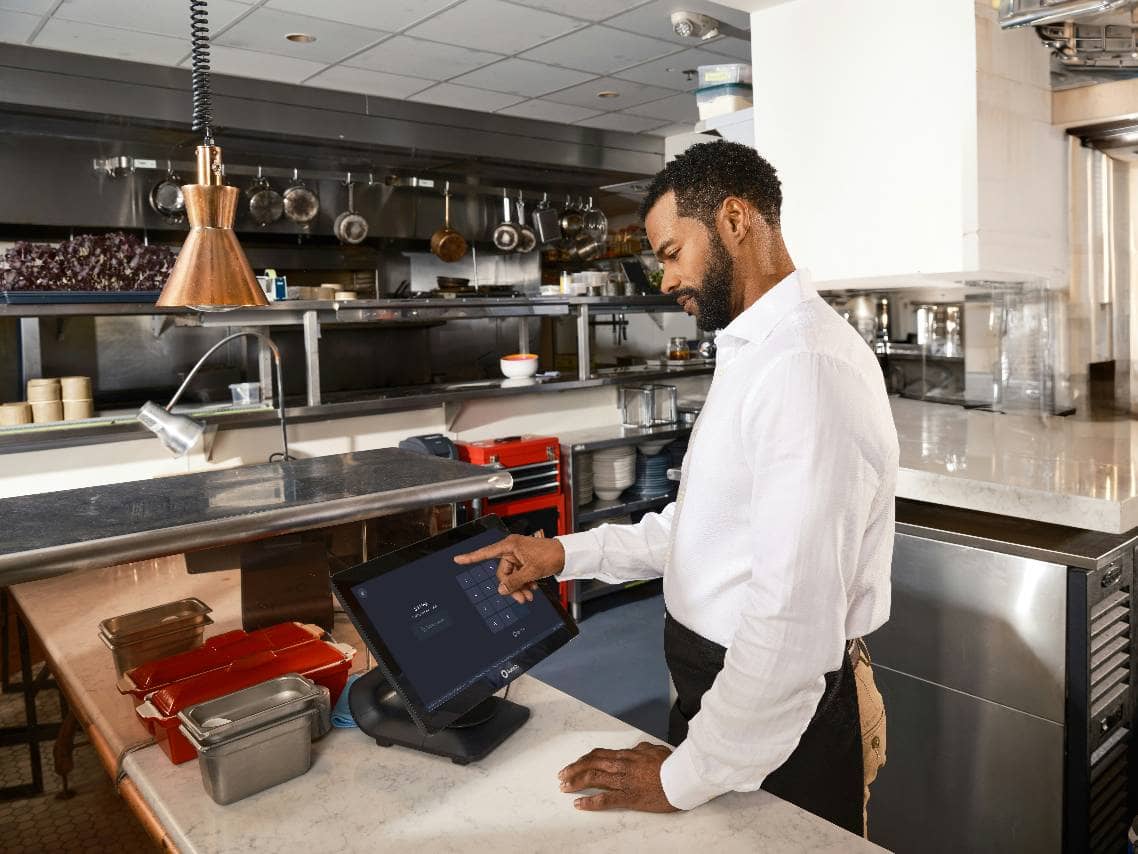
The Benefits of Scheduling Software for Restaurants
Scheduling software helps restaurants save time, control labor costs, improve communication, prevent conflicts, support compliance, and make smarter staffing decisions.
Technology
Aug 5, 2026
Scheduling software helps restaurants save time, control labor costs, improve communication, prevent conflicts, support compliance, and make smarter staffing decisions.
Aug 5, 2026
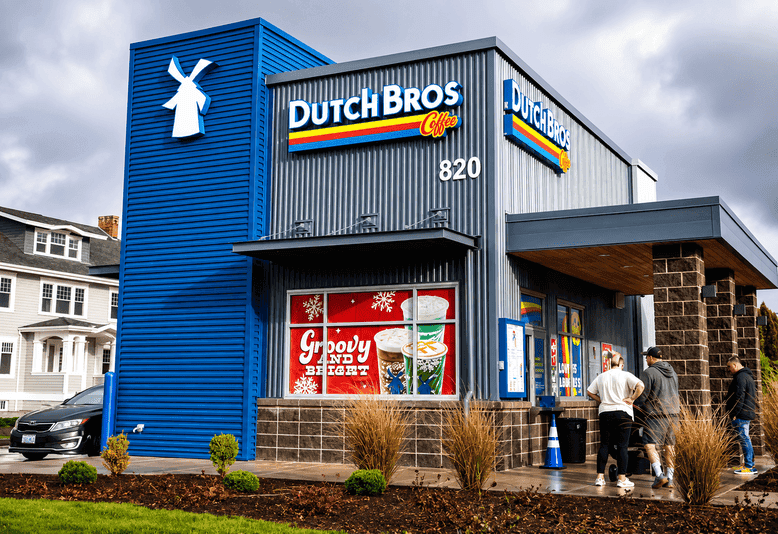
Dutch Bros invests $105 million to acquire Salad and Go’s closed locations, targeting rapid expansion in key southern markets. Learn what this means for multi-unit restaurant owners and operators.
Aug 6, 2026
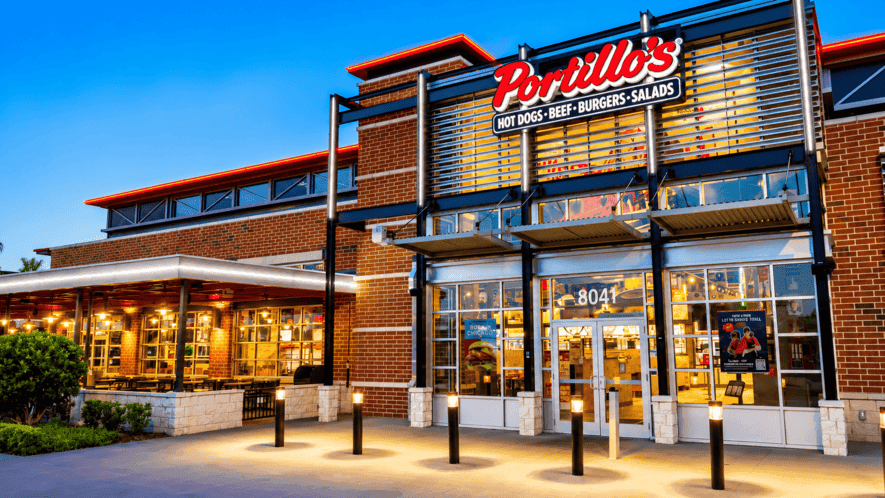
Portillo’s trims corporate and field roles by 18% in a strategic shake-up to support future growth after soft traffic and sales. Read what this means for multi-unit operators.
Aug 6, 2026
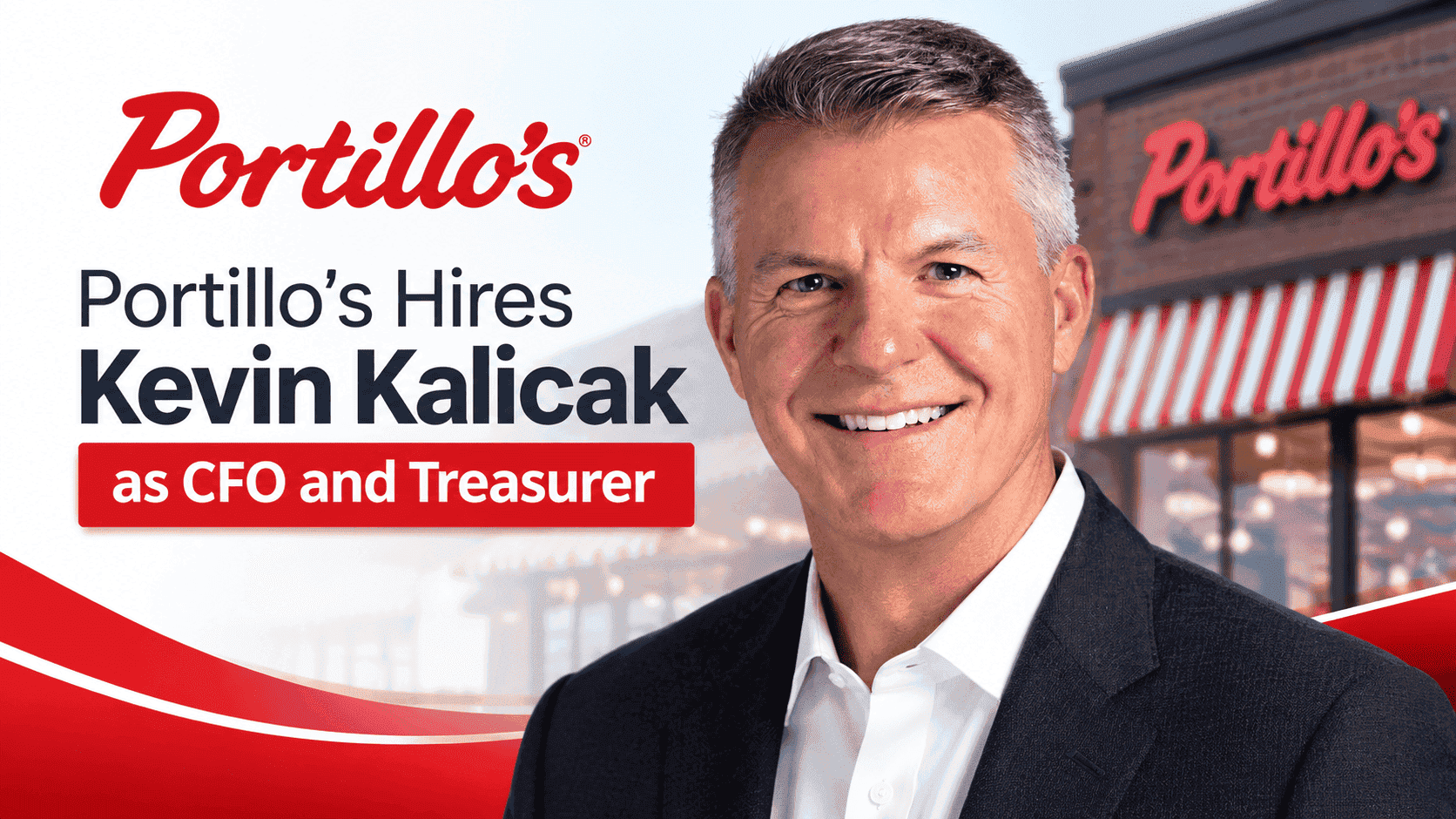
Portillo’s announces industry veteran Kevin Kalicak as its new CFO and Treasurer, underscoring the brand’s growth strategy and financial vision.
Aug 5, 2026
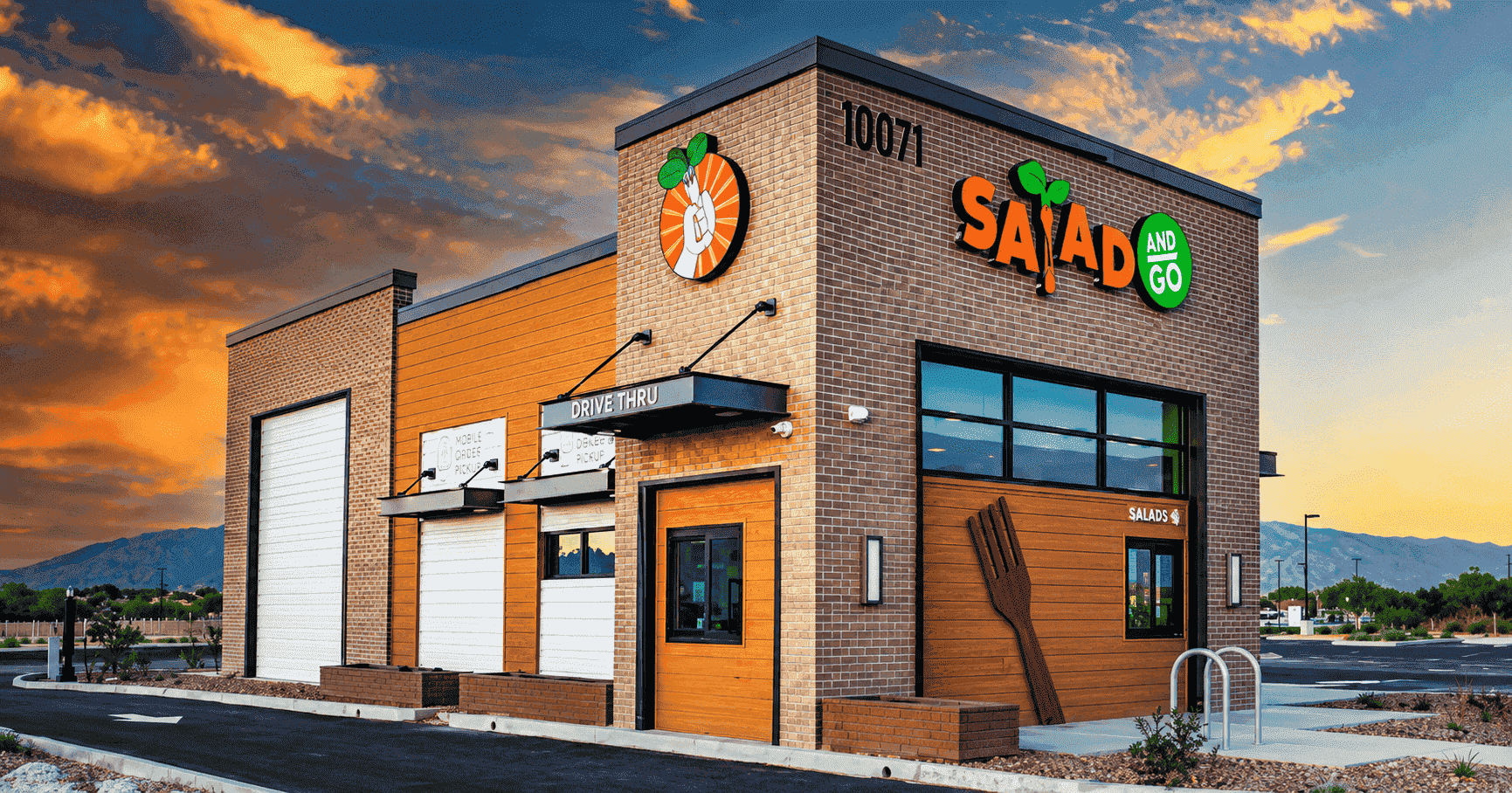
Salad and Go's bankruptcy and closure offer key lessons on growth, risk management, and market dynamics for restaurant leaders. See what every operator can learn.
Aug 5, 2026

Learn how to calculate prime cost, track food and labor expenses, measure percentages, identify problems, and improve restaurant profitability consistently.
Aug 5, 2026
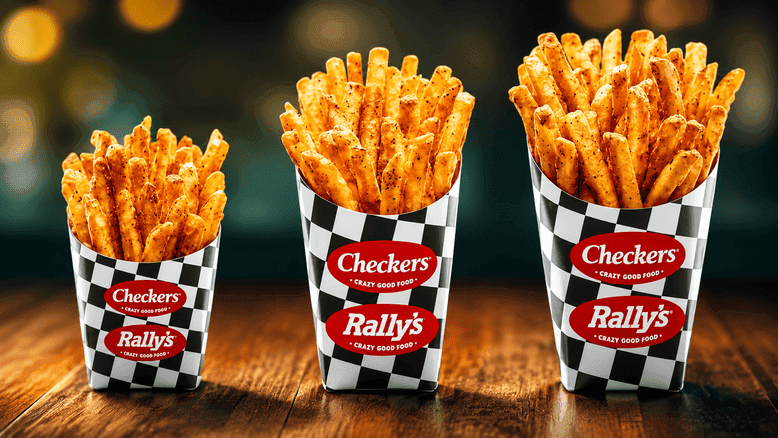
Checkers & Rally’s welcomes Peter Busse as Chief Development Officer, signaling a new era of strategic expansion and franchise support for the quick-service brand.
Aug 4, 2026
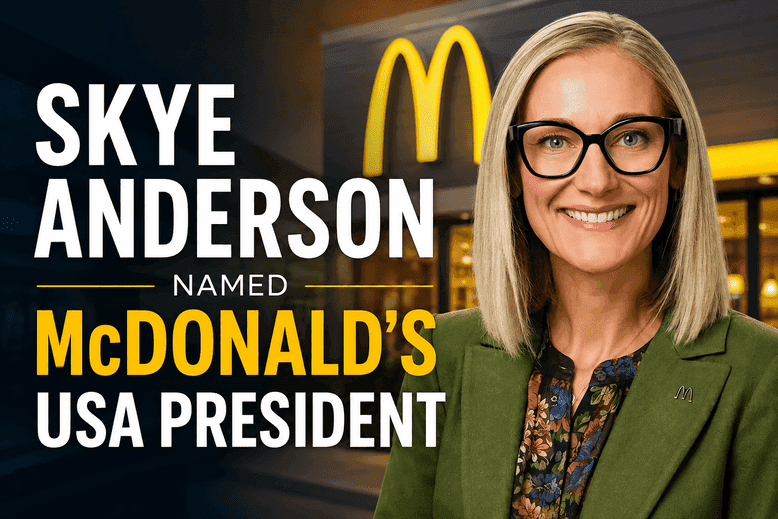
Skye Anderson will lead McDonald's USA as its new president, stepping in to accelerate growth and revive sales. Learn how her leadership could shape the future of the restaurant industry.
Aug 4, 2026
Dave & Buster’s announces Tarun Lal’s retirement as CEO, welcoming Darin Harper to the helm as the brand continues its Back-to-Basics strategy and growth initiatives.
Aug 4, 2026
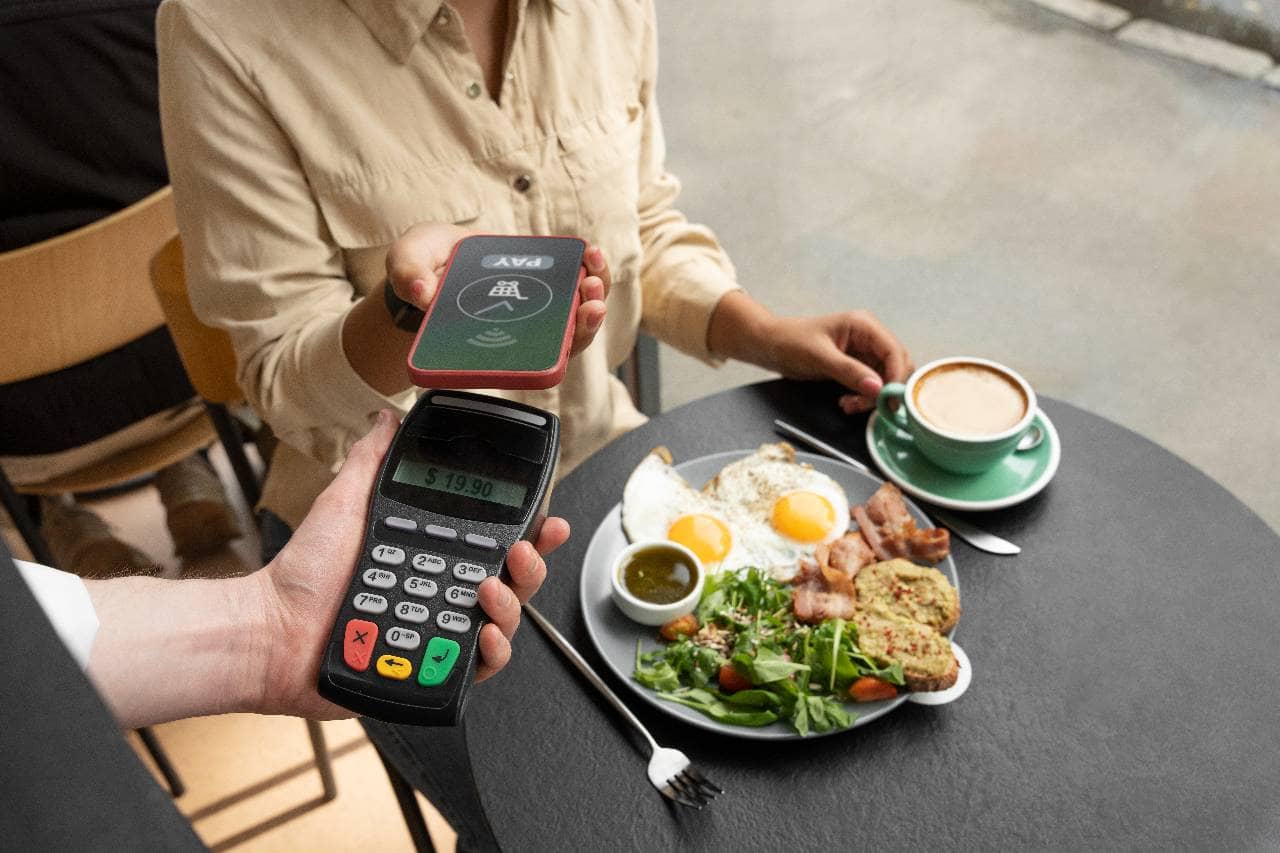
Explore restaurant payment processing and learn how payments are authorized, settled, secured, reconciled, refunded, disputed, and deposited into business accounts.
Aug 3, 2026
Explore how Jack in the Box is optimizing operations, enhancing growth strategies, and securing franchise deals to navigate through challenging times.

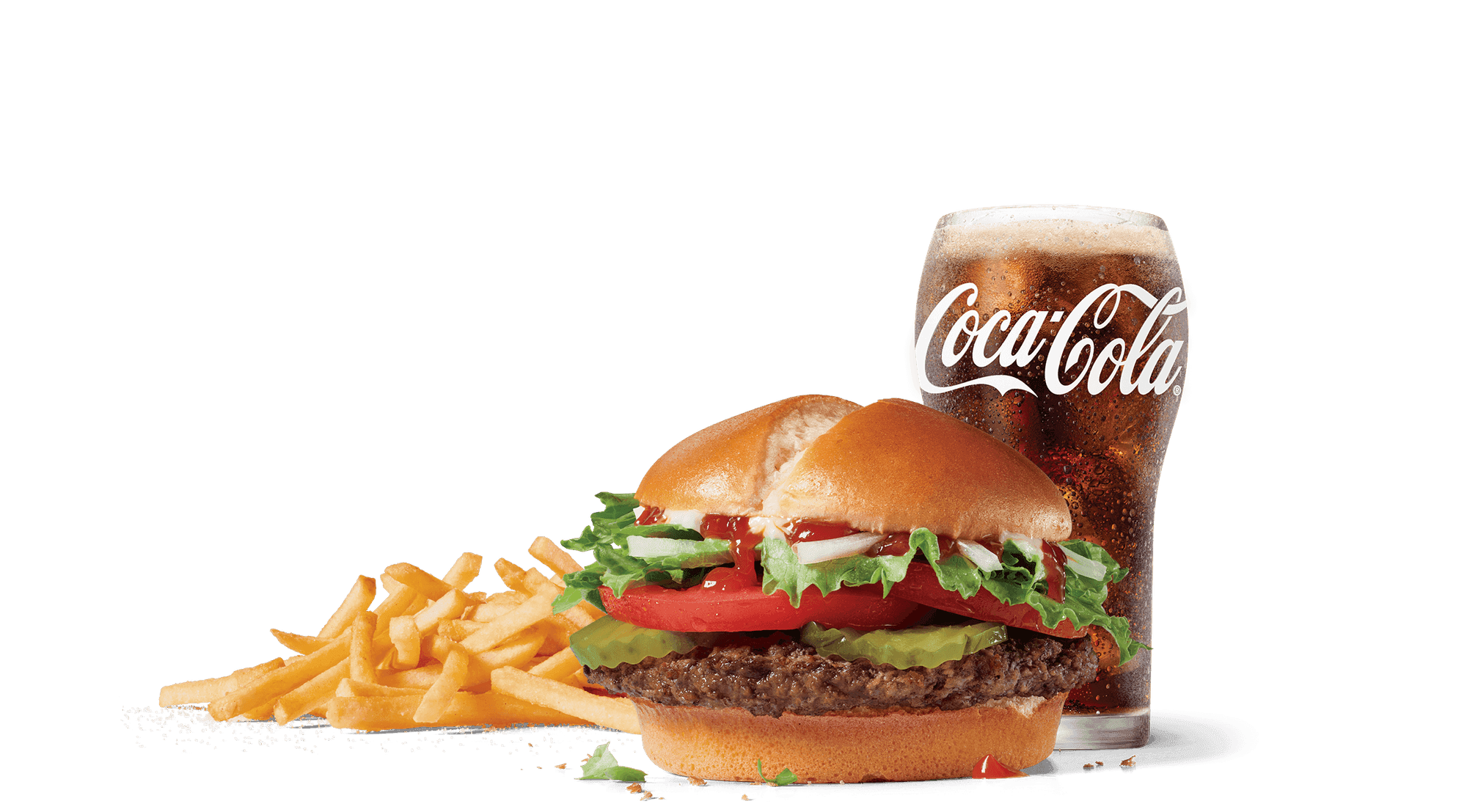
Jack in the Box's decision to close a substantial number of stores, many of which have been in their system for over 30 years, is a strategic move aimed at paving the way for future unit growth. By consolidating their operations and optimizing store locations, the company is streamlining its resources to focus on more profitable ventures. This restructuring aligns with the company's vision of delivering consistent and positive net unit growth in the coming years.
While trimming spending on company-owned restaurant development may appear as a setback, Jack in the Box is adapting its development strategies to prioritize existing restaurant updates over new openings. This shift in focus indicates a commitment to enhancing customer experience and operational efficiency in established locations before embarking on new expansions. It showcases a prudent approach to sustaining growth and ensuring long-term success.
The decision to pull back on expansion plans following the store closures underscores the brand's responsiveness to market conditions and financial considerations. Despite this adjustment, Jack in the Box remains resilient and forward-thinking. By strategically reevaluating their expansion initiatives and focusing on emerging markets that offer whitespace opportunities, the company aims to lay a foundation for sustainable growth in the future.
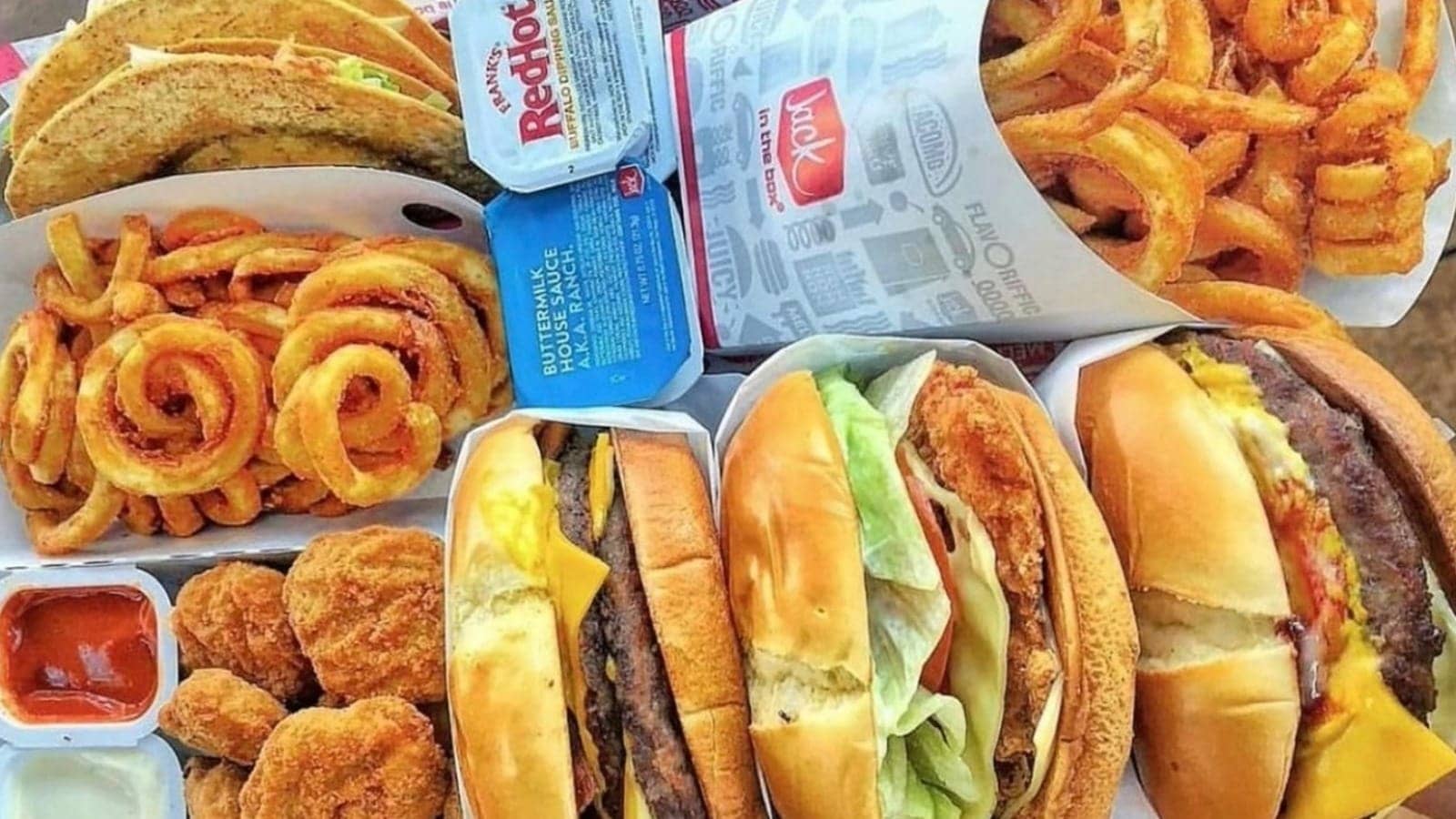
Jack in the Box's success in securing major franchisee deals highlights the effectiveness of its franchising program relaunch. By partnering with franchisees for multi-market expansions, the company is leveraging external resources and expertise to drive growth and market penetration. These franchise agreements not only expand the brand's footprint but also distribute operational responsibilities, allowing Jack in the Box to concentrate on core strategies and innovations.
In a bid to strengthen its financial position, Jack in the Box is selling off unspecified real estate holdings to improve cash flow and reduce debt. This strategic move aims to enhance liquidity and create additional room for investment in key growth areas. By optimizing its real estate portfolio, the company is bolstering its financial resilience and ensuring a more sustainable financial structure for future endeavors.
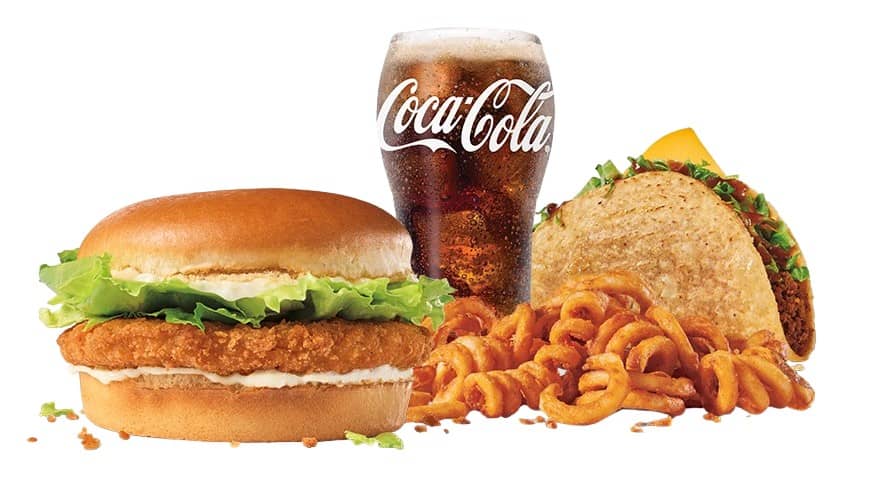
The disclosure of a drop in same-store sales for Jack in the Box and Del Taco underscores the challenging operating environment faced by the company. Despite these hurdles, Jack in the Box's proactive measures, including store closures and operational adjustments, demonstrate resilience and adaptability in the face of adversity. The company's ability to assess performance transparently and make strategic decisions reflects its commitment to long-term success and sustainability.