
Restaurant Technology Trends in 2026
Explore restaurant technology trends in 2026, including AI, automation, digital ordering, workforce tools, connected kitchens, personalization, and profitability strategies today.
Technology
Aug 28, 2026
Explore restaurant technology trends in 2026, including AI, automation, digital ordering, workforce tools, connected kitchens, personalization, and profitability strategies today.
Aug 28, 2026
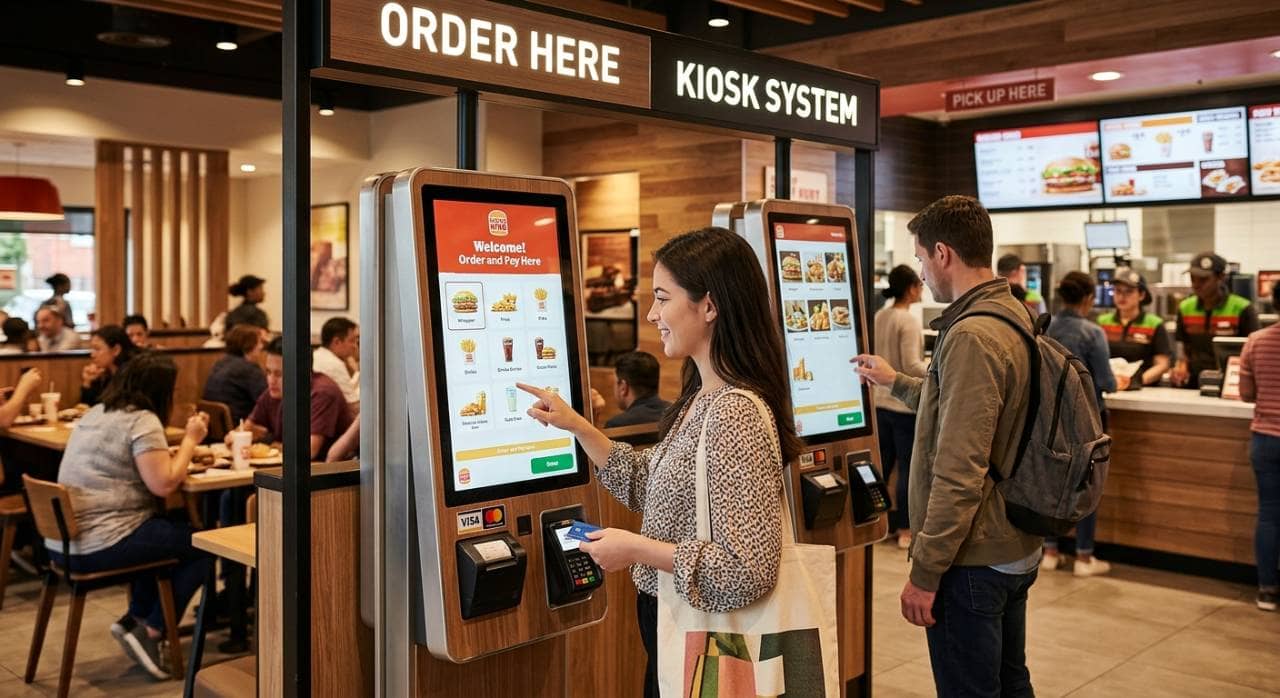
Understand how to evaluate a Kiosk system using key criteria including features, POS integration, hardware, pricing, customer experience, and support.
Aug 31, 2026
Learn how to calculate restaurant cost of goods using inventory, purchases, COGS percentage, variance reviews, and regular tracking for profitability.
Aug 31, 2026
Learn the startup costs of opening an ice cream shop, including rent, equipment, renovations, permits, inventory, labor, marketing, and reserves.
Aug 28, 2026
Learn practical ways to reduce labour costs through smarter scheduling, forecasting, productivity, cross-training, automation, overtime control, and performance monitoring strategies.
Aug 26, 2026

A restaurant P&L statement reveals sales, expenses, and profits, helping owners manage costs, improve margins, and plan finances more effectively.
Aug 26, 2026
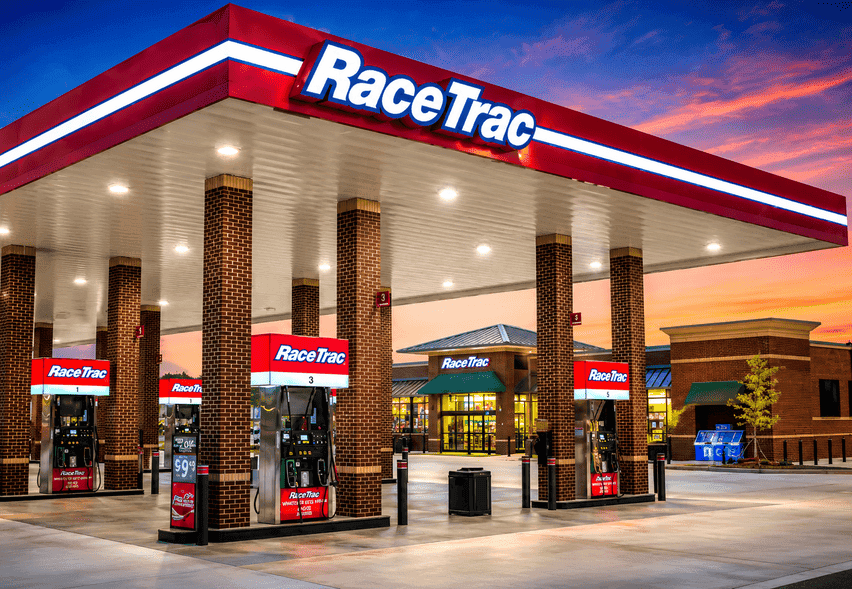
RaceTrac has appointed Jill Pemberton as chief financial officer, succeeding Karla Ahlert, who moves into the newly created role of chief administrative officer.
Aug 26, 2026

Create a practical restaurant marketing plan by setting goals, targeting customers, choosing channels, budgeting wisely, scheduling campaigns, and measuring results.
Aug 24, 2026
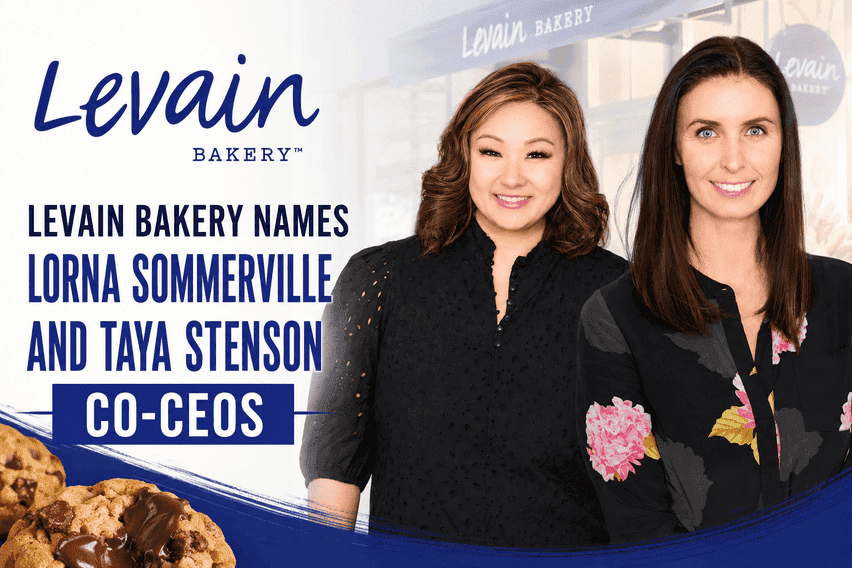
Levain Bakery appoints Lorna Sommerville and Taya Stenson as co-CEOs, blending operational and marketing expertise to power national expansion and innovation while staying rooted in its brand values.
Aug 25, 2026
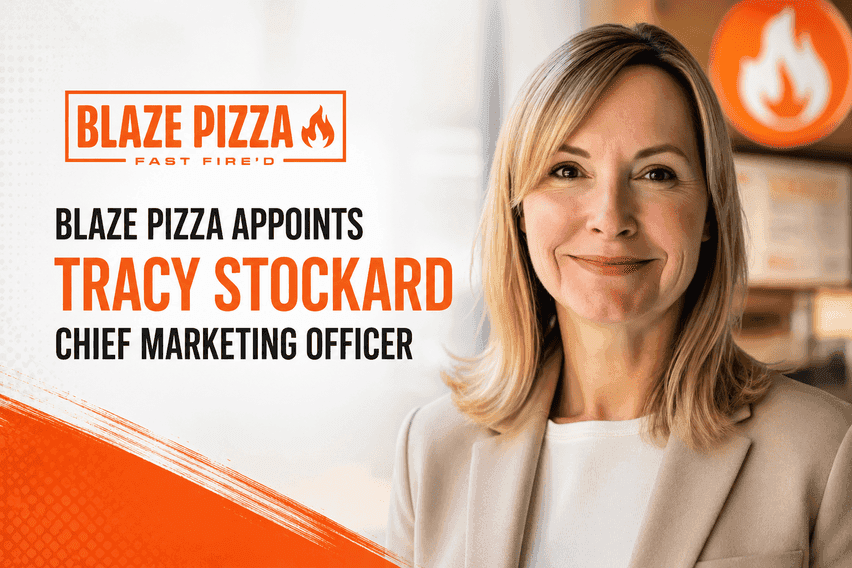
Blaze Pizza welcomes Tracy Stockard as Chief Marketing Officer, bringing decades of brand and franchise experience to drive strategic growth and guest engagement.
Aug 25, 2026

Unlock Exclusive Access To Webinars, Events, And The Latest News For Free!
Exploring how Noodles & Company is optimizing operations through strategic options and franchise growth amidst challenges.
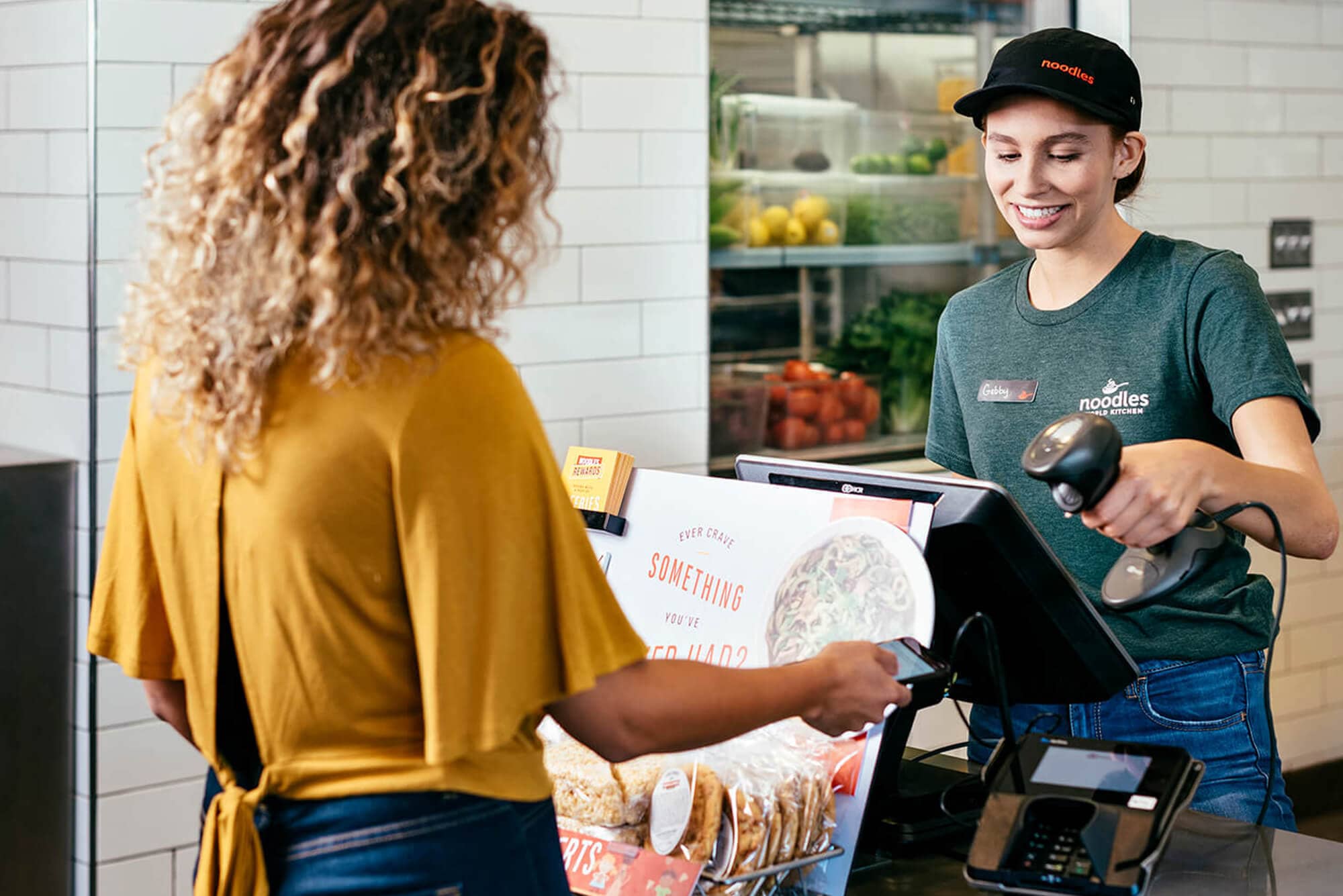
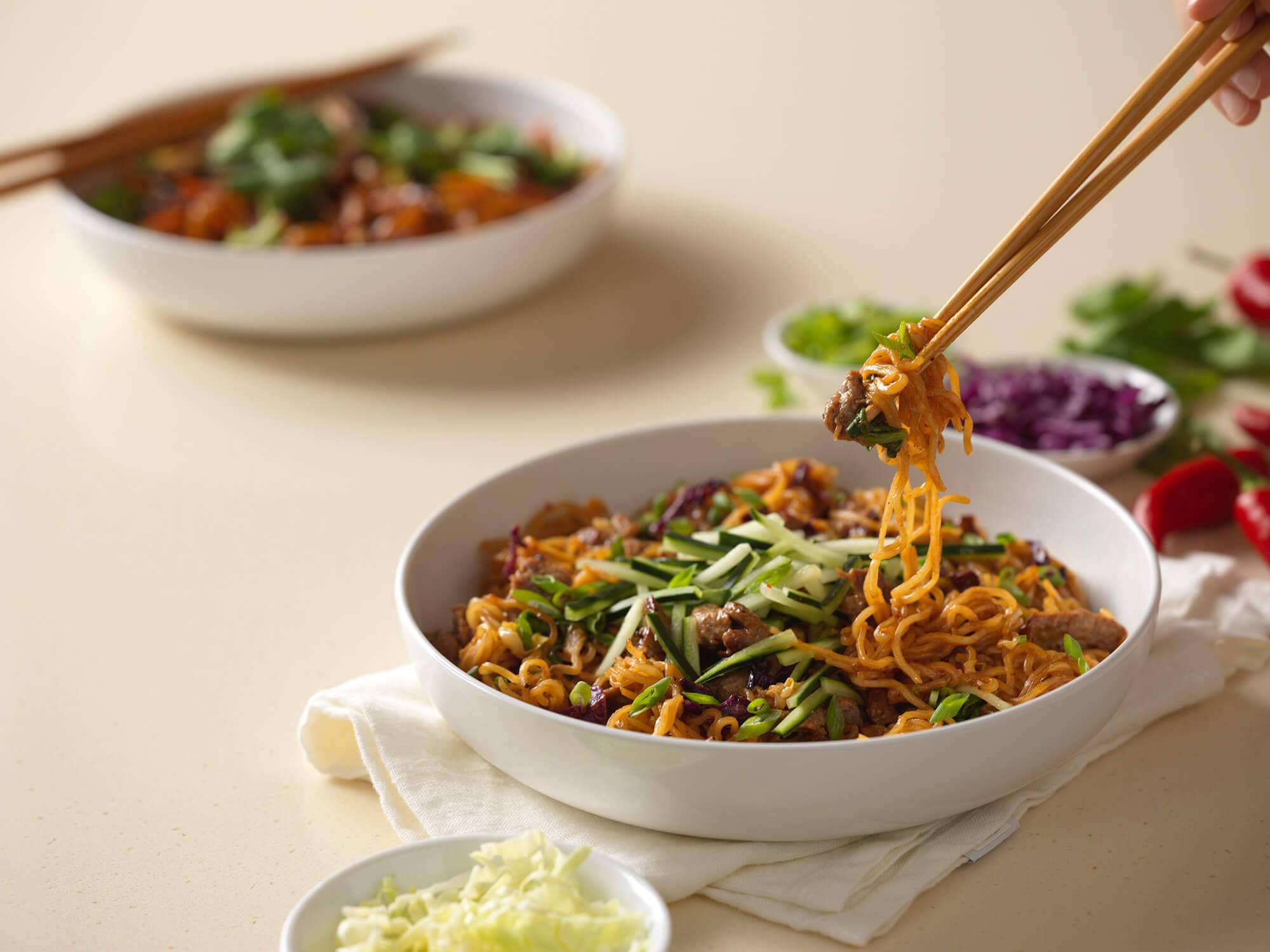
Noodles & Company, under the leadership of President and CEO Joe Christina, is proactively evaluating strategic options to enhance the brand's value and better serve its shareholders. Considering the evolving consumer preferences and competitive landscape, the company's recent menu transformation and introduction of the Delicious Duos platform showcase a commitment to offering appealing choices to customers at a competitive price point.
With a focus on operational efficiency, Noodles & Company has initiated a review of its restaurant portfolio. The decision to close underperforming company-owned restaurants demonstrates a strategic move to optimize resources and improve overall performance. By consolidating operations and effectively managing its portfolio, the company aims to strengthen its financial position and sustain long-term growth.
Amidst the closures of company-owned units, Noodles & Company is actively pursuing franchise growth as a key element of its operational strategy. By attracting multi-unit franchisees and considering refranchising options, the company is aligning itself towards an asset-light business model. The focus on franchisee expansion aims to leverage the success of both company-owned and franchised units to drive sustained growth and brand presence.
Despite operational improvements and strategic initiatives, Noodles & Company has encountered challenges in the stock market with fluctuations in stock prices. The company's recent experiences with potential delisting highlight the importance of aligning operational performance with investor expectations. As the brand continues to evolve its operational strategies, addressing stock market concerns will be crucial for maintaining investor confidence and market stability.
As Noodles & Company moves forward, the ongoing strategic alternatives review process underscores the brand's commitment to adaptive decision-making and value creation. By remaining agile in exploring various strategic options, the company aims to position itself for sustained success amidst market challenges and changing consumer demands.