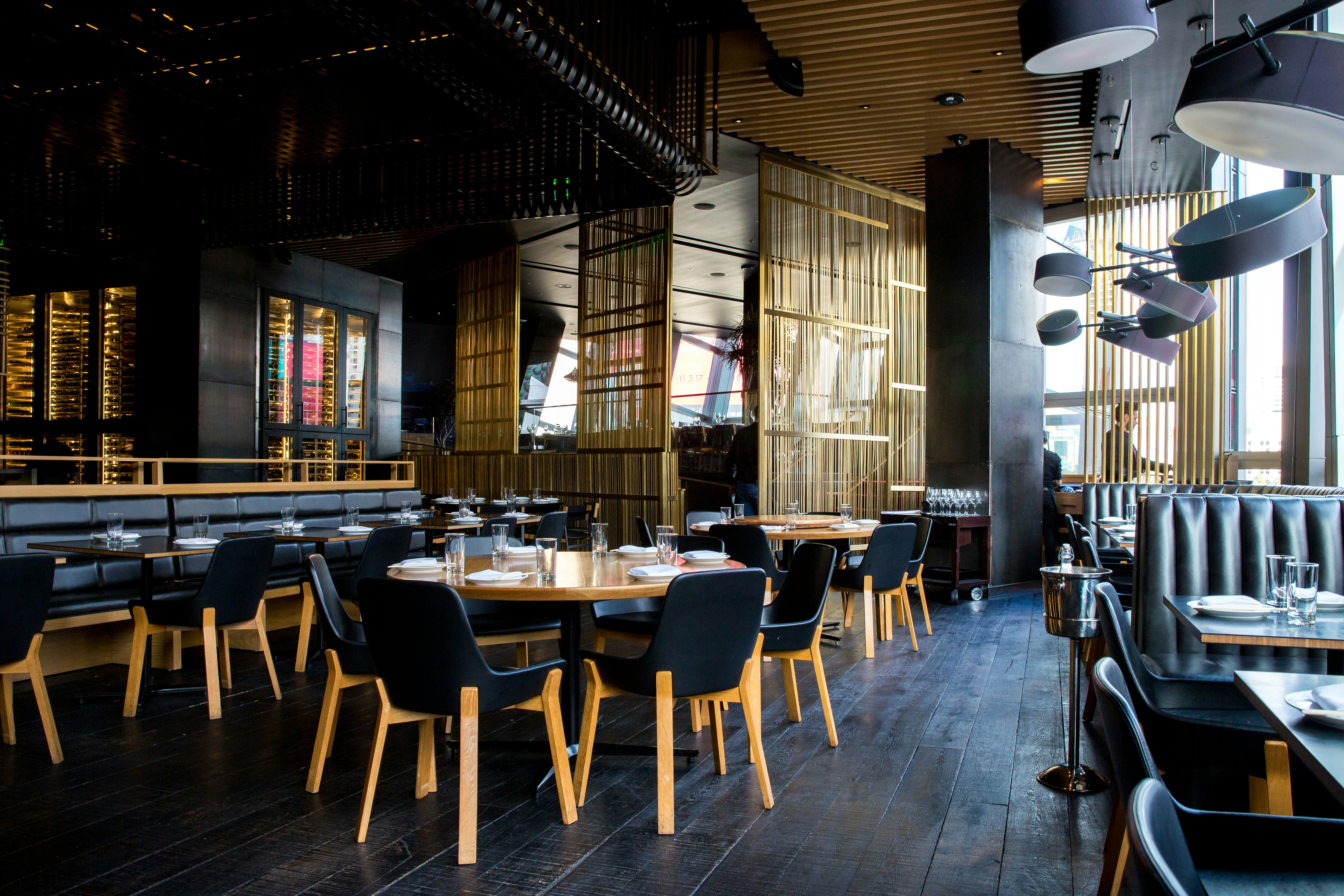
Photo by Jason Leung on Unsplash
Darden Bets Tex-Mex Future: Chuy’s Buy
Darden completes an all-cash $605 million acquisition of Chuy's, signaling a strategic push into Tex-Mex within a growing multi-brand platform.
News
Apr 20, 2026
Photo by Jason Leung on Unsplash
Darden completes an all-cash $605 million acquisition of Chuy's, signaling a strategic push into Tex-Mex within a growing multi-brand platform.
Apr 20, 2026

Photo by Patrick Perkins on Unsplash
Tacodeli revives its daily specials for a 25th anniversary, pairing five weekday tacos with weekend ceviche while expanding across Texas with Doña salsa retail.
Apr 20, 2026

Photo by Geoffrey Moffett on Unsplash
Callaway completes the majority sale of Topgolf to Leonard Green, rebrands as CALY, and tightens the balance sheet to focus on core golf gear.
Apr 20, 2026

Photo by Sergio Zhukov on Unsplash
A cascade of leadership moves across major restaurant brands signals strategic intent, capital discipline, and broader diversity in the industry.
Apr 20, 2026

Photo by Zoshua Colah on Unsplash
Yum Brands scales AI at drive-thru across Taco Bell and beyond, aiming for faster, more accurate orders, friendlier service, and better profitability.
Apr 20, 2026
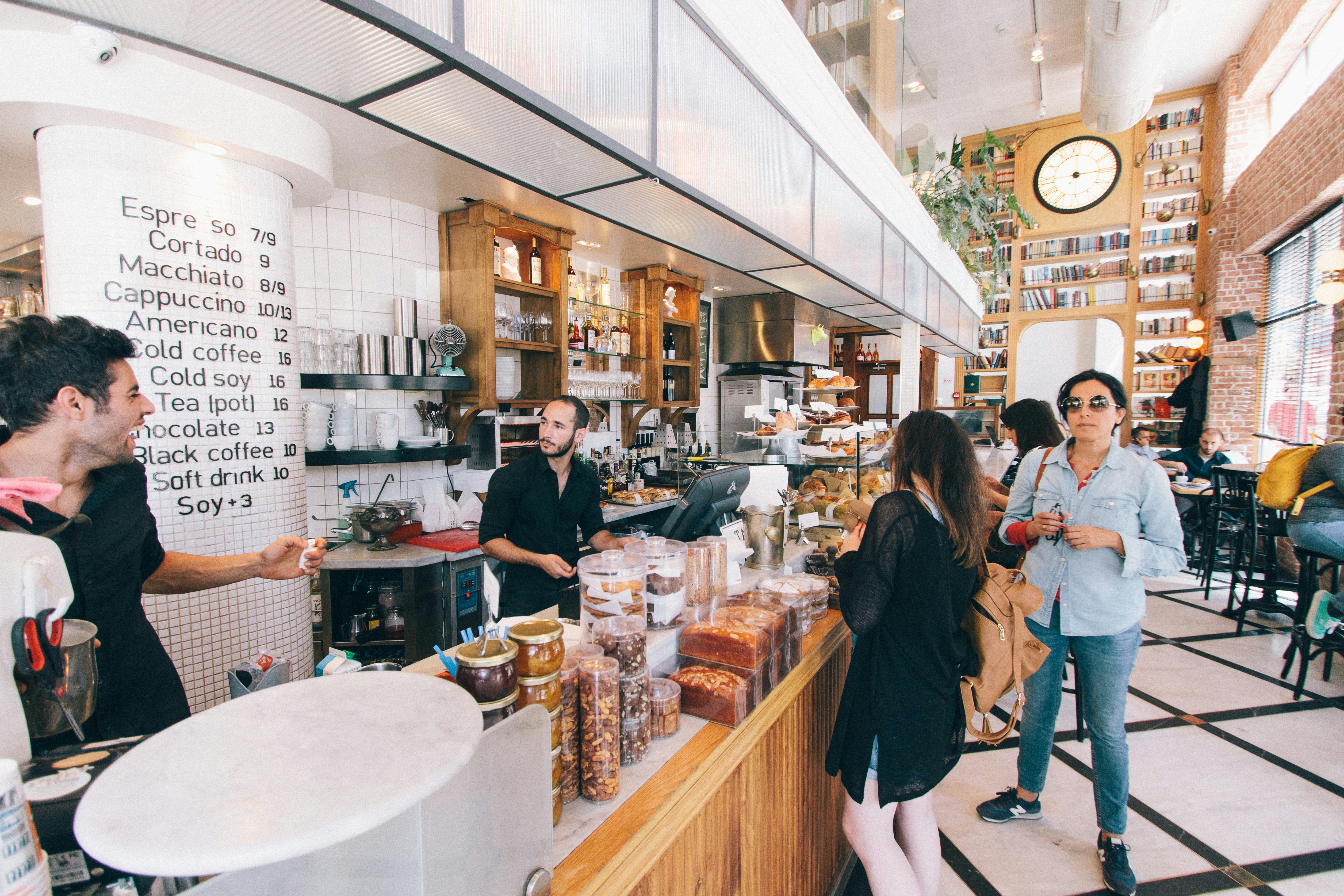
Photo by Robert Bye on Unsplash
Exploring how the middle 50 chains in the 2023 Top 500 shaped growth, with 7 Brew and Just Salad driving momentum amid shifting market dynamics.
Apr 20, 2026

Photo by Marjan Blan on Unsplash
A cross-brand wave turns SpongeBob’s Krabby Patty into real-world menu items across 250+ restaurants, blending nostalgia with culinary experimentation.
Apr 20, 2026
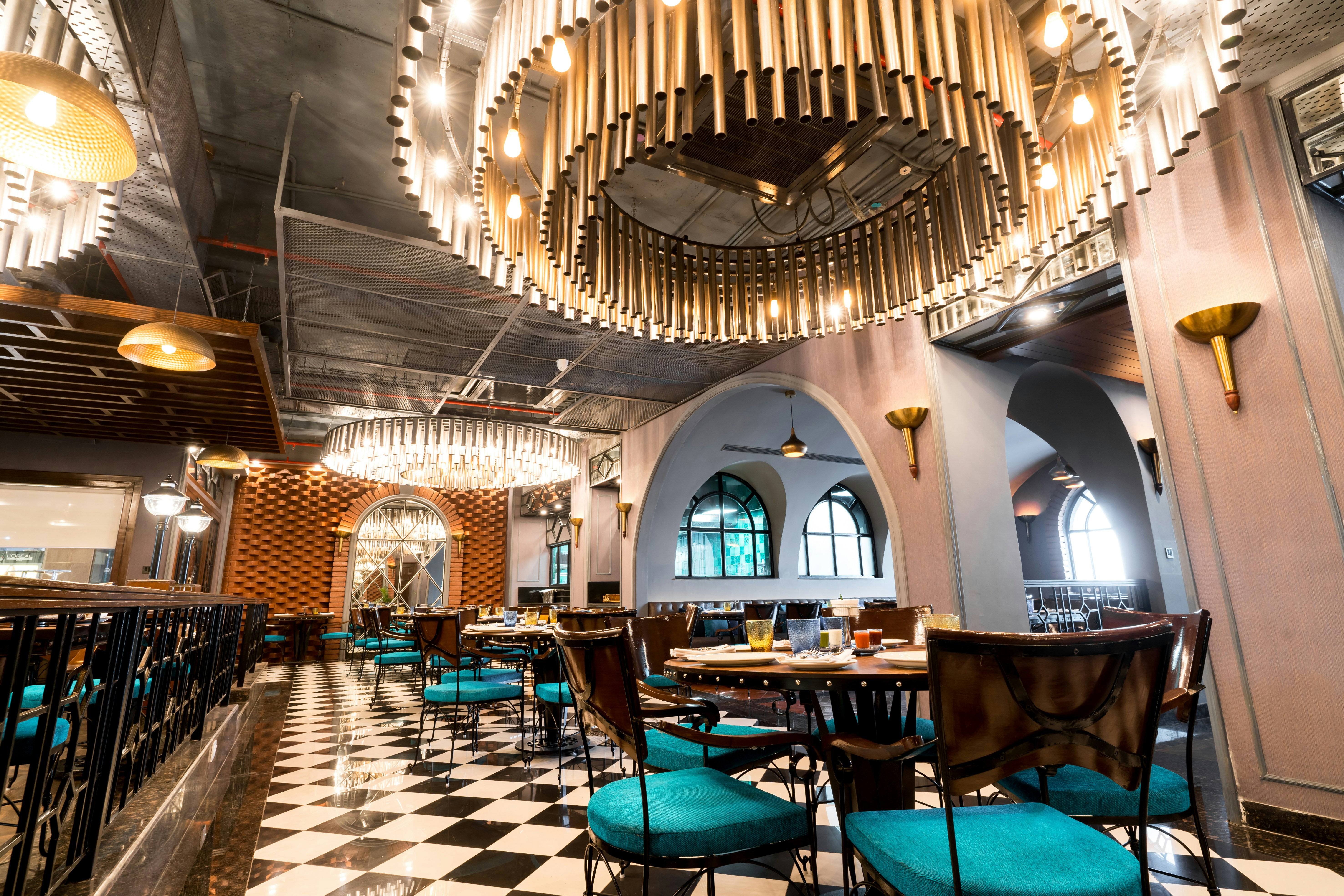
Photo by PRATEEK JAISWAL on Unsplash
Darden acquires Chuy's for $605M, expanding Tex-Mex and off-premises strength, signaling a new growth path for the restaurant giant.
Apr 20, 2026
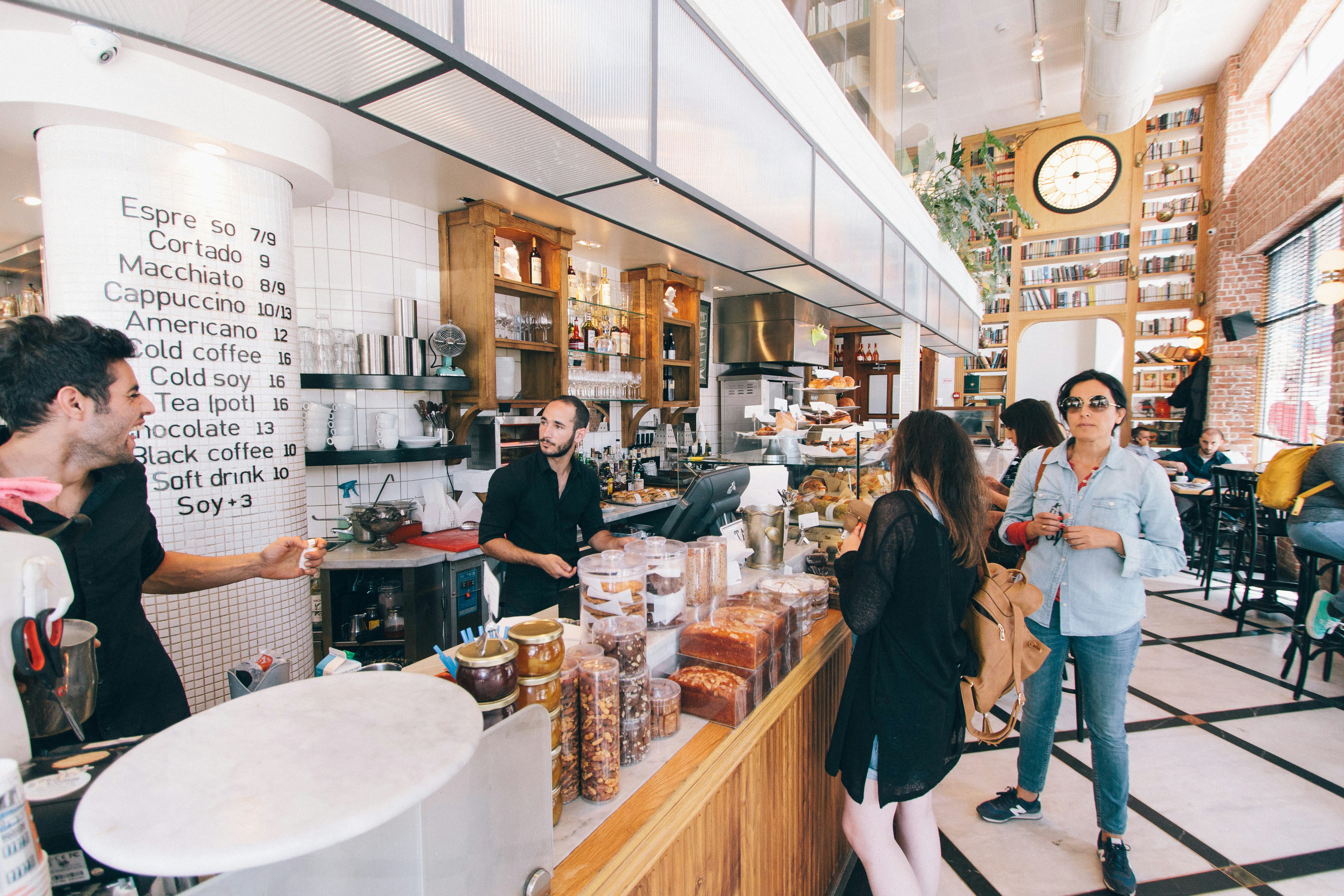
Photo by Robert Bye on Unsplash
Amira Hassan analyzes how Brian Niccol’s leadership aims to reset growth, sharpen execution, and refresh Starbucks amid industry disruption.
Apr 19, 2026

Photo by Branislav Rodman on Unsplash
A refined narrative of how AI and leadership shape resilience in the post‑COVID restaurant era.
Apr 19, 2026
Explore Taco Bell's decision to allow franchisees to opt out of breakfast, focusing on menu optimization and enhancing lunch options. Discover the impact on the QSR industry and customer preferences.
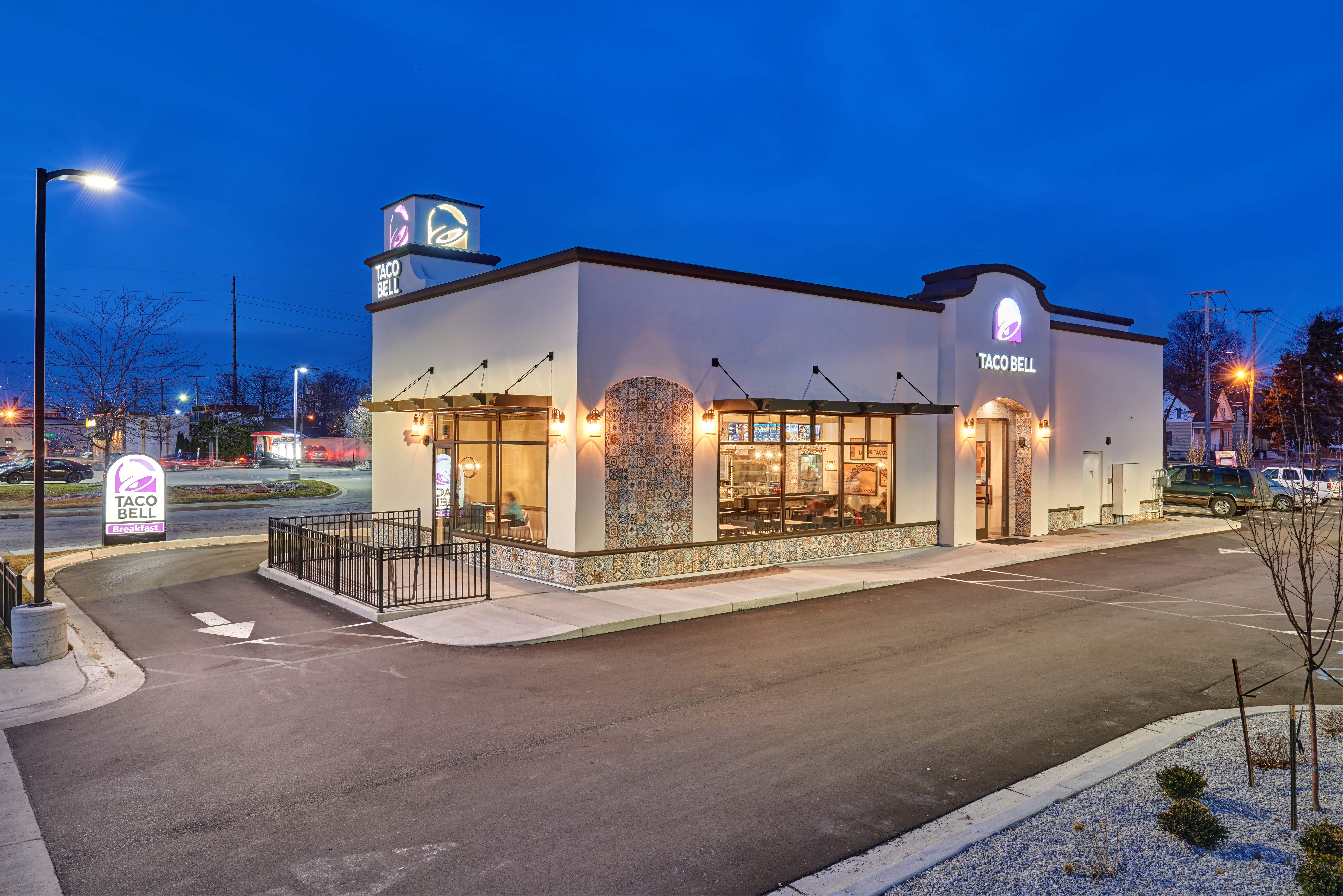
Taco Bell's decision to enable franchisees to opt out of serving breakfast starting in October 2024 marks a strategic shift in the fast-food chain's menu development approach. By offering franchisees the flexibility to streamline their menus and focus on other dayparts, such as lunch and innovative offerings like the Cantina Chicken menu, Taco Bell aims to cater to evolving consumer preferences and operational efficiency.
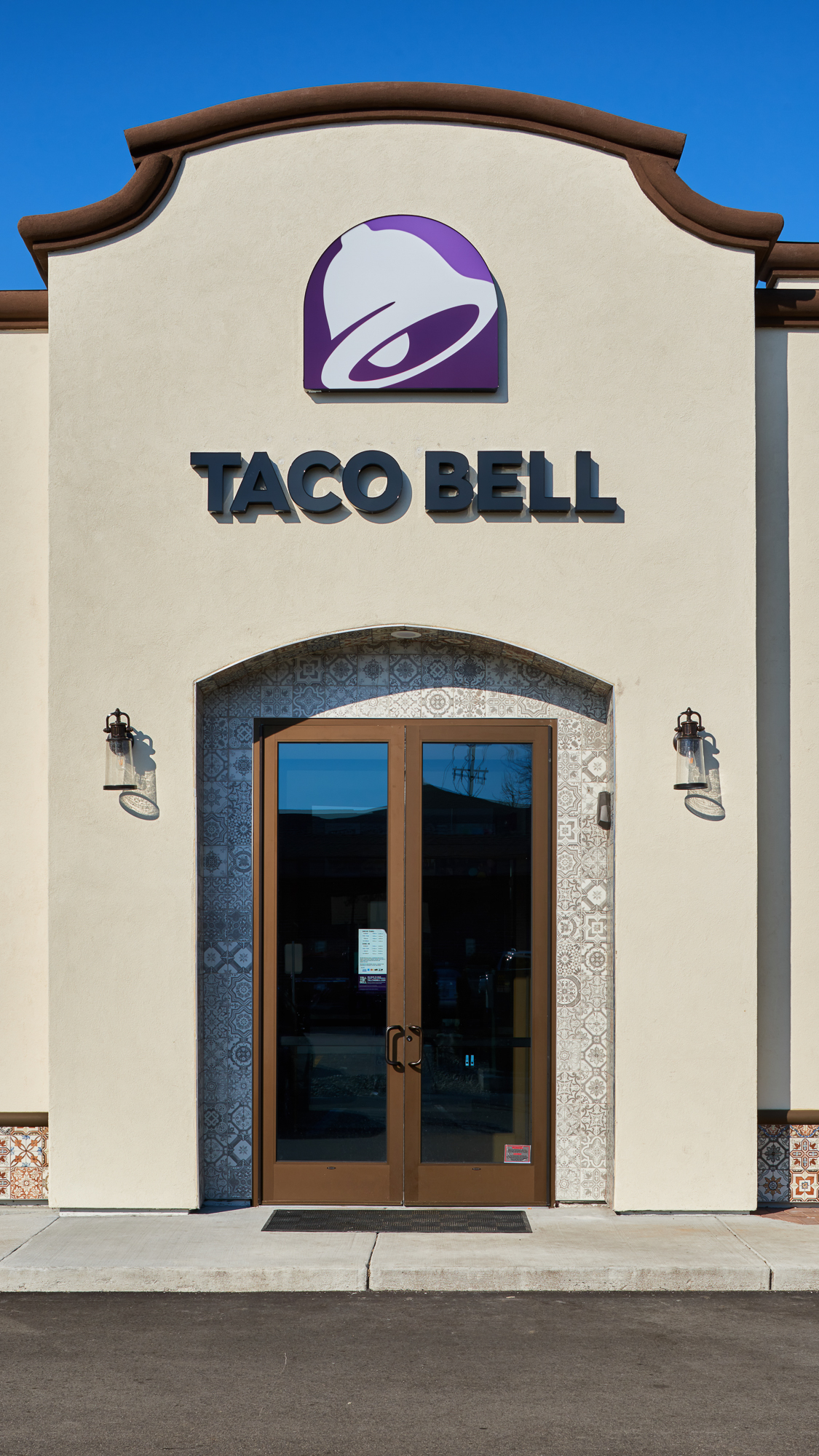
Executives at Taco Bell have highlighted lunch as a significant growth opportunity for the brand, recognizing the demand for chicken options among younger consumers. During industry events like Live Mas Live, the Chief Marketing Officer, Taylor Montgomery, emphasized the importance of expanding lunch and afternoon offerings, suggesting that a broader chicken-centric menu could enhance customer frequency.
The decision to allow franchisees to opt out of breakfast aligns with Taco Bell's commitment to responding to customer feedback and market trends. By focusing on menu items that resonate with their target audience, the fast-food chain can enhance customer satisfaction and drive business growth. This customer-centric approach is crucial in a competitive quick-service restaurant (QSR) landscape.
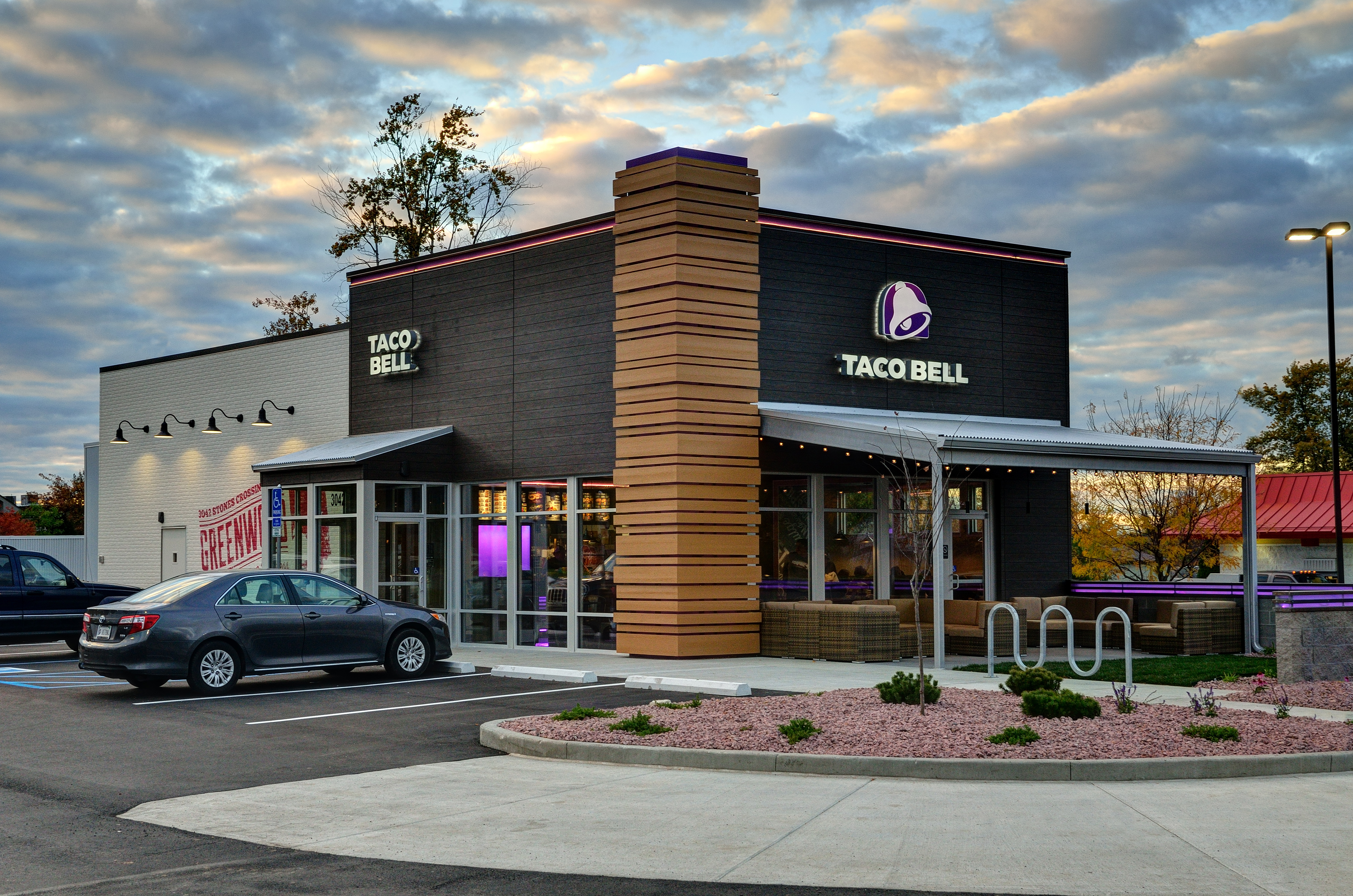
While some franchisees opt out of serving breakfast, Taco Bell continues to see the potential in this daypart, evident through its confidence in breakfast offerings and ongoing performance improvements. The brand's resilience in the breakfast segment, with initiatives like expanding the coffee platform and testing new breakfast items, showcases its commitment to innovation and adaptation.
Taco Bell's menu development strategy and the option for franchisees to skip breakfast could influence the broader QSR industry. As consumer preferences evolve and demand shifts towards specific dayparts and menu items, other fast-food chains might reevaluate their offerings to stay competitive and meet customer expectations. This adaptability is a key factor in navigating the dynamic QSR landscape.
Looking ahead, Taco Bell's move to optimize menus and focus on lunch and innovative menu items reflects a broader trend in the industry towards customization and agility. By constantly testing and evolving their offerings to align with changing consumer behaviors, fast-food brands can stay relevant and drive customer engagement. The ability to adapt quickly to market shifts will be essential for sustained success in the QSR sector.