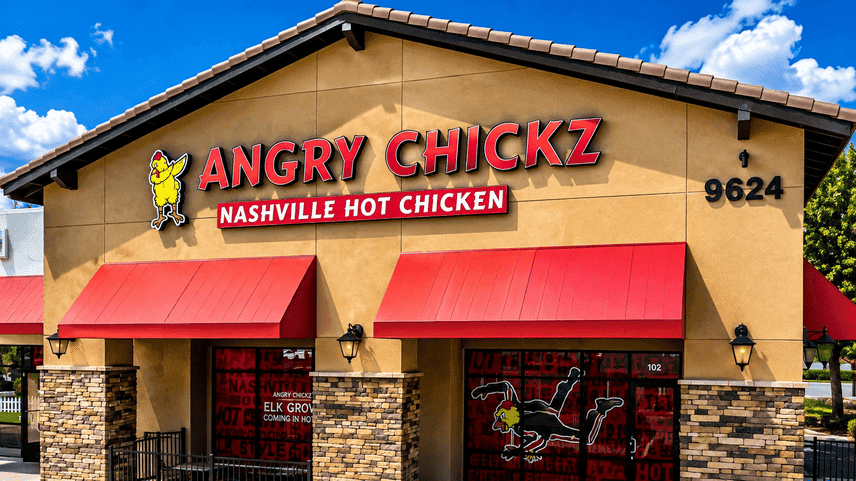
Nashville Hot Chicken Comes to Midwest
Angry Chickz enters Illinois with its signature hot chicken concept and ambitious plans for Midwest expansion, setting the stage for new franchise opportunities and community engagement.
News
Sep 2, 2026
Angry Chickz enters Illinois with its signature hot chicken concept and ambitious plans for Midwest expansion, setting the stage for new franchise opportunities and community engagement.
Sep 2, 2026
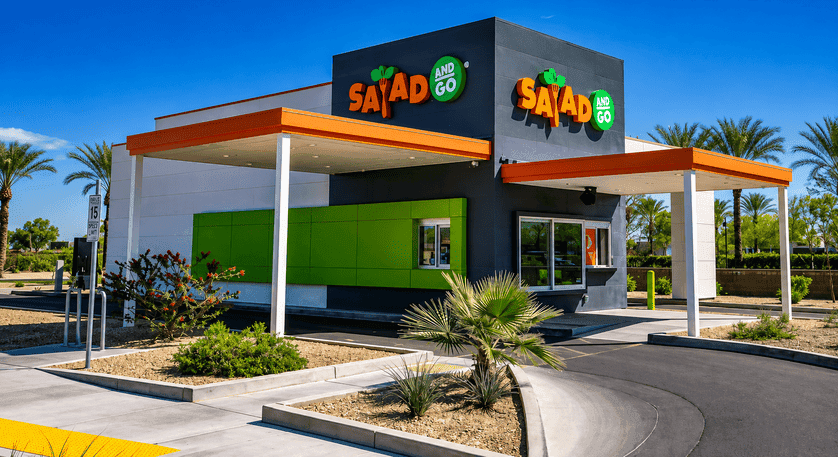
7 Brew has acquired 73 former Salad and Go locations, surpassing Dutch Bros with a $143M bid, signaling a major shift in the competitive landscape for drive-thru brands.
Sep 2, 2026
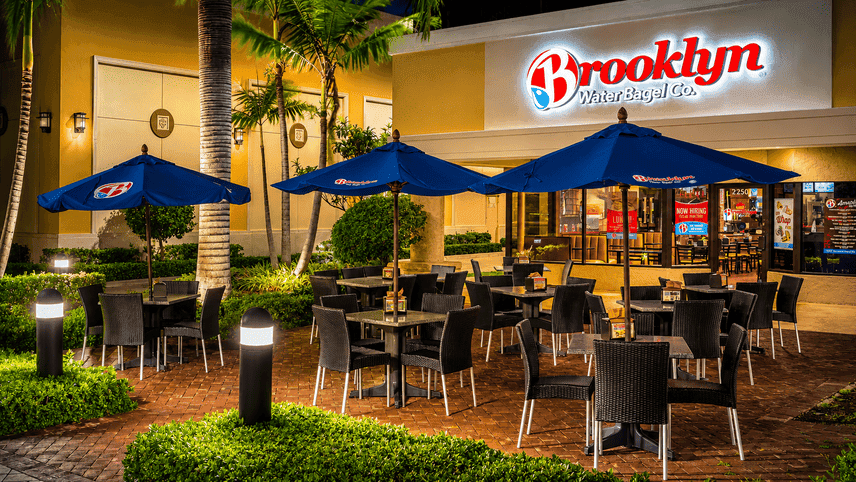
Brooklyn Water Bagel launches its first campus eatery at Nova Southeastern, signaling strategic growth and fresh potential for multi-unit operators seeking new market wins.
Sep 2, 2026
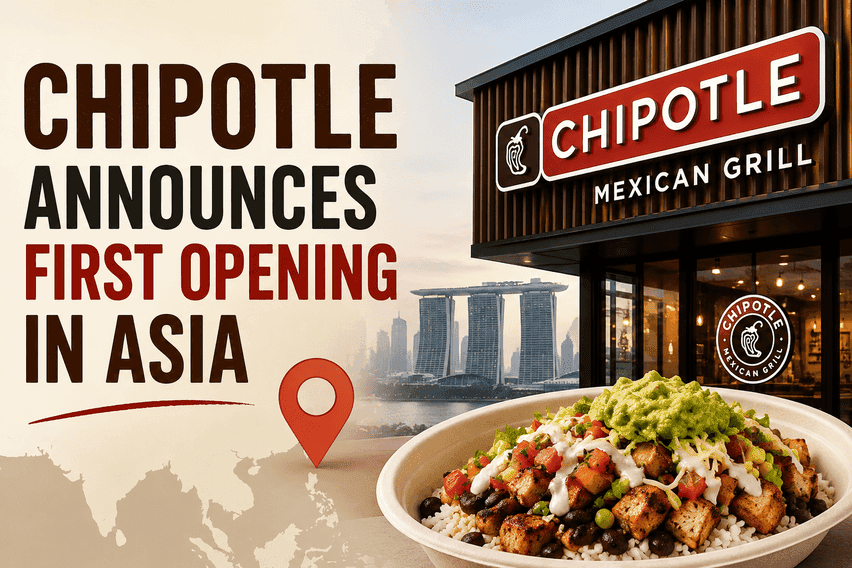
Chipotle makes its highly anticipated entry into Asia with a Seoul opening, partnering with Sangmidang Holdings and setting a template for future international growth.
Sep 2, 2026

Explore restaurant technology trends in 2026, including AI, automation, digital ordering, workforce tools, connected kitchens, personalization, and profitability strategies today.
Aug 28, 2026
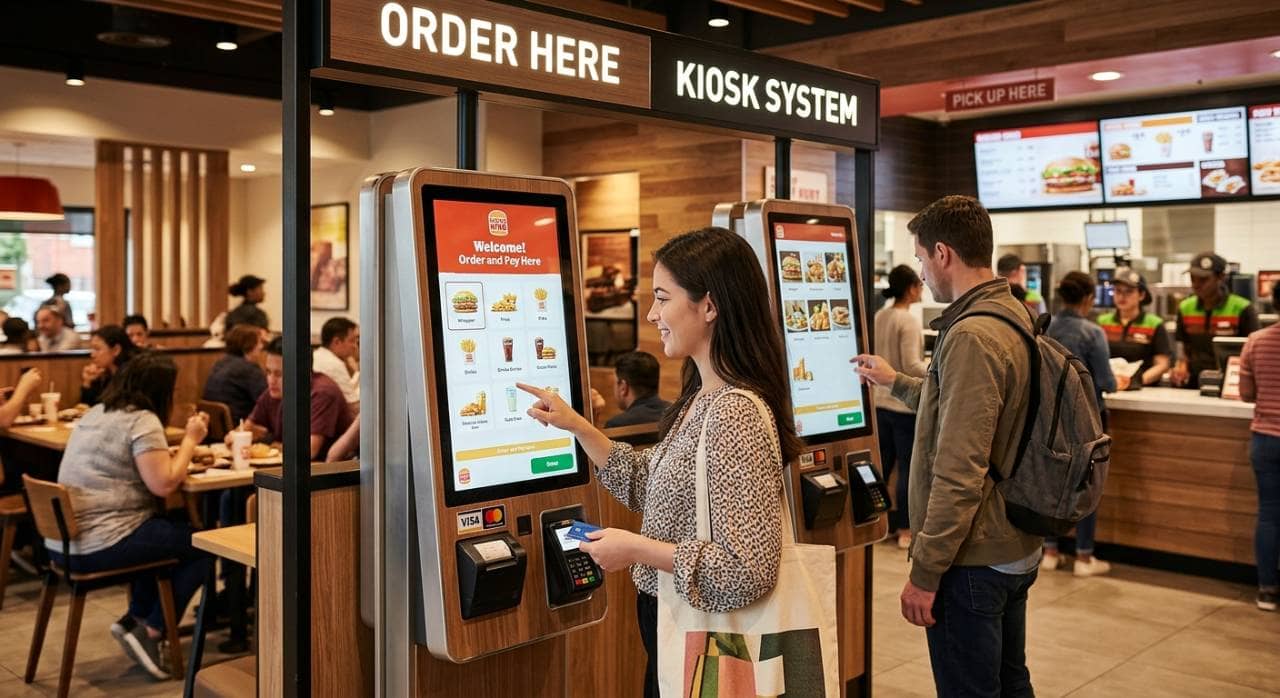
Understand how to evaluate a Kiosk system using key criteria including features, POS integration, hardware, pricing, customer experience, and support.
Aug 31, 2026
Learn how to calculate restaurant cost of goods using inventory, purchases, COGS percentage, variance reviews, and regular tracking for profitability.
Aug 31, 2026

Learn the startup costs of opening an ice cream shop, including rent, equipment, renovations, permits, inventory, labor, marketing, and reserves.
Aug 28, 2026

A restaurant P&L statement reveals sales, expenses, and profits, helping owners manage costs, improve margins, and plan finances more effectively.
Aug 26, 2026
Learn practical ways to reduce labour costs through smarter scheduling, forecasting, productivity, cross-training, automation, overtime control, and performance monitoring strategies.
Aug 26, 2026

Unlock Exclusive Access To Webinars, Events, And The Latest News For Free!
Darden acquires Chuy's for $605M, expanding Tex-Mex and off-premises strength, signaling a new growth path for the restaurant giant.

Photo by PRATEEK JAISWAL
Darden Restaurants moves decisively to broaden its culinary map with an all-cash purchase of Chuy's Holdings for about $605 million. The price is set at $37.50 per share, a clean premium that signals confidence in a Tex-Mex concept stepping into a larger, more disciplined platform. Chuy's, Austin-based since 1982, operates 101 restaurants across 15 states and would push Darden’s brand count to ten. It’s a deliberate pivot for a company long rooted in Italian and steakhouse concepts, expanding its footprint into a category with durable growth and off-premises potential. What does this signal for the industry and for diners?
Structurally, the deal is all-cash, with closing expected in Darden’s fiscal second quarter, subject to routine conditions. Financing relies on new debt, a $400 million note due 2027 and a $350 million note due 2029, to fund the purchase. The merger includes a 30-day go-shop and is designed to be accretive over time, with a neutral effect on earnings per share in fiscal 2025 and potential accretion in 2027 as Chuy’s results merge into Darden’s reporting. Chuy’s trailing twelve months revenue tops $450 million, with average unit volumes around $4.5 million and an average check near $19. About 30% of sales come from off-premises, underscoring a model aligned with current consumer habits. Darden expects to welcome roughly 7,400 Chuy’s team members to the payroll.

Deal mechanics are straightforward: all-cash, about $605 million, at $37.50 a share. Announced July 17, 2024, the closing is targeted for Darden’s fiscal second quarter, after standard approvals. Financing is built with recently issued notes to preserve balance-sheet flexibility while keeping integration on track. The arrangement positions Chuy’s as the tenth brand and sets the stage for measuring how well Darden can scale a new cuisine without sacrificing discipline.
A timeline note anchors the narrative: closing occurred on October 11, 2024, after stockholder approvals on October 10, 2024. The debt package supporting the deal included a $400 million note due 2027 and a $350 million note due 2029. The merger is disciplined by a 30-day go-shop and guided by an intent to be accretive over time, with integration into Darden’s operating framework designed to harvest synergies while preserving scale across the portfolio.
Rick Cardenas, Darden’s president and CEO, described Chuy’s as a differentiated brand with strong performance and growth potential and welcomed its 7,400 team members to the Darden family. Steven Hislop, Chuy’s chairman, CEO and president, expressed optimism about joining a larger platform and extending Tex-Mex to more guests. Raj Vennam, Darden’s CFO, highlighted growth potential in the Mexican segment, especially among younger diners, and noted that Chuy’s off-premises strengths could offer learnings for Darden’s broader operations.
"Whenever we consider adding a brand to our portfolio, we have a set of criteria we evaluate. The brand should be a full-service dining concept with strong appeal, have the ability to exceed the sales growth in our long-term framework and make an impact to our financial performance over time. Chuy’s checks all these boxes." said Rick Cardenas, underscoring the strategic fit. CFO Raj Vennam added the emphasis on the Mexican segment’s potential, while the leadership team signaled a measured confidence about the long runway and cross-brand learnings. The message is clear: preparation meets opportunity, but execution will tell the tale.
Chuy’s adds a new axis to a broader industry trend: growth in full-service Mexican dining. Analysts and trade outlets have framed the deal as a strategic move to diversify cuisine while leaning on Chuy’s digital and off-premises strengths. The market response reflected appetite for selective, value-driven acquisitions within casual dining, with the potential to inform practices across Darden’s portfolio. The move is positioned as a proof point for how a traditional multi-brand operator can expand into a growth-heavy category without losing core identity.
Gaps, uncertainties, and risk accompany any large acquisition. The closing depended on customary regulatory approvals and stockholder votes, and Darden warned of integration risks, potential synergies, and macroeconomic conditions that could influence demand. Official materials caution that actual results may differ from expectations due to integration progress, the trajectory of the Mexican dining category, and broader economic factors. Analysts and observers stress the importance of execution and cultural alignment to realize the promised benefits. In short, this is a live test: can Darden absorb, scale, and learn across a new cuisine without compromising its established engine?

Chuy’s represents a deliberate step in Darden’s strategic evolution toward category diversification and growth in high-potential segments. By absorbing an established Tex-Mex concept with solid off-premises capabilities and a robust national footprint, Darden aims to broaden its appeal to younger diners while preserving the efficiency and scale of its multi-brand model. For diners, this signals continued brand experimentation within a familiar, value-conscious framework, with best practices, such as digital ordering and takeout integration, potentially trickling across the portfolio. Industry observers view Chuy’s as a test bed for evolution without erasing identity.
“The Chuy’s acquisition embodies a calculated step in Darden’s push for growth through diversification,” a market observer noted, aligning with management’s emphasis on youthful demand and off-premises convergence. The long view will hinge on integration discipline, cultural fit, and the ability to translate Tex-Mex learnings into gains across other concepts. If the plan stays true to its blueprint, diners could see faster digital ordering, smoother takeout experiences, and a broader menu language that still honors each brand’s core personality. The rest is execution, plain and simple.