Mountain Mike's Pizza Names Sheena Dougher CMO
Mountain Mike's Pizza hires Jack in the Box veteran Sheena Dougher as CMO to drive national growth while preserving its regional brand identity.
Franchising
Sep 17, 2026
Mountain Mike's Pizza hires Jack in the Box veteran Sheena Dougher as CMO to drive national growth while preserving its regional brand identity.
Sep 17, 2026

From fixed costs to contribution margin, learn exactly how to calculate your restaurant's break even point with confidence.
Sep 16, 2026

DoorDash pays $425M for Wonder's campus dining platform and a stake in Wonder, betting on robotic kitchens and institutional foodservice growth.
Sep 16, 2026

Discover the most common reasons restaurants fail, including inconsistent food quality and pricing mistakes, plus practical ways to avoid them.
Sep 16, 2026
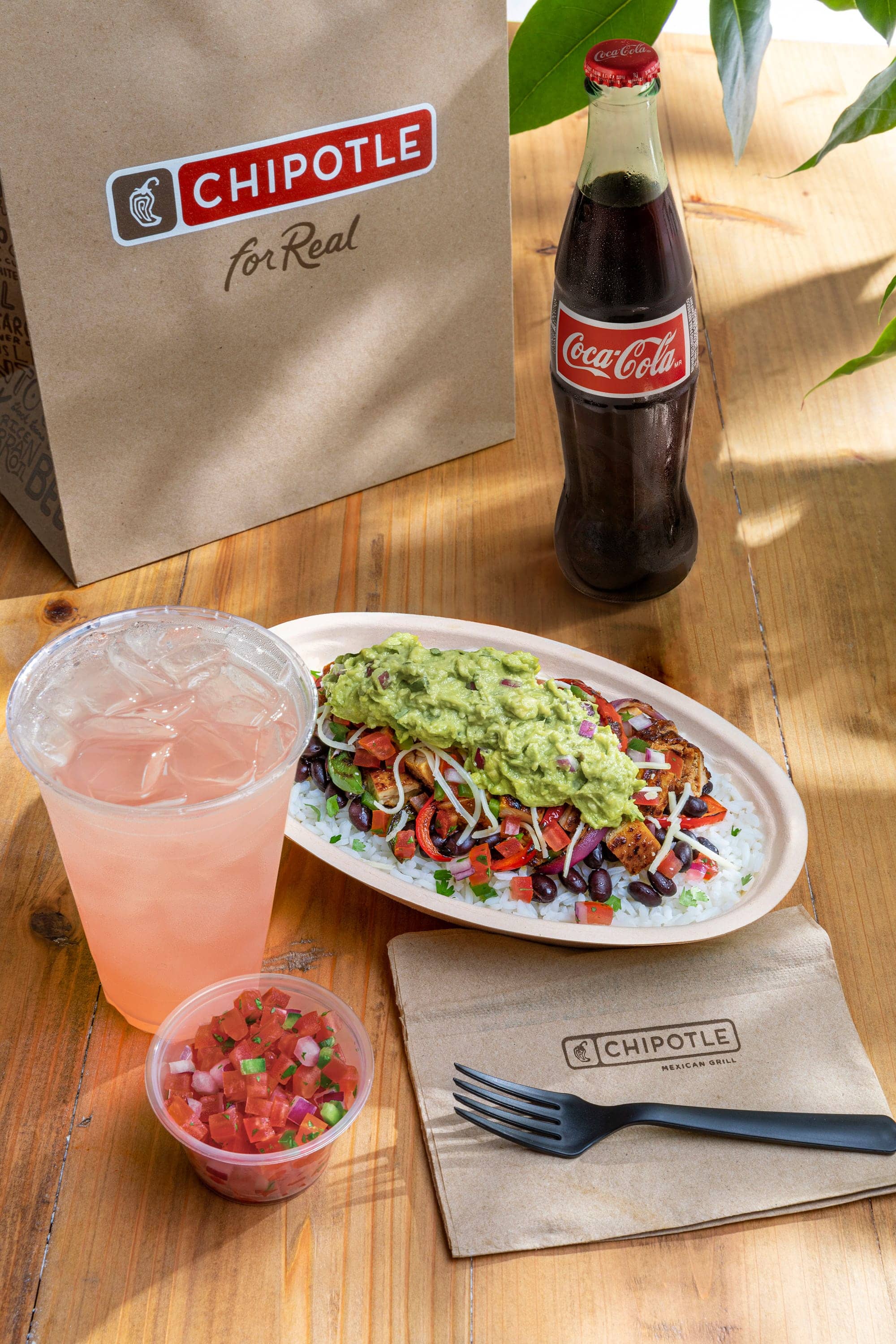
Chipotle names former KFC global CEO Sabir Sami to its board as the chain expands into Mexico, Saudi Arabia, and South Korea.
Sep 15, 2026

LeBron James joins Mike's Red Tacos as an investor, backing the birria chain led by Blaze Pizza and Dave's Hot Chicken veteran Bill Phelps.
Sep 15, 2026

Practical payroll compliance checklist for restaurant owners covering wage rules, tips, overtime, taxes, deductions, and recordkeeping to reduce legal risk.
Sep 14, 2026
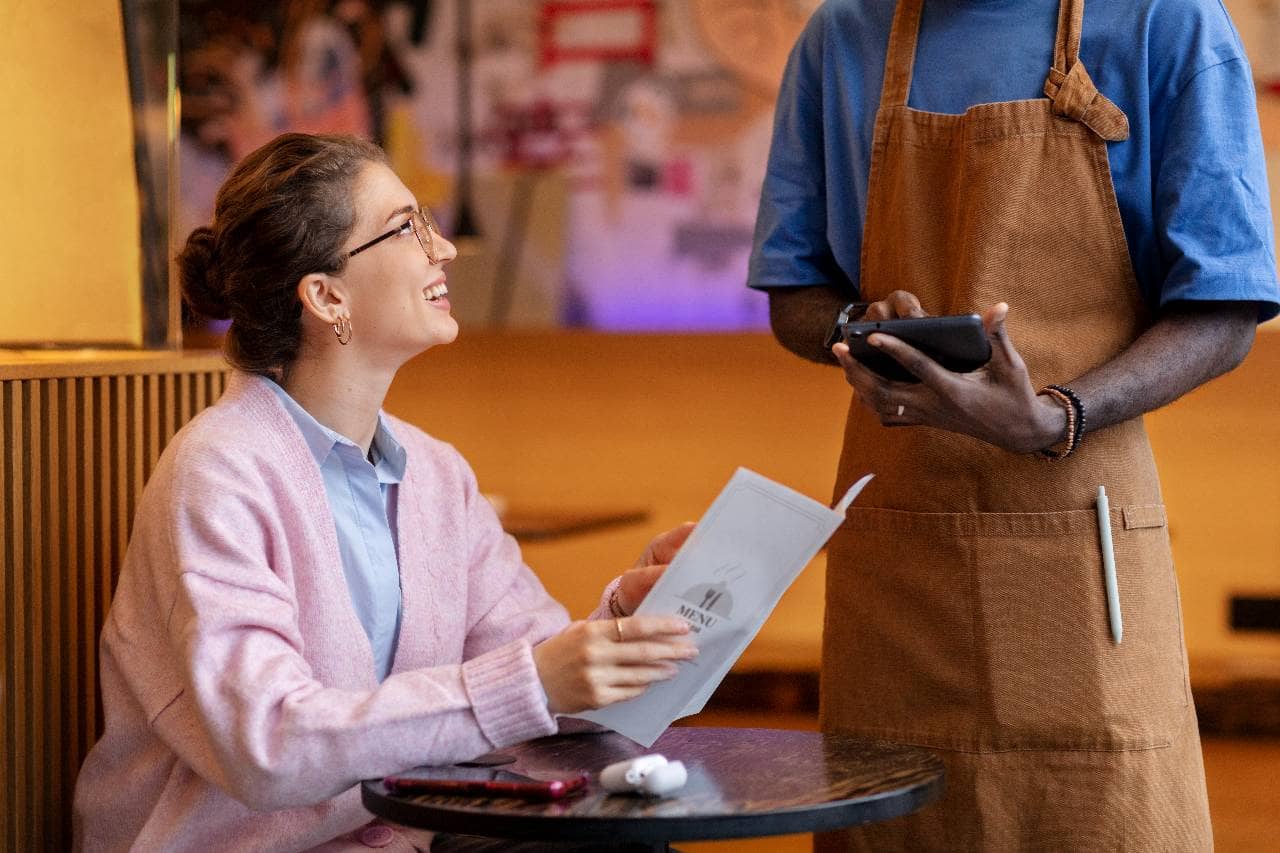
Discover practical promotion ideas - time-based deals, loyalty programs, local partnerships, and digital marketing - to boost restaurant foot traffic consistently.
Sep 14, 2026
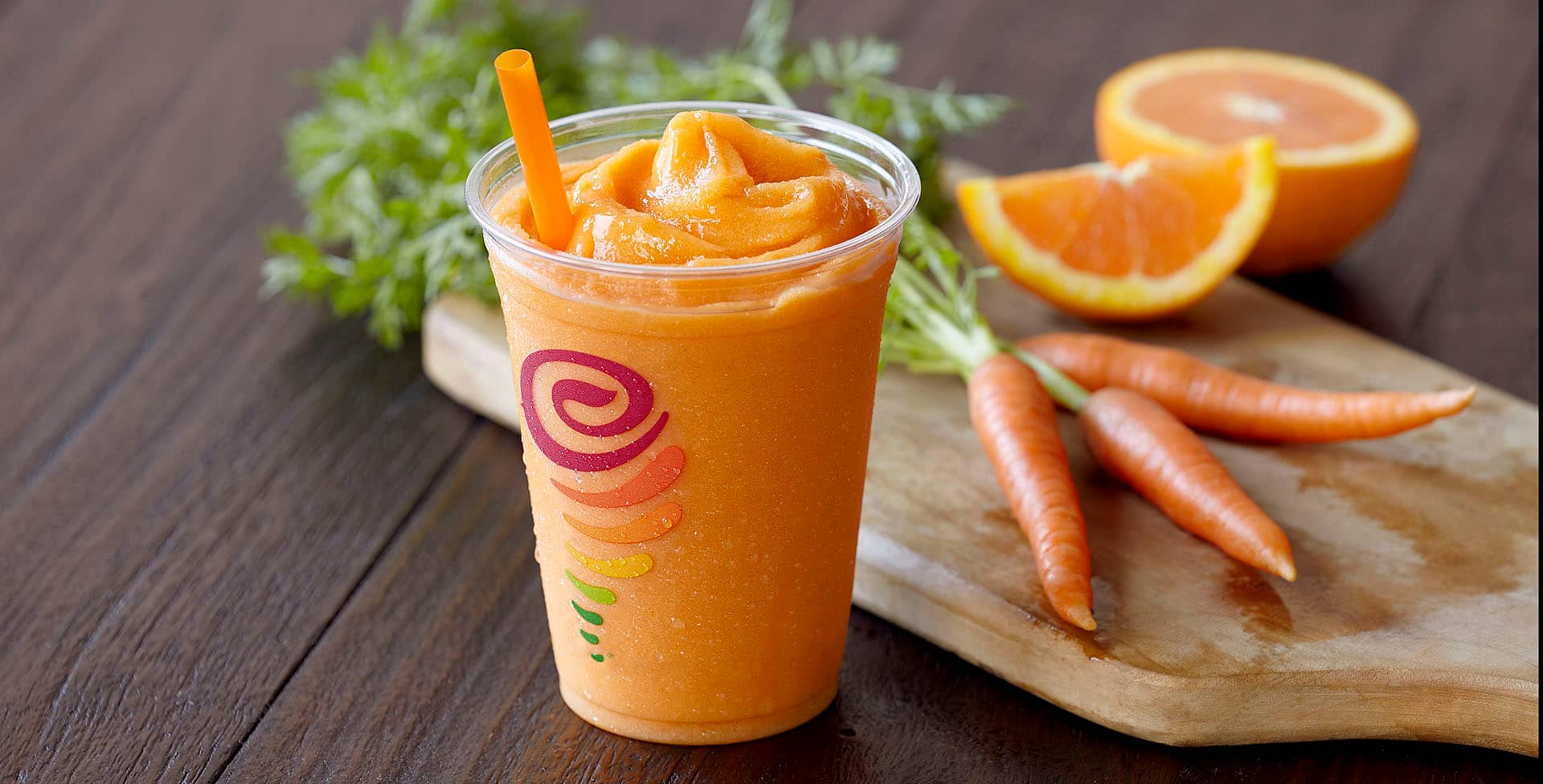
Lucy Brady joins Jamba as president to lead digital-first growth strategy. GoTo Foods restructures leadership to strengthen franchise platform capabilities.
Sep 14, 2026
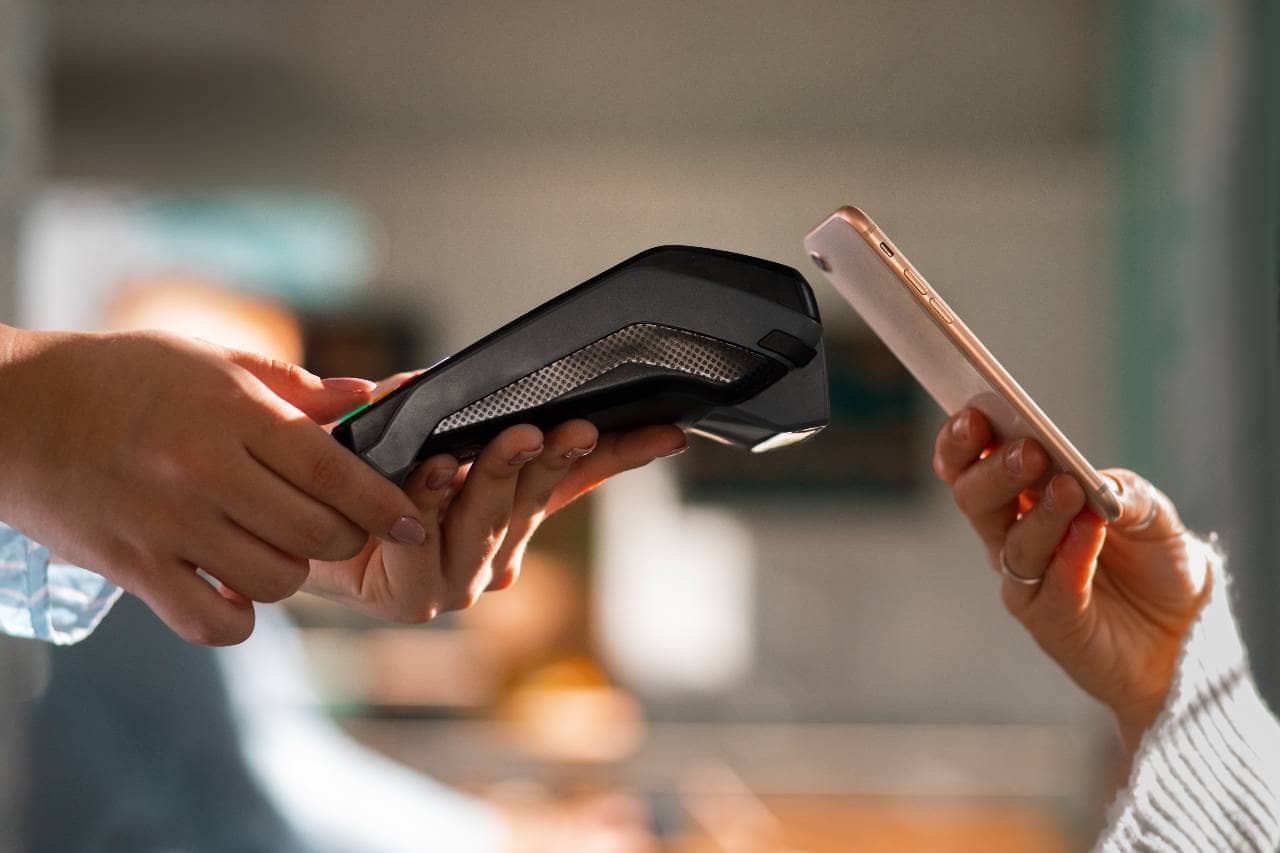
Contactless payment offers restaurants faster transactions, better security, and improved customer experience, making it a valuable, worthwhile technology investment today.
Sep 11, 2026

Unlock Exclusive Access To Webinars, Events, And The Latest News For Free!
Explore Panera Bread's recent announcement to close its Fresh Dough Facilities, impacting its bread production. Learn about the reasons behind this decision and its potential effects on the restaurant industry.

Panera Bread's recent announcement to close its Fresh Dough Facilities comes as part of a strategic shift towards optimizing its operations and enhancing product quality. By sourcing bread from external artisan bakery producers, the company aims to ensure consistent quality while focusing on innovation and expanding its menu variety. This move allows Panera to tap into the expertise of specialized bakeries, potentially leading to more diverse and premium bread offerings.
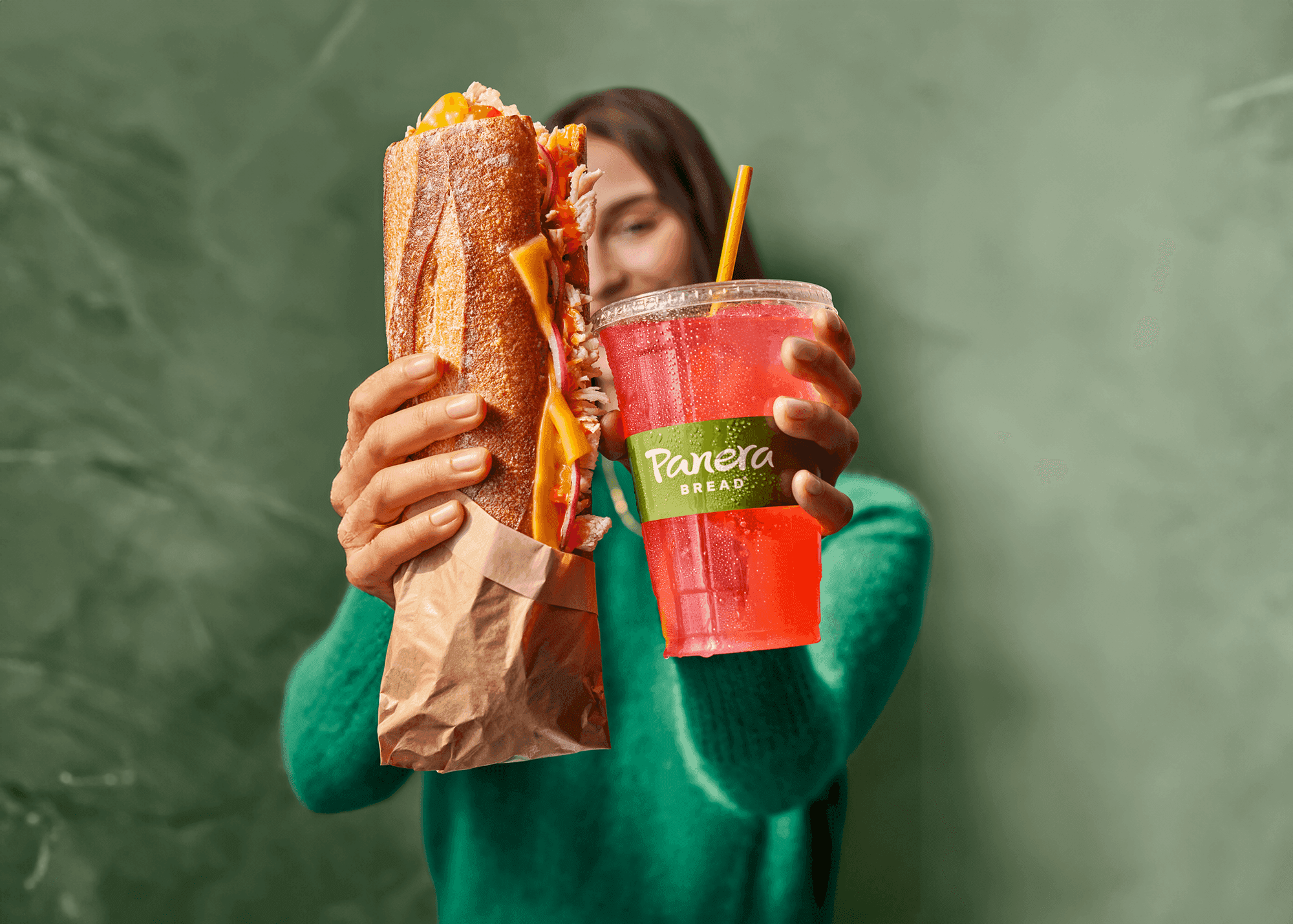
The transition to third-party facilities for bread production signifies a significant operational change for Panera Bread. Instead of producing fresh dough in-house, the brand will now rely on external partners to bake bread using its established recipes and ingredients. This shift enables Panera to introduce a new baking model that allows for continuous production throughout the day by utilizing par-baked dough. While maintaining its food quality and standards, this approach may also streamline operations and enhance efficiency in the baking process.
While the closure of Fresh Dough Facilities raises concerns about potential job losses, Panera Bread has emphasized its commitment to supporting affected employees through this transition. The company stated that it values its team members and will provide resources, career opportunities, and guidance during this period of change. Despite the restructuring, Panera aims to ensure that its workforce receives adequate support and assistance to navigate through the organizational shift.
Panera Bread's decision to close its Fresh Dough Facilities comes at a time when other fast-casual brands have experienced growth and success in the market. Despite menu updates and ongoing efforts to attract customers, data suggests that Panera faced a decline in consumer spending in recent years. The brand's move towards outsourcing bread production reflects a strategic response to market challenges and the need to adapt to evolving consumer preferences.