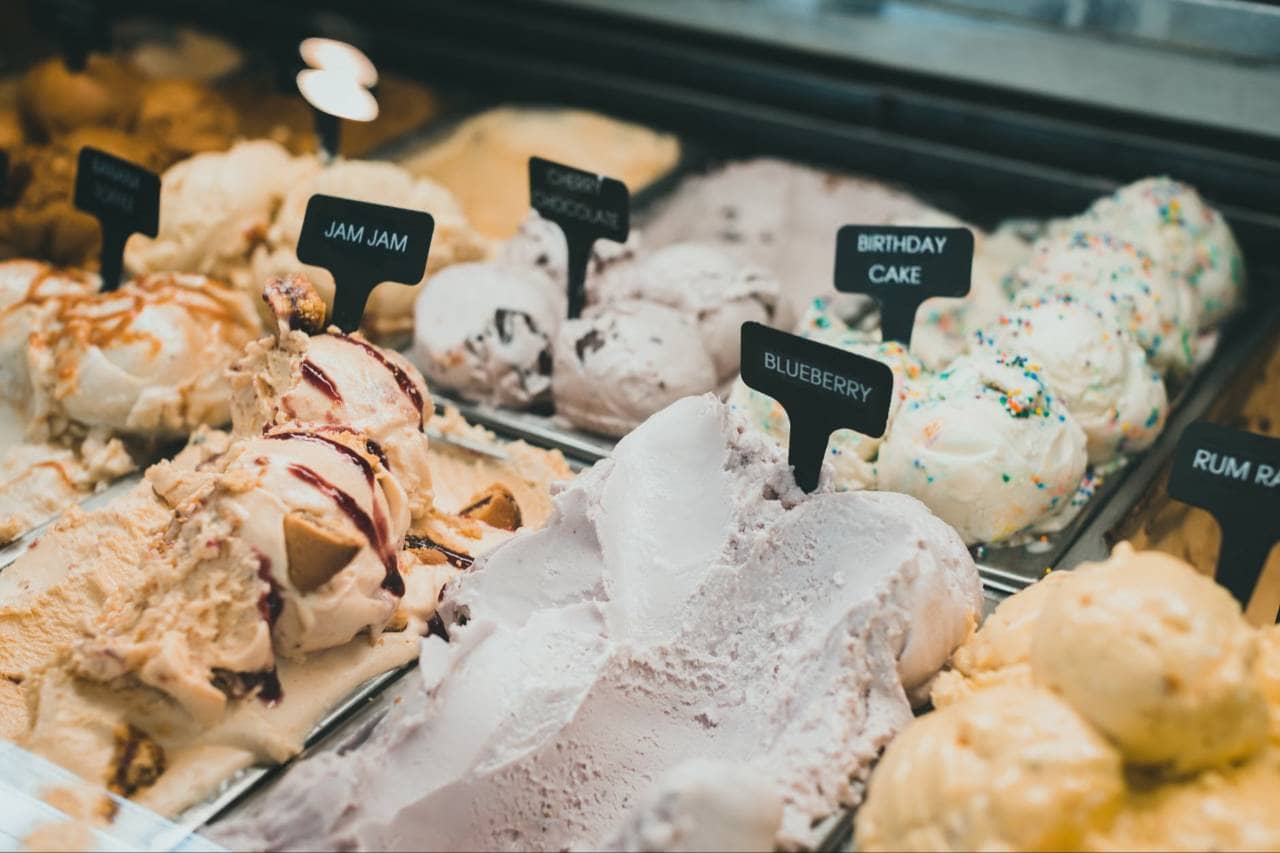
How Much Does It Cost to Open an Ice Cream Shop?
Learn the startup costs of opening an ice cream shop, including rent, equipment, renovations, permits, inventory, labor, marketing, and reserves.
Business Management
Aug 28, 2026
Learn the startup costs of opening an ice cream shop, including rent, equipment, renovations, permits, inventory, labor, marketing, and reserves.
Aug 28, 2026
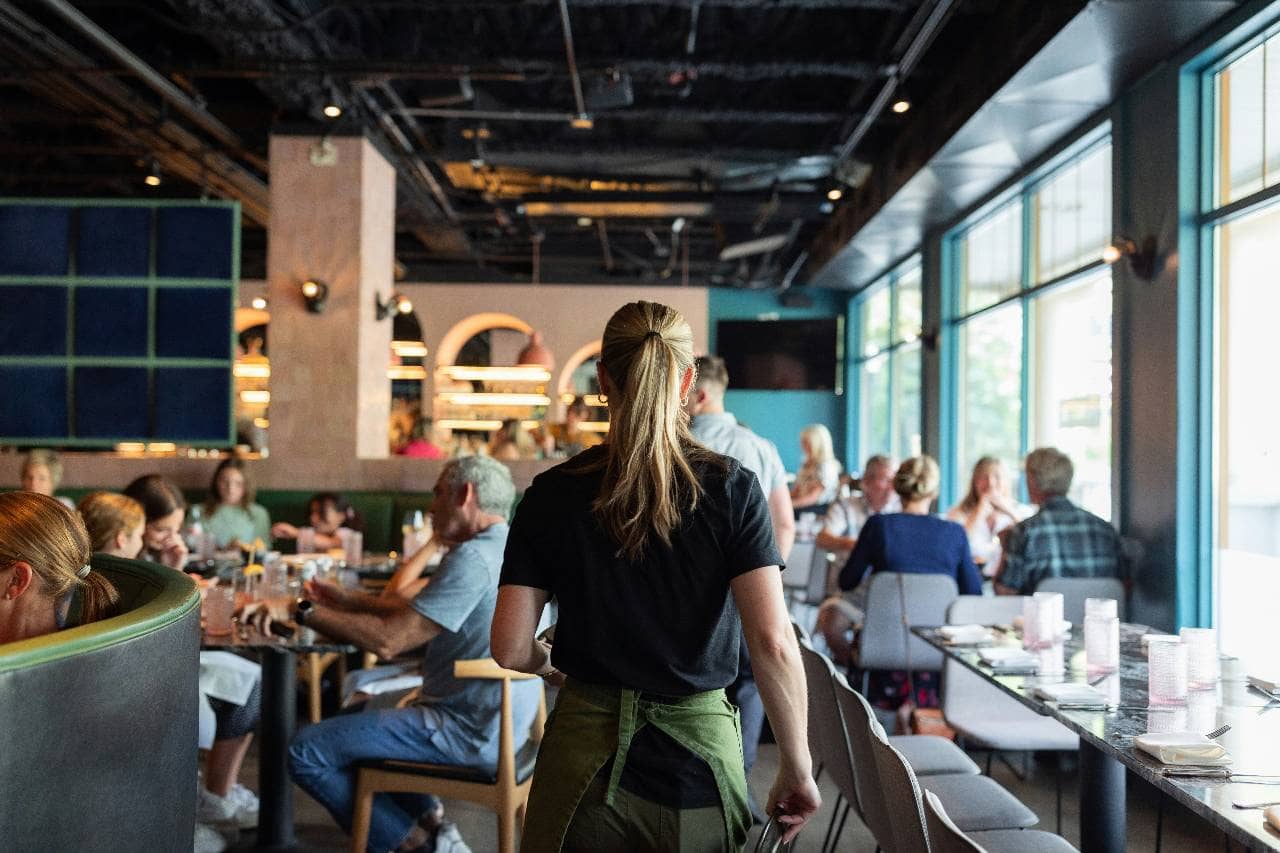
Learn practical ways to reduce labour costs through smarter scheduling, forecasting, productivity, cross-training, automation, overtime control, and performance monitoring strategies.
Aug 26, 2026

A restaurant P&L statement reveals sales, expenses, and profits, helping owners manage costs, improve margins, and plan finances more effectively.
Aug 26, 2026
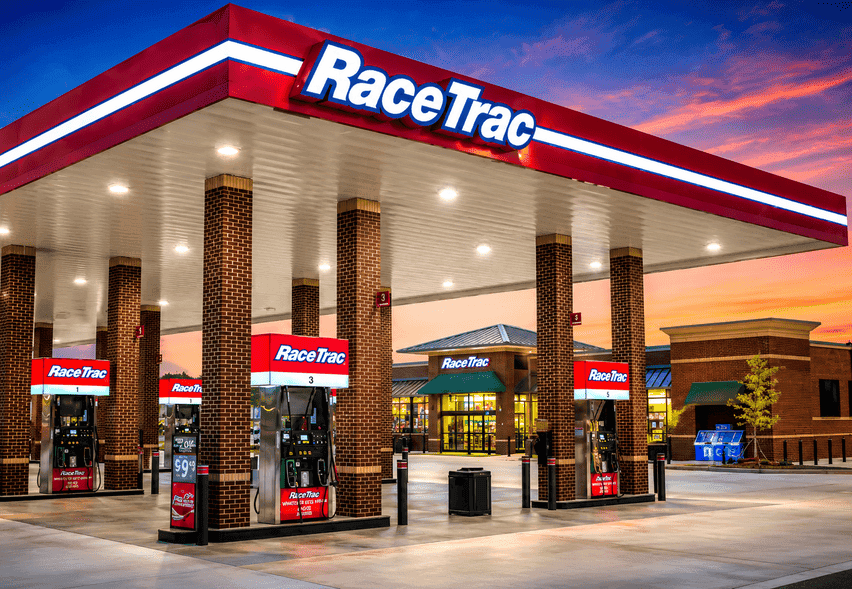
RaceTrac has appointed Jill Pemberton as chief financial officer, succeeding Karla Ahlert, who moves into the newly created role of chief administrative officer.
Aug 26, 2026
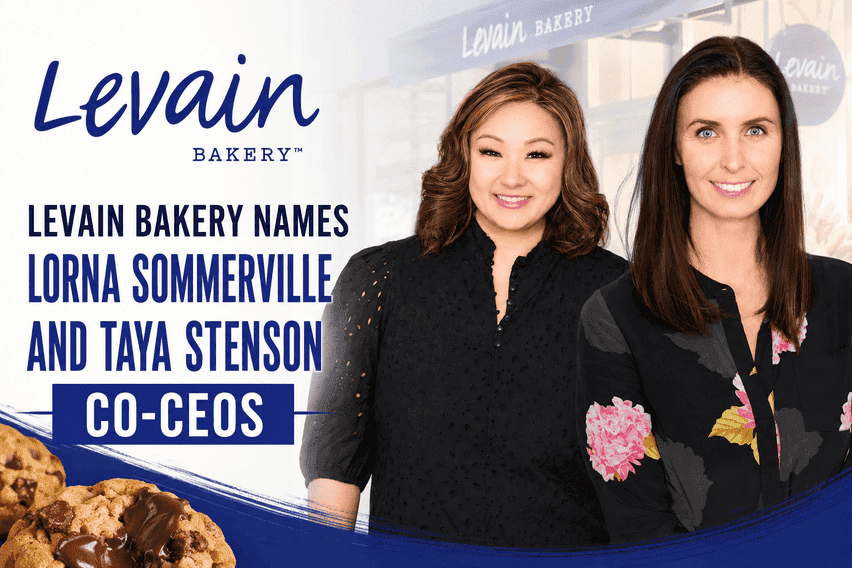
Levain Bakery appoints Lorna Sommerville and Taya Stenson as co-CEOs, blending operational and marketing expertise to power national expansion and innovation while staying rooted in its brand values.
Aug 25, 2026
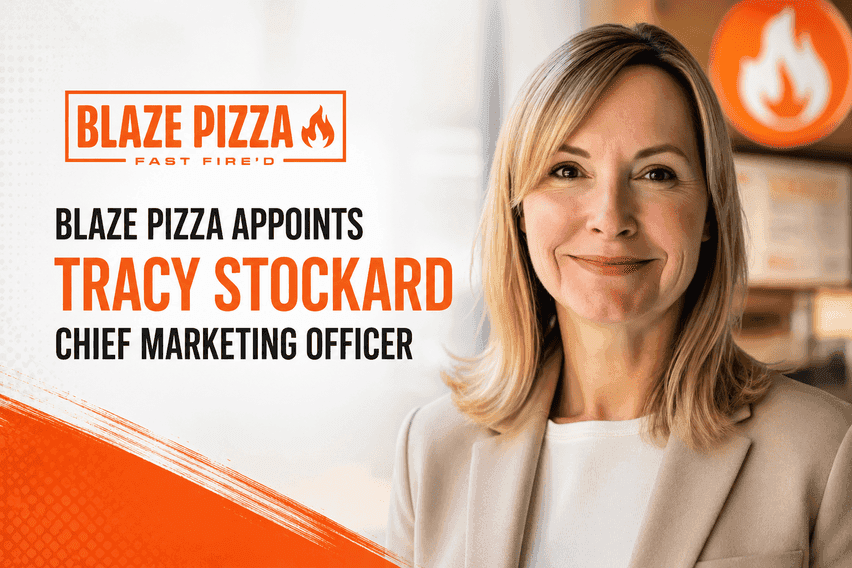
Blaze Pizza welcomes Tracy Stockard as Chief Marketing Officer, bringing decades of brand and franchise experience to drive strategic growth and guest engagement.
Aug 25, 2026

Create a practical restaurant marketing plan by setting goals, targeting customers, choosing channels, budgeting wisely, scheduling campaigns, and measuring results.
Aug 24, 2026
A payroll advance policy helps restaurant owners define eligibility, limits, repayment, documentation, approval procedures, and compliance requirements for employee advances.
Aug 24, 2026
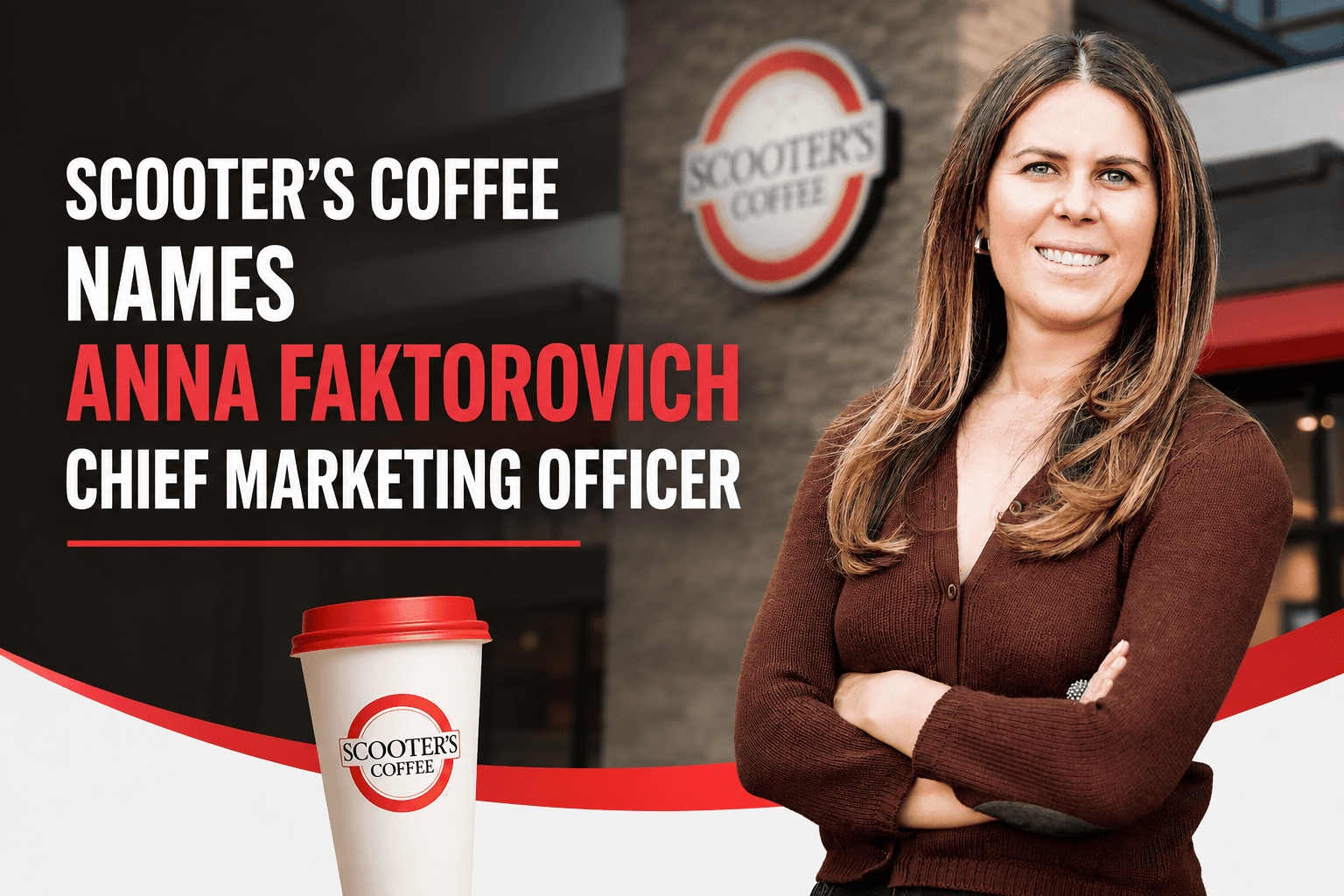
Anna Faktorovich, a seasoned marketing executive, has been named Chief Marketing Officer at Scooter’s Coffee, bringing decades of multi-brand experience to fuel the franchise’s next growth stage.
Aug 25, 2026
Wendy’s announces Tariq Hassan as Chief Marketing and Customer Growth Officer, charting a new course for brand and digital innovation. What restaurant owners can learn.
Aug 24, 2026

Unlock Exclusive Access To Webinars, Events, And The Latest News For Free!
Popeyes teams with One Piece for a limited menu and merch drop, blending bold flavors with anime fandom to boost traffic and loyalty.

Photo by Jim Sosengphet
Popeyes teams with One Piece, turning a quick bite into a moment for fans and curious eaters alike. The energy feels different when a fandom slips into a busy dining room. The Luffy Bento Bundle anchors the launch, pairing two pieces of chicken with mac and cheese, a Gum-Gum Fruit Lemonade homage, and Chopper’s Cupcake. This isn’t just about meals, it’s an invitation to share, to post, to feel part of a voyage. A big win for flavor and fandom, right at the counter.
The fusion goes beyond a single combo. The program is designed to spark conversation, drive social moments, and give fans a reason to walk into a Popeyes and feel part of something larger. The energy of a beloved manga/anime world meeting a fast‑food icon is the big story here, with flavor doing the talking and culture doing the walking.
Pricing and packaging anchor the rollout. The Luffy Bento Bundle clocks in at $13.99, with two pieces of chicken, mac & cheese, Gum-Gum Fruit Lemonade, and Chopper’s Cupcake bundled together. The simpler Luffy Bento Box is $7.99, offering two pieces of chicken and mac & cheese. The lemonade and cupcake are also sold à la carte for $3.49 and $3.99. A limited‑edition merchandise line drops on April 15 at shop.popeyes.com, with T‑shirts, collectible keychains, and official Bento Boxes. And on April 13, select guests who purchase the Bundle at specific locations receive a free Bento Box.
Beyond the meal, the launch is framed as a celebration of adventure, loyalty, and bold flavors, with executive messaging supporting the broader cross‑promo window. The program extends to a limited‑edition online merch drop and exclusive in‑store moments, designed to turn trial into talk and visits into a habit.
Across the quick‑service world, branded storytelling is a rising lever to rekindle traffic. Popeyes' One Piece collab sits alongside other cross‑brand experiments, echoing moves like McDonald’s with The Grinch or Minecraft. These efforts spotlight a shift: fans want experiences that extend beyond the plate, with exclusive drops, location perks, and timed runs. The One Piece program is not a one‑and‑done stunt; it’s a test case for weaving a narrative from character and culture into core menu moments.
Observers see this as a probe into deeply branded storytelling within food offerings. The core menu stays intact, while the narrative rides through limited editions, location perks, and social moments. The hope is that the story enhances recognition, nudges trial, and encourages repeat visits, without forcing big menu changes. By tying the adventure and loyalty energy to actual eats, Popeyes aims to extend the lifecycle of the promotion beyond the initial push.
Gaps and uncertainties shadow the outset. Limited availability and location‑based perks raise questions about long‑term lift and repeat visits beyond the promo window. Exclusive Bento Boxes have even appeared on resale platforms, hinting at a demand dynamic that can complicate brand control and pricing. As the promotion runs, watchers will look for sustained guest counts, repeat visits, and whether the core menu gains incremental traction through cultural crossover.
On the merchandising front, the upside is real but contingent. Lightspeed data shows that nearly 20% of hospitality brands sell branded merch, and for high‑performers, merchandise can contribute up to 11% of monthly revenue, in some cases, as much as 27%. If the drops land cleanly, supply is steady, and fans respond, merch can stretch the impact between menu iterations and create new touchpoints with guests.
Implications for the road ahead If the One Piece collab proves durable, Popeyes and RBI may recalibrate brand architecture to blend core offerings with broader entertainment franchises more strategically, using merchandise drops and location‑based perks to sustain momentum between menu iterations. The cross‑promo model could become more prominent as consumer expectations evolve toward integrated storytelling in quick‑serve formats, provided the rollout stays tightly aligned with core product quality and value.
The takeaway is clear: a high‑energy property can partner with dependable menu staples to drive traffic and loyalty, while merch adds a new revenue thread. If executed well, this playbook could shape future cross‑brand efforts, turning exclusive drops into lasting habits and keeping the narrative alive across campaigns.