
The Ultimate Guide to Restaurant Labor Management
Restaurant labor management helps owners optimize staffing, control labor costs, improve productivity, monitor overtime, and maintain efficient restaurant operations.
Back Office
Sep 2, 2026
Restaurant labor management helps owners optimize staffing, control labor costs, improve productivity, monitor overtime, and maintain efficient restaurant operations.
Sep 2, 2026
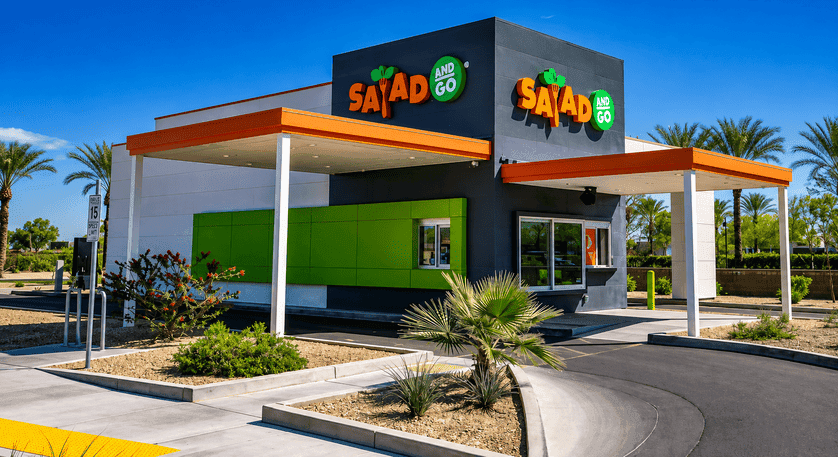
7 Brew has acquired 73 former Salad and Go locations, surpassing Dutch Bros with a $143M bid, signaling a major shift in the competitive landscape for drive-thru brands.
Sep 2, 2026
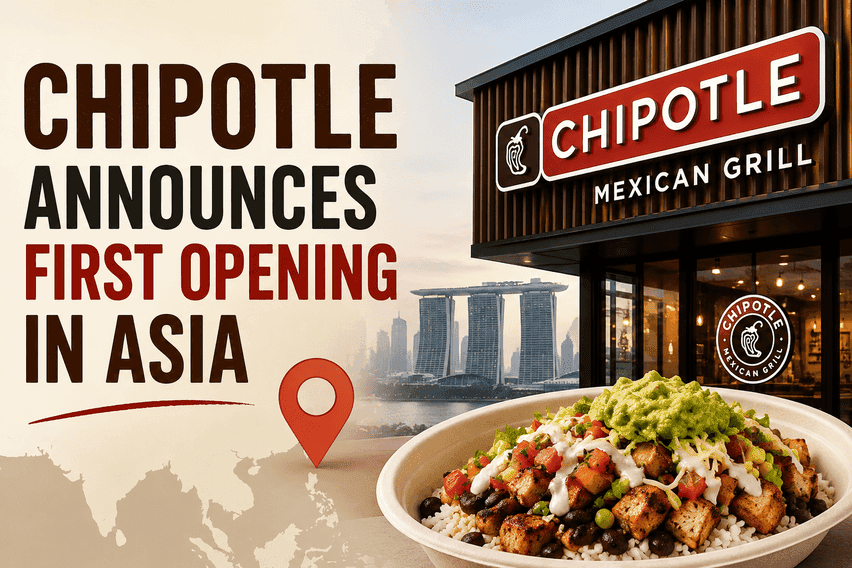
Chipotle makes its highly anticipated entry into Asia with a Seoul opening, partnering with Sangmidang Holdings and setting a template for future international growth.
Sep 2, 2026
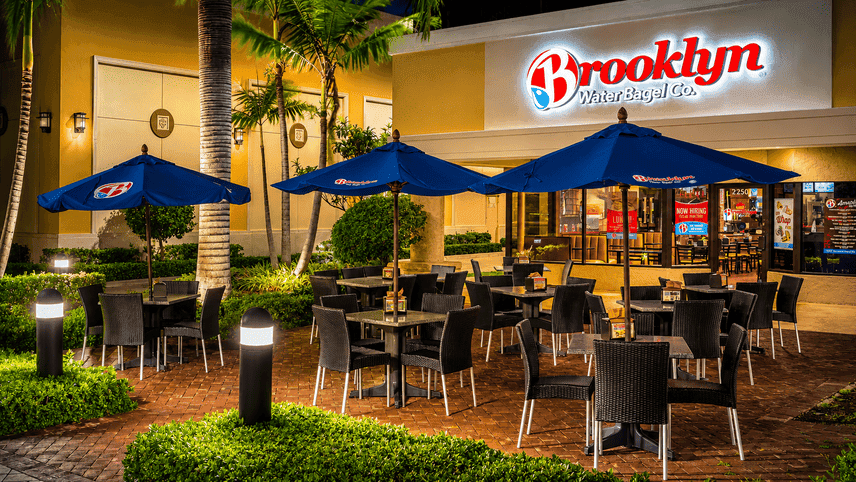
Brooklyn Water Bagel launches its first campus eatery at Nova Southeastern, signaling strategic growth and fresh potential for multi-unit operators seeking new market wins.
Sep 2, 2026
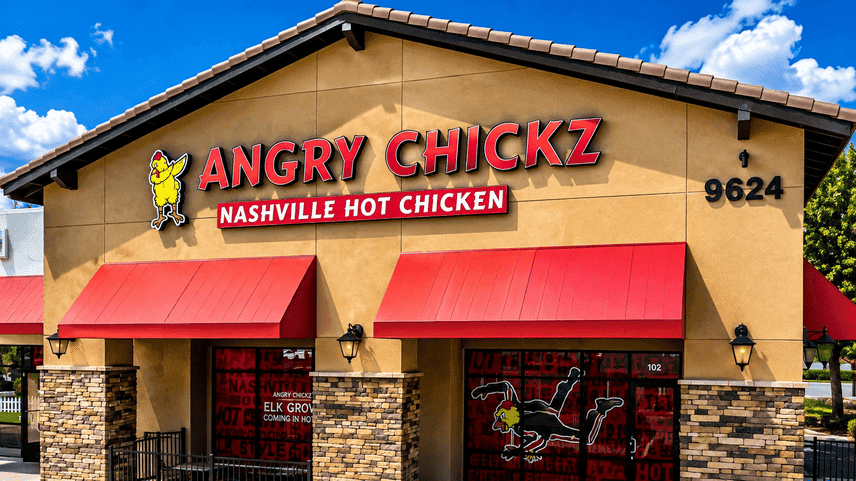
Angry Chickz enters Illinois with its signature hot chicken concept and ambitious plans for Midwest expansion, setting the stage for new franchise opportunities and community engagement.
Sep 2, 2026
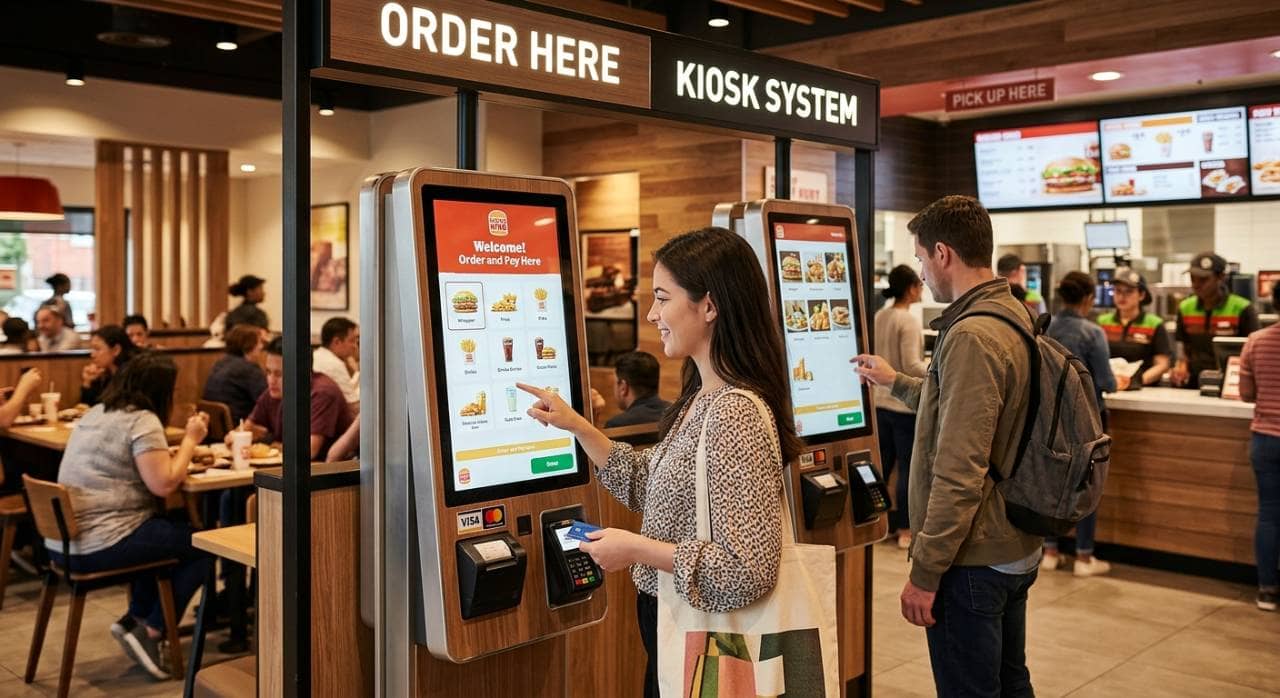
Understand how to evaluate a Kiosk system using key criteria including features, POS integration, hardware, pricing, customer experience, and support.
Aug 31, 2026

Explore restaurant technology trends in 2026, including AI, automation, digital ordering, workforce tools, connected kitchens, personalization, and profitability strategies today.
Aug 28, 2026
Learn how to calculate restaurant cost of goods using inventory, purchases, COGS percentage, variance reviews, and regular tracking for profitability.
Aug 31, 2026

Learn the startup costs of opening an ice cream shop, including rent, equipment, renovations, permits, inventory, labor, marketing, and reserves.
Aug 28, 2026

A restaurant P&L statement reveals sales, expenses, and profits, helping owners manage costs, improve margins, and plan finances more effectively.
Aug 26, 2026

Unlock Exclusive Access To Webinars, Events, And The Latest News For Free!
Portillo’s installs interim CEO Michael A. Miles Jr., slows expansion to smaller formats, and embraces activist-influenced oversight after Texas underperformance and lowered 2025 guidance.
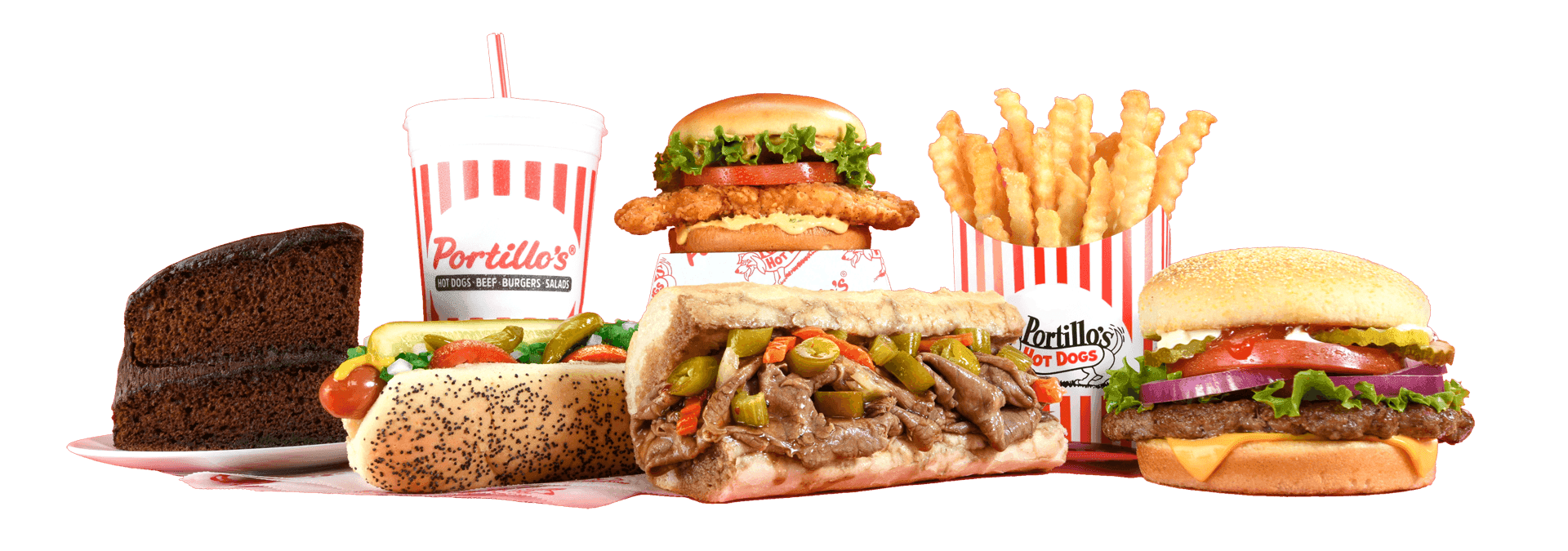
Portillo’s, the fast‑casual hot‑dog chain operating “approximately 90” units, has turned a pivotal page. Michael A. Miles, Jr., a long‑serving board member since 2014 and interim CEO from 2014 to 2015, has again assumed the interim role following Michael Osanloo’s roughly seven‑year tenure, a period that included guiding the company through its IPO and early market expansion. The board struck a tone of appreciation and candor: “our recent performance has not measured up to expectations,” it said, while Miles affirmed “that now is the right time for a leadership transition.” The leadership bench now incorporates veterans like Hart and Lee, each with extensive experience leading restaurant chains, signaling continuity even as the company signals urgency. In culinary terms, it is a shift from exuberant banqueting to a more disciplined mise en place: the ingredients are familiar, but the technique sharpens, the timing tightens. The narrative is one of respectful transition and disciplined recalibration, a recognition that momentum must be re‑anchored to fundamentals. Osanloo’s era established scale and ambition; Miles’s return suggests a measured cadence focused on execution. The message to stakeholders is straightforward: continuity where it matters, change where it’s required. Analysis: The company marries stability with a corrective posture, using Miles’s familiarity and a seasoned bench to stabilize operations while acknowledging underperformance.

In Texas, Portillo’s encountered the stubborn physics of awareness and pacing. Newly opened stores in Dallas‑Fort Worth and Houston underdelivered amid limited brand recognition. Osanloo acknowledged an “overcorrection” after the early buzz in The Colony, and interim CEO Miles put it plainly: “in Texas we added too many locations too quickly,” creating underperforming economics in several units. Yet the ledger shows resilience alongside the missteps. The company posted a “3.6%” rise in total revenue to “$188.5 million,” even as same‑store sales felt the drag of lighter traffic. That softness was partially offset by elevated average check sizes and menu price increases, a balancing act akin to seasoning a dish to compensate for leaner portions: effective in the moment, but not a substitute for the main ingredient of steady guest counts. The Texas rollout thus becomes the fulcrum for change. Traffic patterns and unit economics in a nascent market revealed where the recipe required adjustment: awareness‑building, measured openings, and operational consistency to support long‑term returns. Analysis: Underperformance in Texas exposed an expansion pacing and recognition gap, prompting a strategic reset anchored in operational discipline and market education.
The recalibration now moves from diagnosis to design. Interim CEO Miles estimates “eight” openings in 2025, a deliberate pullback from a previous plan of “12,” with attention shifting toward core markets and operational rigor. The guidance, too, has been right‑sized: fiscal 2025 same‑store sales are now expected to decline by “1% to 1.5%,” previously forecast at “1% to 3%.” Revenue growth projections have been trimmed to “5–7%,” down from an earlier “10–12%.” This reset sketches a near‑term trade‑off: growth deferred in favor of execution. It is the difference between a sprawling tasting menu and a tight sequence of courses, smaller in scale, refined in technique, built to restore confidence bite by bite. The plan anticipates “eight openings in 2026” as well, outlining a measured cadence rather than a rush. In practice, the strategy centers on rationalized formats, throughput gains, and market‑specific engagement, foundations upon which more ambitious expansion can later rest. Analysis: The updated guidance quantifies a pivot from aggressive expansion to fundamentals, signaling a disciplined path to rebuilding momentum and unit economics.
Portillo’s is shrinking its footprint to expand its potential. The “Restaurants of the Future” prototype, seen in “5,850‑ to 6,200‑square‑foot” versions in Grapevine and Stafford, seeks build‑out cost savings and a crisper guest experience. Enhanced drive‑thru lanes, robust take‑out, and systemwide kiosks form the architecture of speed and simplicity. Technology is more than garnish; it’s the engine room. Computer vision AI in drive‑thru lanes has already shaved “15 seconds” off average times, with ambitions to reduce service by another “45 seconds.” Management ties speed to sales with an explicit link: “every 30‑second improvement correlates to a 1‑point lift in comparable sales.” Kiosks now account for roughly “25–33%” of in‑store transactions, lifting check averages and aiding comps, a subtle but important shift in ordering behavior that favors efficiency and upsell. To rebuild awareness in Texas, the brand has intensified multichannel campaigns, field marketers, and grassroots outreach, borrowing from playbooks that proved effective in Sunbelt markets like Arizona and Florida. The intent is a synchronized choreography: compact boxes, faster lines, clearer messaging. Analysis: Smaller formats, throughput technology, and localized marketing form a unified playbook aimed at improving economics, traffic, and guest experience, particularly in underperforming markets.

From the analyst gallery, the verdict blends applause with pointed advice. William Blair analyst Sharon Zackfia lauded Osanloo’s tenure for a “75% increase in store count and a marked improvement in employee satisfaction.” In the same breath, she offered a clear corrective: “hindsight suggests Portillo’s should have moved faster to shrink its box and move more deliberately into new markets.” Her assessment aligns with the company’s current course, format rationalization and a moderated pace of entry. It is a prescription that values restraint over exuberance, the way a seasoned chef tempers richness with acidity to achieve balance. The board’s messaging, too, sets an unambiguous tone: gratitude to Osanloo paired with the admission that “our recent performance has not measured up to expectations,” and Miles’s reiteration “that now is the right time for a leadership transition.” Such alignment between external analysis and internal intent strengthens the credibility of the reset. The playbook is coherent; the question is execution. Analysis: External and internal perspectives converge, reinforcing the strategic shift toward smaller prototypes, operational discipline, and measured expansion.

Investor scrutiny has sharpened the edges of governance. Activist investor Engaged Capital, with roughly a “7.3%” stake, launched a proxy fight in early 2025, nominating two directors and pressing for facility modernization, restaurant‑level performance gains, and stronger national marketing. The company responded decisively: it named Chipotle CFO Jack Hartung to the board in “January,” and later reached a deal to avoid a fight by appointing Gene Lee, former Darden CEO. The board now blends continuity with activist‑driven expertise, dovetailing with the leadership notes around veterans like Hart and Lee. This realignment moves oversight closer to the operational decisions that matter most, format sizing, cost discipline, and the pacing of openings. In a turnaround, such governance acts as the sommelier pairing each course: intended to elevate, but equally ready to correct. The result is a more structured accountability framework around the reset, embedding external expectations within the company’s decision‑making apparatus. Analysis: Activist influence has translated into governance changes that emphasize expertise and accountability, aligning oversight with the operational playbook for disciplined growth.

Uncertainty lingers around the velocity of awareness‑building in Texas and how consistently technology and smaller formats will translate into improved traffic and comps. While management reports that computer vision AI has saved “15 seconds” and targets another “45 seconds,” the precise impact, beyond the stated relationship that “every 30‑second improvement correlates to a 1‑point lift in comparable sales,” has not been demonstrated at scale within Texas markets. Unit‑level economics for underperforming locations are not detailed, leaving the depth of the challenge partially obscured. Marketing intensity is up, multichannel campaigns, field marketers, grassroots outreach, but the pace at which brand recognition can overcome the slow start remains unquantified. The architecture for a turnaround is in place; the lived results must still be plated and tasted. For now, the discipline of the plan confronts the patience of the market. Analysis: The gap between tools and durable demand is the central risk; proof at scale in Texas will determine whether the reset delivers sustained comp and traffic gains.

Portillo’s is reframing growth around operational excellence and profitability. The immediate plan favors “Restaurants of the Future” formats, a slower opening cadence, “eight” in 2025 and “eight” in 2026, and technology‑enabled throughput to improve the guest experience and comp trends. Expectations have been reset to a “1% to 1.5%” same‑store sales decline and “5–7%” revenue growth in fiscal 2025, revised from “1% to 3%” and “10–12%,” clarifying short‑term trade‑offs to fortify the base. With Michael A. Miles, Jr. returning as interim CEO and a board enhanced by Jack Hartung and Gene Lee, the governance and leadership structure lean into continuity framed by sharper discipline. It is a classic lesson in hospitality as in business: before scaling, tune the choreography, then invite the crowd. If execution matches intent, unit economics can stabilize and investor confidence can be restored; if awareness and throughput gains fall short, the pressures that prompted this reset will persist. For a brand built on generous flavors, the way forward is not less character but greater control, calibrating pace and portion so that each new market is served at its best. Analysis: The strategic core is steadying before scaling; success depends on translating compact formats, technology, and targeted marketing into sustained performance, especially in Texas.