RaceTrac Names Jill Pemberton as New CFO
RaceTrac has appointed Jill Pemberton as chief financial officer, succeeding Karla Ahlert, who moves into the newly created role of chief administrative officer.
News
Aug 26, 2026
RaceTrac has appointed Jill Pemberton as chief financial officer, succeeding Karla Ahlert, who moves into the newly created role of chief administrative officer.
Aug 26, 2026
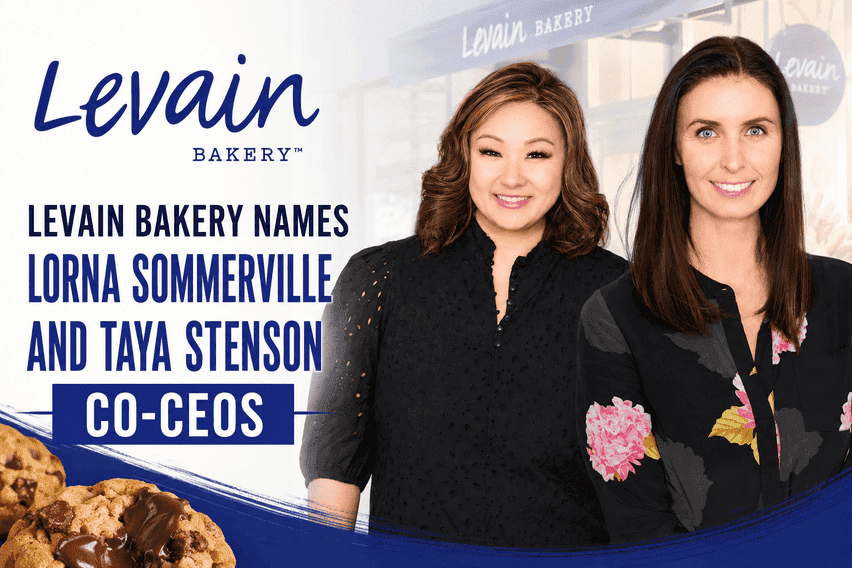
Levain Bakery appoints Lorna Sommerville and Taya Stenson as co-CEOs, blending operational and marketing expertise to power national expansion and innovation while staying rooted in its brand values.
Aug 25, 2026
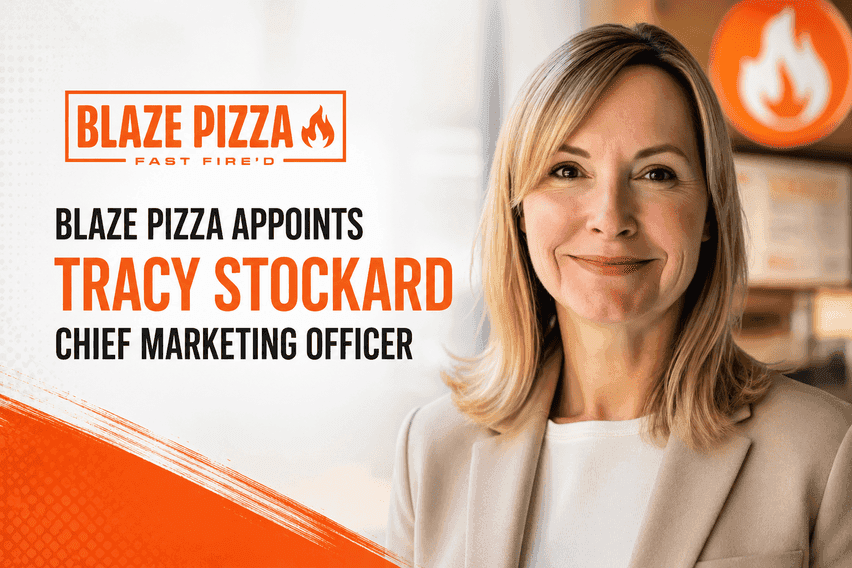
Blaze Pizza welcomes Tracy Stockard as Chief Marketing Officer, bringing decades of brand and franchise experience to drive strategic growth and guest engagement.
Aug 25, 2026

Create a practical restaurant marketing plan by setting goals, targeting customers, choosing channels, budgeting wisely, scheduling campaigns, and measuring results.
Aug 24, 2026

A payroll advance policy helps restaurant owners define eligibility, limits, repayment, documentation, approval procedures, and compliance requirements for employee advances.
Aug 24, 2026
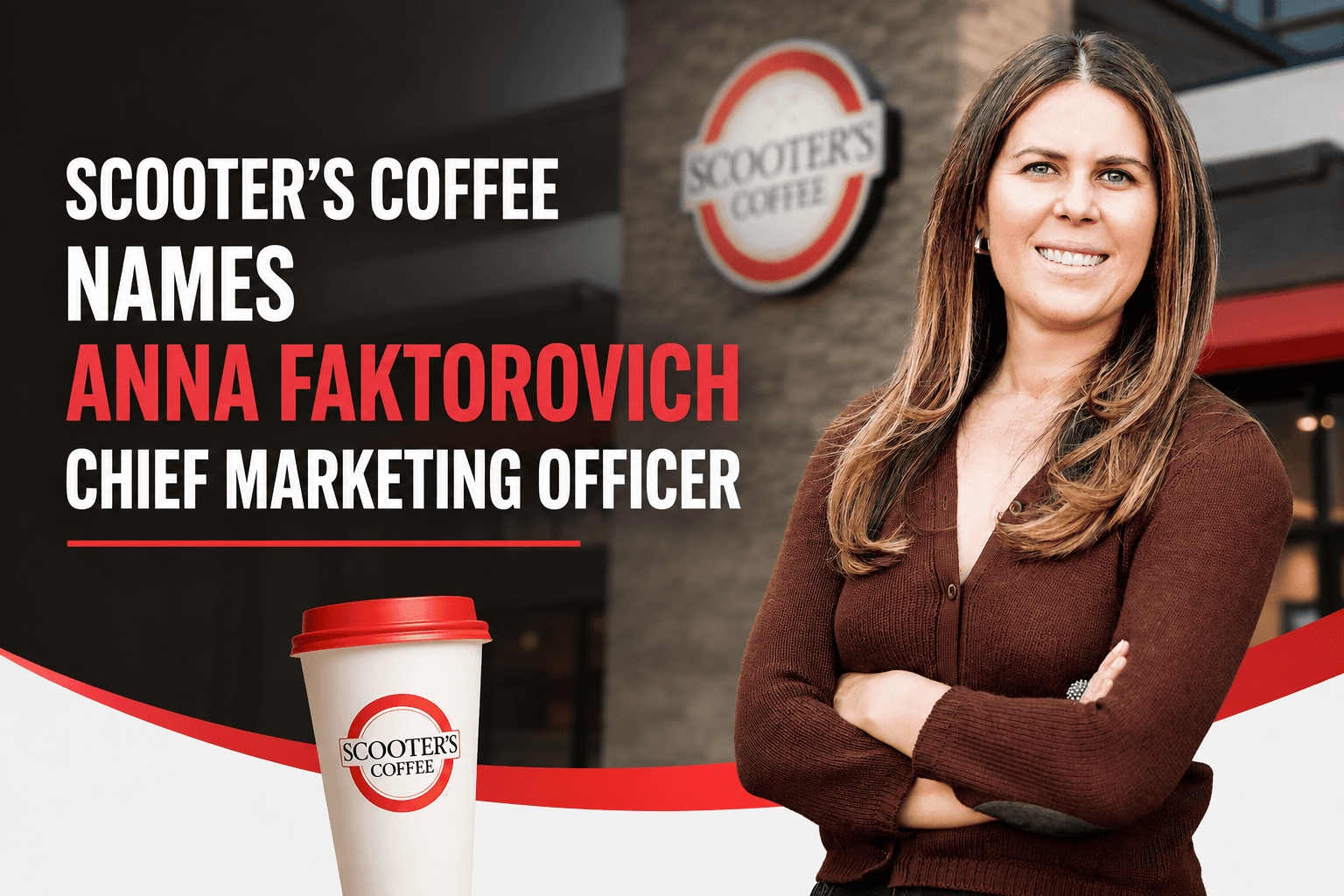
Anna Faktorovich, a seasoned marketing executive, has been named Chief Marketing Officer at Scooter’s Coffee, bringing decades of multi-brand experience to fuel the franchise’s next growth stage.
Aug 25, 2026
Wendy’s announces Tariq Hassan as Chief Marketing and Customer Growth Officer, charting a new course for brand and digital innovation. What restaurant owners can learn.
Aug 24, 2026
Dave & Buster's refreshes its executive lineup with seasoned leaders in operations, marketing, tech, and finance - signaling a growth-driven future for restaurant operators to watch.
Aug 24, 2026

Learn how to build a restaurant back office software stack that improves efficiency, integrations, reporting, cost control, and scalability overall.
Aug 21, 2026
Clear operating procedures help restaurants manage opening, closing, food preparation, sanitation, guest service, inventory, staffing, and routine operational reviews effectively.
Aug 21, 2026

Unlock Exclusive Access To Webinars, Events, And The Latest News For Free!
Qdoba has closed a $435 million whole business securitization, using the proceeds to refinance existing debt at a lower cost and free up capital to fund its push toward 2,000 locations, restaurant remodels, digital makelines, and broader technology upgrades.
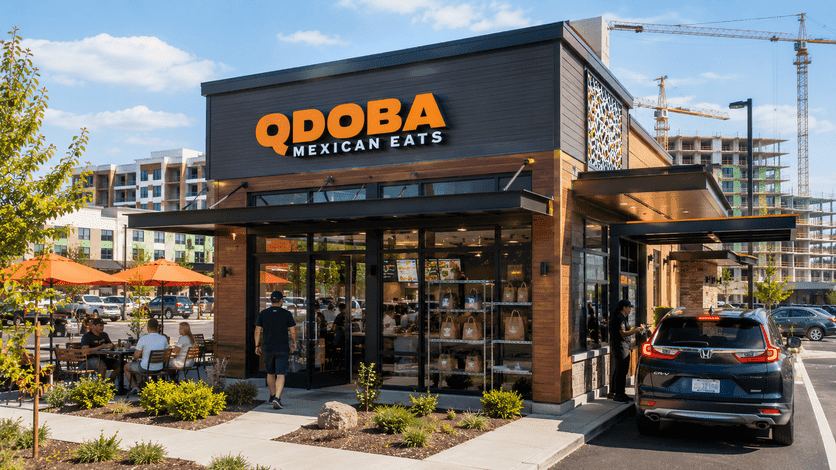
Qdoba has completed a $435 million whole business securitization, a significant capital markets transaction that gives the Mexican fast-casual chain the financial flexibility it needs to pursue its next phase of expansion. The deal, executed through Qdoba Funding, consists of $360 million in senior notes and a $75 million variable funding note. The proceeds will be used primarily to refinance existing debt at a reduced cost of capital a move that improves the chain's financial position without taking on new obligations. The liquidity freed up through that refinancing will then be directed toward Qdoba's growth agenda, which includes a long-term target of reaching 2,000 units, ongoing restaurant remodels, digital makeline installations, and other technology investments across the system.
To understand the scale of what Qdoba is building toward, the current numbers provide useful context. The chain currently has 860 locations open across 45 states in the U.S., Canada, Puerto Rico, Japan, and South Korea, with a development pipeline of more than 650 additional stores already in progress. In the U.S. specifically, Qdoba had 827 mostly franchised units at the end of 2025, having opened a net of 94 stores domestically since 2023. Getting from 860 to 2,000 units is a substantial undertaking, but the pipeline and the pace of recent development suggest the chain has built the infrastructure to support that kind of growth. The securitization provides the capital layer to keep that momentum going without being constrained by the cost of existing debt.
This deal doesn't stand alone. Less than a year ago, Qdoba secured a $527 million continuation fund led by Apollo S3, a subsidiary of Apollo Global Management the private equity firm that owned Qdoba before Butterfly Equity acquired it in 2022. Together, the two transactions represent a sustained commitment from Qdoba's ownership and financial backers to invest meaningfully in the brand's growth rather than simply managing it for near-term returns. Francesco D'Arcangelo, managing director at Butterfly, described the securitization as an exciting milestone that provides additional flexibility to accelerate Qdoba's next phase of growth. He pointed to the brand's differentiated positioning, scalable franchise model, and the work of CEO John Cywinski and the broader team as the foundation that made the transaction possible.
One of the more strategically interesting aspects of Qdoba's growth approach is its deliberate focus on franchising as a core differentiator from its closest competitor. Chipotle operates an almost entirely company-owned system, which gives it tight control over operations and brand standards but limits how quickly it can expand and requires significant capital for each new location. Qdoba has taken the opposite approach, building a predominantly franchised system that allows it to grow faster and with greater geographic reach by leveraging franchisee capital. That model also attracts experienced multi-unit operators who bring their own infrastructure and market knowledge to the development process.
The franchise strategy is already drawing in serious operators. Earlier this year, Doherty Enterprises a large and well-established Applebee's franchisee signed a deal to develop 27 Qdoba restaurants across New York and New Jersey. That kind of commitment from a sophisticated multi-unit operator with an existing track record in the restaurant industry is a meaningful validation of the brand's franchise opportunity. Large franchisees bring more than just capital. They bring operational systems, management depth, and the ability to open and run multiple locations efficiently. Attracting that tier of franchisee is a sign that Qdoba's brand momentum, unit economics, and support infrastructure are compelling enough to compete for investment dollars against other franchise opportunities.
The $435 million securitization, combined with the 650-unit pipeline and growing franchisee interest, paints a picture of a chain that is executing a well-funded, strategically coherent growth plan. Qdoba isn't just opening stores it's simultaneously investing in remodels to improve the existing estate, upgrading digital ordering infrastructure through makeline technology, and building the financial flexibility to sustain all of it without being constrained by high debt costs. For the broader fast-casual Mexican category, Qdoba's trajectory matters. The brand has long operated in Chipotle's shadow, but a chain approaching 900 locations with a 650-unit pipeline and institutional backing at this level is a genuinely formidable competitor. Whether it can close the gap on Chipotle over the next several years will depend on execution, but the financial foundation being put in place right now gives it a serious platform to try.