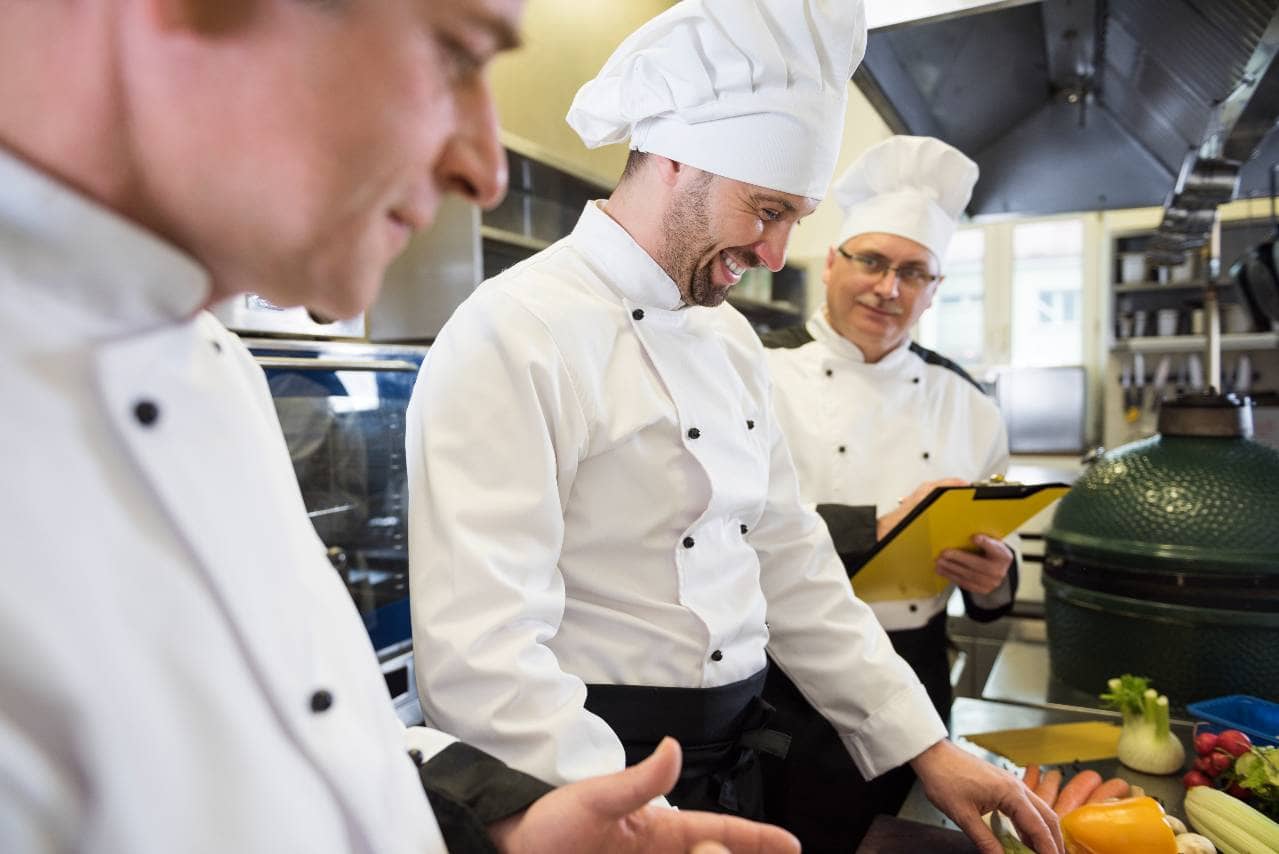
The Ultimate Guide to Restaurant Labor Management
Restaurant labor management helps owners optimize staffing, control labor costs, improve productivity, monitor overtime, and maintain efficient restaurant operations.
Back Office
Sep 2, 2026
Restaurant labor management helps owners optimize staffing, control labor costs, improve productivity, monitor overtime, and maintain efficient restaurant operations.
Sep 2, 2026
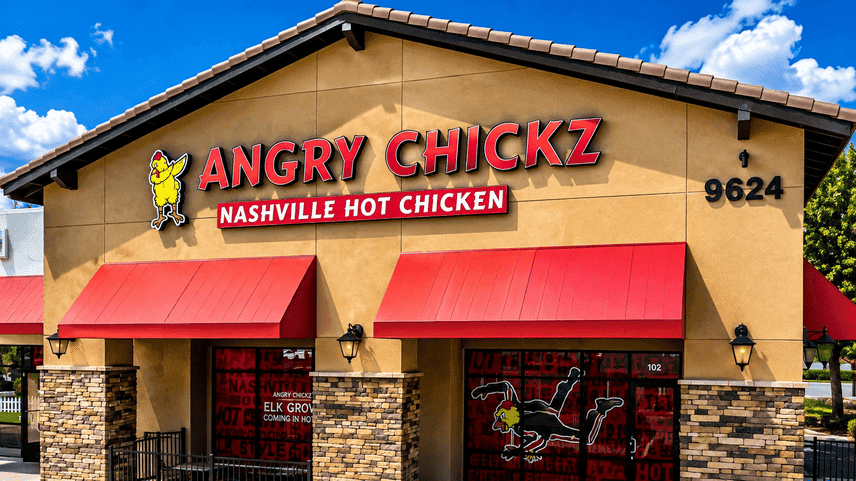
Angry Chickz enters Illinois with its signature hot chicken concept and ambitious plans for Midwest expansion, setting the stage for new franchise opportunities and community engagement.
Sep 2, 2026
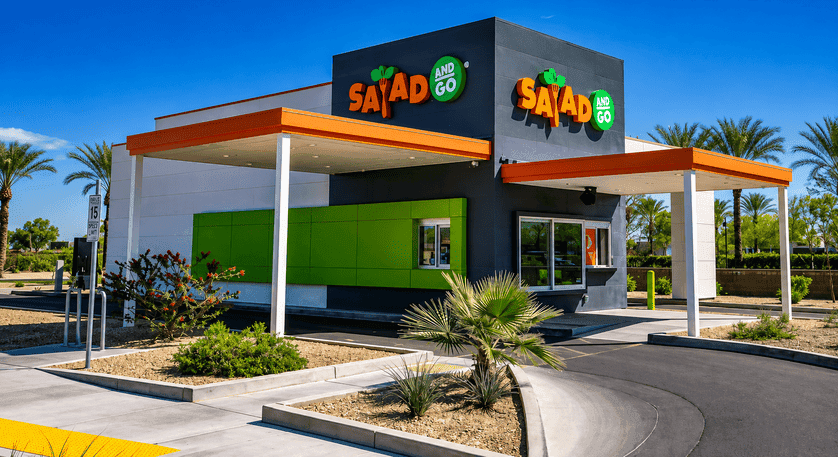
7 Brew has acquired 73 former Salad and Go locations, surpassing Dutch Bros with a $143M bid, signaling a major shift in the competitive landscape for drive-thru brands.
Sep 2, 2026
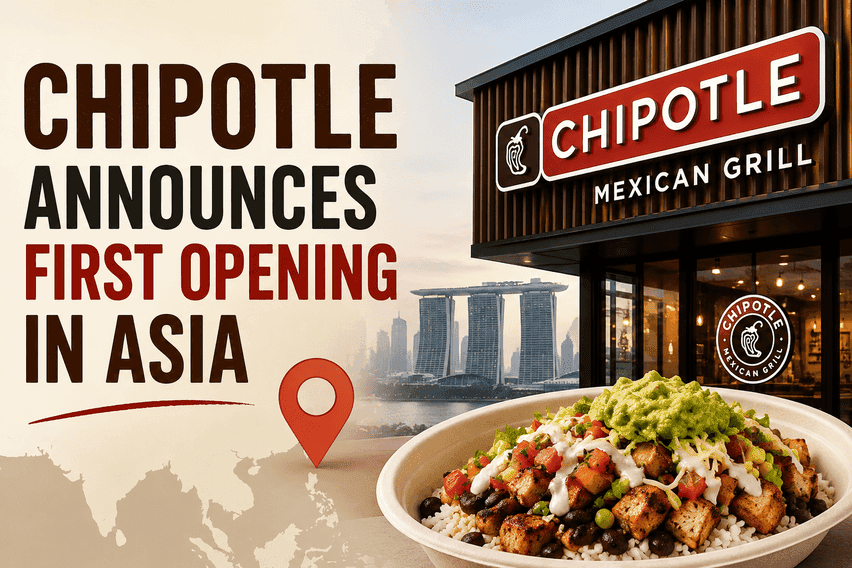
Chipotle makes its highly anticipated entry into Asia with a Seoul opening, partnering with Sangmidang Holdings and setting a template for future international growth.
Sep 2, 2026
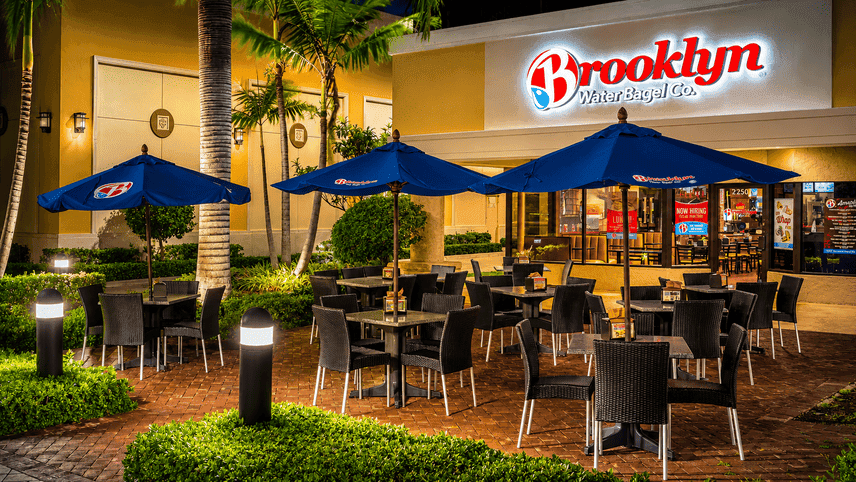
Brooklyn Water Bagel launches its first campus eatery at Nova Southeastern, signaling strategic growth and fresh potential for multi-unit operators seeking new market wins.
Sep 2, 2026

Explore restaurant technology trends in 2026, including AI, automation, digital ordering, workforce tools, connected kitchens, personalization, and profitability strategies today.
Aug 28, 2026
Learn how to calculate restaurant cost of goods using inventory, purchases, COGS percentage, variance reviews, and regular tracking for profitability.
Aug 31, 2026
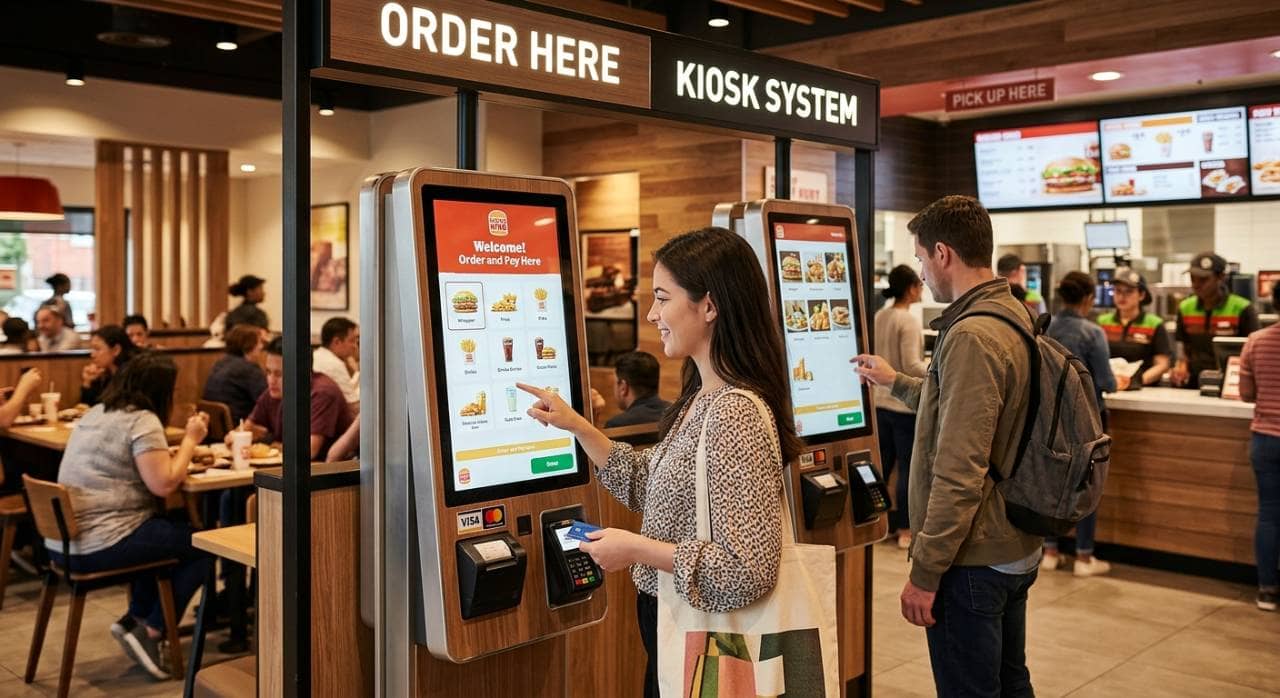
Understand how to evaluate a Kiosk system using key criteria including features, POS integration, hardware, pricing, customer experience, and support.
Aug 31, 2026
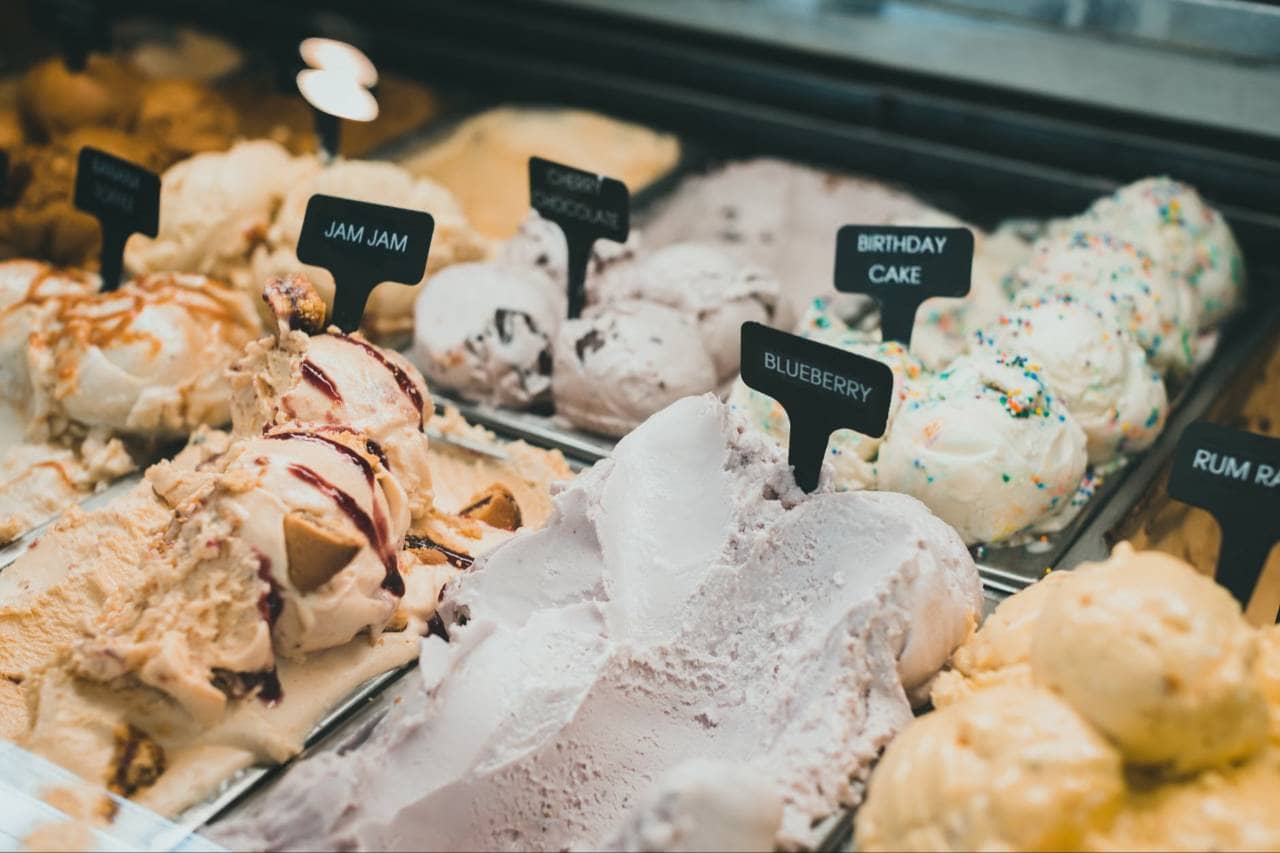
Learn the startup costs of opening an ice cream shop, including rent, equipment, renovations, permits, inventory, labor, marketing, and reserves.
Aug 28, 2026

A restaurant P&L statement reveals sales, expenses, and profits, helping owners manage costs, improve margins, and plan finances more effectively.
Aug 26, 2026

Unlock Exclusive Access To Webinars, Events, And The Latest News For Free!
California Pizza Kitchen (CPK) revamped its brand identity to engage younger consumers through a strategic 40th-anniversary stunt.
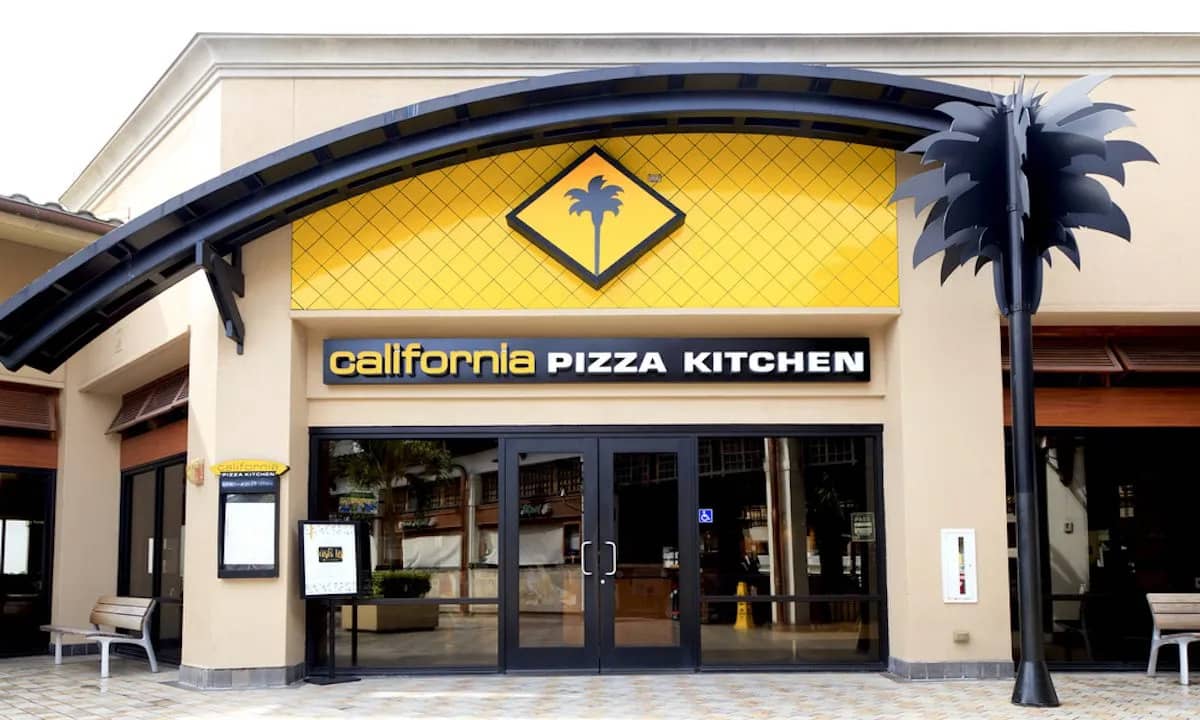
CPK's rebranding effort under Chief Marketer Dawn Keller focused on rejuvenating the brand's image rather than entirely changing it. Despite being a mature brand with significant brand equity, CPK needed to establish a stronger presence in the consumer market. By recognizing the need for reinvention without losing its essence, CPK embarked on a strategic journey to appeal to a younger demographic while retaining its core identity.

The decision to mark CPK's 40th anniversary with a unique and attention-grabbing stunt was a calculated move to engage consumers in a memorable way. By steering clear of conventional celebratory tactics and opting for a disruptive approach resembling a midlife crisis, CPK successfully generated buzz and captured the interest of younger audiences. The stunt not only showcased creativity but also demonstrated CPK's willingness to evolve while staying true to its heritage.

CPK's partnership with creative and social agency Iris played a vital role in executing the rebranding stunt effectively. Leveraging Iris' expertise in social engagement and brand conversations, CPK managed to position itself in the digital spotlight without a substantial advertising budget. The collaboration emphasizes the significance of strategic partnerships in modern marketing initiatives, where creativity and social-first approaches are paramount for success.

The choice of actress and personality Busy Philipps as a brand ambassador for CPK further strengthened the rebranding campaign. Philipps, known for her relatable persona and genuine connection with audiences, brought authenticity and credibility to CPK's revitalization efforts. Her past association with the brand and personal journey resonated well with consumers, portraying CPK as an inclusive and relevant choice for the contemporary market.
CPK's strategic approach to media spending, spearheaded by digital agency Acadia, showcased a departure from conventional advertising norms. By investing in longer-form content and targeting existing brand-aware consumers, CPK managed to maximize exposure and engagement. The focus on innovative media strategies like sequential ads and utilizing various digital platforms highlighted CPK's commitment to adapting to modern consumer preferences.
In addition to the rebranding stunt, CPK's revamped promotional strategies demonstrate a keen focus on enhancing consumer engagement. By introducing interactive elements like QR code scans and loyalty program incentives, CPK successfully bridges the gap between physical and digital interactions. This multi-faceted approach not only attracts new customers but also retains existing ones by offering personalized and rewarding experiences.