Clusters Win the Day: Coast-to-Coast Multi-Unit Deals
Record multi-unit franchise deals cluster territories coast to coast as brands chase scale amid inflation and QSR operators control 58% of units.
Savory Fund CEO Clay Dover details how AI speeds openings, training, and prep—powered by voice and tempered with human checkpoints across operations.
Cash incentives: $150K for the first Grill & Chill on schedule, then $200K per unit within 18 months, as Dairy Queen targets U.S. and Canada expansion.
Esperto Hospitality Group acquires Daddy’s Chicken Shack and plans a 2026 relaunch, starting with company-owned stores in New Jersey and expanding along the East Coast.
Plant-based chain Clover Food Lab will close all 11 restaurants on May 28, 2026, citing 30–50% ingredient inflation and mounting operating costs.
Crunch, Bodybar Pilates, and UFC Gym share disciplined playbooks: strong presales, premium upsells, and capital-backed operators fueling rapid, profitable growth.
Australian chain Guzman y Gomez closed all eight Chicago-area restaurants on May 22, 2026, citing stagnant sales and high capital needs in an ASX filing.
WOWorks, the parent company behind Saladworks, Frutta Bowls, Garbanzo Mediterranean Fresh, and three other health-focused restaurant brands, has brought on industry veteran James Walker as Chief Growth Officer and promoted Nolan Woods to Chief Operations Officer as the company accelerates franchise expansion across its nearly 240-unit portfolio.
Noodles & Company has promoted Frank Rodriguez to Senior Vice President of Operations, expanding his leadership scope across restaurant operations, training, and organizational development as the chain posts its strongest comparable sales growth in years.
Dairy Queen is offering a $150,000 lump sum incentive to franchisees who open new Grill & Chill locations, with an additional $200,000 bonus per store for multi-unit developers a move designed to accelerate growth of its full-menu QSR concept after nearly flat unit count gains over the past three years.
Unlock Exclusive Access To Webinars, Events, And The Latest News For Free!
Discover six innovative approaches to give your menu mainstays a makeover and maximize the craveability of familiar dishes. Learn why adding a twist to the classics attracts consumers.
Photo by Patrick Tomasso

Photo by Patrick Tomasso
In the highly competitive food industry, menu innovation plays a crucial role in captivating customers and boosting sales. By reinventing menu staples, restaurants can set themselves apart from competitors, attract new patrons, and retain existing customers. Consumers are constantly seeking new experiences and flavors, making it essential for food establishments to adapt and evolve their offerings to meet changing preferences.
Photo by Patrick Tomasso
Technomic, a renowned research firm, has identified six key innovation approaches that can help restaurants give their core menu offerings a refreshing update. These approaches include ingredient transformation, fusion of global cuisines, reimagining comfort foods, healthier variations, interactive dining experiences, and customizable options. By implementing these strategies, restaurants can breathe new life into traditional dishes and cater to a diverse range of tastes and dietary preferences.

Photo by Patrick Tomasso
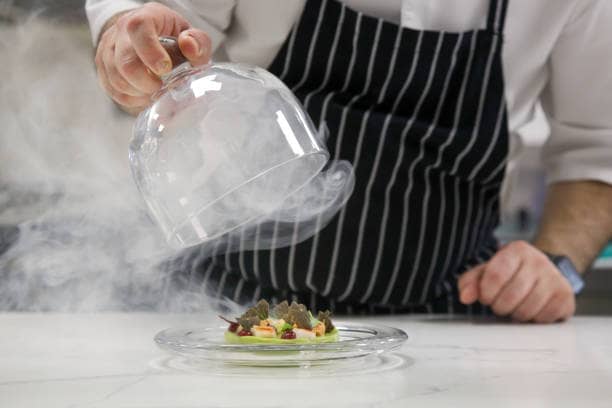
Adding a twist to classic dishes not only resonates with nostalgia but also intrigues consumers with unexpected flavor combinations or modern presentations. By infusing a familiar favorite with a unique ingredient or culinary technique, restaurants can create a sense of anticipation and excitement among diners. This approach not only enhances the dining experience but also encourages repeat visits as customers seek to explore new interpretations of familiar dishes.
To maximize the craveability of familiar dishes, restaurants can focus on factors such as visual appeal, flavor balance, textural contrast, and aroma. These elements contribute to creating a multisensory dining experience that entices customers and leaves a lasting impression. By paying attention to presentation, portion sizes, and menu descriptions, establishments can effectively communicate the craveable aspects of their dishes and drive customer interest and satisfaction.
One notable example of successful menu reinvention is the transformation of a classic burger into a gourmet slider with unique toppings and artisanal buns. By reimagining a familiar item in a fresh and innovative way, the restaurant was able to cater to upscale clientele looking for a modern twist on a traditional favorite. This creative approach not only elevated the restaurant's brand image but also increased customer loyalty and word-of-mouth recommendations.
According to industry experts like John Ochana and Hans Tubon from Technomic, menu innovation is a strategic tool for driving traffic and revenue in the competitive foodservice landscape. By continuously evolving and reinventing menu staples, restaurants can stay relevant, attract a wider customer base, and differentiate themselves in a saturated market. The dynamic nature of consumer preferences requires food establishments to be agile and creative in their menu development to meet and exceed customer expectations.