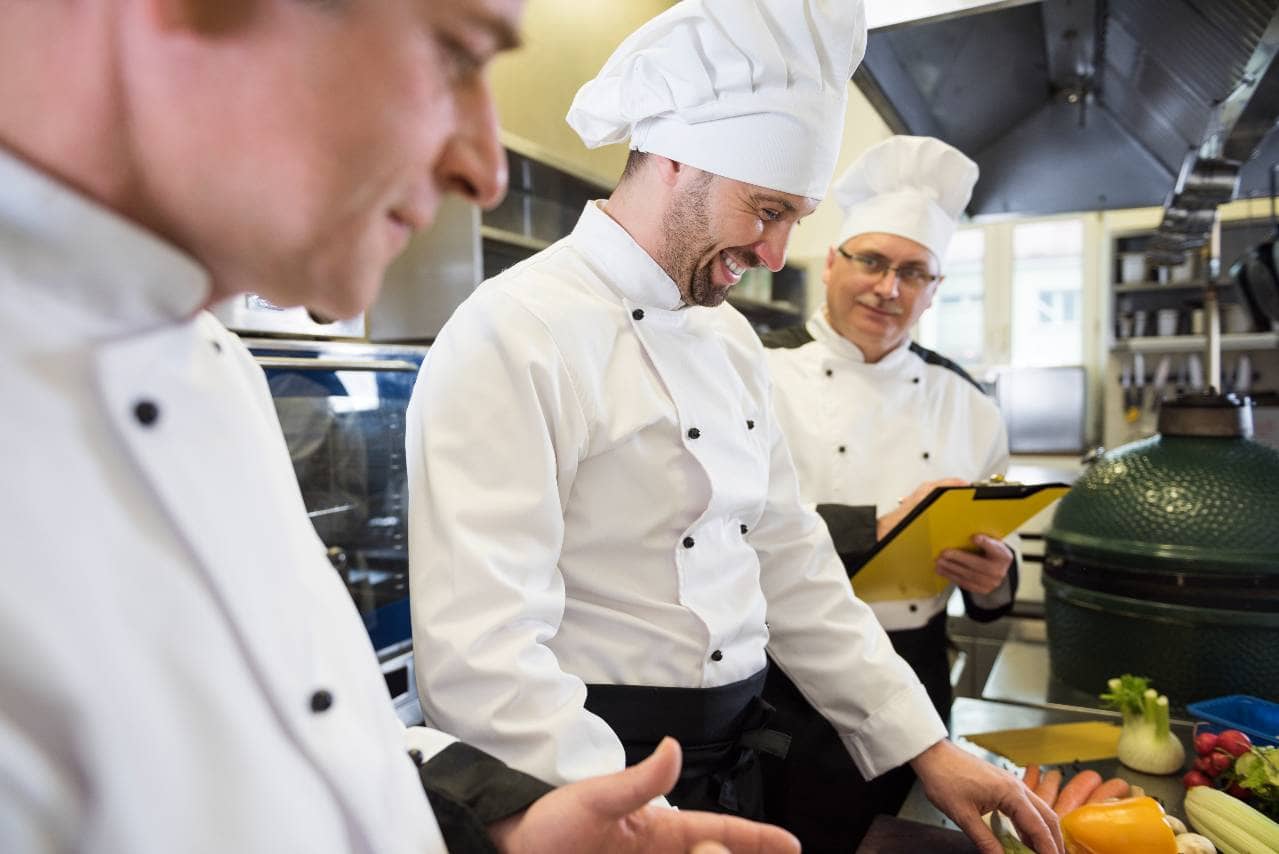
The Ultimate Guide to Restaurant Labor Management
Restaurant labor management helps owners optimize staffing, control labor costs, improve productivity, monitor overtime, and maintain efficient restaurant operations.
Back Office
Sep 2, 2026
Restaurant labor management helps owners optimize staffing, control labor costs, improve productivity, monitor overtime, and maintain efficient restaurant operations.
Sep 2, 2026
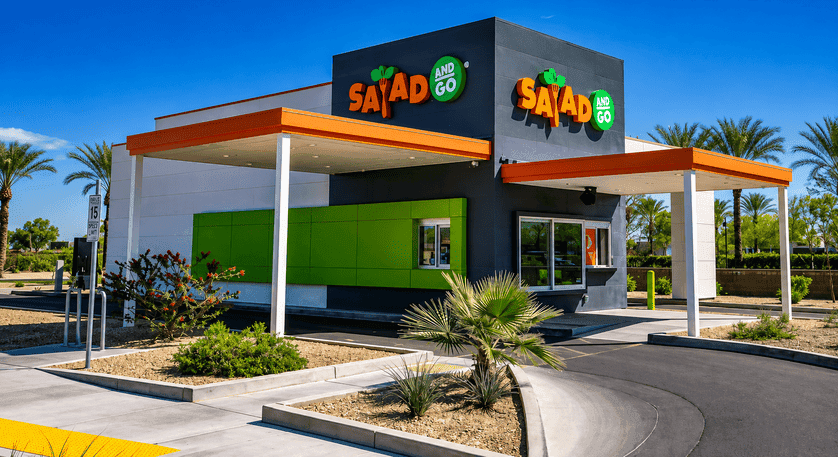
7 Brew has acquired 73 former Salad and Go locations, surpassing Dutch Bros with a $143M bid, signaling a major shift in the competitive landscape for drive-thru brands.
Sep 2, 2026
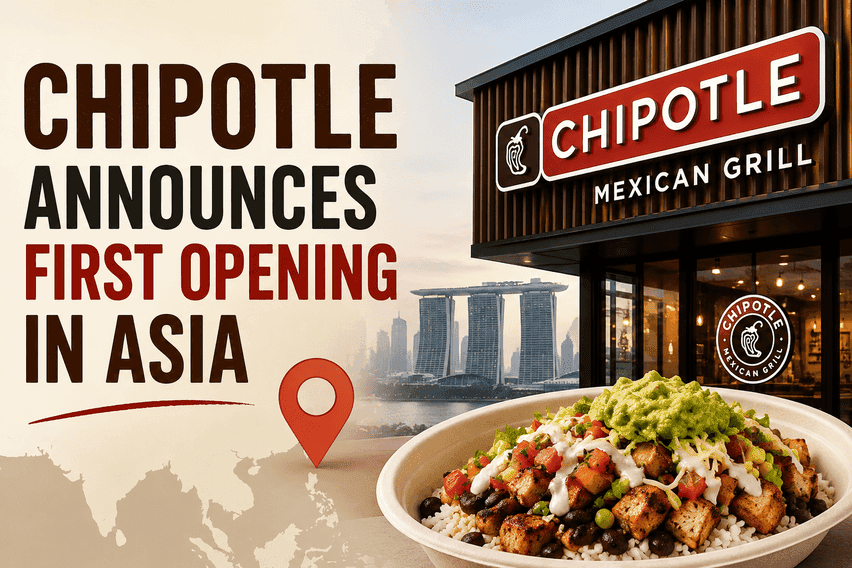
Chipotle makes its highly anticipated entry into Asia with a Seoul opening, partnering with Sangmidang Holdings and setting a template for future international growth.
Sep 2, 2026
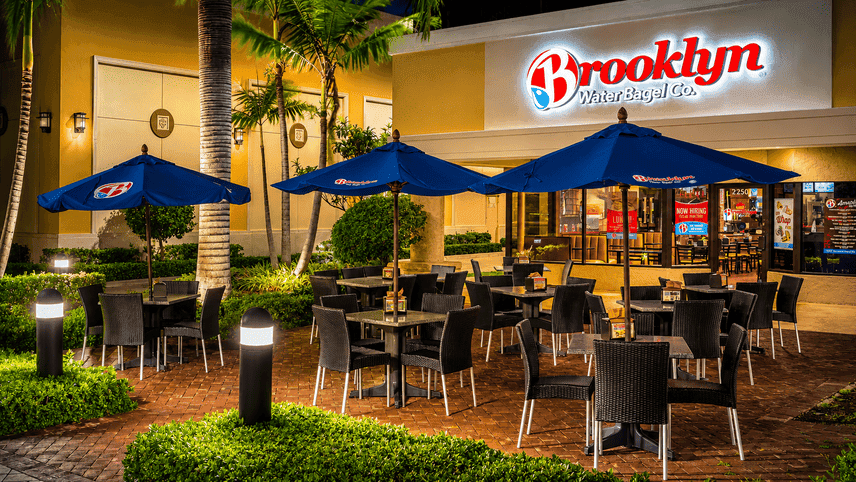
Brooklyn Water Bagel launches its first campus eatery at Nova Southeastern, signaling strategic growth and fresh potential for multi-unit operators seeking new market wins.
Sep 2, 2026
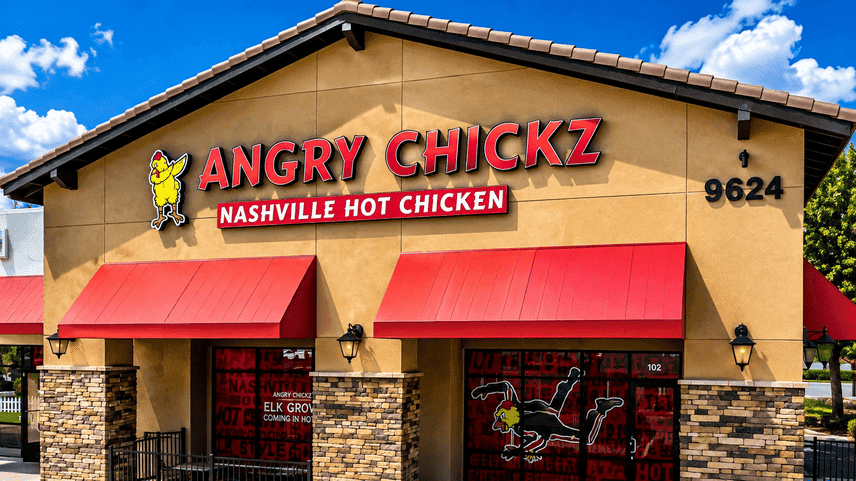
Angry Chickz enters Illinois with its signature hot chicken concept and ambitious plans for Midwest expansion, setting the stage for new franchise opportunities and community engagement.
Sep 2, 2026
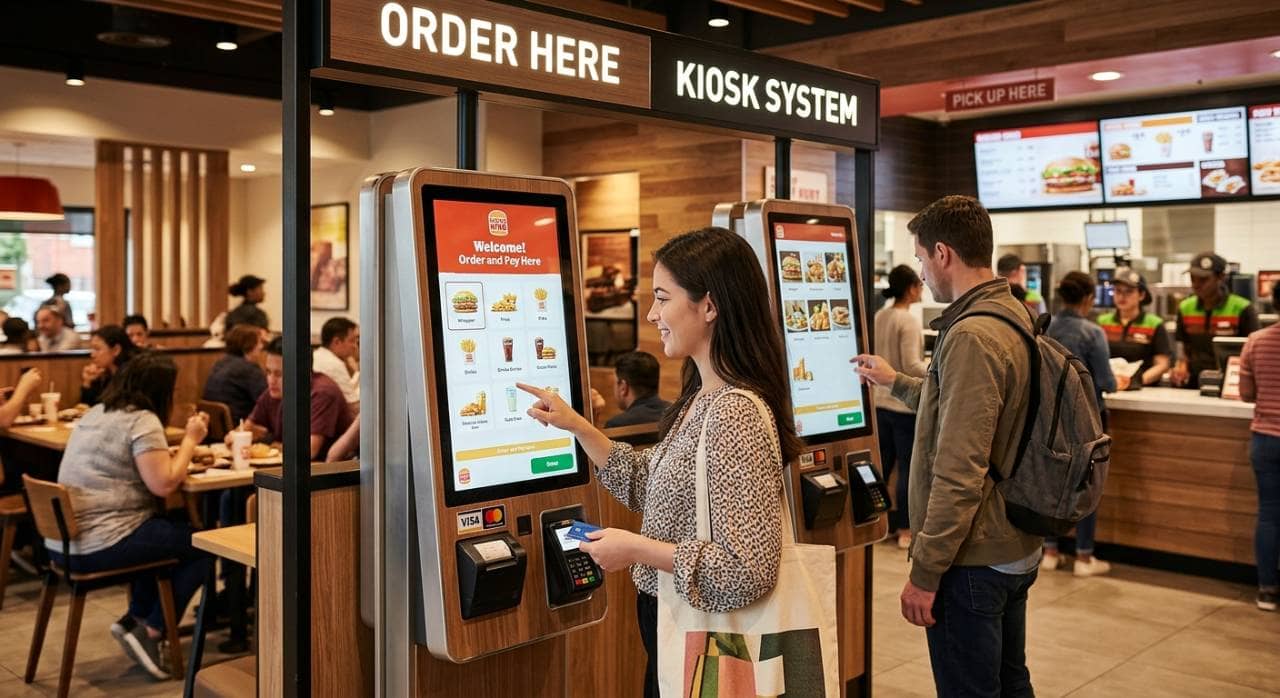
Understand how to evaluate a Kiosk system using key criteria including features, POS integration, hardware, pricing, customer experience, and support.
Aug 31, 2026

Explore restaurant technology trends in 2026, including AI, automation, digital ordering, workforce tools, connected kitchens, personalization, and profitability strategies today.
Aug 28, 2026
Learn how to calculate restaurant cost of goods using inventory, purchases, COGS percentage, variance reviews, and regular tracking for profitability.
Aug 31, 2026

Learn the startup costs of opening an ice cream shop, including rent, equipment, renovations, permits, inventory, labor, marketing, and reserves.
Aug 28, 2026

A restaurant P&L statement reveals sales, expenses, and profits, helping owners manage costs, improve margins, and plan finances more effectively.
Aug 26, 2026

Unlock Exclusive Access To Webinars, Events, And The Latest News For Free!
Discover how innovation labs and support centers are transforming restaurant operations, boosting efficiency, and enhancing the speed of service.

Photo by Jason Leung
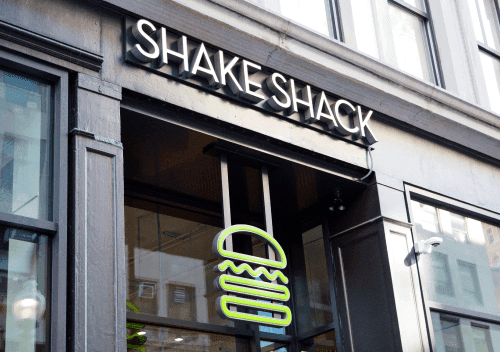
Photo by Jason Leung
Shake Shack's strategic move to introduce an innovation lab signals a significant shift in the approach to restaurant operations. By leveraging this innovative space, the company aims to expedite the rollout of new formats, leading to faster implementation and potentially higher cash-on-cash returns. This proactive approach not only streamlines the buildout process but also aligns with the ambitious plan to expand the chain's presence from 330 units to 1,500 company-owned restaurants in the U.S.
Photo by Jason Leung
Reducing buildout costs is a critical focus area for Shake Shack, with a clear target to decrease expenses from $2.4 million to $2.2 million. Historically, the company utilized a traditional model of building new restaurants, involving prolonged testing and optimization phases. The innovation lab now offers a modular solution to test and fine-tune various kitchen equipment, layouts, and operational workflows efficiently.
One of the key objectives of Shake Shack's innovation lab is to enhance the speed of service, particularly in areas like the drive-thru. By exploring advanced equipment such as hot holders, fryers, and shake machines, Shake Shack aims to address long wait times and improve overall operational efficiency. With drive-thru locations constituting about 10% of the system, the focus on optimizing service times is crucial for customer satisfaction.
In addition to the innovation lab, Shake Shack's decision to establish support centers represents a strategic move towards decentralization. With centers in New York City, Hong Kong, and the recent addition in Atlanta, the company aims to attract diverse talent from across the country. This expansion fosters a collaborative environment and provides access to a broader pool of expertise, especially in the tech realm.
The appointment of Justin Mennen as the chief information and technology officer underscores Shake Shack's commitment to technology-driven advancements. With Mennen being based in Atlanta, a hub of restaurant operations talent, the company aims to capitalize on the proximity to universities and industry expertise in the region. This strategic move stands in contrast to the centralized headquarters trend observed in the industry.